Fishing near Holly Springs, NC
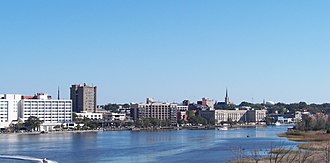
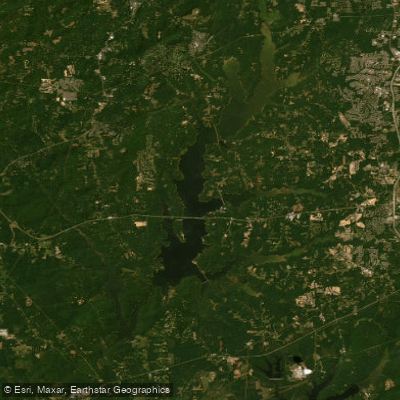
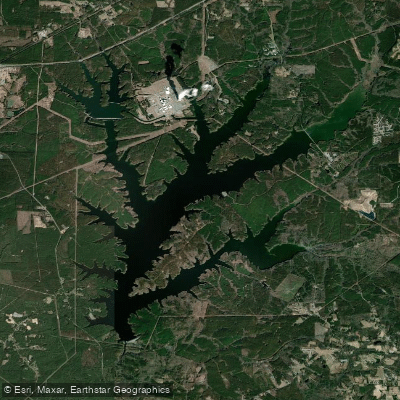
A Wake County town in the heart of the Triangle, Holly Springs sits between two major reservoir fisheries: B. Everett Jordan Lake (~13,943 acres) roughly 15 miles west, and Shearon Harris Reservoir (~4,100 acres) just 5–8 miles southwest. That positioning gives anglers and paddlers ready access to trophy-class largemouth bass, crappie, and stocked striped bass within a short drive.
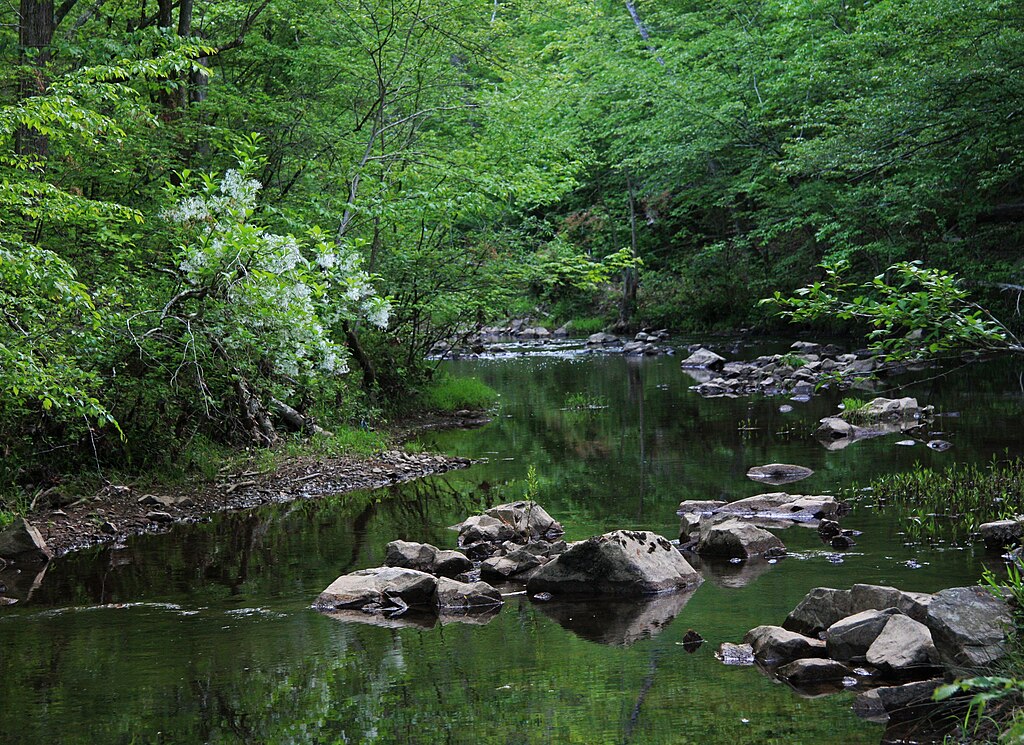
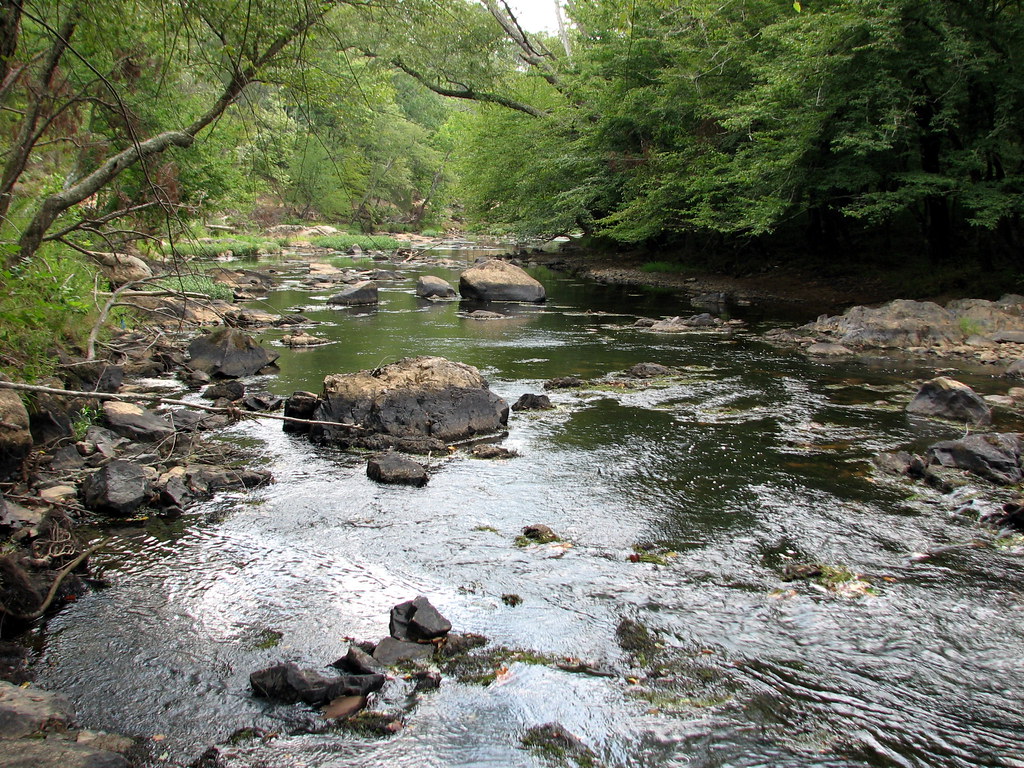
Top waters to fish near Holly Springs
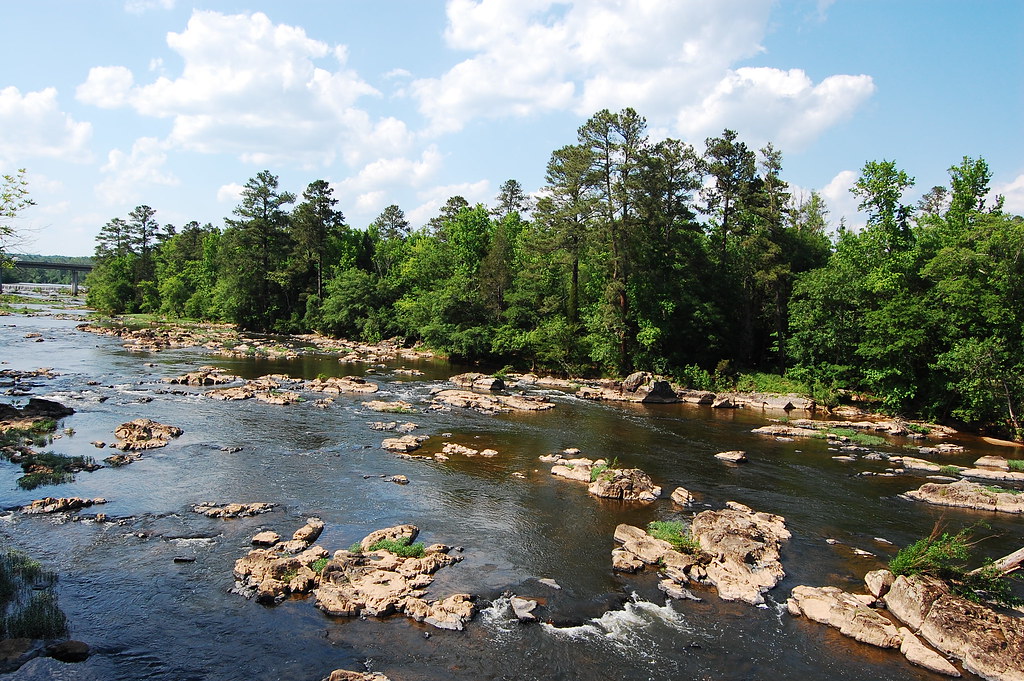
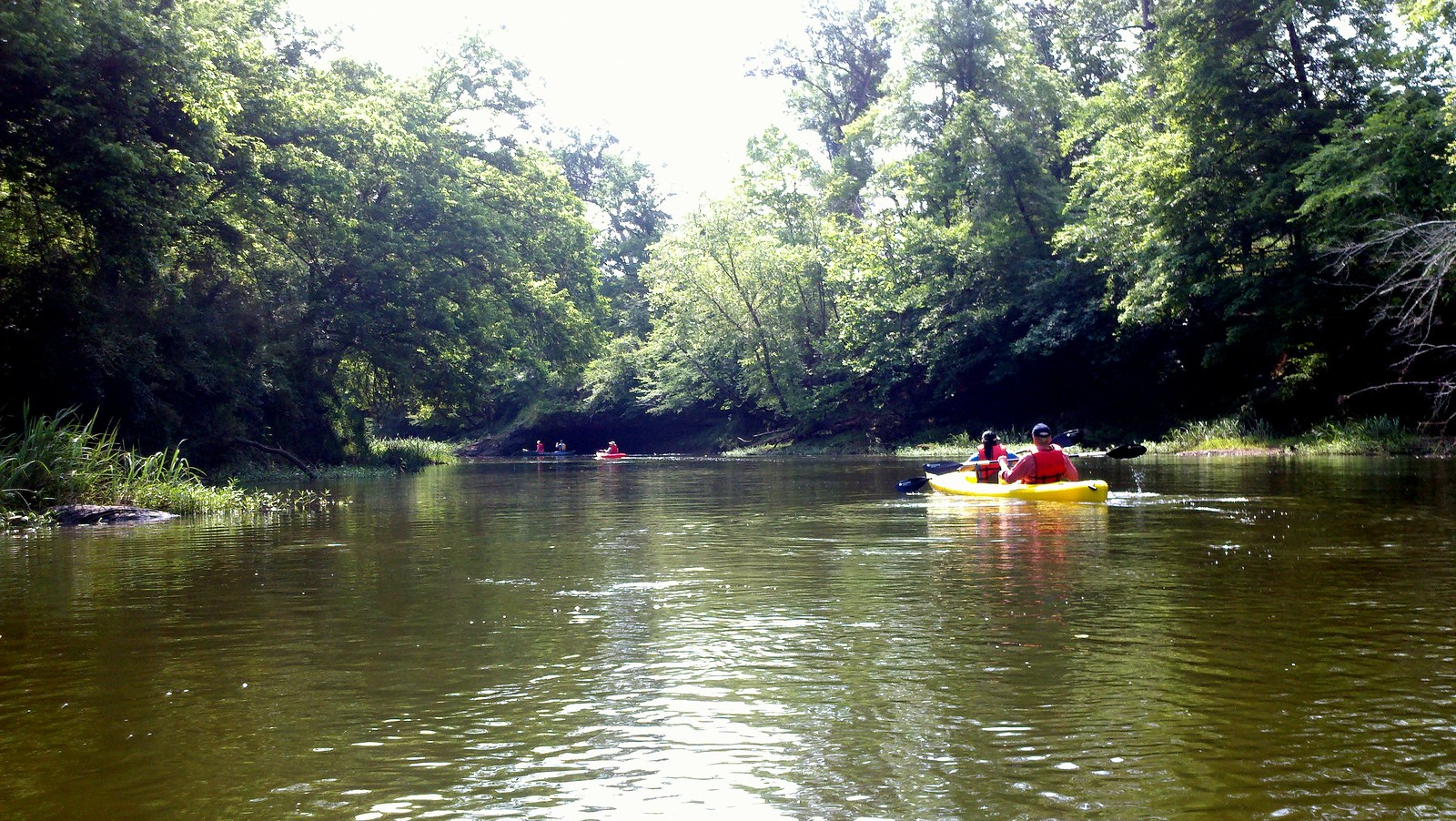
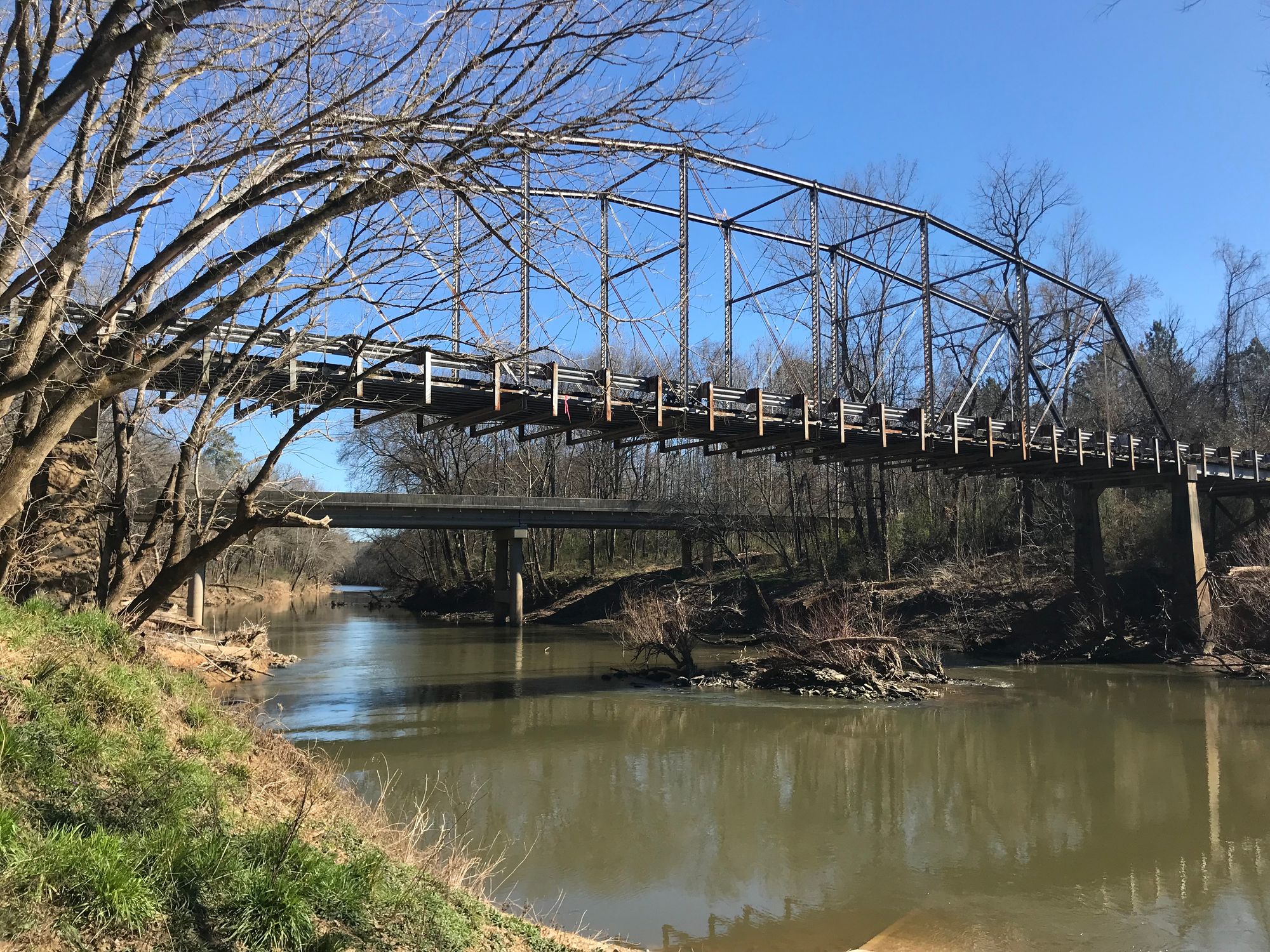
Species & education
Learn what type of fish are in Holly Springs, North Carolina and what's needed to catch them.

Find which waters have the species you want to catch

American Eel
Anguilla rostrata

American Shad
Alosa sapidissima

Black Crappie
Pomoxis nigromaculatus

Blue Catfish
Ictalurus furcatus
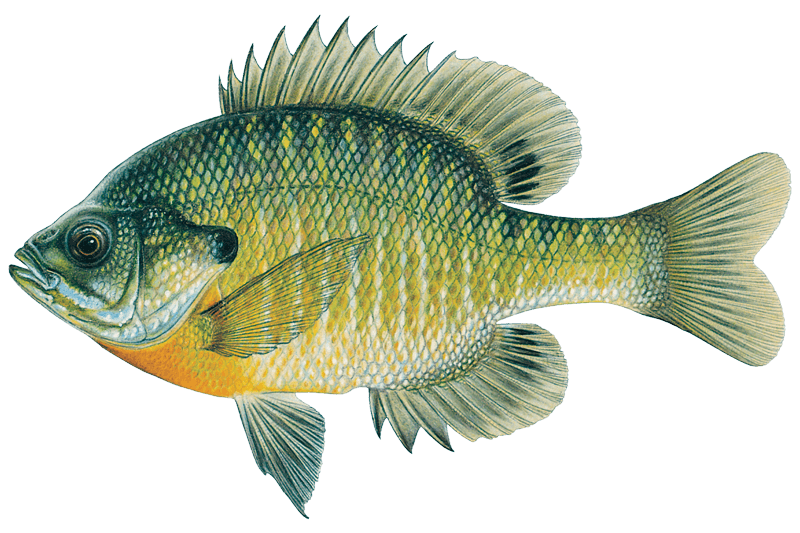
Bluegill
Lepomis macrochirus
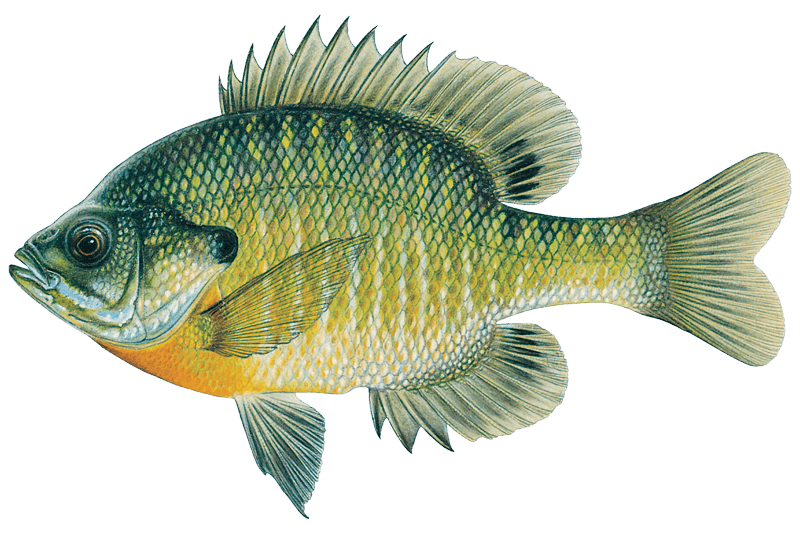
Bluegill Sunfish

Bowfin
Amia calva

Brown Bullhead
Ameiurus nebulosus

Chain Pickerel
Esox niger

Channel Catfish
Ictalurus punctatus

Common Carp
Cyprinus carpio
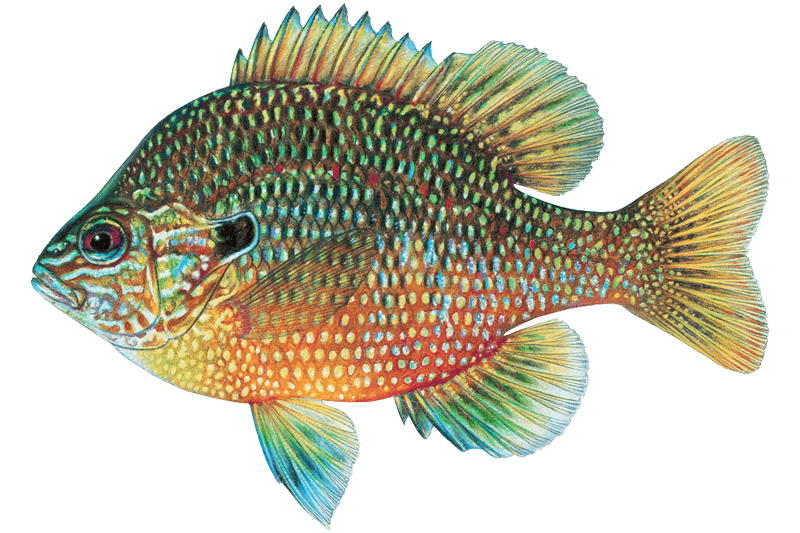
Dollar Sunfish
Lepomis marginatus

Flathead Catfish
Pylodictis olivaris

Gizzard Shad
Dorosoma cepedianum

Grass Carp
Ctenopharyngodon idella
Fishing guides near Holly Springs
Book a trip with a local fishing guide through Guidesly.


Fish smarter with real-time insights
Whether you're en route and conditions shift or you're looking for the best spot based on current flows, we enable you to make informed decisions on the fly.







North Carolina licenses and regulations

North Carolina Boating Regulations
When using any type of watercraft to access a body of water, it is important to follow all federal, state, and local rules and regulations. These rules and regulations include boat permitting and licensing, invasive species inspections and stamps, life jacket and PFD rules, motor size and horsepower restrictions, noise limitations, restrictions on personal watercraft, and many more. Visit the web link below for the most current rules and regulations for this body of water.

North Carolina Fishing License
Youth under age 16 are exempt from the requirements of any fishing license and trout privilege license.

North Carolina Fishing Regulations
This river has a variety of species and regulations, including potential floating and/or watercraft restrictions. Because this river is specially managed for species, seasons, angling methods, and watercraft, it is strongly encouraged you check all federal, state, and local regulations before fishing. Visit any of the links below, inquire locally, or contact a local fly shop to learn current regulations and restrictions.

North Carolina Stream Access Laws
If a boater can float the water, it is navigable and can be used for recreation. Navigable waters are in the public trust, including streambeds. If the navigable water is tidal, public use extends to all waters that cover an average high tide.
Smarter Fishing Starts in the App.
onWater Fish gives you everything you need to plan smarter, fish better, and own every trip from first cast to last.