Dry Tortugas boat permit
Registration · All boaters · Required year-round
Private boaters must file a boat permit at Garden Key before fishing in Dry Tortugas National Park.
Checked Nov 4, 2026 with Dry Tortugas National Park
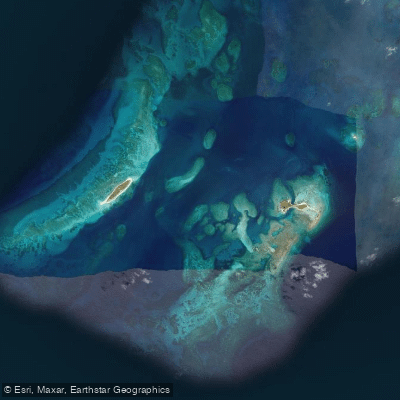
Dry Tortugas National Park is a remote and spectacular saltwater fishing destination located approximately 70 miles west of Key West, Florida. Encompassing seven islands and over 47,000 acres of open water, the park sits at the western edge of the Florida Keys reef system. The area is renowned for its pristine coral reefs, diverse marine habitats, and clear, nutrient-rich waters fueled by major ocean currents. Anglers are drawn here for the opportunity to target a wide variety of powerful sportfish in a historic and unspoiled setting, though the remoteness requires careful planning and self-sufficiency.
Learn what type of fish are at Dry Tortugas and what's needed to catch them.

Alectis ciliaris

Seriola rivoliana

Istiophorus albicans

Rhizoprionodon terraenovae

Chaetodipterus faber

Mycteroperca bonaci

Carcharhinus limbatus

Caranx crysos

Albula vulpes

Sphyrna tiburo

Carcharhinus leucas

Scomberomorus regalis

Caranx hippos

Lutjanus cyanopterus

Trachinotus carolinus

Mycteroperca microlepis

Epinephelus itajara

Balistes capriscus

Sphyraena barracuda

Seriola dumerili

Paralichthys albigutta

Lachnolaimus maximus

Scomberomorus cavalla

Elops saurus

Lutjanus synagris

Euthynnus alletteratus

Selene vomer

Coryphaena hippurus

Lutjanus griseus

Lutjanus analis

Trachinotus falcatus

Orthopristis chrysoptera

Lagodon rhomboides

Elagatis bipinnulata

Epinephelus morio

Carcharhinus plumbeus

Mycteroperca phenax

Archosargus probatocephalus

Centropomus undecimalis

Hyporthodus niveatus
Learn how to get on Dry Tortugas. Uncover great fishing access points, boat ramps, and all the facilities you need for an unforgettable day on the water. Some locations shown may border or include private property. Always check property boundaries and applicable regulations before visiting. onWater's Public & Private Land layer can help you plan your access with confidence.
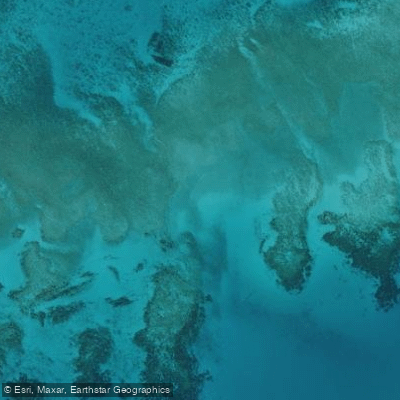
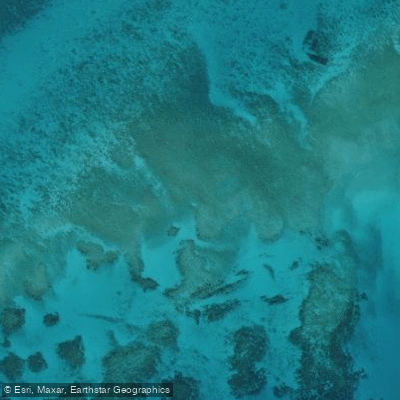
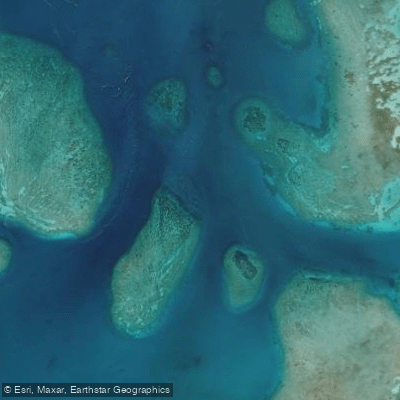
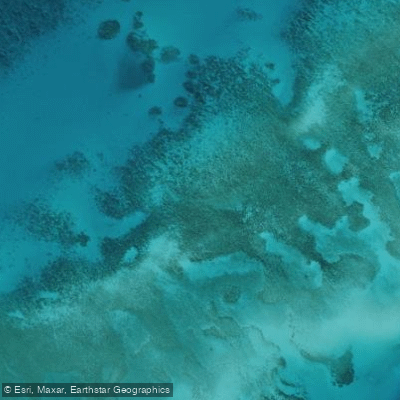
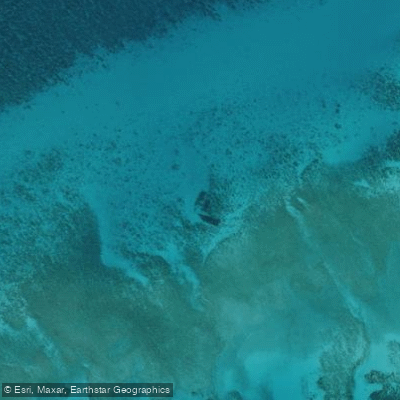
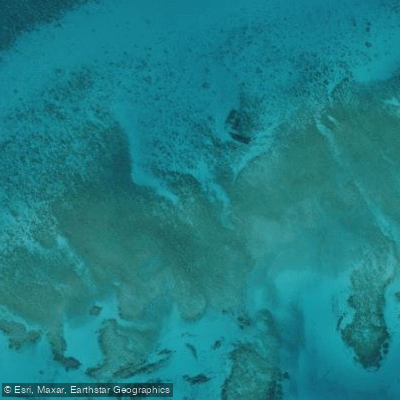
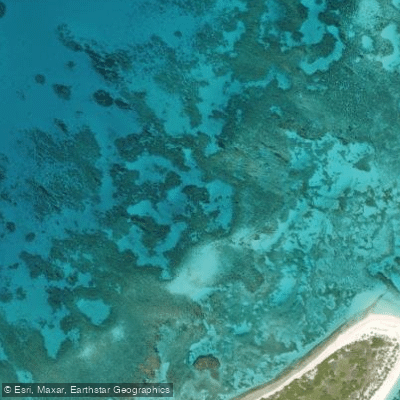
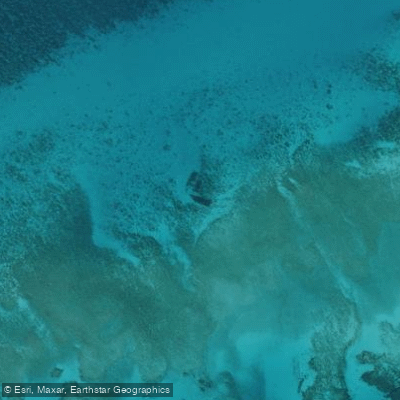
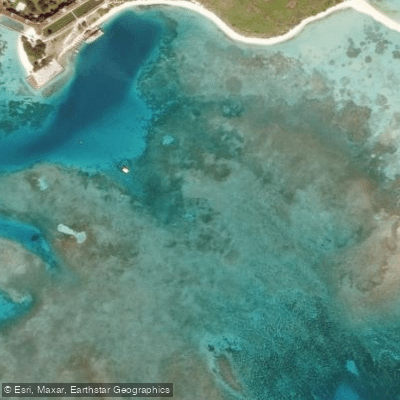
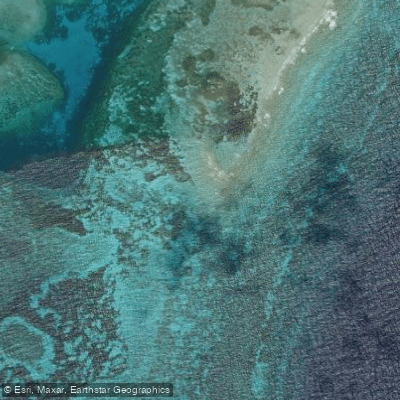
See public and private land boundaries along the water, turn on private parcels with owner details to know where permission is required, and find land-trust parcels that offer permitted fishing access.
What you need to float or boat Dry Tortugas, and when to apply.
Registration · All boaters · Required year-round
Private boaters must file a boat permit at Garden Key before fishing in Dry Tortugas National Park.
Checked Nov 4, 2026 with Dry Tortugas National Park
When using any type of watercraft to access a body of water, it is important to follow all federal, state, and local rules and regulations. These rules and regulations include boat permitting and licensing, invasive species inspections and stamps, life jacket and PFD rules, motor size and horsepower restrictions, noise limitations, restrictions on personal watercraft, and many more. Visit the web link below for the most current rules and regulations for this body of water.
Florida state waters extend 3 nautical miles from shore on the Atlantic coast and 9 nautical miles on the Gulf coast, making Florida unique in that the boundary shifts by coast. FWC regulations apply throughout state waters, and a saltwater fishing license is required to fish anywhere in them. Beyond those limits, federal waters begin and federal rules take over.
Once you pass the state water boundary, NOAA Fisheries and the regional fishery management councils, including the Gulf Council and the South Atlantic Fishery Management Council, set the rules. No separate federal recreational license is required to fish federal waters, but anglers must follow all applicable federal regulations alongside any state license already held. Species such as tuna, billfish, sharks, and swordfish are managed as Atlantic highly migratory species under NOAA Fisheries, which may carry additional federal permit requirements.
Florida residents and non-residents ages 16 through 64 need a saltwater fishing license to take or attempt to take saltwater fish, crabs, clams, or other saltwater organisms. The Florida Fish and Wildlife Conservation Commission issues the license, and it is required whether you fish in state or federal waters as long as you land fish in Florida. Exemptions include anglers under 16, Florida residents 65 and older, and passengers on for-hire vessels whose captain holds a vessel license.
Size and bag limits apply per species and can change throughout the year, and the Florida Fish and Wildlife Conservation Commission sets and maintains the current rules. Popular species with active regulations include snook, redfish, grouper, snapper, and flounder. Always check the FWC regulations page before you head out, since limits and seasons are updated regularly.
Harvesting oysters and clams recreationally requires a standard saltwater fishing license, and certain areas such as Apalachicola Bay require an additional permit. Shellfish harvesting areas are opened and closed by the Florida Department of Agriculture and Consumer Services based on water quality, red tide, rainfall, and public health guidelines, and those closures apply to everyone. Current open and closed status maps for all coastal regions are posted by the Florida Department of Agriculture and Consumer Services at their shellfish harvesting area classification page.
The onWater Fish app keeps this water's access points, species and conditions in your pocket, with the tools you use once you're there.
Download the map around Dry Tortugas to use it offline when coverage drops.
Keep a private fishing journal for Dry Tortugas to find where and when fish are biting for you.
Get the onWater Fish app
Free on iOS and Android
On open water, wind and tide matter as much as the weather. See the best times to fish Dry Tortugas and check the marine forecast before you launch.
Loading tide predictions…
Loading popular cities...
onWater Fish gives you everything you need to plan smarter, fish better, and own every trip from first cast to last.