Florida Reefs
- Saltwater
- Bay
Florida Reefs
- Saltwater
- Bay
- Sq. miles
- 933
- Boat Ramps
- 0
- Access Points
- 0
- Species
- 59
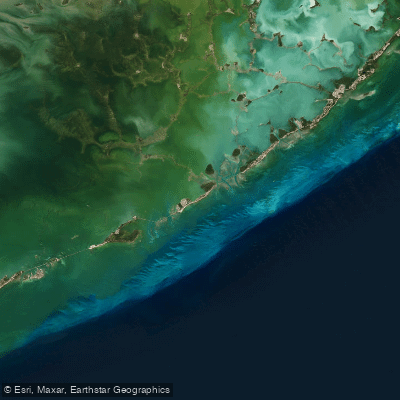
The Florida Reefs, part of the world's third-largest barrier reef system known as the Florida Reef Tract, stretch approximately 350 miles from the Dry Tortugas through the Florida Keys and up the Atlantic Coast to Martin County. This immense, complex ecosystem consists of three primary reef lines running parallel to the southeast Florida coastline, creating a vital marine habitat that supports over 6,000 species. The reefs are foundational to the regional economy, generating billions in annual income and supporting tens of thousands of jobs through fishing, diving, and boating. This vast underwater structure, ranging from shallow patch reefs to deeper ledges, offers anglers a diverse and productive saltwater fishery targeting a wide array of prized gamefish.
Species & education
Learn what type of fish are at Florida Reefs and what's needed to catch them.
Find which waters have the species you want to catch

African Pompano
Alectis ciliaris

Albacore
Thunnus alalunga

Almaco Jack
Seriola rivoliana

Atlantic Sailfish
Istiophorus albicans

Atlantic Sharpnose Shark
Rhizoprionodon terraenovae

Atlantic Spadefish
Chaetodipterus faber

Bigeye Tuna
Thunnus obesus

Black Grouper
Mycteroperca bonaci

Black Sea Bass
Centropristis striata

Blackfin Tuna
Thunnus atlanticus

Blacktip Shark
Carcharhinus limbatus

Blue Marlin
Makaira nigricans

Blue Runner
Caranx crysos

Bluefin Tuna
Thunnus thynnus

Bonefish
Albula vulpes

Bonnethead
Sphyrna tiburo

Bull Shark
Carcharhinus leucas

Cero
Scomberomorus regalis

Cobia
Rachycentron canadum

Crevalle Jack
Caranx hippos

Cubera Snapper
Lutjanus cyanopterus

Florida Pompano
Trachinotus carolinus

Gag Grouper
Mycteroperca microlepis

Goliath Grouper
Epinephelus itajara

Gray Triggerfish
Balistes capriscus

Great Barracuda
Sphyraena barracuda

Greater Amberjack
Seriola dumerili

Gulf Flounder
Paralichthys albigutta

Hogfish
Lachnolaimus maximus

King Mackerel
Scomberomorus cavalla

Ladyfish
Elops saurus

Lane Snapper
Lutjanus synagris

Little Tunny
Euthynnus alletteratus

Lookdown
Selene vomer

Mahi-Mahi
Coryphaena hippurus

Mangrove Snapper
Lutjanus griseus

Mutton Snapper
Lutjanus analis

Permit
Trachinotus falcatus

Pigfish
Orthopristis chrysoptera

Pinfish
Lagodon rhomboides
Fishing spots, boat ramps & amenities
Learn how to get on Florida Reefs. Uncover great fishing access points, boat ramps, and all the facilities you need for an unforgettable day on the water. Some locations shown may border or include private property. Always check property boundaries and applicable regulations before visiting. onWater's Public & Private Land layer can help you plan your access with confidence.

Blue Fire

Marathon Reef

Tarpoon

Marathon Reef Site

Long Key Reef #1

USS Fred T Berry (DD-858)

Moby One

Long Key Reef #2

Marathon Reef

USS Saufley (DD-465)
Know where you can legally fish on Florida Reefs
See public and private land boundaries along the water, turn on private parcels with owner details to know where permission is required, and find land-trust parcels that offer permitted fishing access.
Florida licenses and regulations
Florida Boating Regulations
When using any type of watercraft to access a body of water, it is important to follow all federal, state, and local rules and regulations. These rules and regulations include boat permitting and licensing, invasive species inspections and stamps, life jacket and PFD rules, motor size and horsepower restrictions, noise limitations, restrictions on personal watercraft, and many more. Visit the web link below for the most current rules and regulations for this body of water.

Florida Coastal & Inland Waters
Florida state waters extend 3 nautical miles from shore on the Atlantic coast and 9 nautical miles on the Gulf coast, making Florida unique in that the boundary shifts by coast. FWC regulations apply throughout state waters, and a saltwater fishing license is required to fish anywhere in them. Beyond those limits, federal waters begin and federal rules take over.
Florida Federal Waters & Offshore Rules
Once you pass the state water boundary, NOAA Fisheries and the regional fishery management councils, including the Gulf Council and the South Atlantic Fishery Management Council, set the rules. No separate federal recreational license is required to fish federal waters, but anglers must follow all applicable federal regulations alongside any state license already held. Species such as tuna, billfish, sharks, and swordfish are managed as Atlantic highly migratory species under NOAA Fisheries, which may carry additional federal permit requirements.
Florida Saltwater Fishing License
Florida residents and non-residents ages 16 through 64 need a saltwater fishing license to take or attempt to take saltwater fish, crabs, clams, or other saltwater organisms. The Florida Fish and Wildlife Conservation Commission issues the license, and it is required whether you fish in state or federal waters as long as you land fish in Florida. Exemptions include anglers under 16, Florida residents 65 and older, and passengers on for-hire vessels whose captain holds a vessel license.
Florida Saltwater Size & Bag Limits
Size and bag limits apply per species and can change throughout the year, and the Florida Fish and Wildlife Conservation Commission sets and maintains the current rules. Popular species with active regulations include snook, redfish, grouper, snapper, and flounder. Always check the FWC regulations page before you head out, since limits and seasons are updated regularly.
Florida Shellfish Closures & Advisories
Harvesting oysters and clams recreationally requires a standard saltwater fishing license, and certain areas such as Apalachicola Bay require an additional permit. Shellfish harvesting areas are opened and closed by the Florida Department of Agriculture and Consumer Services based on water quality, red tide, rainfall, and public health guidelines, and those closures apply to everyone. Current open and closed status maps for all coastal regions are posted by the Florida Department of Agriculture and Consumer Services at their shellfish harvesting area classification page.
Take Florida Reefs with you
The onWater Fish app keeps this water's access points, species and conditions in your pocket, with the tools you use once you're there.
Use the map without signal
Download the map around Florida Reefs to use it offline when coverage drops.
Log your catches here
Keep a private fishing journal for Florida Reefs to find where and when fish are biting for you.
Get the onWater Fish app
Free on iOS and Android
Tides, wind & water conditions (10 day forecast)
On open water, wind and tide matter as much as the weather. See the best times to fish Florida Reefs and check the marine forecast before you launch.
Loading tide predictions…
Florida Reefs fishing guides
Book a trip with a local fishing guide through Guidesly.

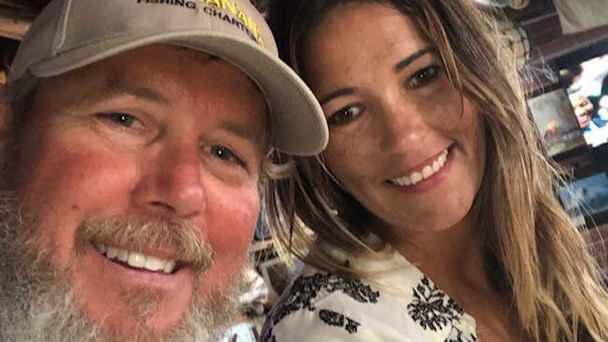
Joel Brandenburg
Ana Banana Fishing Company
5.0 (3 reviews)
Your Ultimate Marathon Fishing Experience
Book on Guidesly, opens in new tab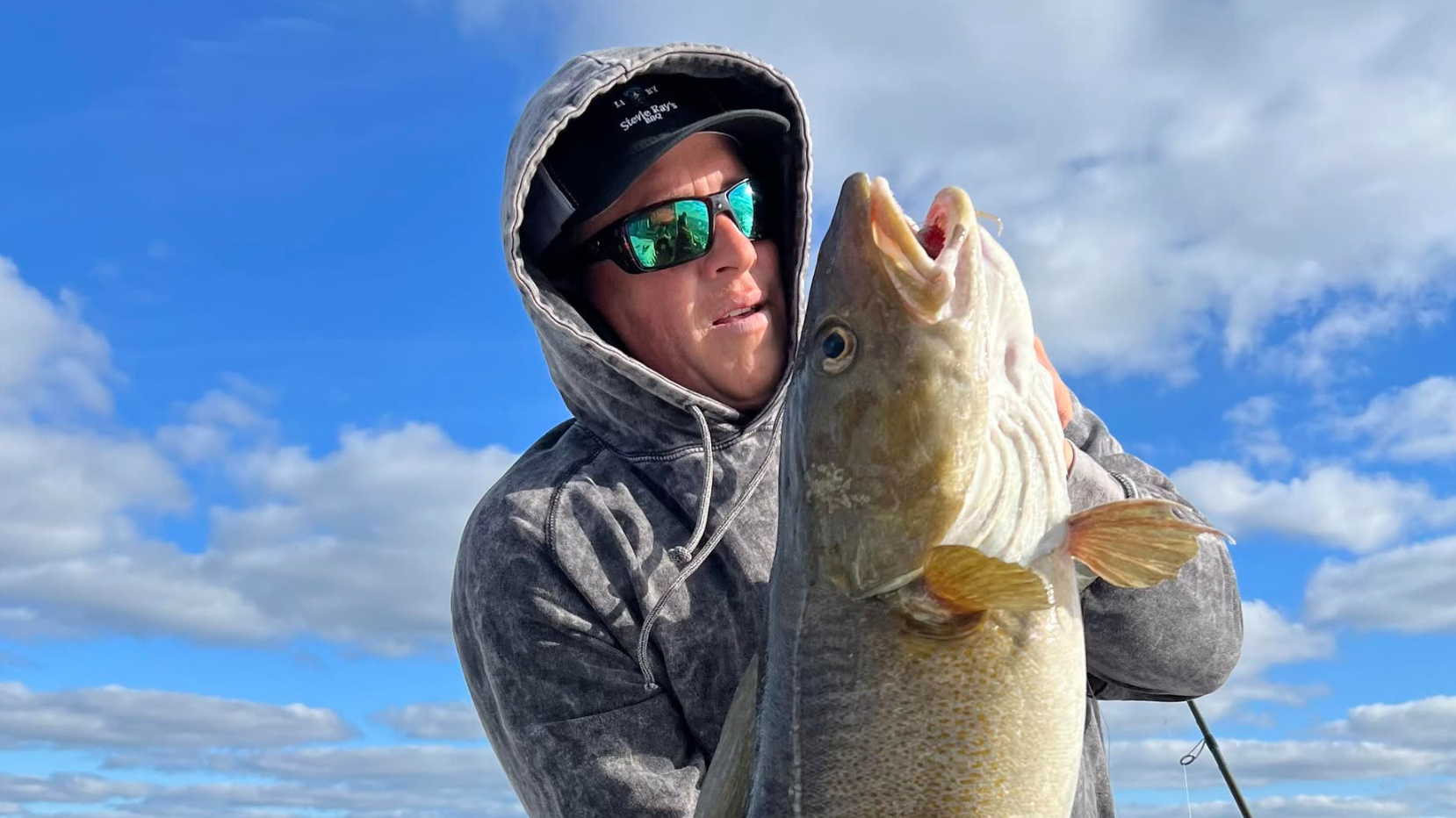
Christopher Albronda
Keys To Montauk
Keys To Montauk: Premier Captain & Fishing Lessons
Book on Guidesly, opens in new tab
Eddy Cabrera
Reel Screamer Charters
Capt Eddy Cabrera Reel Screamer Charters
Book on Guidesly, opens in new tab
Fishing near Florida Reefs
Taylor Slough
Dusenbury Creek
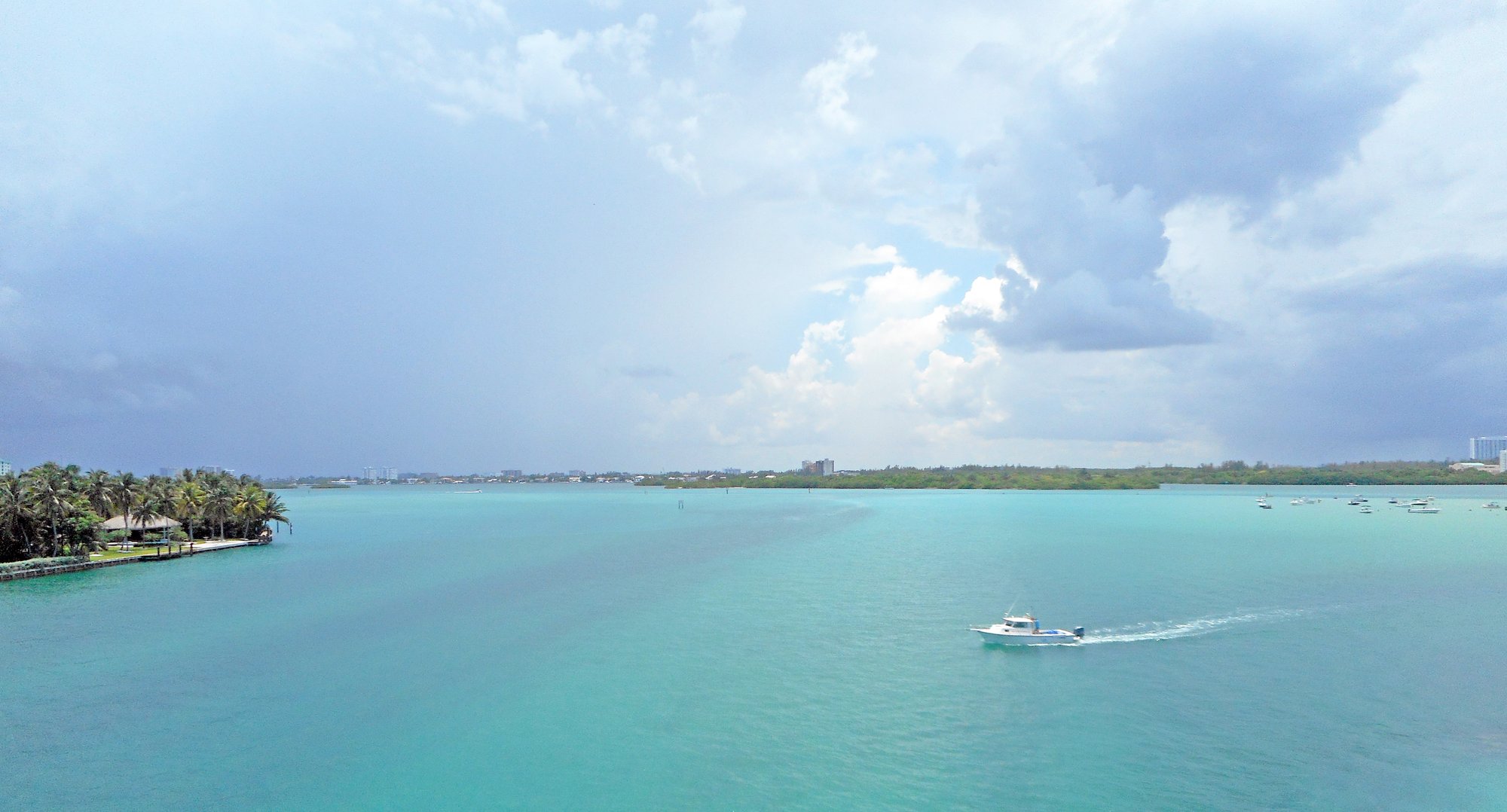
Biscayne Bay
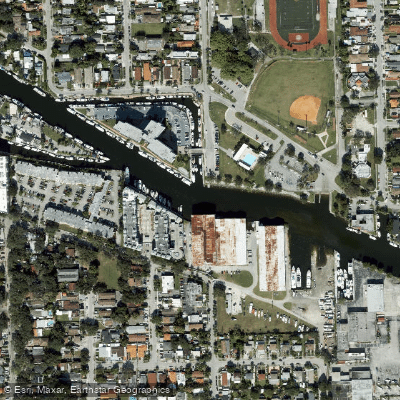
North Fork Miami River
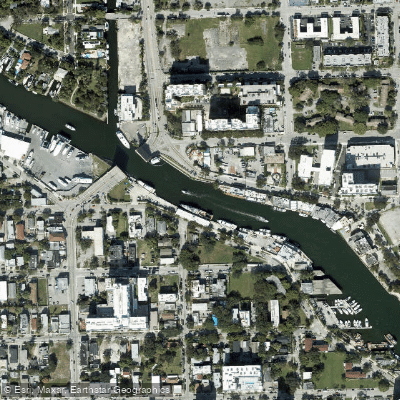
Miami River
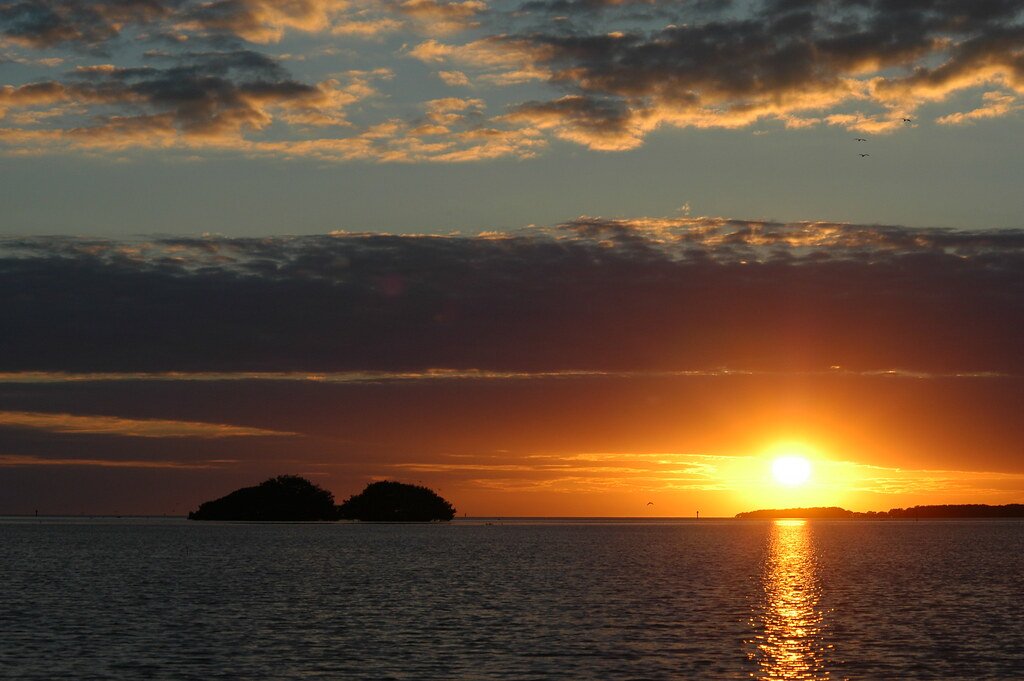
Florida Bay
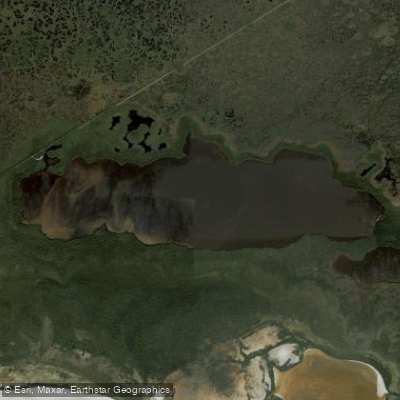
West Lake
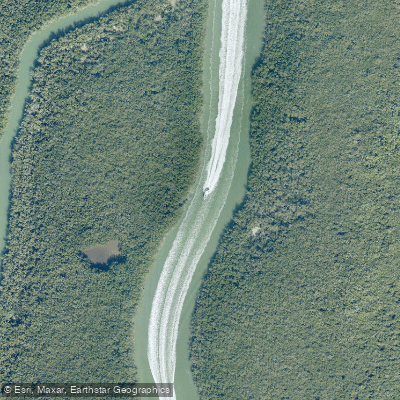
Jewfish Creek
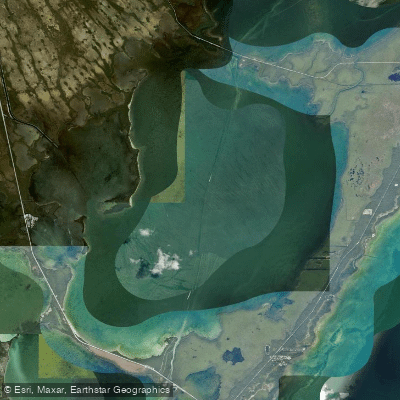
Barnes Sound
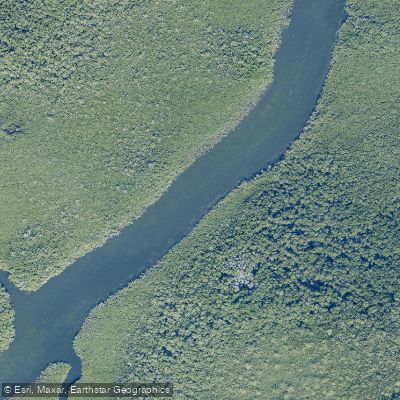
North Sound Creek
Explore Florida waters
Top fishing waters
Popular Cities
Loading popular cities...
Explore near Florida Reefs
Fish species
Fishing spots
- Elliott key Campground
- Boca Chita Key Campground
- Geiger Key Marina And Travel Park Campground
- Curry Hammock State Park Campground
- Bahia Honda State Park Campground
- Key Rv Park Campground
- Lions Lair Travel Park Campground
- Bill Baggs Cape Florida State Park Campground
- Long Key State Park Campground
- Pelican Motel And Trailer Park Campground
- Jolly Roger Travel Park Campground
- Knight's Key Campground
- All 13 spots
Nearby waters
More in Florida
Smarter Fishing Starts in the App.
onWater Fish gives you everything you need to plan smarter, fish better, and own every trip from first cast to last.