Piltanton Burn
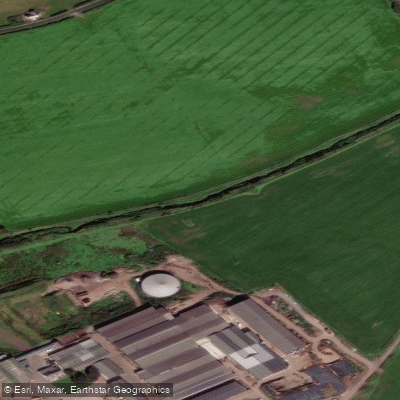
Piltanton Burn
- Boat Ramps
- 0
- Access Points
- 0
- Species
- 1
The Piltanton Burn is a small but productive watercourse nestled in South West Scotland, flowing through the scenic Galloway landscape. This intimate burn has long supported healthy populations of brown trout, sea trout, and to a lesser extent Atlantic salmon, making it a cherished destination for anglers seeking a classic Scottish burn fishing experience. The water is managed exclusively by the Dunragit Angling Club (DAC), which was established in 1975 and has maintained a close stewardship relationship with the burn ever since. The club works in close partnership with the Galloway Fisheries Trust (GFT), which provides scientific guidance and monitoring to ensure the long-term health of the fishery.
Species & education
Learn what type of fish are at Piltanton Burn and what's needed to catch them.
Find which waters have the species you want to catch

European Eel
Anguilla anguilla
Fishing spots, boat ramps & amenities
Learn how to get on Piltanton Burn. Uncover great fishing access points, boat ramps, and all the facilities you need for an unforgettable day on the water. Some locations shown may border or include private property. Always check property boundaries and applicable regulations before visiting. onWater's Public & Private Land layer can help you plan your access with confidence.
The lower Piltanton, in the area around Genoch Mains, represents a historically significant and productive stretch of the burn. The burn system also includes the Chlenry Burn as a tributary component of the wider catchment. Areas with established riparian vegetation and mid-storey cover tend to concentrate fish, as these zones provide both food and shelter. Pools and deeper runs associated with field boundaries and natural channel features offer holding lies for larger fish.
Know where you can legally fish on Piltanton Burn
See public and private land boundaries along the water, turn on private parcels with owner details to know where permission is required, and find land-trust parcels that offer permitted fishing access.
Scotland licenses and regulations
Scotland Boating Regulations
Scottish Canals is the public navigation authority for Scotland's canals, covering boat licences, permits, and navigation rules. For coastal and sea boating the UK-wide Maritime & Coastguard Agency guidance applies instead.

Scotland Fishing License
Scotland has no statutory rod licence for trout or coarse fishing (the only exception is the Border Esk). You instead need the permission of the landowner or permit holder; salmon and sea trout are fished via permits from the local fishery.

Scotland Fishing Regulations
Official gov.scot guidance on freshwater fisheries rules - close times for salmon and brown trout, protection orders, and the consents needed to catch salmon or freshwater fish. Check the page for current dates.

Scotland Stream Access Laws
The Scottish Outdoor Access Code grants broad public right of responsible access to most land and inland water (unlike England/Wales). Important: fishing is explicitly excluded from these access rights - you still need the relevant permit or the rights-holder's permission to fish.
Take Piltanton Burn with you
The onWater Fish app keeps this water's access points, species and conditions in your pocket, with the tools you use once you're there.
Use the map without signal
Download the map around Piltanton Burn to use it offline when coverage drops.
Log your catches here
Keep a private fishing journal for Piltanton Burn to find where and when fish are biting for you.
Get the onWater Fish app
Free on iOS and Android
Water and weather conditions (10 day forecast)
See the best times to fish Piltanton Burn and check the forecast before you go.
No forecast data available.
Fishing near Piltanton Burn
Lagan
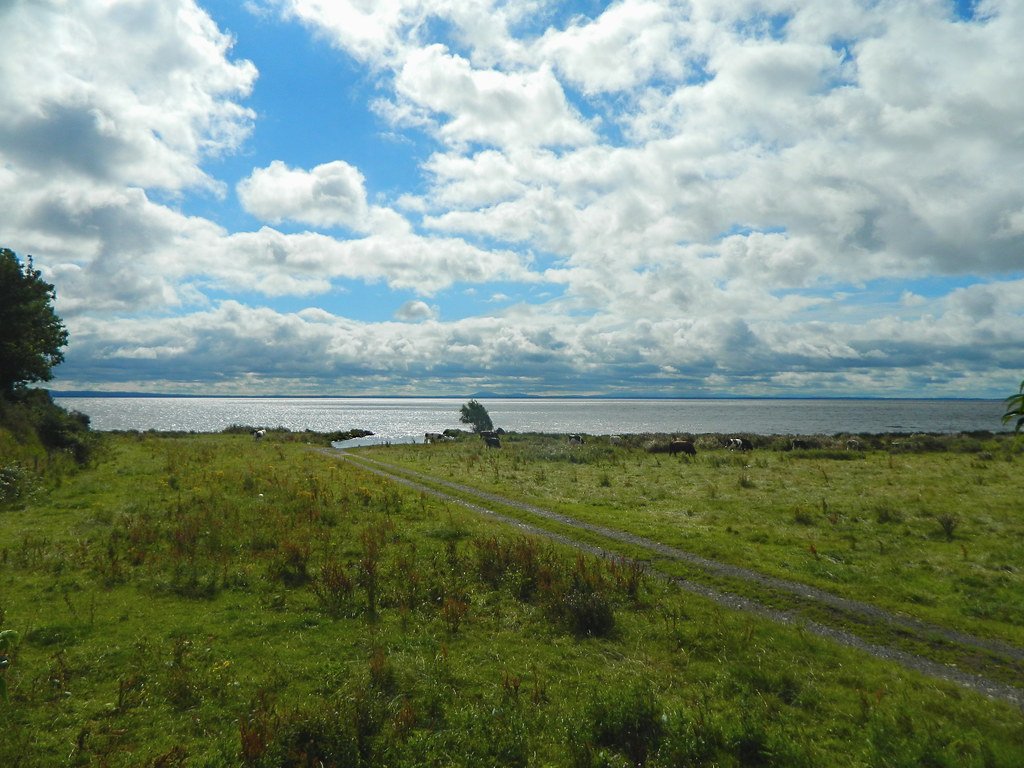
Lough Neagh
North Channel
Upper Bann
Belfast Lough
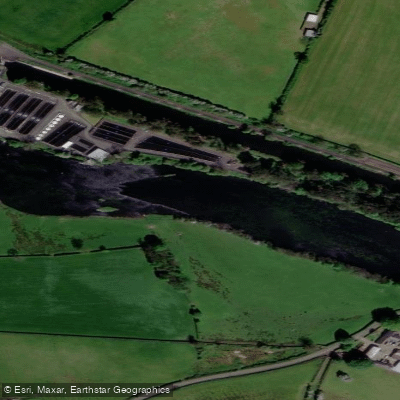
Lower Bann
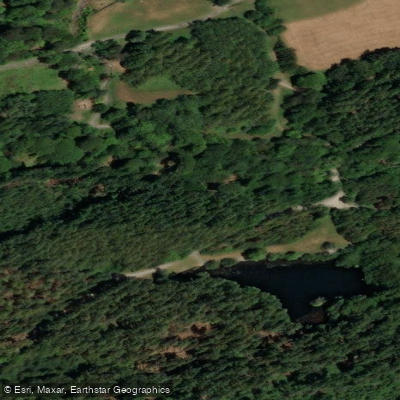
Shimna River
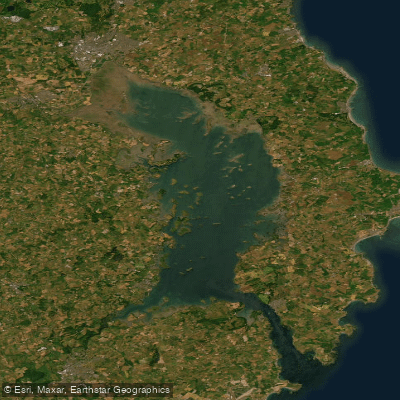
Strangford Lough
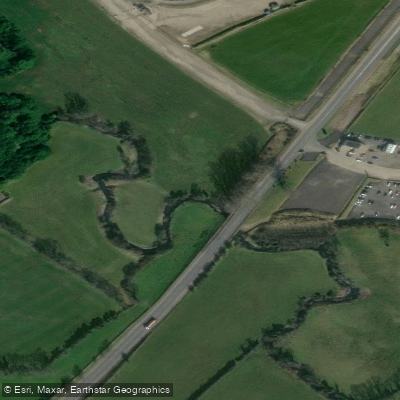
Crumlin
Explore Scotland waters
Top fishing waters
No waters available right now.
Popular Cities
Loading popular cities...
Explore near Piltanton Burn
Fish species
Nearby waters
More in Scotland

Smarter Fishing Starts in the App.
onWater Fish gives you everything you need to plan smarter, fish better, and own every trip from first cast to last.