Bluegill
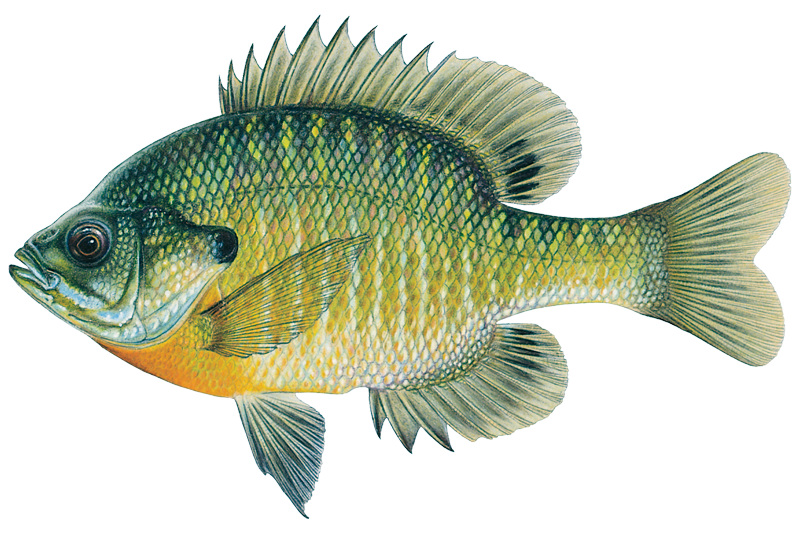
Bluegill in Delaware are an introduced non-native species that have established abundant populations statewide.
- These distinctive panfish are easily recognized by their darkened ear flap and dark blue coloration on the sides of their head, with dark green bodies featuring 5 to 9 vertical bars and yellowish breast and abdomen.
- Large breeding males develop purple-black coloration on their back and sides.
- Delaware bluegill commonly measure 6-7 inches, though citation-size fish can reach 10+ inches, with the state record being 2 pounds 10 ounces.
Fishing in Delaware
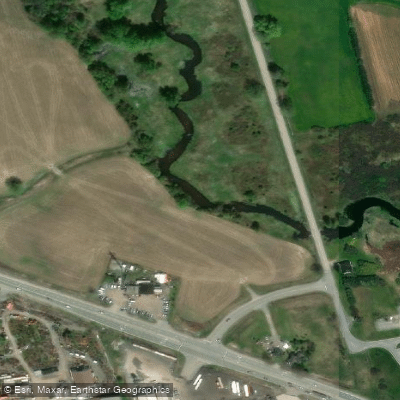
Spencer Creek
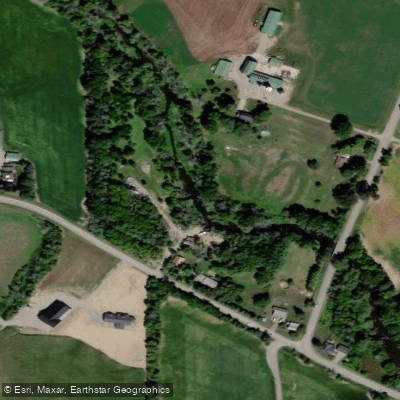
Twenty Mile Creek
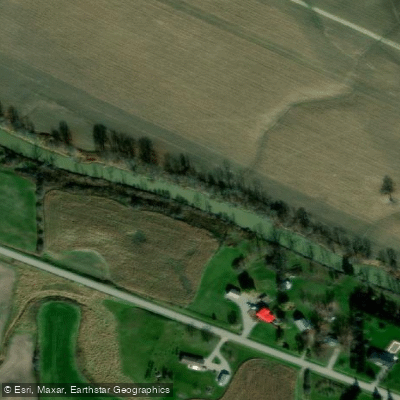
Rivière Welland
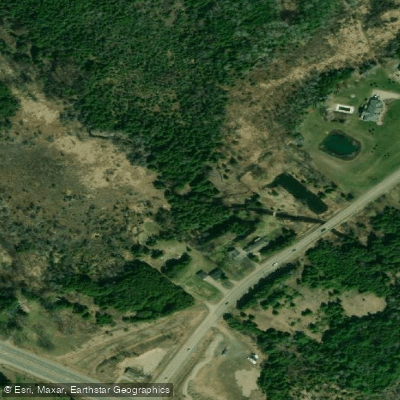
Bronte Creek
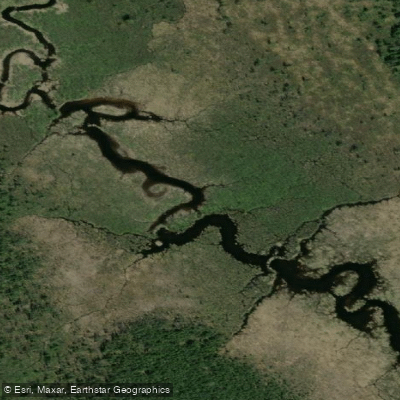
Grindstone Creek
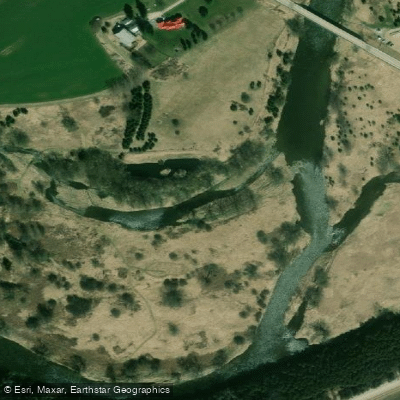
Grand River
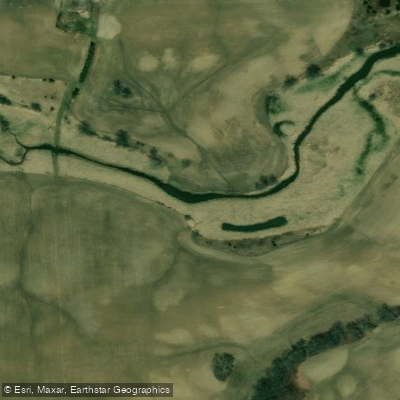
Sixteen Mile Creek
Lac Ontario
Fourteen Mile Creek
Nith River
What to know
Habitat Distribution
- They inhabit many ponds, slow-moving streams and rivers throughout Delaware, preferring weedy waters with abundant vegetation.
Key Locations
- In Delaware's freshwater systems, they can be found in state park waters including Bellevue Pond, Brandywine Creek, Killens Pond, Lums Pond, Trap Pond, and White Clay Creek's Smith Mill Pond.
- In state parks like Trap Pond, Lums Pond, and Killens Pond, focus on weed lines and structure.
Specific Spots
- Target shallow areas with vegetation, fallen trees, docks, and overhanging cover.
Bluegill FAQ
Answers from onWater's species guide.
What are the best lures and bait for Bluegill in Delaware?
For artificial lures, use small spinners, small jigs (1/32 to 1/16 ounce), and tiny crankbaits. Live bait excels, particularly crickets, meal worms, small worms, and small minnows.
What flies work for Bluegill in Delaware?
Fly fishing is highly effective with patterns including small floating poppers (size 8-10 hooks in chartreuse, blue, yellow), Woolly Buggers (size 8-10 in olive or black), foam spiders (black, gray, brown), and Royal Coachman patterns.
When is the best time to fish for Bluegill in Delaware?
Bluegill fishing in Delaware is productive year-round. Spring offers the best action as fish move shallow and feed aggressively before spawning, with consistent fishing continuing through summer when they're active in weedy areas.
How do you catch Bluegill in Delaware?
Live bait fished suspended under a bobber. Practice catch-and-release for larger specimens, especially males during spawning season to maintain healthy populations.
What do Bluegill eat?
Bluegill are opportunistic feeders with small terminal mouths, primarily consuming insects but also eating crayfish, leeches, snails, and small fishes.
Fish smarter with real-time insights
Whether you're en route and conditions shift or you're looking for the best spot based on current flows, we enable you to make informed decisions on the fly.




See it in the app
Most maps show you water.
onWater shows you Bluegill.



- 01 · Species map filter
Map every Bluegill water
Pick Bluegill and the map zeroes in on the waters they call home. No more guessing which lake holds them.
- 02 · Waterbody species
Tap any water. See what lives there.
Species, behavior and seasonal patterns for every lake, river and pond, before you leave the driveway.
- 03 · Angler Intelligence
Ask how to catch Bluegill
Tactics, gear and timing from onWater's AI fishing guide, tuned to the species and the water you're on.
Stop guessing where Bluegill are.
Open the map, filter by Bluegill, and head to water that holds them. Download onWater and plan your next trip in minutes.
- Species map filter
- Angler Intelligence
- Fishing journal
Explore other species
Trout, bass, salmon, panfish and everything in between. Each guide unpacks the behavior, seasons, and tactics that put fish in the net.
No species information available.
Delaware licenses and regulations
Explore nearby waters
Explore Delaware waters
Top fishing waters
Popular Cities
Loading popular cities...

Smarter Fishing Starts in the App.
onWater Fish gives you everything you need to plan smarter, fish better, and own every trip from first cast to last.