Fishing in Cape Breton Highlands National Park
- National Park
- Lakes
- 95
- Rivers
- 58
- Access
- 0
- Boat Ramps
- 0
- Shops
- 0
- Species
- 6
Cape Breton Highlands National Park sits on the northern tip of Cape Breton Island, where a high ancient plateau drops into both the Gulf of St. Lawrence and the Atlantic.
The park's rivers run short and steep off that plateau, cutting through forested canyons before reaching the coast. Most are small streams by any measure — intimate water, tight casting, and native fish that have never been stocked.
Brook trout are the primary target throughout the park. Atlantic salmon move through some of the larger systems as well. The season generally runs April 15 through September 30, with catch and release required during September.
The Aspy River drainage — the North Aspy and Middle Aspy — anchors the fishing on the park's eastern interior. The Clyburn Brook, flowing near Ingonish, is one of the better-known trout streams on that side of the park.
On the western side, the Chéticamp River is the most significant water, large enough to hold salmon and subject to its own permit requirements: fishing the scheduled portion requires a park salmon licence in addition to the standard permit.
Both the Chéticamp River and the Clyburn Brook, along with the Aspy River, are designated fly fishing only.
Smaller streams — Corney Brook, Fishing Cove River, Warren Brook, MacKenzies River, and others — offer backcountry brook trout fishing with the kind of solitude that's increasingly hard to find.
Access to most of these waters runs off the Cabot Trail, which loops through the park. Some streams require a hike to reach fishable water; Fishing Cove River, for instance, sits at the end of a trail rather than a roadside pull-off.
Fishing inside the park requires a National Parks General Fishing Permit and a Park Entry Pass — separate from a provincial licence, and issued under different rules. The salmon licence is an additional requirement for designated salmon waters.
Only barbless or pinched-barb single hooks are legal. Regulations differ meaningfully from provincial waters outside the park boundary; check current rules directly with Parks Canada before you go.
The fish are wild, the streams are small, and the regulations exist because the populations are self-sustaining only under careful management. Fish accordingly.
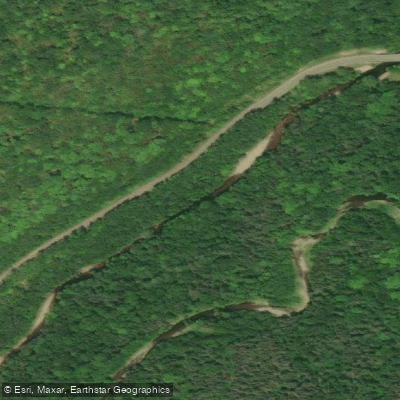
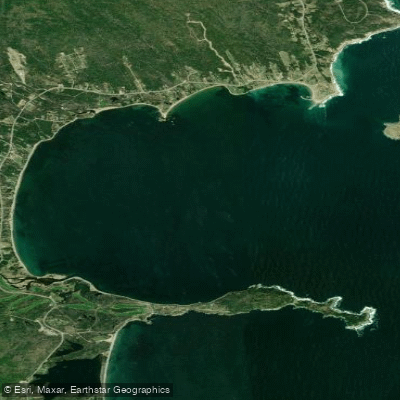
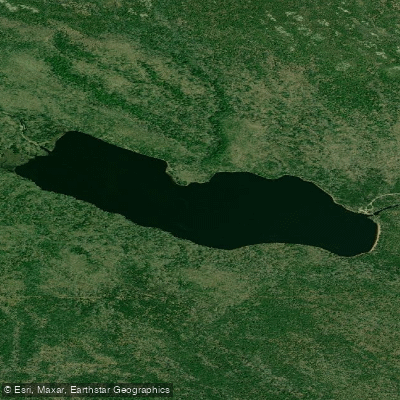
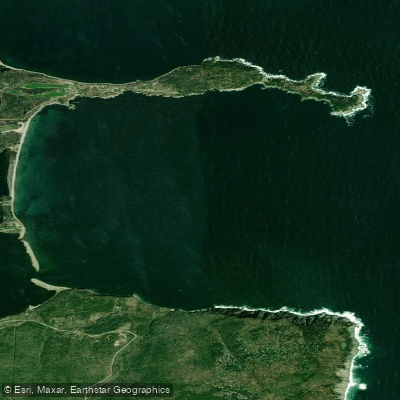
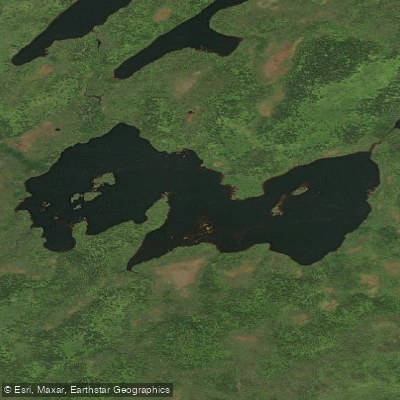
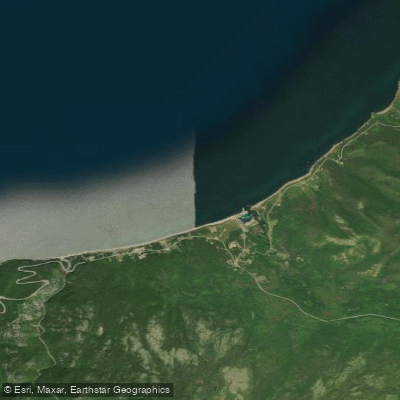
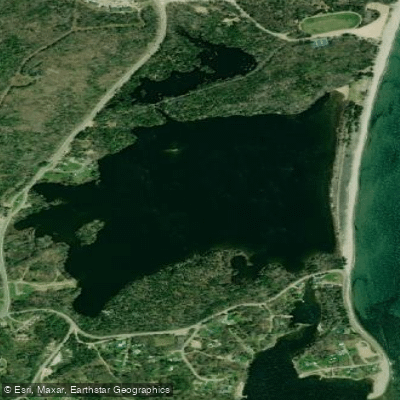
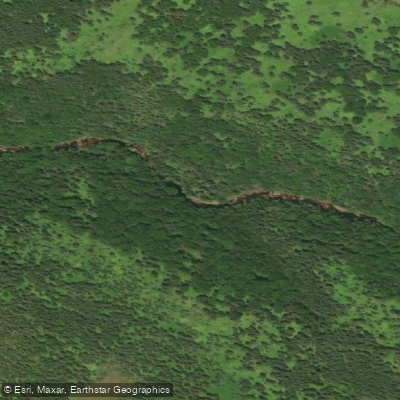
Top waters to fish near Cape Breton Highlands National Park
Species & education
Learn what type of fish are in Cape Breton Highlands National Park and what's needed to catch them.
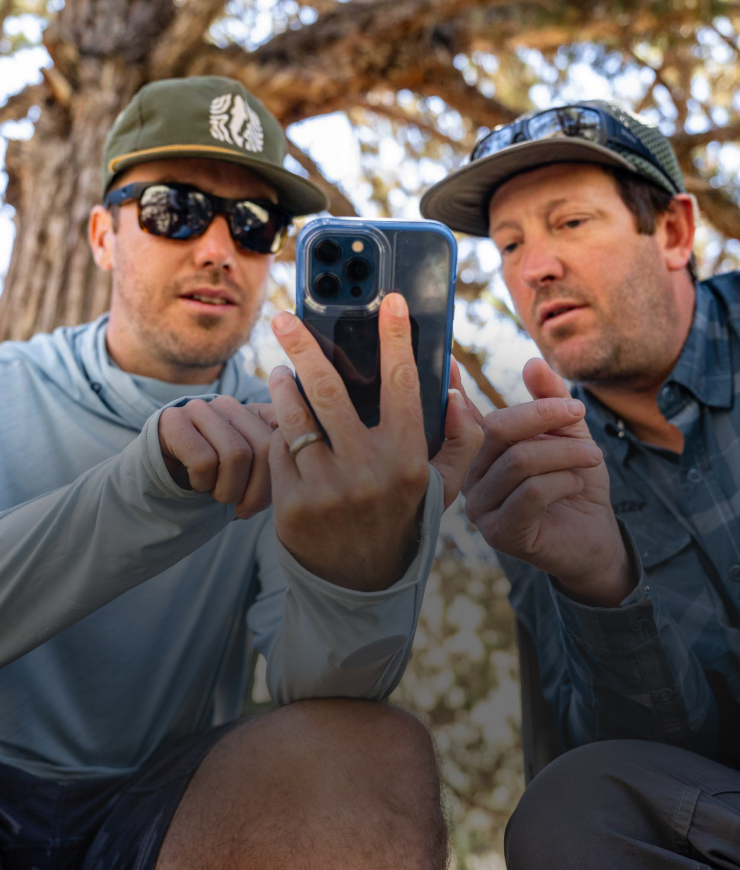
Find which waters have the species you want to catch

Atlantic Salmon
Salmo salar

Atlantic Herring
Clupea harengus
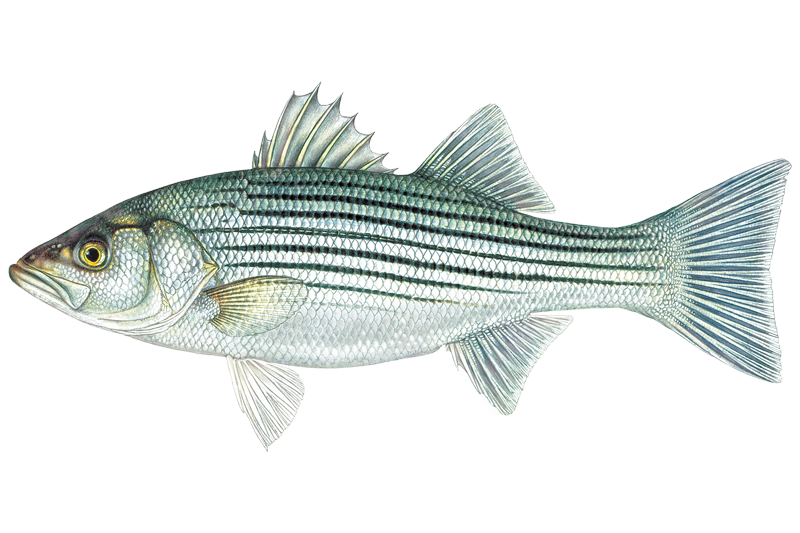
Striped Bass
Morone saxatilis

Haddock
Melanogrammus aeglefinus

Rainbow Smelt
Osmerus mordax

Brook Trout
Salvelinus fontinalis
Water and weather conditions (10 day forecast)
See the best times to fish Cape Breton Highlands National Park and check the forecast before you go.
No forecast data available.
Fish smarter with real-time insights
Whether you're en route and conditions shift or you're looking for the best spot based on current flows, we enable you to make informed decisions on the fly.




Fishing near Cape Breton Highlands National Park
Loading...
Gateway towns
Where to base yourself for fishing in Cape Breton Highlands National Park.
- ChéticampNova Scotia
Western park entrance town with lodging, outfitters, and the main visitor services on the Cabot Trail.
- IngonishNova Scotia
Eastern park entrance community with lodging, beaches, and direct access to trails including the Skyline area.
- BaddeckNova Scotia
Main hub town on Cape Breton Island where visitors stock up and orient before driving the Cabot Trail into the park.
Explore Cape Breton Highlands National Park
Top fishing waters
Popular Cities
Loading popular cities...

Smarter Fishing Starts in the App.
onWater Fish gives you everything you need to plan smarter, fish better, and own every trip from first cast to last.