Fishing near Wheeling, WV
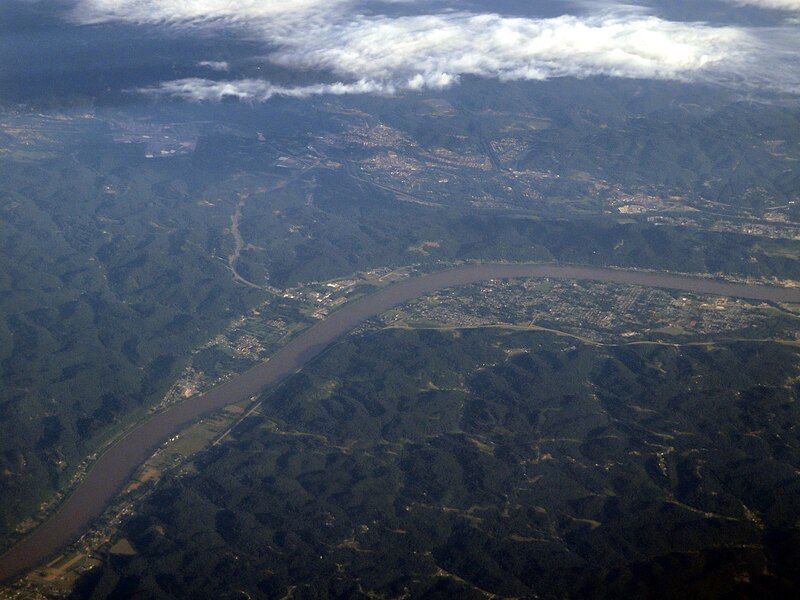
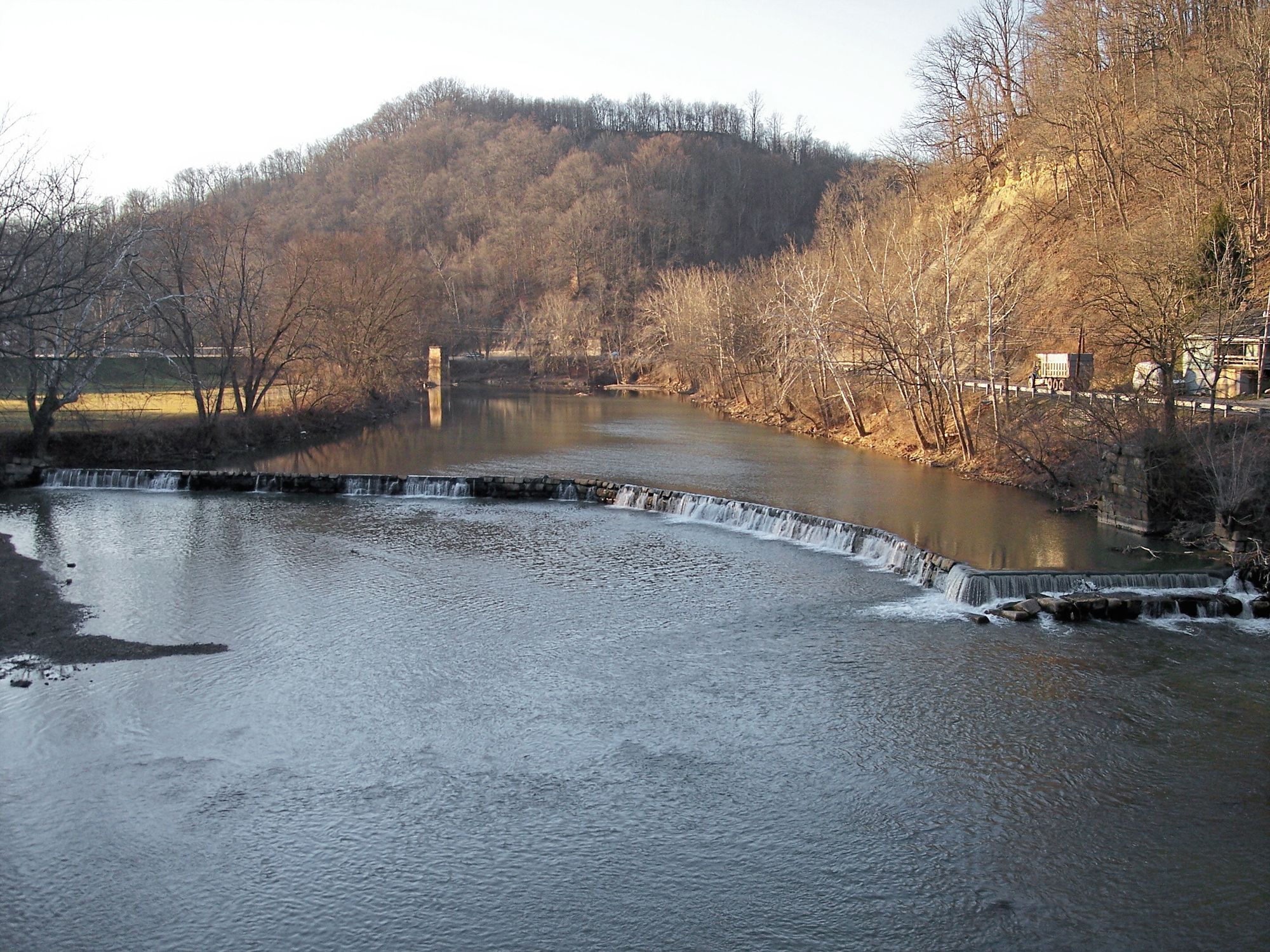
Sitting in Ohio County along the West Virginia Northern Panhandle, Wheeling centers its fishing on the Ohio River — described by WVDNR District 1 biologist David Wellman Jr. as the largest, most accessible water body in the area, and considered by many to hold more fish species than any other U.S. waterway. The Pike Island Pool and tailwater anchor a multi-species scene, while Wheeling Creek threads downtown with stocked trout and warmwater fish.
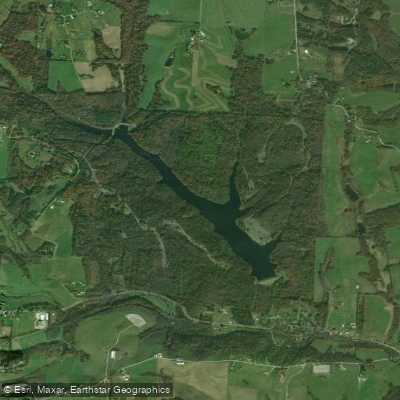
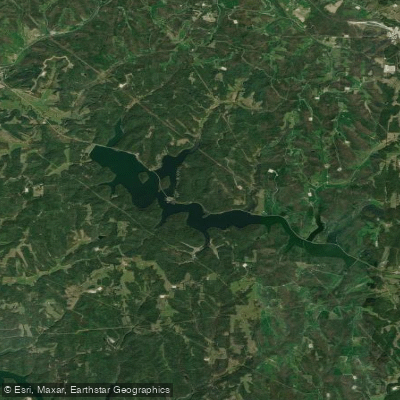
Top waters to fish near Wheeling
Species & education
Learn what type of fish are in Wheeling, West Virginia and what's needed to catch them.

Find which waters have the species you want to catch
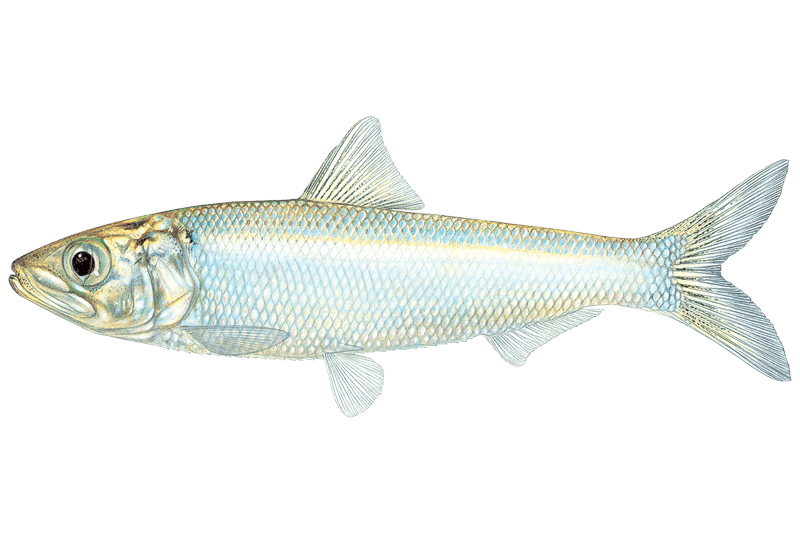
Alabama Shad
Alosa alabamae

Alewife
Alosa pseudoharengus
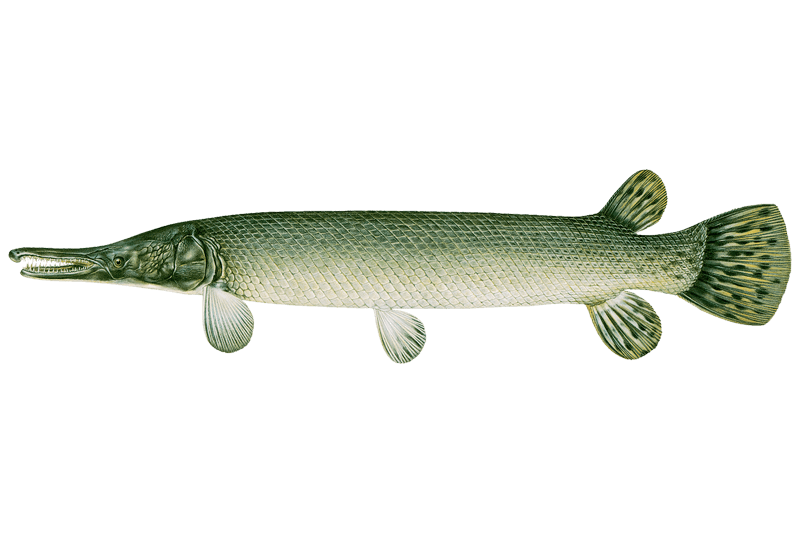
Alligator Gar
Atractosteus spatula

American Eel
Anguilla rostrata

American Paddlefish
Polyodon spathula

American Shad
Alosa sapidissima

Bighead Carp
Hypophthalmichthys nobilis

Bigmouth Buffalo
Ictiobus cyprinellus

Black Buffalo
Ictiobus niger

Black Bullhead
Ameiurus melas

Black Crappie
Pomoxis nigromaculatus

Blue Catfish
Ictalurus furcatus
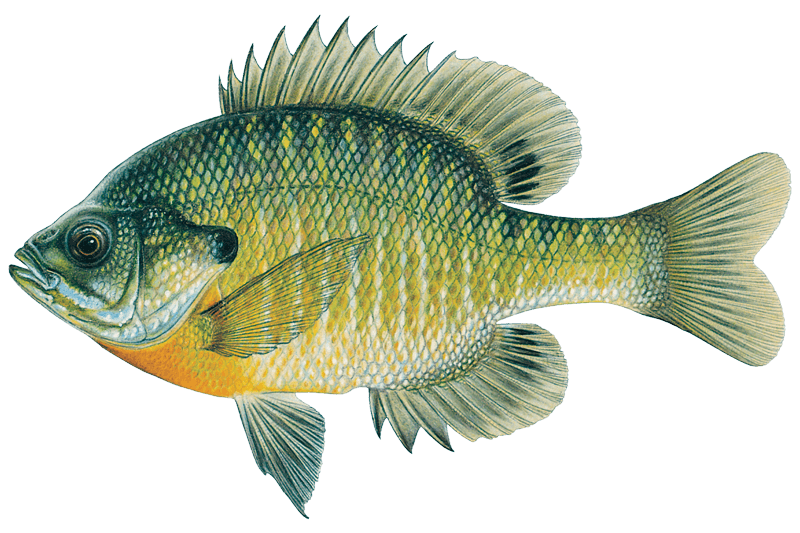
Bluegill
Lepomis macrochirus
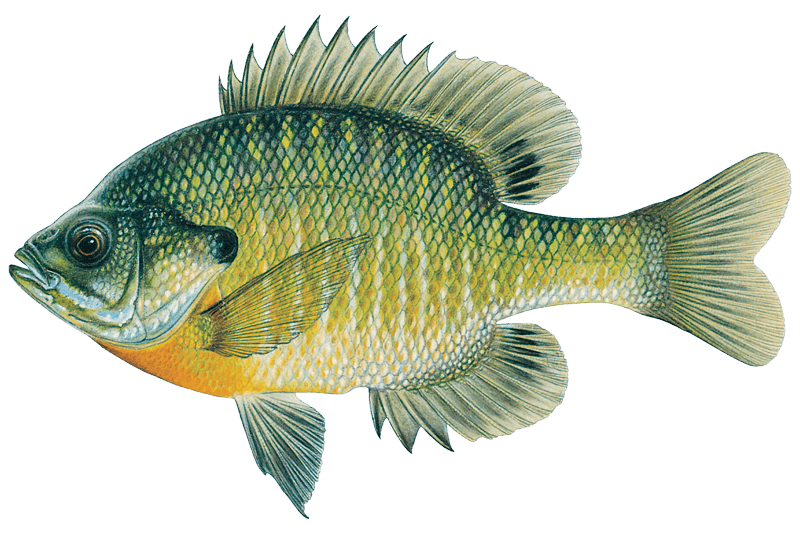
Bluegill Sunfish
Lepomis macrochirus

Blue Sucker
Cycleptus elongatus
Fishing guides near Wheeling
Book a trip with a local fishing guide through Guidesly.


Fish smarter with real-time insights
Whether you're en route and conditions shift or you're looking for the best spot based on current flows, we enable you to make informed decisions on the fly.







West Virginia licenses and regulations

West Virginia Boating Regulations
When using any type of watercraft to access a body of water, it is important to follow all federal, state, and local rules and regulations. These rules and regulations include boat permitting and licensing, invasive species inspections and stamps, life jacket and PFD rules, motor size and horsepower restrictions, noise limitations, restrictions on personal watercraft, and many more. Visit the web link below for the most current rules and regulations for this body of water.

West Virginia Fishing License
All anglers who are at the age of 15 and older are required to have a fishing license and a valid form of identification such as a State Issued ID or Driver's License while fishing.

West Virginia Fishing Regulations
This river has a variety of species and regulations, including potential floating and/or watercraft restrictions. Because this river is specially managed for species, seasons, angling methods, and watercraft, it is strongly encouraged you check all federal, state, and local regulations before fishing. Visit any of the links below, inquire locally, or contact a local fly shop to learn current regulations and restrictions.

West Virginia Stream Access Laws
On navigable waters, the public may use the streambed up to the high water mark. On floatable waters, the public may float through private land but cannot legally use the streambed. Public rights on non-navigable waters are not well defined, but are likely none.

Smarter Fishing Starts in the App.
onWater Fish gives you everything you need to plan smarter, fish better, and own every trip from first cast to last.