Cayou Channel
- Saltwater
- Channel
- Saltwater
- Channel
- Sq. miles
- 1.9
- Boat Ramps
- 0
- Access Points
- 3
- Species
- 4
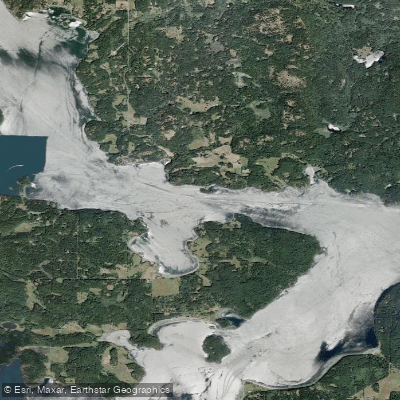
Cayou Channel is a two-mile long, half-mile wide saltwater passage located in the heart of the San Juan Islands, separating the south end of Orcas Island from the north end of Shaw Island. It lies within the Salish Sea and is a major transit corridor for Washington State Ferries, commercial vessels, and recreational boat traffic. The channel was recently renamed to honor Henry Cayou, a highly successful Coast Salish commercial fisherman, maritime leader, and the only Indigenous person to serve on the San Juan County Board of County Commissioners. This is a working waterway with a rich fishing heritage, offering anglers a mix of inshore and nearshore saltwater opportunities amidst significant boat traffic.
Species & education
Learn what type of fish are at Cayou Channel and what's needed to catch them.

Find which waters have the species you want to catch
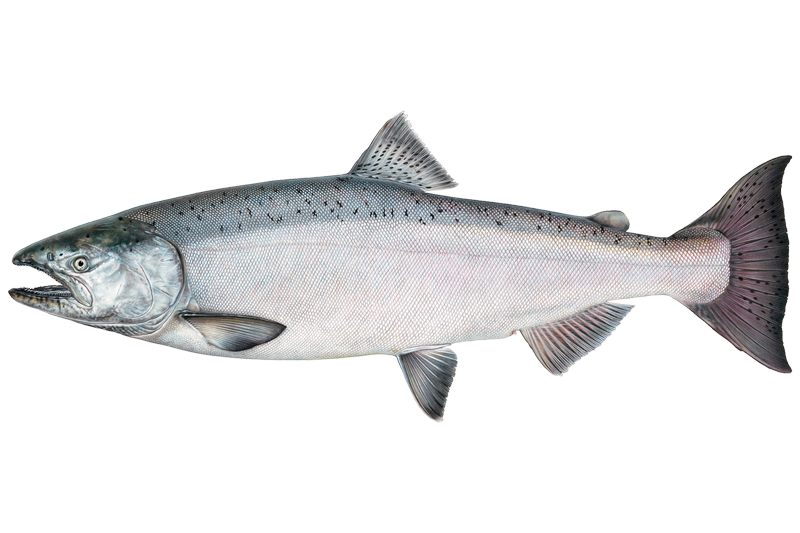
Chinook Salmon
Oncorhynchus tshawytscha
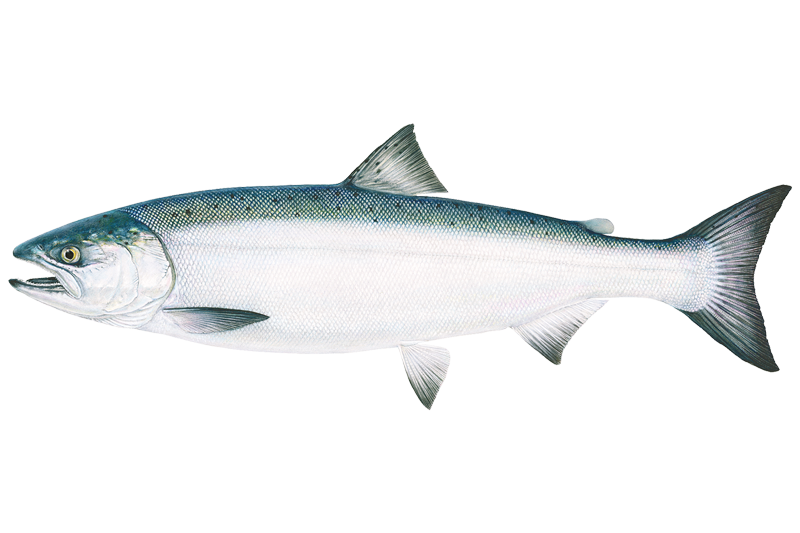
Coho Salmon
Oncorhynchus kisutch

Copper Rockfish
Sebastes caurinus

Lingcod
Ophiodon elongatus
Fishing spots, boat ramps & amenities
Learn how to get on Cayou Channel. Uncover great fishing access points, boat ramps, and all the facilities you need for an unforgettable day on the water. Some locations shown may border or include private property. Always check property boundaries and applicable regulations before visiting. onWater's Public & Private Land layer can help you plan your access with confidence.
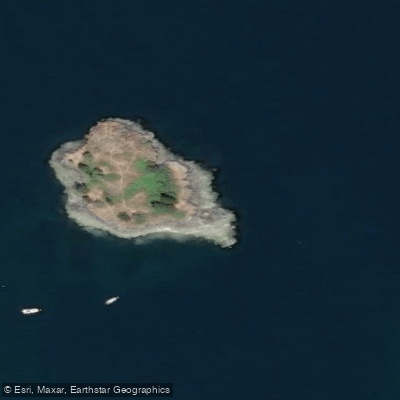
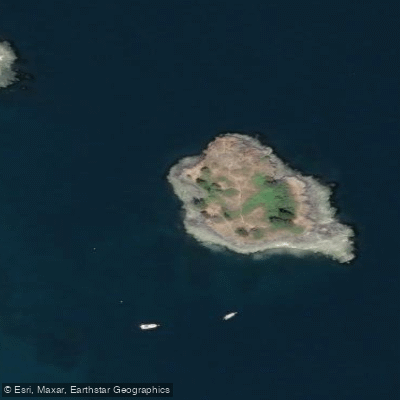
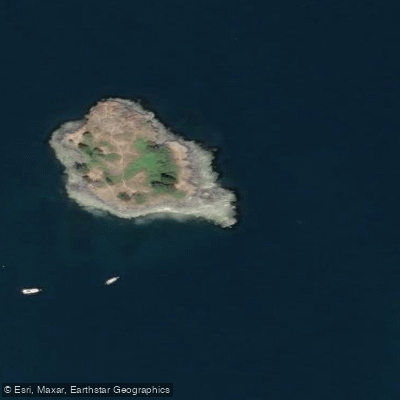
Know where you can legally fish on Cayou Channel
See public and private land boundaries along the water, turn on private parcels with owner details to know where permission is required, and find land-trust parcels that offer permitted fishing access.
Washington licenses and regulations

Washington Boating Regulations
When using any type of watercraft to access a body of water, it is important to follow all federal, state, and local rules and regulations. These rules and regulations include boat permitting and licensing, invasive species inspections and stamps, life jacket and PFD rules, motor size and horsepower restrictions, noise limitations, restrictions on personal watercraft, and many more. Visit the web link below for the most current rules and regulations for this body of water.

Washington Coastal & Inland Waters
Washington separates saltwater from freshwater for licensing purposes, and a saltwater license is valid in marine areas while a freshwater license covers inland waters only. A combination license covers both, and some tidal and boundary waters have specific rules about which license applies. Marine area rules and definitions, including area-by-area breakdowns, are maintained by the Washington Department of Fish and Wildlife.

Washington Federal Waters & Offshore Rules
Beyond state waters, federal rules apply and are managed by NOAA Fisheries in partnership with the Pacific Fishery Management Council, which oversees species such as groundfish and highly migratory fish in federal waters extending to 200 nautical miles offshore. Permit and reporting requirements vary by species and fishing type in those federal waters. NOAA Fisheries maintains current rules, permit information, and regional resources for anglers fishing beyond state jurisdiction.

Washington Saltwater Fishing License
Anyone age 16 or older needs a fishing license to fish or harvest shellfish in Washington saltwater, issued by the Washington Department of Fish and Wildlife. A dedicated saltwater license covers ocean and marine fishing, while a combination license adds freshwater and shellfish privileges. Anglers targeting salmon, steelhead, sturgeon, halibut, or Puget Sound Dungeness crab must also carry a catch record card regardless of age.

Washington Saltwater Size & Bag Limits
Size and bag limits apply per species and are updated regularly by the Washington Department of Fish and Wildlife. Key saltwater species including salmon, halibut, bottomfish, and Dungeness crab each carry their own rules, and some fisheries close mid-season when quotas are reached. The current regulations pamphlet and any emergency rule changes are kept on the WDFW fishing regulations page.

Washington Shellfish Closures & Advisories
Harvesting oysters, clams, mussels, and crab recreationally in Washington requires a shellfish and seaweed license or a combination license from the Washington Department of Fish and Wildlife, and Puget Sound Dungeness crab also requires an additional endorsement. Beaches close regularly due to biotoxins, paralytic shellfish poisoning, and pollution, and both WDFW season status and Washington State Department of Health approval must be open before harvest is legal or safe. Current beach-by-beach closures and health advisories are posted on the WDFW shellfish beaches page.
Take Cayou Channel with you
The onWater Fish app keeps this water's access points, species and conditions in your pocket, with the tools you use once you're there.
Use the map without signal
Download the map around Cayou Channel to use it offline when coverage drops.
Log your catches here
Keep a private fishing journal for Cayou Channel to find where and when fish are biting for you.
Get the onWater Fish app
Free on iOS and Android
Tides, wind & water conditions (10 day forecast)
On open water, wind and tide matter as much as the weather. See the best times to fish Cayou Channel and check the marine forecast before you launch.
Loading tide predictions…
Fishing near Cayou Channel
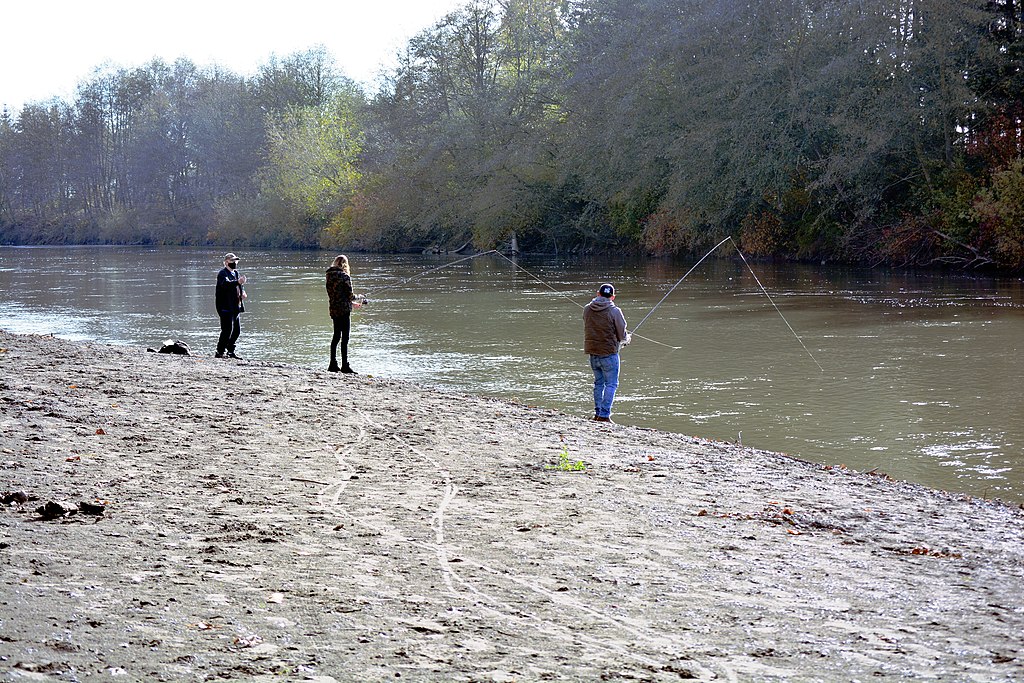
Nooksack River
Bellingham Bay
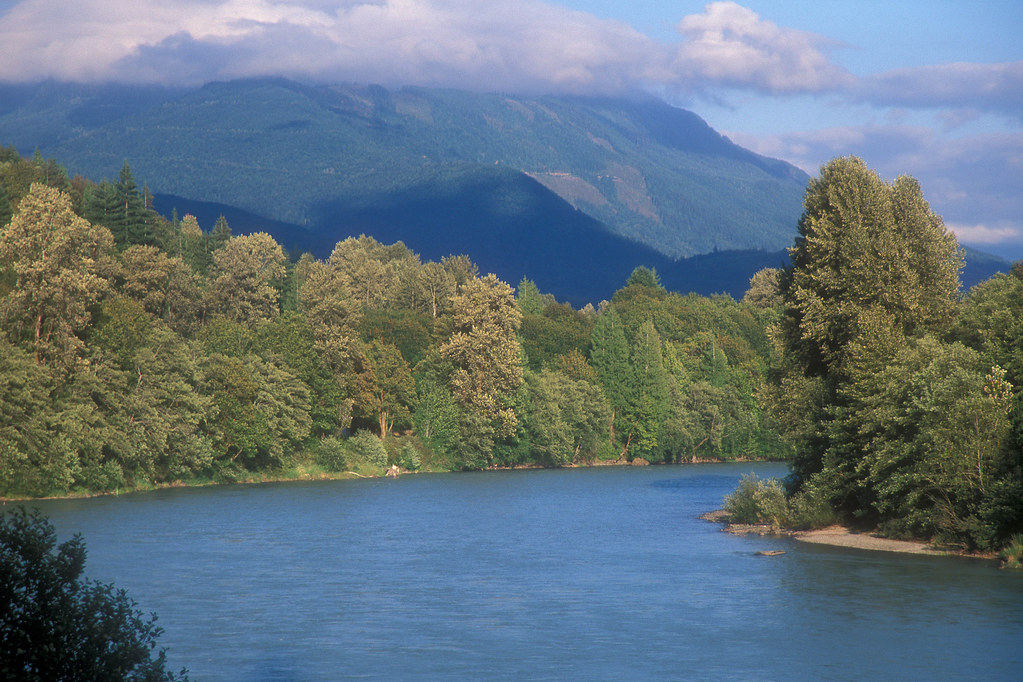
Skagit River
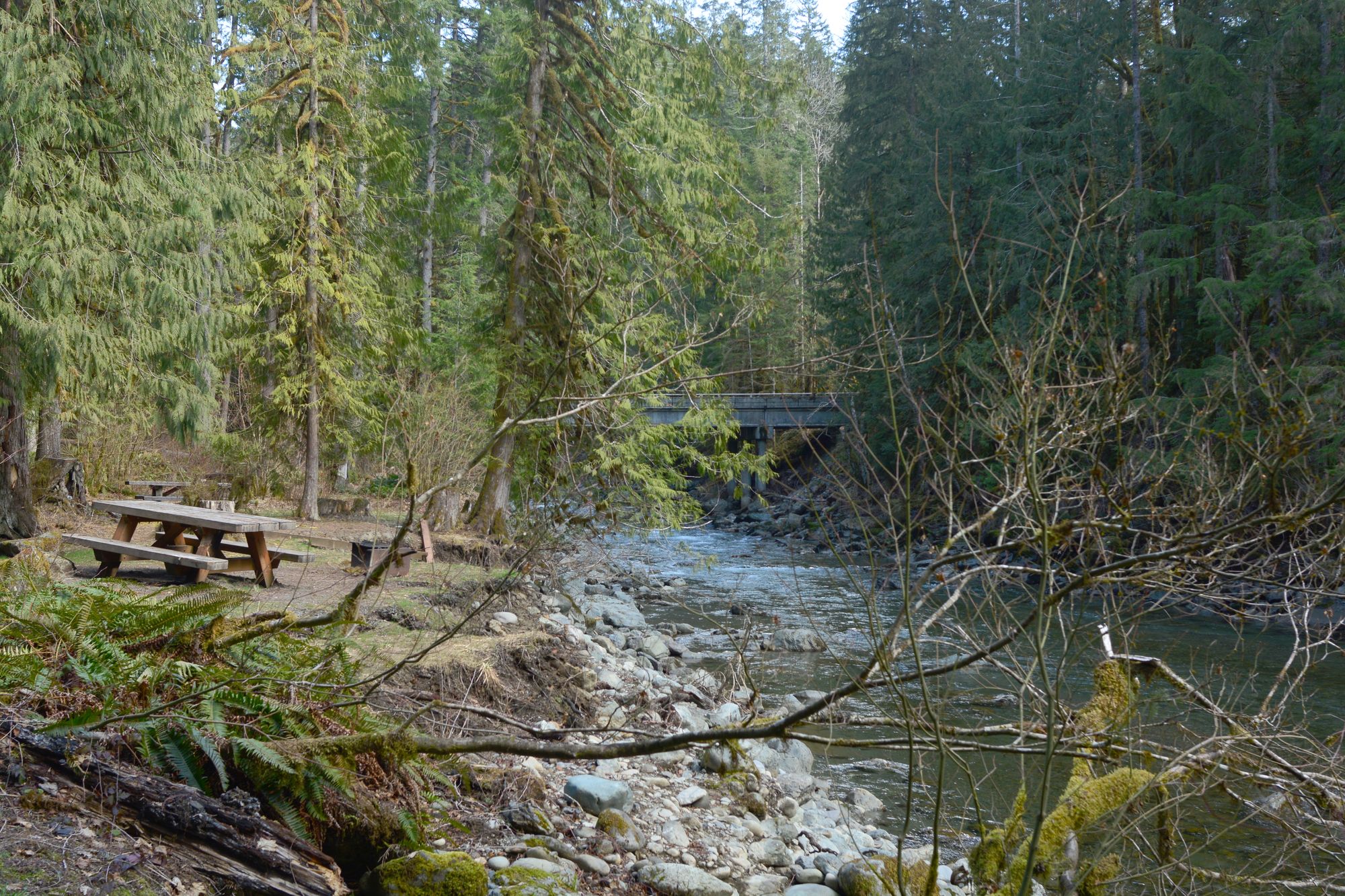
North Fork Nooksack River
Strait of Georgia
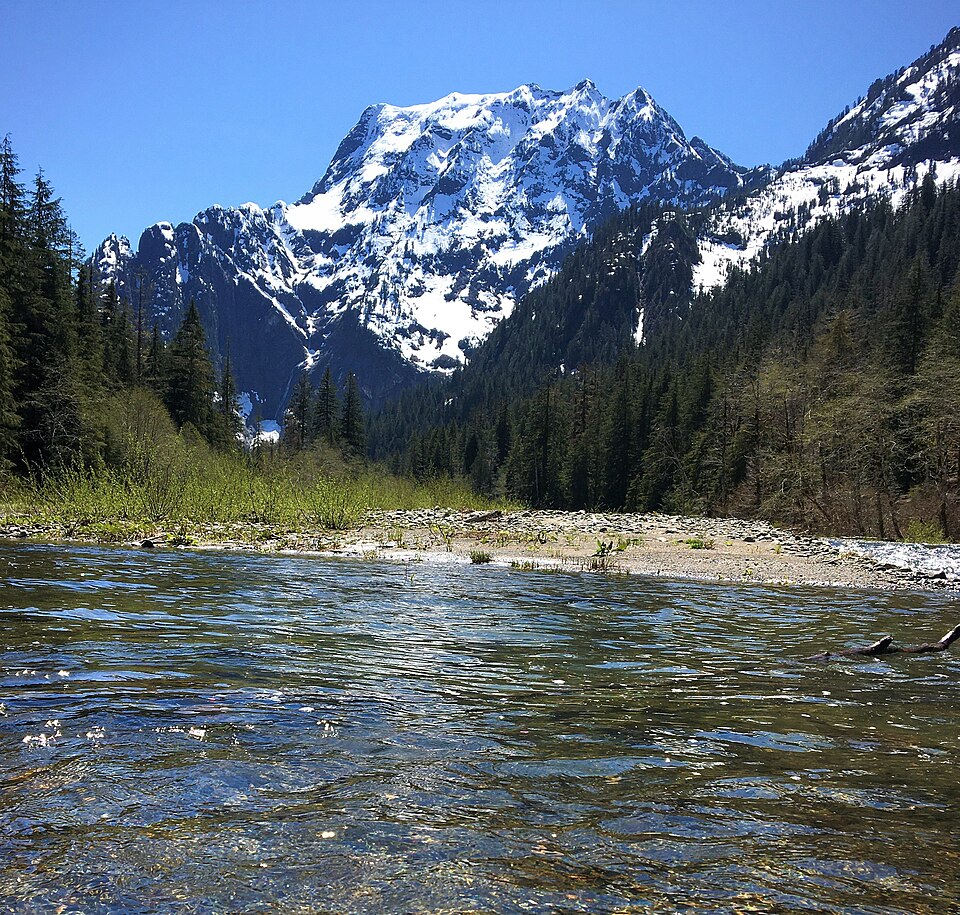
Stillaguamish River
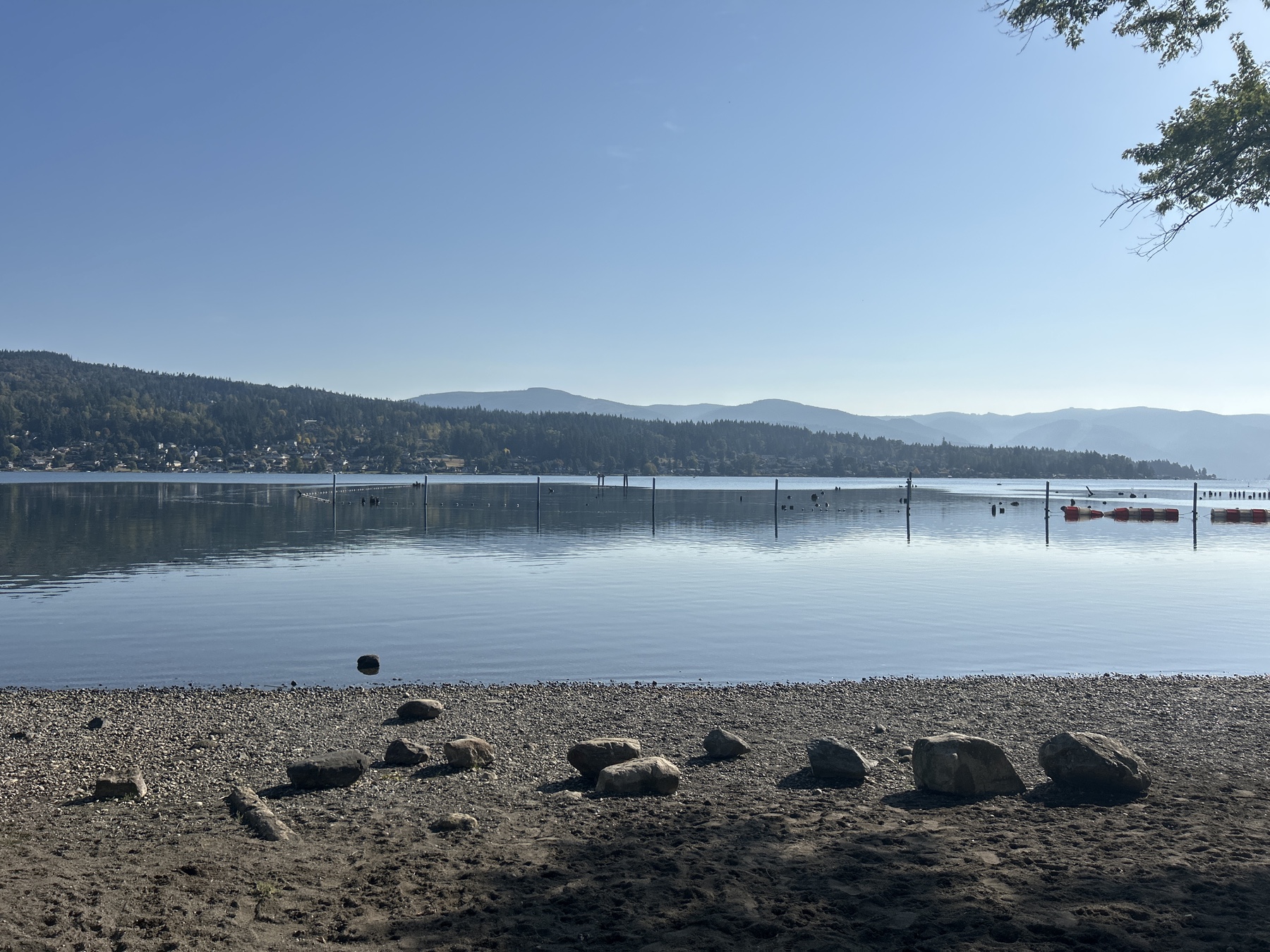
Lake Whatcom
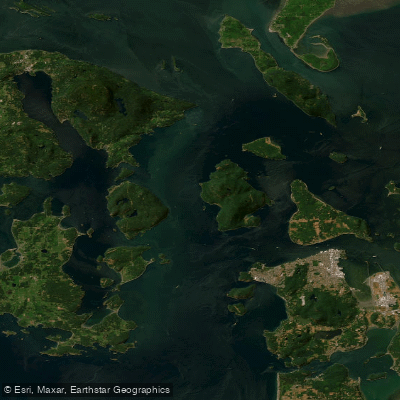
Rosario Strait
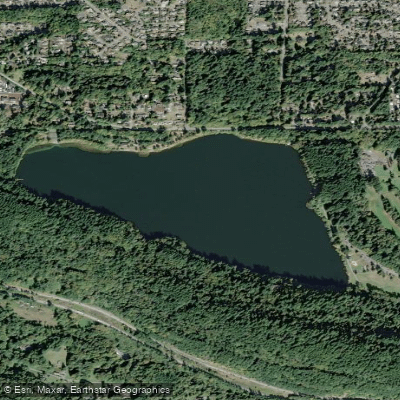
Lake Padden
Explore Washington waters
Explore near Cayou Channel
Fish species
Fishing spots
- Blind Island Water Access 3
- Blind Island Water Access 1
- Blind Island Water Access 2
- Buck Bay Bridge
- Cascadia Marine Trail Campground For Human Powered Boaters
- Shaw County Park / Cascadia Marine Trail Campground
- Odlin County Park Campground (cmt)
- Canoe Island French Campground
- Spencer Spit Campground
- Turn Island Campground
- Jones Island South Campground
- Jones Island North Campground
- All 16 spots
Nearby waters
More in Washington
Smarter Fishing Starts in the App.
onWater Fish gives you everything you need to plan smarter, fish better, and own every trip from first cast to last.