Fishing near Mission, TX
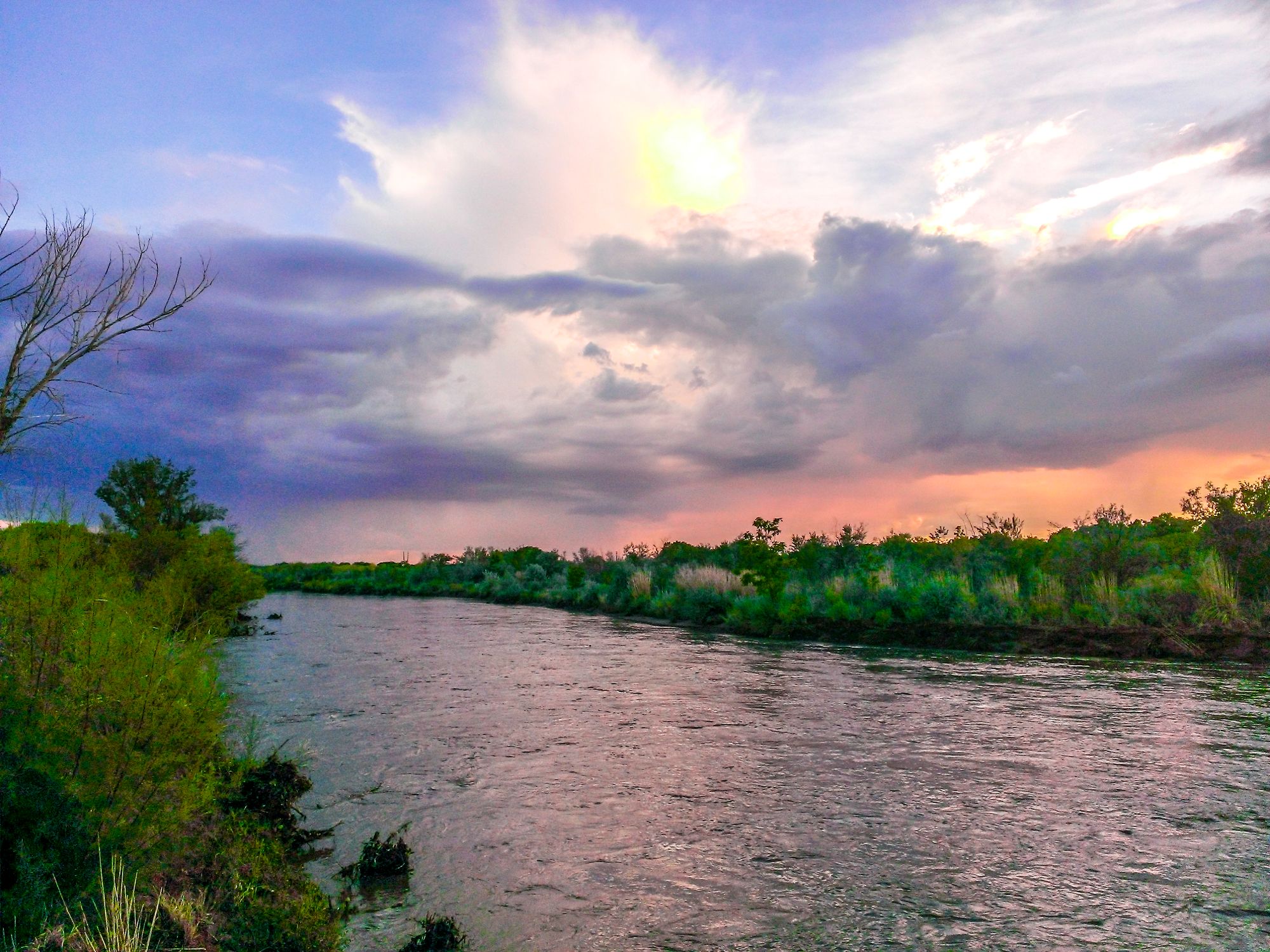
Sitting on the southern edge of Hidalgo County, Mission hugs the Rio Grande, which carries at least 86 freshwater species through its lower reach. The river is one of the few places to target the native Rio Grande cichlid, and within an easy drive sit Lake Edinburg, the Arroyo Colorado, and the world-class bass and catfish water of Falcon International Reservoir.
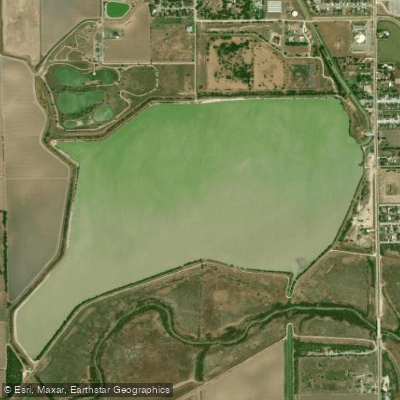
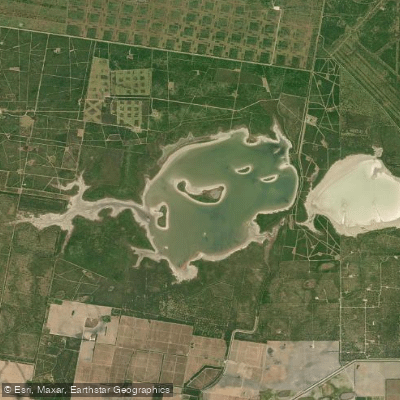
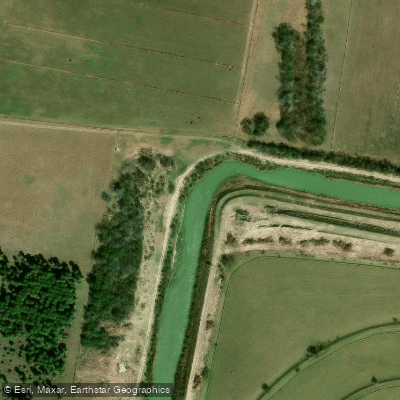
Species & education
Learn what type of fish are in Mission, Texas and what's needed to catch them.

Find which waters have the species you want to catch
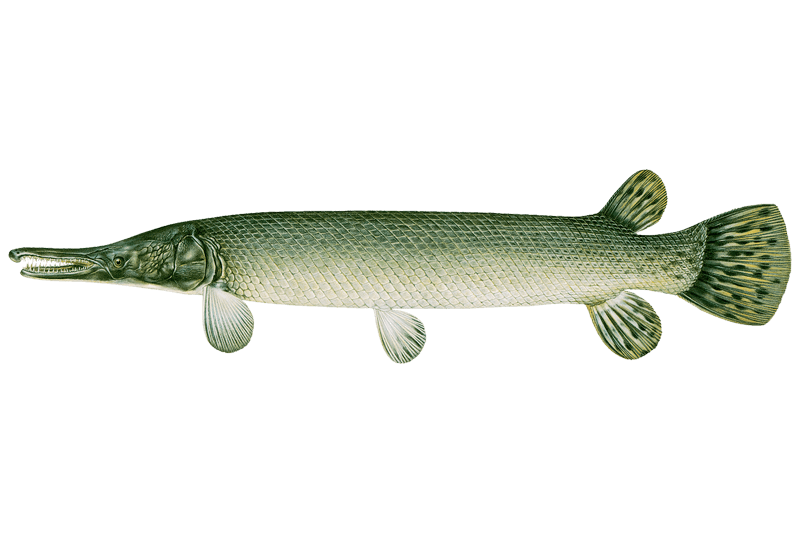
Alligator Gar
Atractosteus spatula

Black Buffalo
Ictiobus niger

Black Bullhead
Ameiurus melas

Black Crappie
Pomoxis nigromaculatus

Blue Catfish
Ictalurus furcatus
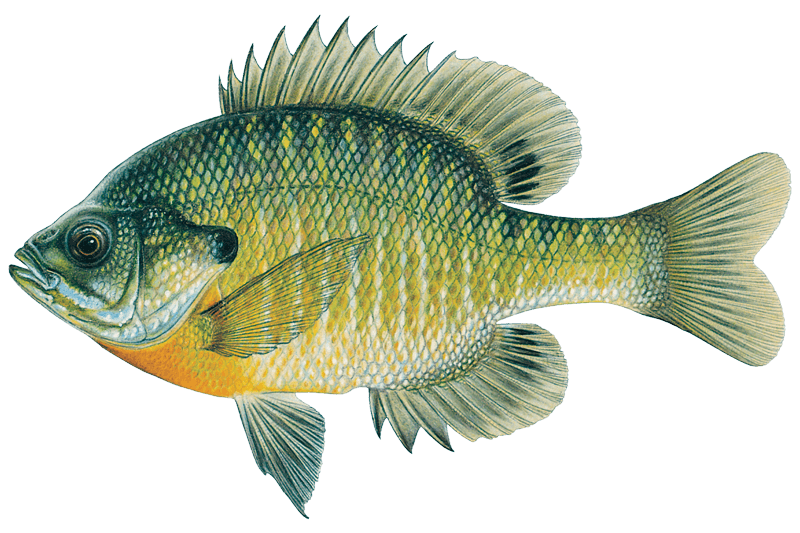
Bluegill
Lepomis macrochirus
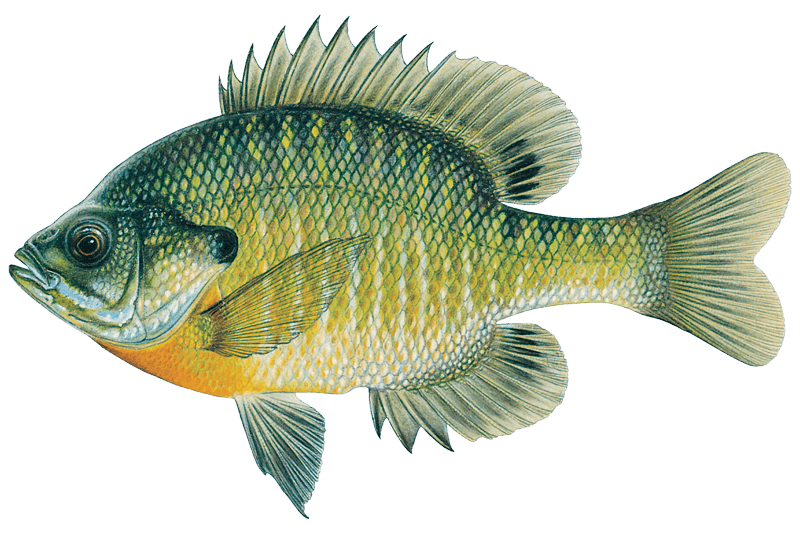
Bluegill Sunfish
Lepomis macrochirus

Blue Sucker
Cycleptus elongatus

Brook Trout
Salvelinus fontinalis

Brown Trout
Salmo trutta

Channel Catfish
Ictalurus punctatus

Common Carp
Cyprinus carpio

Cutthroat Trout
Oncorhynchus clarkii

Flathead Catfish
Pylodictis olivaris

Flathead Chub
Platygobio gracilis
Fish smarter with real-time insights
Whether you're en route and conditions shift or you're looking for the best spot based on current flows, we enable you to make informed decisions on the fly.







Texas licenses and regulations

Lake Meredith Regulations
Texas Parks & Wildlife

Texas Boating Regulations
When using any type of watercraft to access a body of water, it is important to follow all federal, state, and local rules and regulations. These rules and regulations include boat permitting and licensing, invasive species inspections and stamps, life jacket and PFD rules, motor size and horsepower restrictions, noise limitations, restrictions on personal watercraft, and many more. Visit the web link below for the most current rules and regulations for this body of water.

Texas Fishing License
All residents and visitors over the age of 17 require a Texas fishing license to reel in fish, mussels, clams, and crayfish across the state. In addition, you’ll need specific tags or endorsements based on the size of the catch and its location.

Texas Fishing Regulations
This river has a variety of species and regulations, including potential floating and/or watercraft restrictions. Because this river is specially managed for species, seasons, angling methods, and watercraft, it is strongly encouraged you check all federal, state, and local regulations before fishing. Visit any of the links below, inquire locally, or contact a local fly shop to learn current regulations and restrictions.

Texas Stream Access Laws
Access must usually be obtained through the use of public property. The typical access may be from the right of way of a public road that crosses the stream, through a publicly owned boat launch area, or from some other public land (a park, for example) adjacent to the stream. There is no general right to cross private property to get to a navigable stream. There are a number of privately owned parks or campgrounds where members of the public may have access to a navigable stream by paying a small fee to the landowner. If the private landowner forbids access, an attempt to use the private land would be a trespass. Texas courts have recognized that a member of the public may engage in a variety of lawful activities along a navigable stream. Besides boating, persons may swim, float, walk, wade, picnic, camp, and (with a license) fish. Public use must be confined to the stream bed and, to a limited extent, the banks. State law prohibits parking on a highway bridge and generally forbids (with certain exceptions) parking in the main traveled part of a highway. Within a public road’s right of way, private fencing that restricts public passage to the stream is illegal.

Smarter Fishing Starts in the App.
onWater Fish gives you everything you need to plan smarter, fish better, and own every trip from first cast to last.