White Crappie
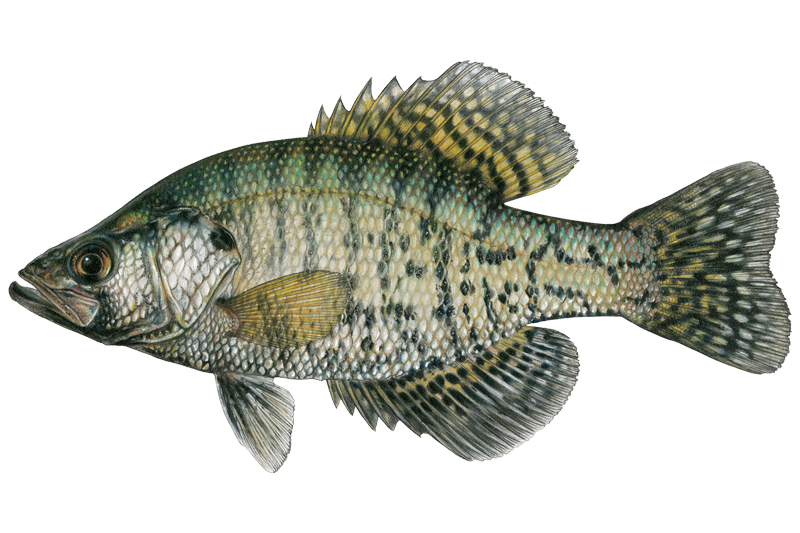
White crappie are non-native freshwater fish introduced to Washington in the 1890s, now established in lakes and reservoirs across the state.
These compressed, silvery fish are opportunistic feeders and schooling fish that congregate around underwater structures.
Scientific Name: Pomoxis annularis
- These compressed, silvery fish have 5-6 dorsal fin spines and distinctive dark vertical bars along their sides, distinguishing them from black crappie which have 7-8 spines.
- They typically average 7-9 inches but can reach 9-15 inches in quality populations.
Fishing in Washington
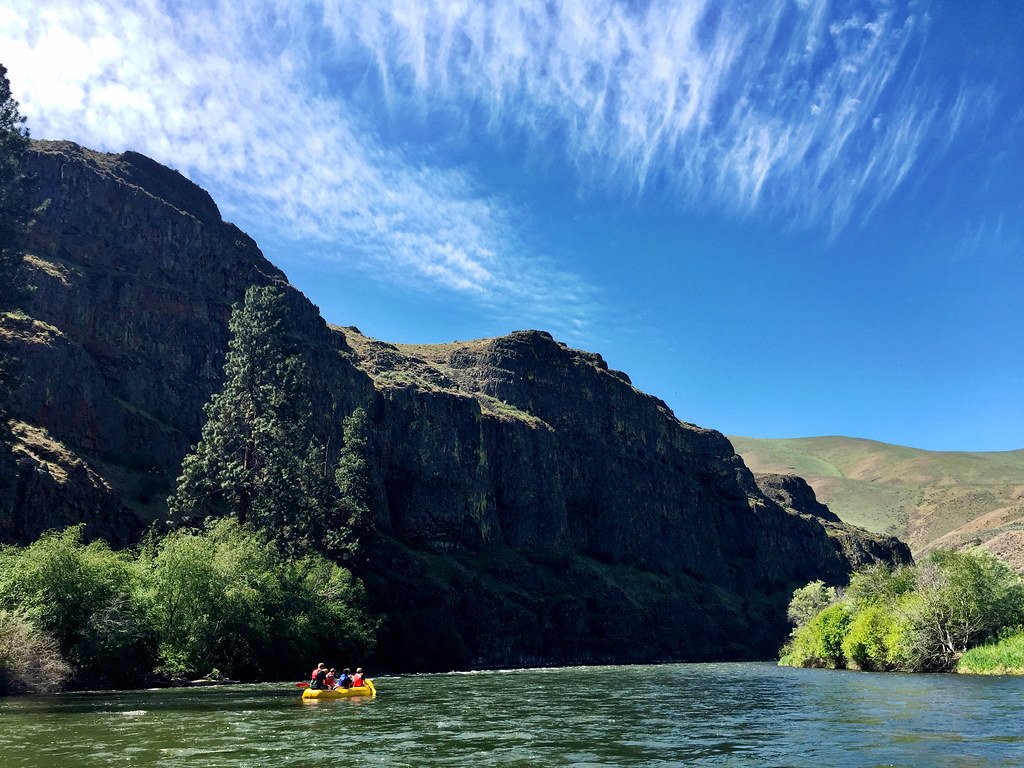
Yakima River
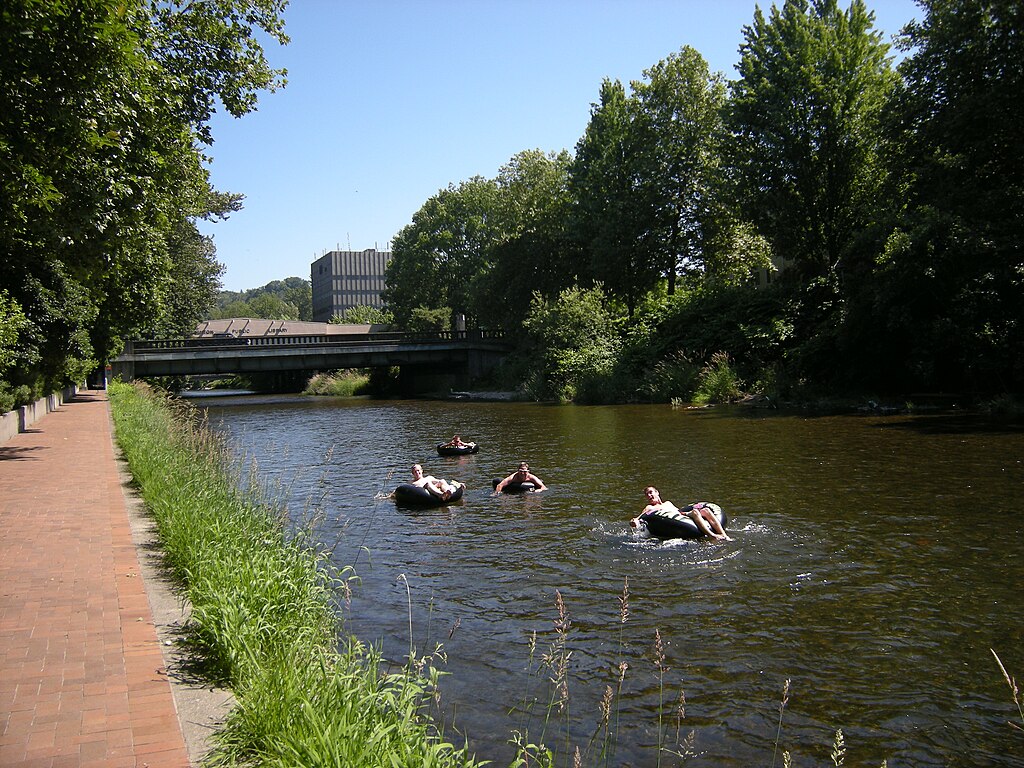
Cedar River
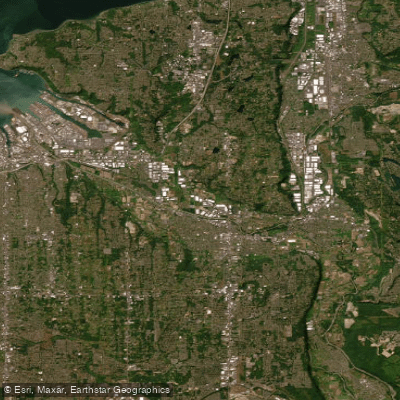
Puyallup River
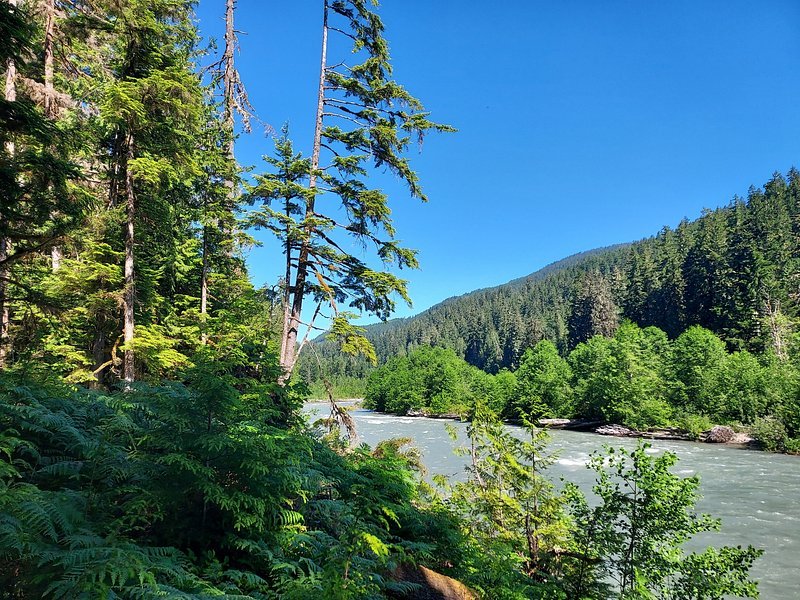
Snoqualmie River
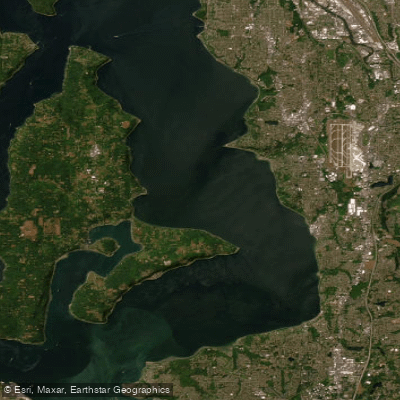
East Passage
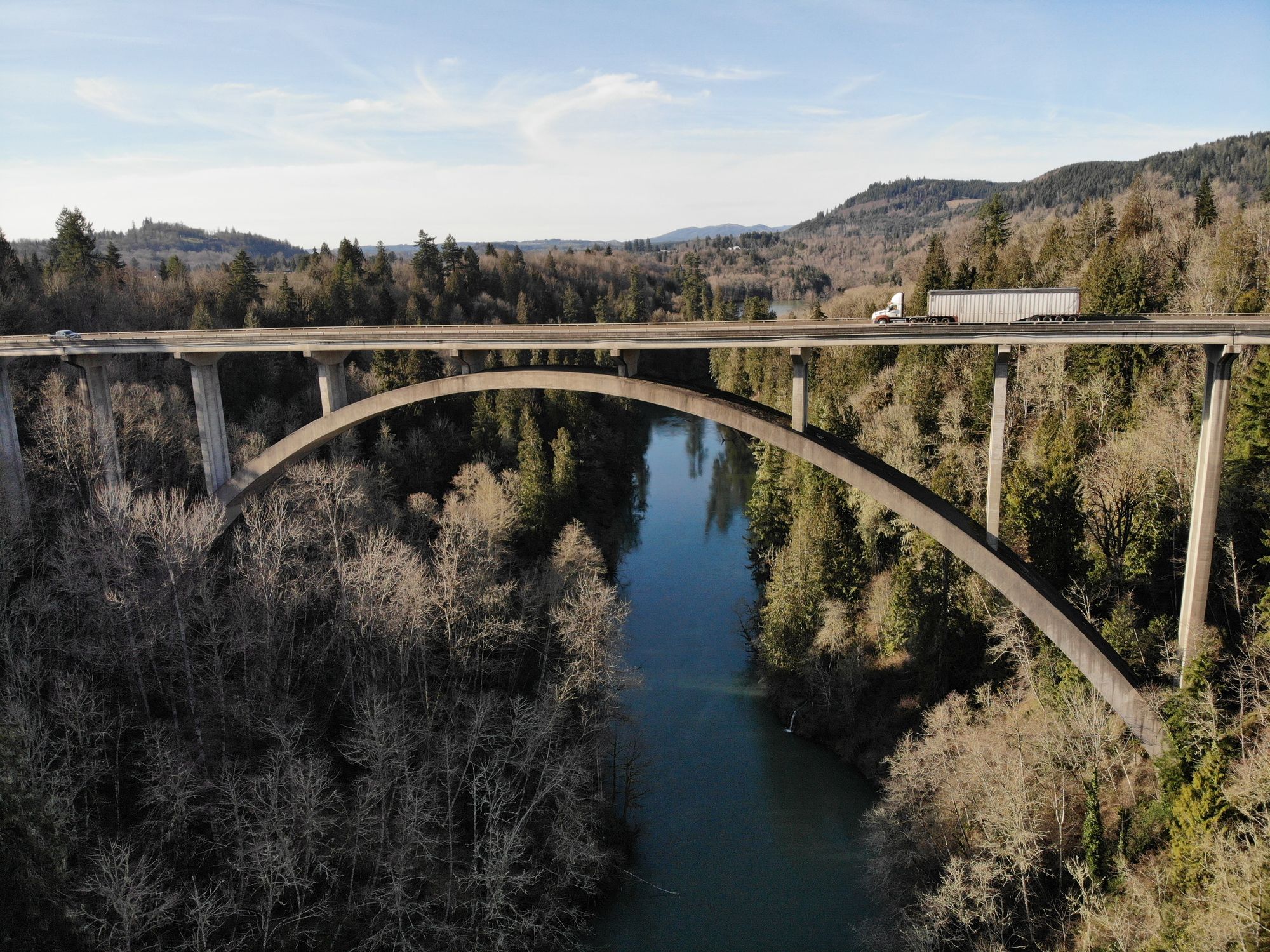
Cowlitz River
Naches River
Commencement Bay
Cle Elum River
What to know
Habitat Distribution
- They inhabit sand and mud-bottomed pools, backwaters, and lake areas with structure like submerged timber, brush piles, docks, and vegetation.
Key Locations
- Key Washington waters include Silver Lake (Cowlitz County), Moses Lake, Lake Washington, Potholes Reservoir, Eloika Lake, Newman Lake, Sacheen Lake, and Alder Lake.
- Successful locations include the channels and shallow areas around Treehouse Island at Silver Lake, Parker Horn and Pelican Horn at Moses Lake, the southern end of Lake Washington near the Cedar River inlet, and marina areas throughout Washington's crappie lakes.
Specific Spots
- Target structure-rich areas including submerged timber, brush piles, boat docks, marina slips, fallen trees, weed edges, and rocky points.
White Crappie FAQ
Answers from onWater's species guide.
What are the best lures and bait for White Crappie in Washington?
Small plastic tube jigs and curly-tailed grubs in bright colors (white, hot pink, chartreuse) are most productive, along with small leadhead jigs tipped with soft plastics.
When is the best time to fish for White Crappie in Washington?
White crappie fishing in Washington peaks during spring (April-May) and fall (September-October) when they're most active and accessible in shallower waters. Spring offers excellent action as fish move shallow before spawning, while fall provides strong feeding activity as they prepare for winter.
How do you catch White Crappie in Washington?
Vertical jigging around docks and structure is highly effective - start shallow and work deeper until you locate suspended fish. Fan casting with bobbers at varying depths (2-4 feet below float initially) helps locate the depth fish are holding.
What do White Crappie eat?
White crappie are opportunistic feeders with a diet consisting primarily of small fish like minnows, aquatic insects (including mayflies, chironomids, and chaoborids), zooplankton, and crustaceans. Adults feed most actively from June through October, with moderate feeding in spring and reduced activity in winter.
Where do White Crappie live in Washington?
They inhabit sand and mud-bottomed pools, backwaters, and lake areas with structure like submerged timber, brush piles, docks, and vegetation.
Fish smarter with real-time insights
Whether you're en route and conditions shift or you're looking for the best spot based on current flows, we enable you to make informed decisions on the fly.




See it in the app
Most maps show you water.
onWater shows you White Crappie.



- 01 · Species map filter
Map every White Crappie water
Pick White Crappie and the map zeroes in on the waters they call home. No more guessing which lake holds them.
- 02 · Waterbody species
Tap any water. See what lives there.
Species, behavior and seasonal patterns for every lake, river and pond, before you leave the driveway.
- 03 · Angler Intelligence
Ask how to catch White Crappie
Tactics, gear and timing from onWater's AI fishing guide, tuned to the species and the water you're on.
Stop guessing where White Crappie are.
Open the map, filter by White Crappie, and head to water that holds them. Download onWater and plan your next trip in minutes.
- Species map filter
- Angler Intelligence
- Fishing journal
Explore other species
Trout, bass, salmon, panfish and everything in between. Each guide unpacks the behavior, seasons, and tactics that put fish in the net.
No species information available.
Washington licenses and regulations
Explore nearby waters
Explore Washington waters
Top fishing waters
Popular Cities
Loading popular cities...

Smarter Fishing Starts in the App.
onWater Fish gives you everything you need to plan smarter, fish better, and own every trip from first cast to last.