Spotted Bass

Spotted Bass (Micropterus punctulatus) have limited presence in Washington state waters. According to U. S.
Fish and Wildlife Service records, non-indigenous occurrences were reported in Washington in 1987 in the Pacific Northwest Region, with the population listed as established.
However, the search results indicate that spotted bass are not widely distributed throughout Washington and their presence appears to be limited.
Scientific Name: Micropterus punctulatus
These fish are characterized by rows of dark spots below the lateral line, connected dorsal fins, and an upper jaw that doesn't extend past the eye.
Fishing in Washington
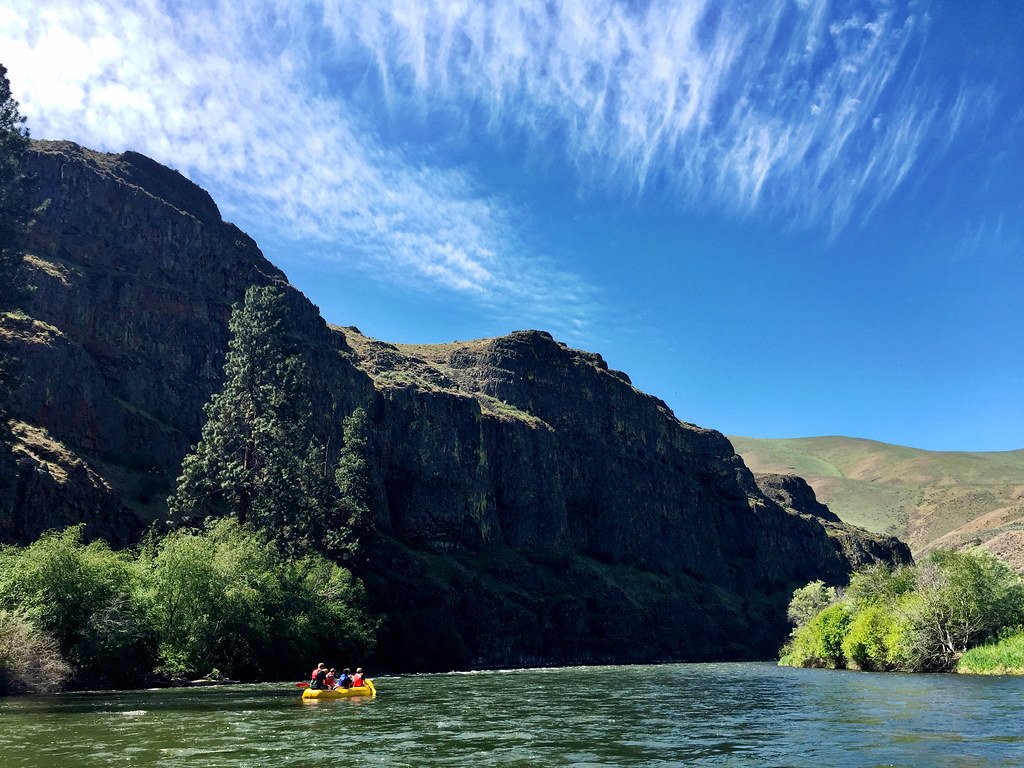
Yakima River
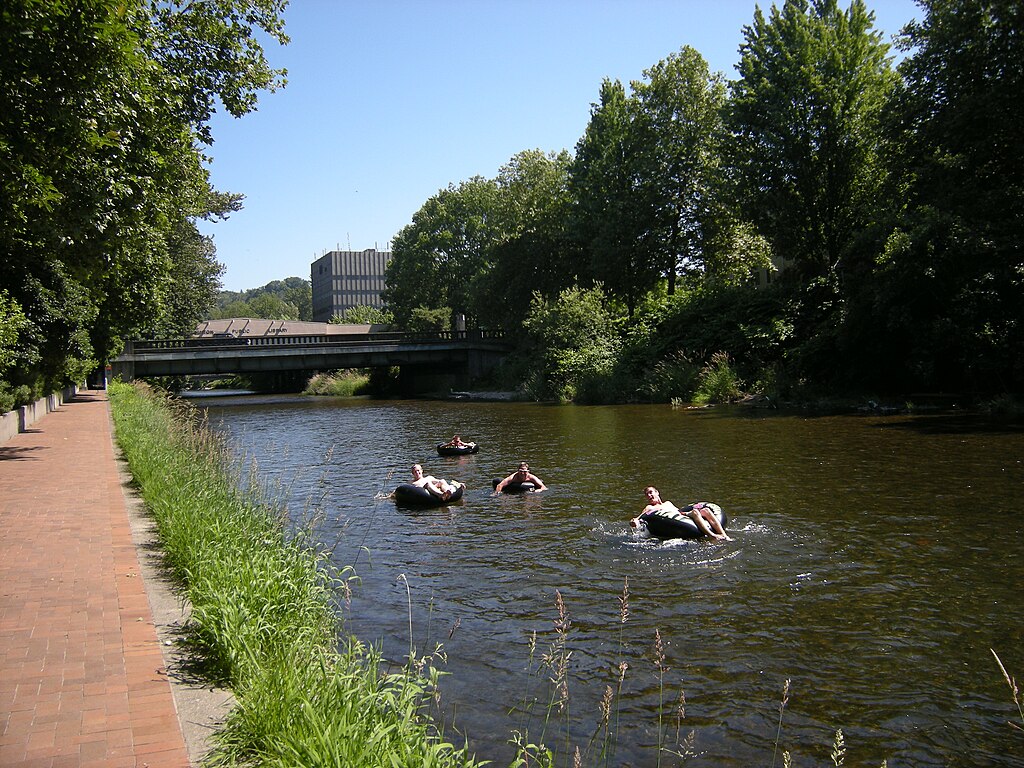
Cedar River
Puyallup River
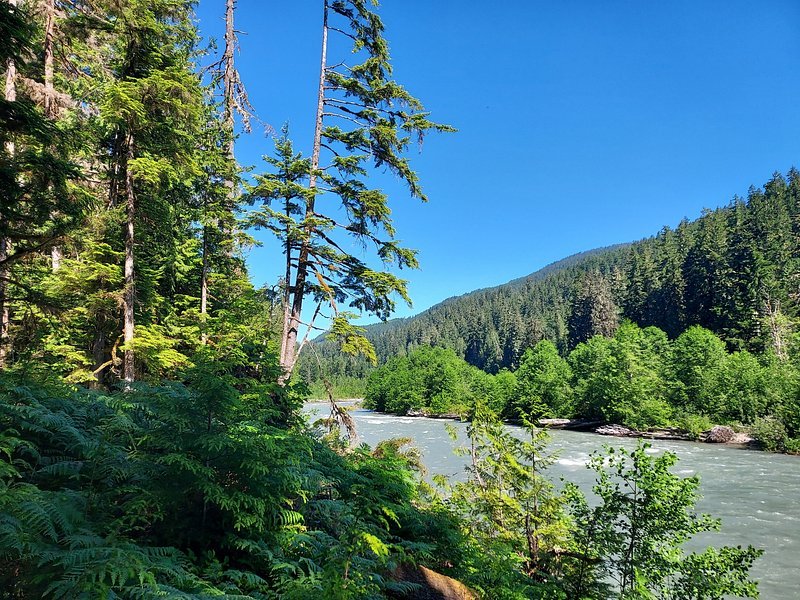
Snoqualmie River
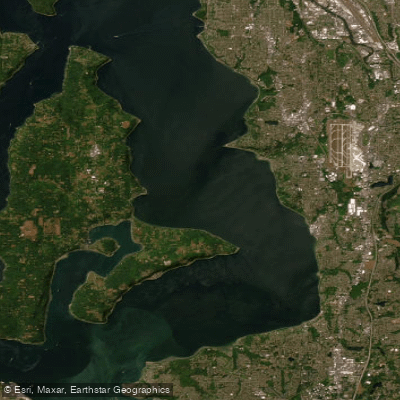
East Passage
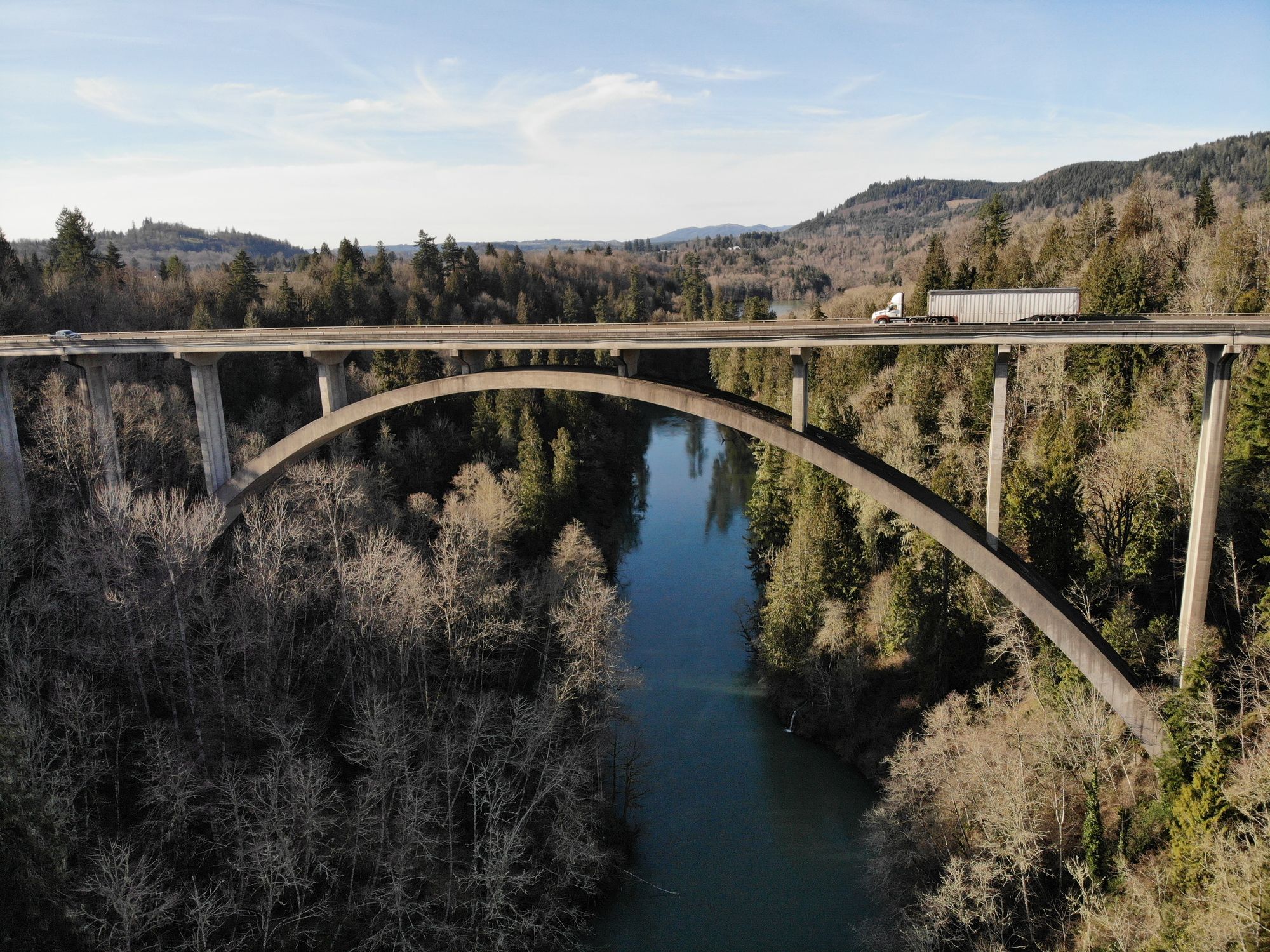
Cowlitz River
Naches River
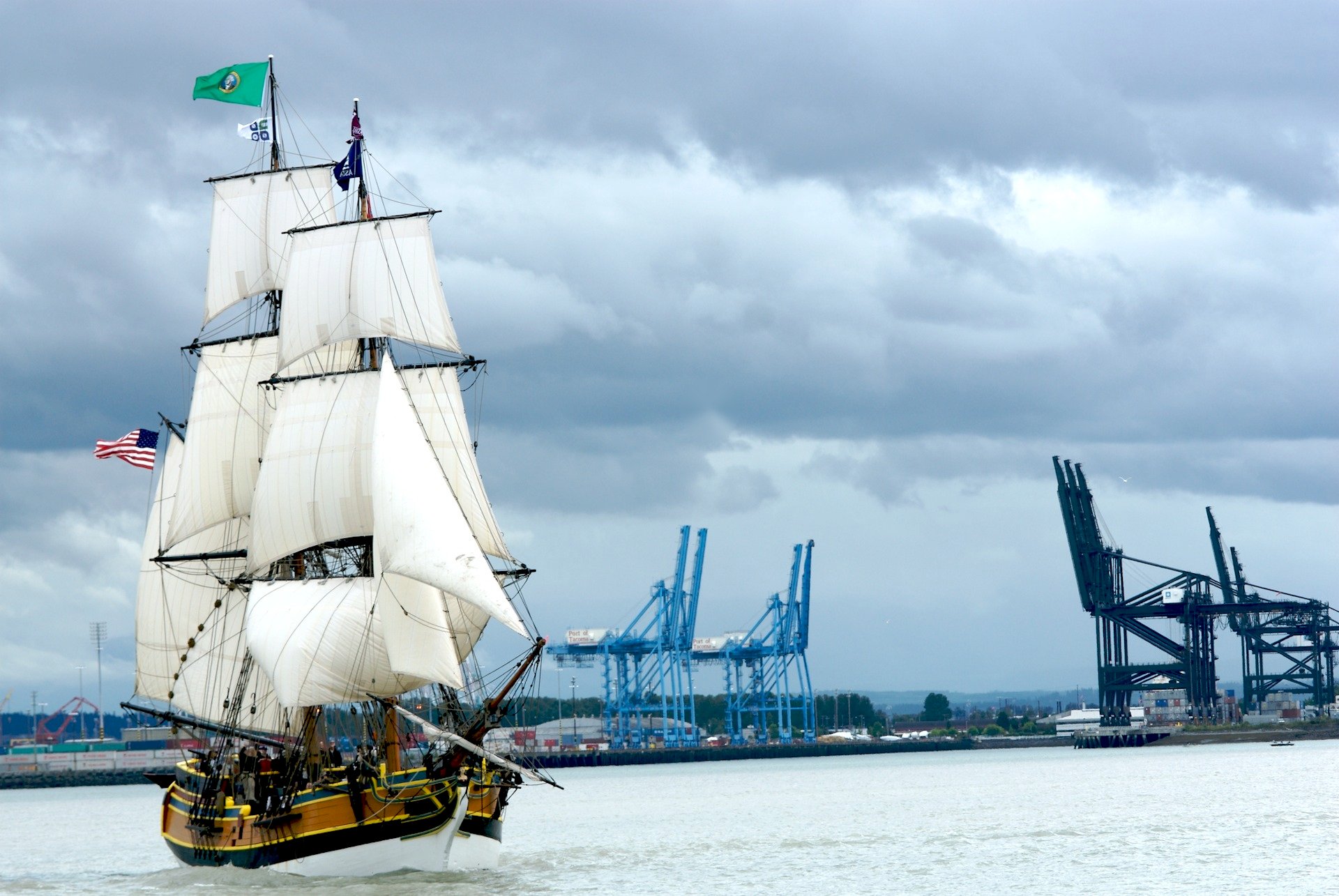
Commencement Bay
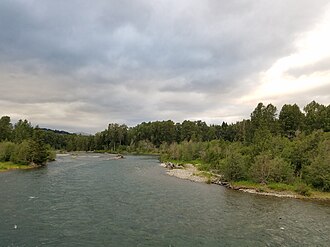
Cle Elum River
What to know
Habitat Distribution
They typically prefer clearer, less productive waters than largemouth bass but warmer, more turbid waters than smallmouth bass.Specific Spots
Since spotted bass prefer areas with current and rocky or gravel bottoms, target points, channel swings, and areas with moving water. They tend to hold in deeper water than largemouth bass but shallower than smallmouth bass, typically in the 10-25 foot range around structure. Focus on rocky banks, points extending into deeper water, and areas where streams or channels meet the main lake.Spotted Bass FAQ
Answers from onWater's species guide.
What are the best lures and bait for Spotted Bass in Washington?
During cooler months, effective lures include jigs tipped with crayfish-colored trailers, particularly in brown, orange, and natural crayfish patterns. Small crankbaits in crawfish colors work well for covering water, while soft plastic craws on Texas rigs are productive when fishing around rocky structure.
When is the best time to fish for Spotted Bass in Washington?
The best fishing periods are spring (April-May before spawning begins) and fall (September-October) when fish are most active and feeding heavily.
How do you catch Spotted Bass in Washington?
Texas rigs are productive when fishing around rocky structure. Work the area thoroughly when you find one fish as there are likely more nearby since spotted bass often school more than largemouth bass.
What do Spotted Bass eat?
Spotted bass are opportunistic carnivores, feeding on crayfish, small fish, insects, and aquatic invertebrates. Young spotted bass start with zooplankton and microcrustaceans before transitioning to insects, then to fish and crayfish at 50-100mm total length.
Where do Spotted Bass live in Washington?
They typically prefer clearer, less productive waters than largemouth bass but warmer, more turbid waters than smallmouth bass.
Fish smarter with real-time insights
Whether you're en route and conditions shift or you're looking for the best spot based on current flows, we enable you to make informed decisions on the fly.




See it in the app
Most maps show you water.
onWater shows you Spotted Bass.



- 01 · Species map filter
Map every Spotted Bass water
Pick Spotted Bass and the map zeroes in on the waters they call home. No more guessing which lake holds them.
- 02 · Waterbody species
Tap any water. See what lives there.
Species, behavior and seasonal patterns for every lake, river and pond, before you leave the driveway.
- 03 · Angler Intelligence
Ask how to catch Spotted Bass
Tactics, gear and timing from onWater's AI fishing guide, tuned to the species and the water you're on.
Stop guessing where Spotted Bass are.
Open the map, filter by Spotted Bass, and head to water that holds them. Download onWater and plan your next trip in minutes.
- Species map filter
- Angler Intelligence
- Fishing journal
Explore other species
Trout, bass, salmon, panfish and everything in between. Each guide unpacks the behavior, seasons, and tactics that put fish in the net.
No species information available.
Washington licenses and regulations
Explore nearby waters
Explore Washington waters
Top fishing waters
Popular Cities
Loading popular cities...

Smarter Fishing Starts in the App.
onWater Fish gives you everything you need to plan smarter, fish better, and own every trip from first cast to last.