Kokanee

Kokanee are the non-anadromous form of sockeye salmon that spend their entire lives in freshwater. These landlocked salmon are open water feeders that primarily consume plankton.
Scientific Name: Oncorhynchus nerka
In Washington, they average 9-12 inches but can grow up to 20 inches in quality populations, with some Lake Roosevelt specimens reaching 3-5 pounds. They have blue backs, silver sides, and lack the distinct dark spots found on other salmon and trout.
During spawning periods, males develop humped backs and hooked jaws while both sexes turn bright red with green heads.
Fishing in Washington
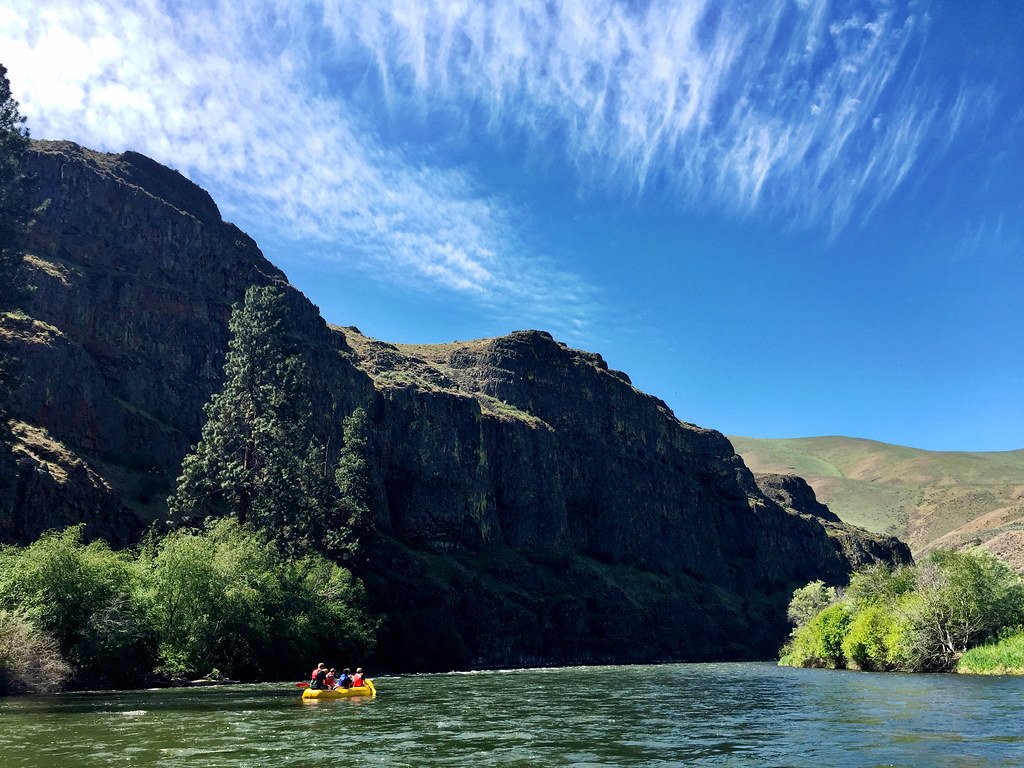
Yakima River
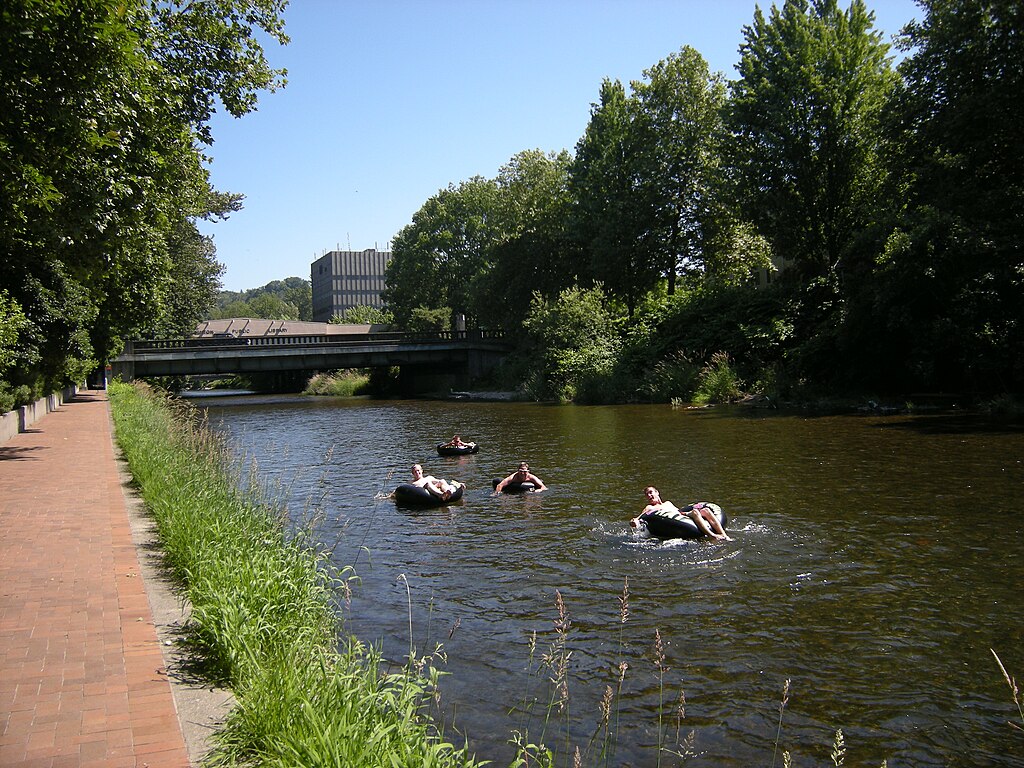
Cedar River
Puyallup River
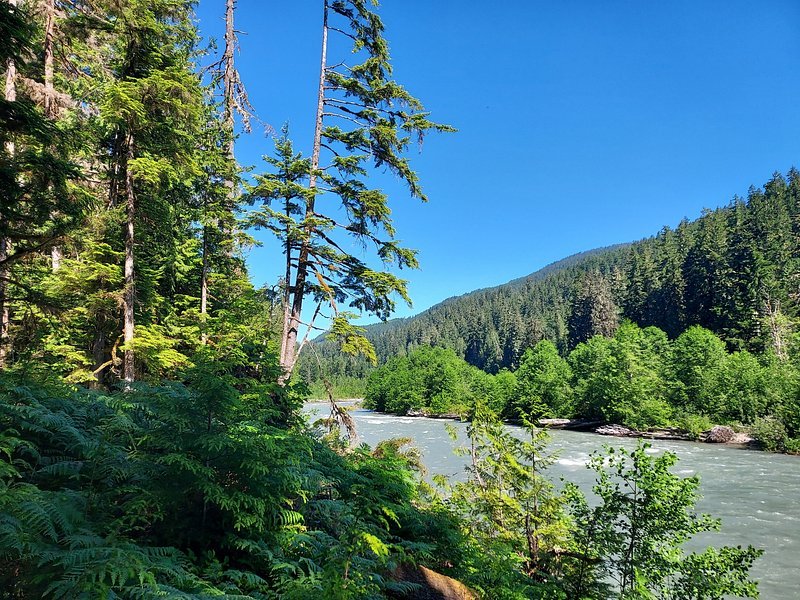
Snoqualmie River
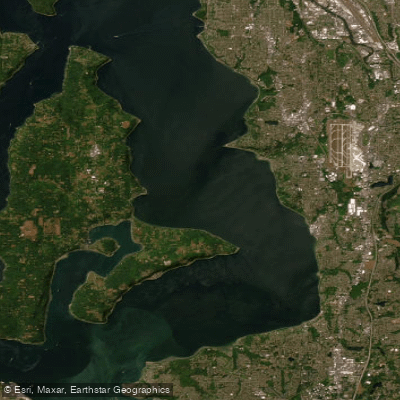
East Passage
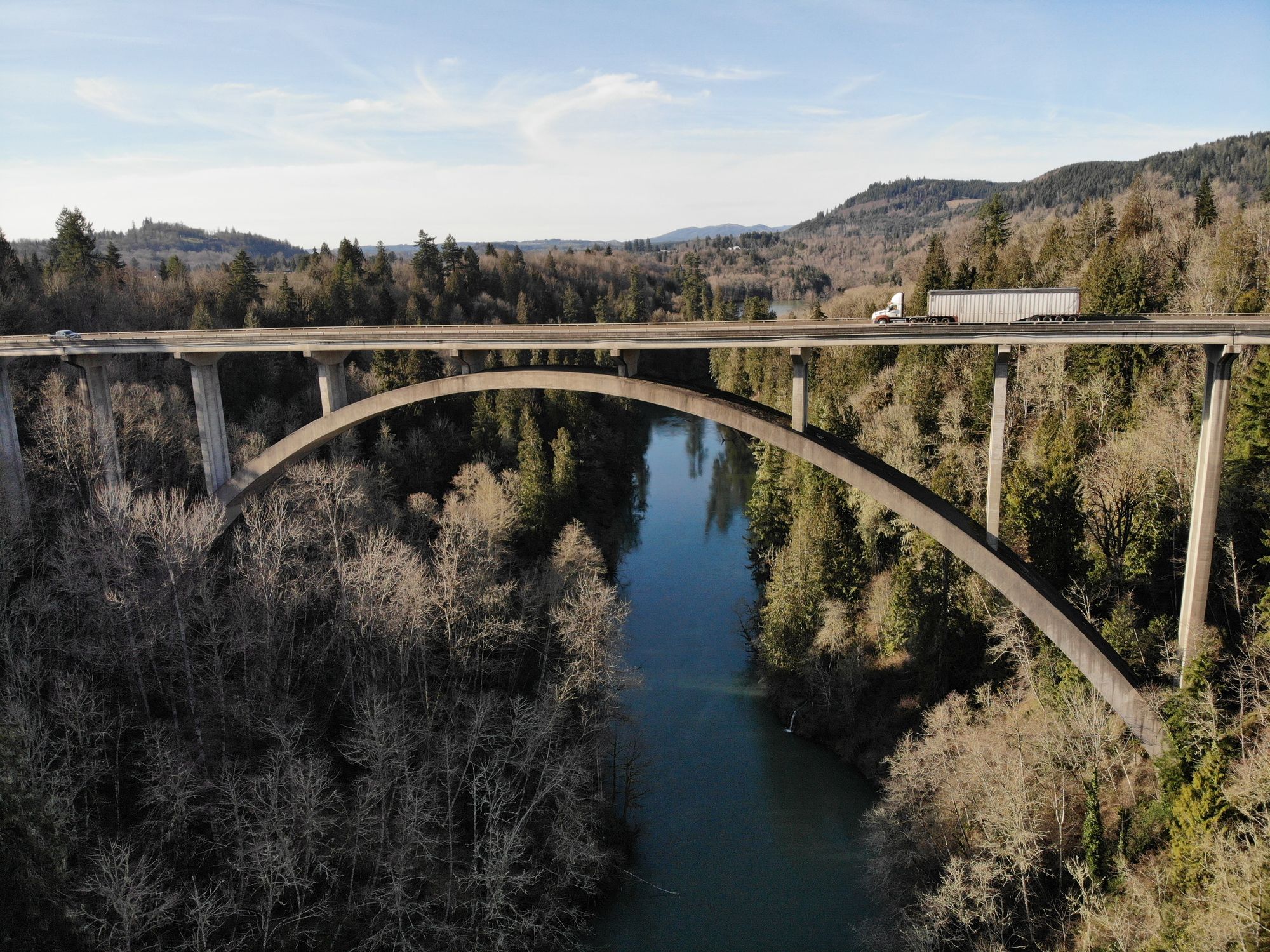
Cowlitz River
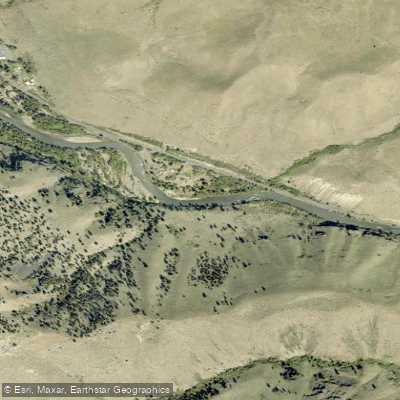
Naches River
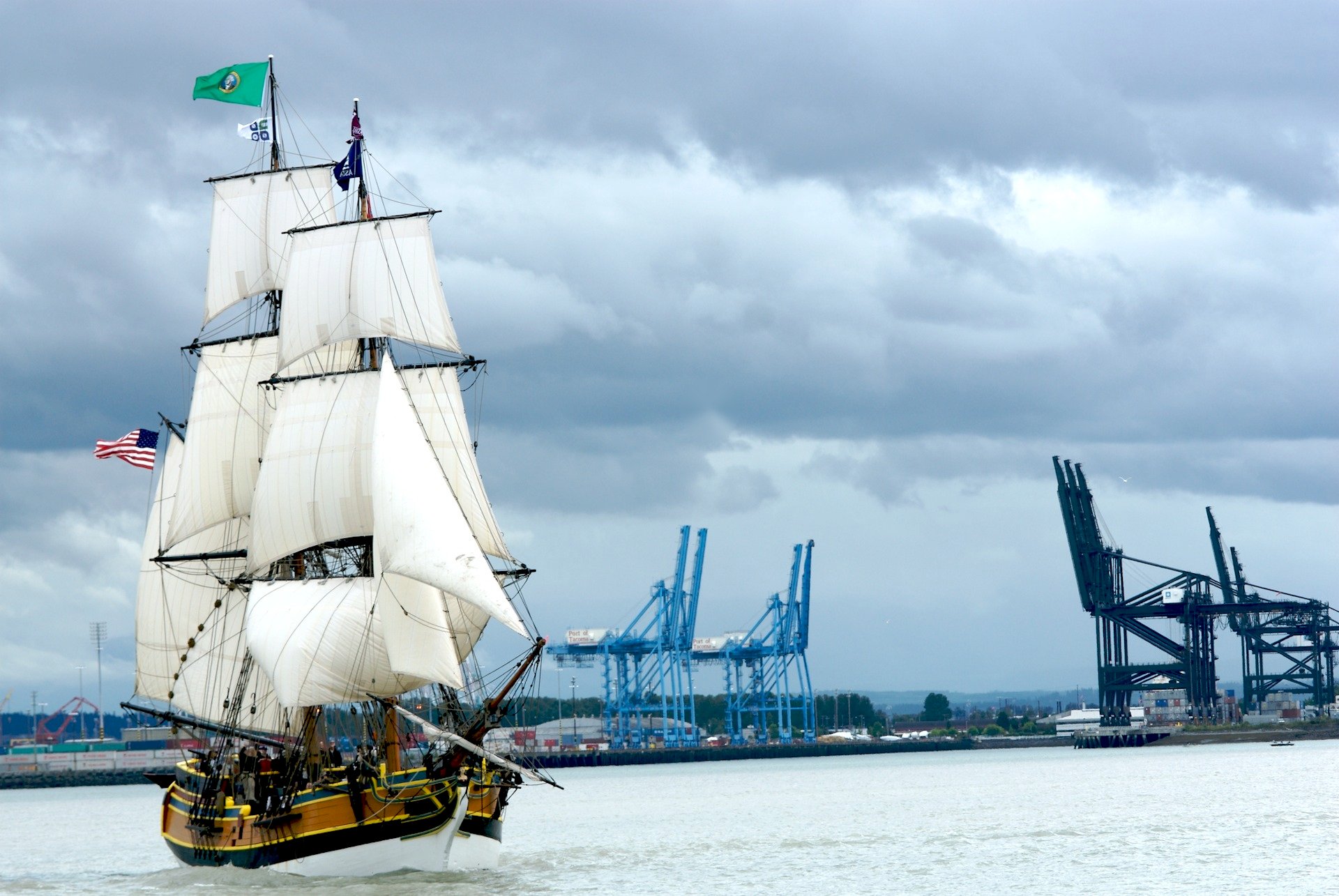
Commencement Bay
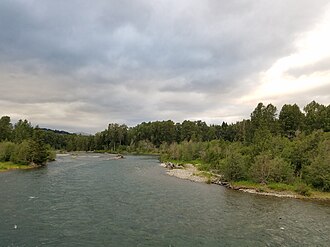
Cle Elum River
What to know
Habitat Distribution
Native populations exist in Lake Whatcom and Lake Samish in Whatcom County, while most other waters are sustained through hatchery stocking programs. Washington's kokanee populations vary significantly - Lake Whatcom supports the largest hatchery program in the country, while native populations in the Lake Washington Basin have severely declined.Key Locations
They're found in numerous Washington lakes including Lake Chelan, Lake Roosevelt, Banks Lake, Lake Whatcom, Lake Sammamish, Yale Reservoir, Keechelus Lake, and over 60 other water bodies across the state. Key locations include Lake Roosevelt (13-17 inch fish), Lake Chelan, Yale Reservoir, Keechelus Lake, and Lake Whatcom.Specific Spots
Fish typically hold 10-25 feet deep in spring, moving to 45-80 feet in summer. Target areas near creek inlets in spring and fall, and the thermocline in summer.Kokanee FAQ
Answers from onWater's species guide.
What are the best lures and bait for Kokanee in Washington?
Top lure choices include Dick Nite spoons, Mepps spinners, Wedding Ring spinners (Mack's Lures, Jim Diamond), Kokabow Fishing Spinners, plastic squid/hoochies, crankbaits like Apex Kokanee Killer, and trolling flies such as K-Fly or Smile Blade Fly. Always tip lures with white shoepeg corn (never yellow).
When is the best time to fish for Kokanee in Washington?
Kokanee fishing in Washington is most productive from April through October, with peak action during late spring when plankton blooms make fish more aggressive and closer to the surface. Lake Roosevelt has January-April peak.
How do you catch Kokanee in Washington?
Trolling is the primary technique. Side planer boards can be effective for getting lines away from the boat. Still fishing with small hooks also works. Jigging is productive when schools are located, using 1/4 to 1 oz jigs. Downrigger fishing or leadcore line for deeper water.
What do Kokanee eat?
They primarily consume plankton - initially copepods and daphnia, progressing to zooplankton as they mature.
Where do Kokanee live in Washington?
Native populations exist in Lake Whatcom and Lake Samish in Whatcom County, while most other waters are sustained through hatchery stocking programs.
Fish smarter with real-time insights
Whether you're en route and conditions shift or you're looking for the best spot based on current flows, we enable you to make informed decisions on the fly.




See it in the app
Most maps show you water.
onWater shows you Kokanee.



- 01 · Species map filter
Map every Kokanee water
Pick Kokanee and the map zeroes in on the waters they call home. No more guessing which lake holds them.
- 02 · Waterbody species
Tap any water. See what lives there.
Species, behavior and seasonal patterns for every lake, river and pond, before you leave the driveway.
- 03 · Angler Intelligence
Ask how to catch Kokanee
Tactics, gear and timing from onWater's AI fishing guide, tuned to the species and the water you're on.
Stop guessing where Kokanee are.
Open the map, filter by Kokanee, and head to water that holds them. Download onWater and plan your next trip in minutes.
- Species map filter
- Angler Intelligence
- Fishing journal
Explore other species
Trout, bass, salmon, panfish and everything in between. Each guide unpacks the behavior, seasons, and tactics that put fish in the net.
No species information available.
Washington licenses and regulations
Explore nearby waters
Explore Washington waters
Top fishing waters
Popular Cities
Loading popular cities...

Smarter Fishing Starts in the App.
onWater Fish gives you everything you need to plan smarter, fish better, and own every trip from first cast to last.