Sauger

Sauger are not native to Texas but appear as exotic transplants in limited waters. According to USGS data, sauger have been documented in Texas from 1985-2012 in three specific watersheds.
These cool-water members of the perch family require cooler water temperatures and are much more common in northern states. Texas represents the extreme southern edge of their tolerance range.
Scientific Name: Sander canadensis
- Characterized by their elongated bronze to olive bodies with dark blotches, two dorsal fins (the first being spiny with distinctive black spots), and lack of the white-tipped tail that walleye possess.
- They're typically 12-21 inches and 1-8 pounds.
Fishing in Texas

Belton Lake
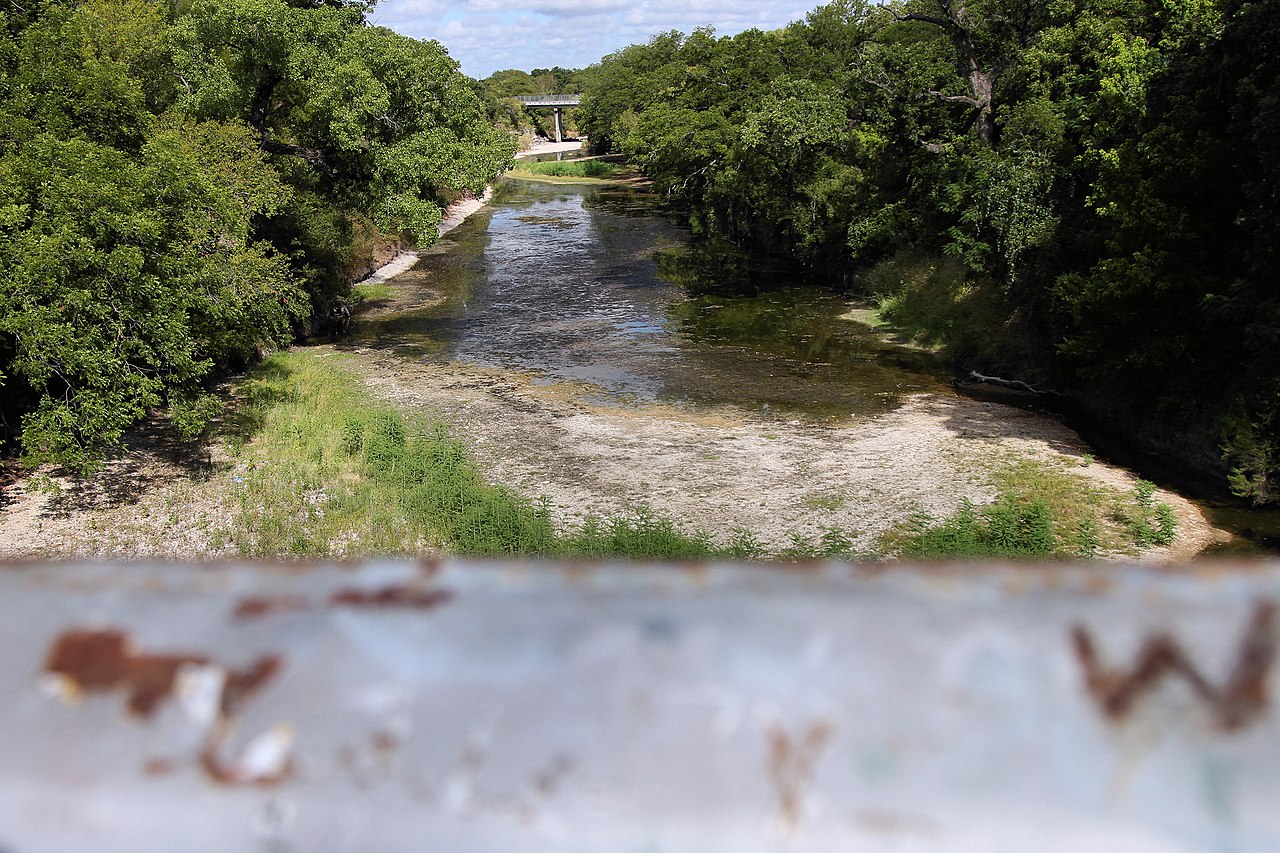
Lampasas River

Brazos River
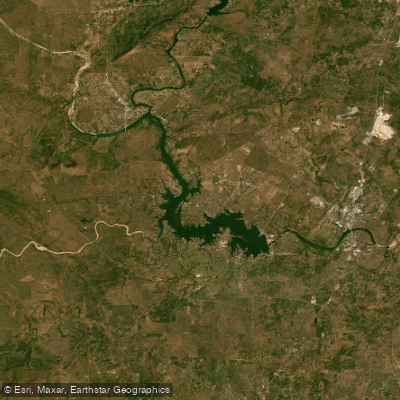
Lake Lyndon B Johnson
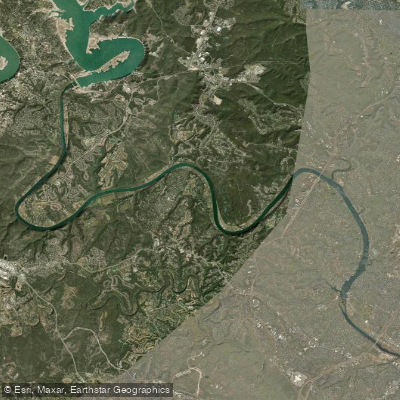
Lake Austin

Colorado River
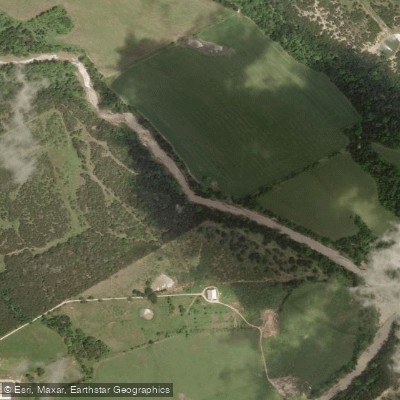
North Bosque River
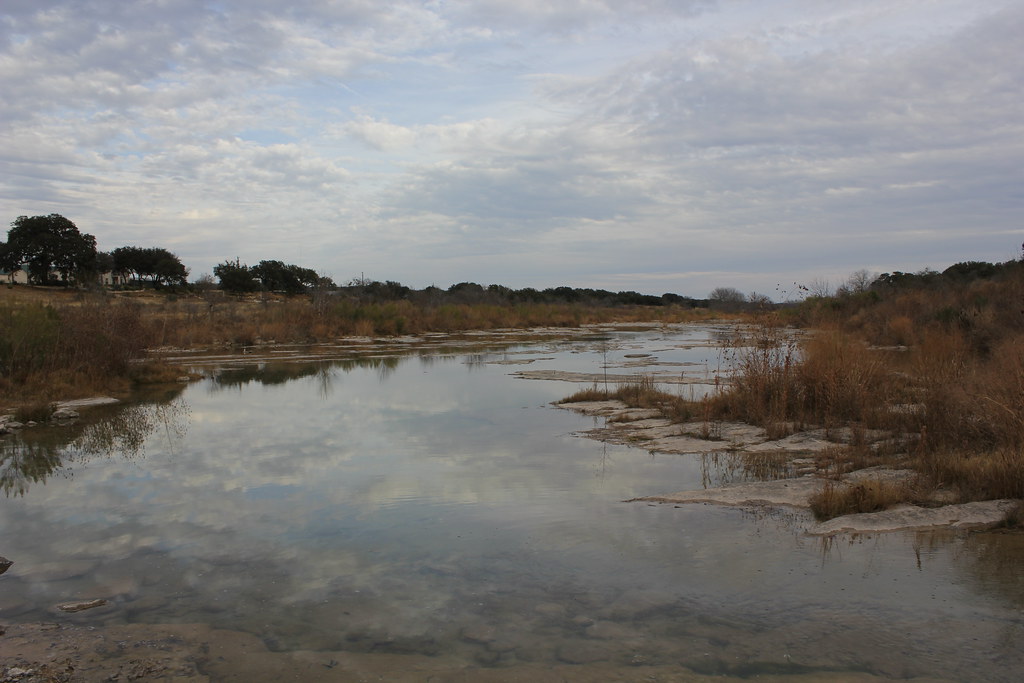
Pedernales River
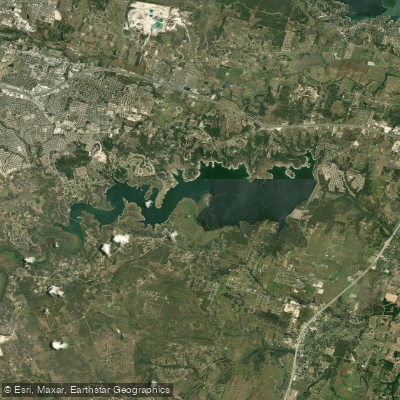
Stillhouse Hollow Lake
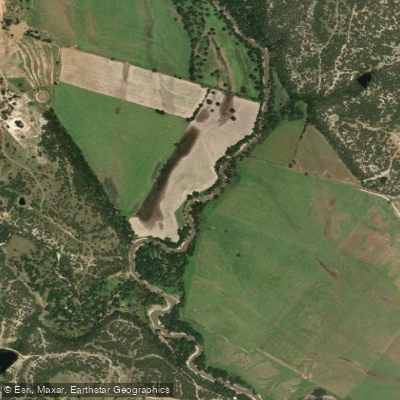
Leon River
What to know
Habitat Distribution
- In their native range, sauger prefer turbid, flowing waters and are much more common in northern states.
Key Locations
- Cedar Creek, Lake Texoma area, and Leon River system.
Specific Spots
- Target deep pools, channels, and areas with current flow, as sauger prefer deeper, moving water over the shallow flats typical of many Texas fisheries.
- Fish near bottom structure.
Sauger FAQ
Answers from onWater's species guide.
What are the best lures and bait for Sauger in Texas?
3/4 to 1-ounce hair jigs tipped with minnows. Bright-colored jigs in white, chartreuse, or pink work well in the turbid water they prefer. Small minnows, nightcrawlers, and crayfish make effective bait.
When is the best time to fish for Sauger in Texas?
Most active during cooler months (late fall through early spring) when Texas water temperatures drop closer to their preferred range. Spawning occurs March-May when water temperatures reach 45-50°F, during which time fishing pressure should be avoided to protect spawning populations.
How do you catch Sauger in Texas?
Use vertical jigging techniques with 3/4 to 1-ounce hair jigs tipped with minnows, as sauger are bottom-oriented feeders. Small minnows, nightcrawlers, and crayfish make effective bait when still-fishing near bottom structure.
What do Sauger eat?
Feed primarily on small fish like channel catfish, freshwater drum, gizzard shad, plus benthic invertebrates and mayfly larvae.
Where do Sauger live in Texas?
In their native range, sauger prefer turbid, flowing waters and are much more common in northern states.
Fish smarter with real-time insights
Whether you're en route and conditions shift or you're looking for the best spot based on current flows, we enable you to make informed decisions on the fly.




See it in the app
Most maps show you water.
onWater shows you Sauger.



- 01 · Species map filter
Map every Sauger water
Pick Sauger and the map zeroes in on the waters they call home. No more guessing which lake holds them.
- 02 · Waterbody species
Tap any water. See what lives there.
Species, behavior and seasonal patterns for every lake, river and pond, before you leave the driveway.
- 03 · Angler Intelligence
Ask how to catch Sauger
Tactics, gear and timing from onWater's AI fishing guide, tuned to the species and the water you're on.
Stop guessing where Sauger are.
Open the map, filter by Sauger, and head to water that holds them. Download onWater and plan your next trip in minutes.
- Species map filter
- Angler Intelligence
- Fishing journal
Explore other species
Trout, bass, salmon, panfish and everything in between. Each guide unpacks the behavior, seasons, and tactics that put fish in the net.
No species information available.
Texas licenses and regulations
Explore nearby waters
Explore Texas waters
Top fishing waters
Popular Cities
Loading popular cities...

Smarter Fishing Starts in the App.
onWater Fish gives you everything you need to plan smarter, fish better, and own every trip from first cast to last.