Bluegill
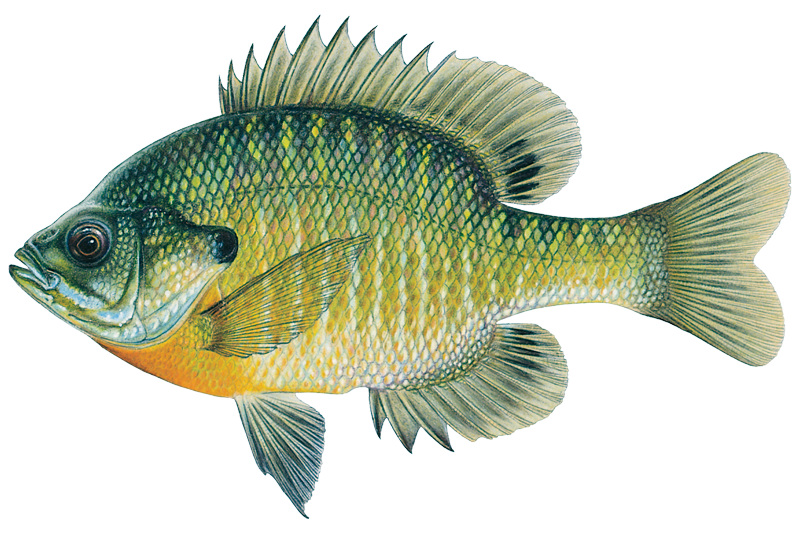
Bluegill are native to eastern and central U. S. regions including Texas. They're widely distributed throughout Texas waters from farm ponds to major reservoirs, with both native northern bluegill and introduced coppernose bluegill subspecies present.
Scientific Name: Lepomis macrochirus
Also known as copper nose
- Bluegill are characterized by their distinctive blue coloration on the gill covers and chin, deep flattened bodies, and typically range from 6-10 inches, though trophy fish over a pound are possible in Texas waters.
Fishing in Texas
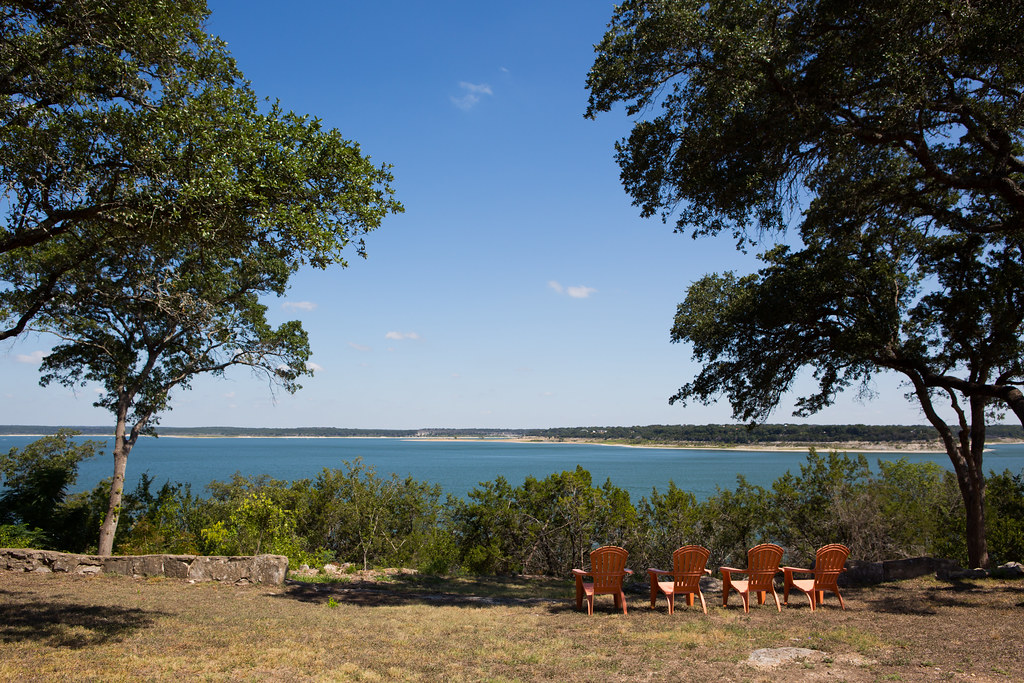
Belton Lake
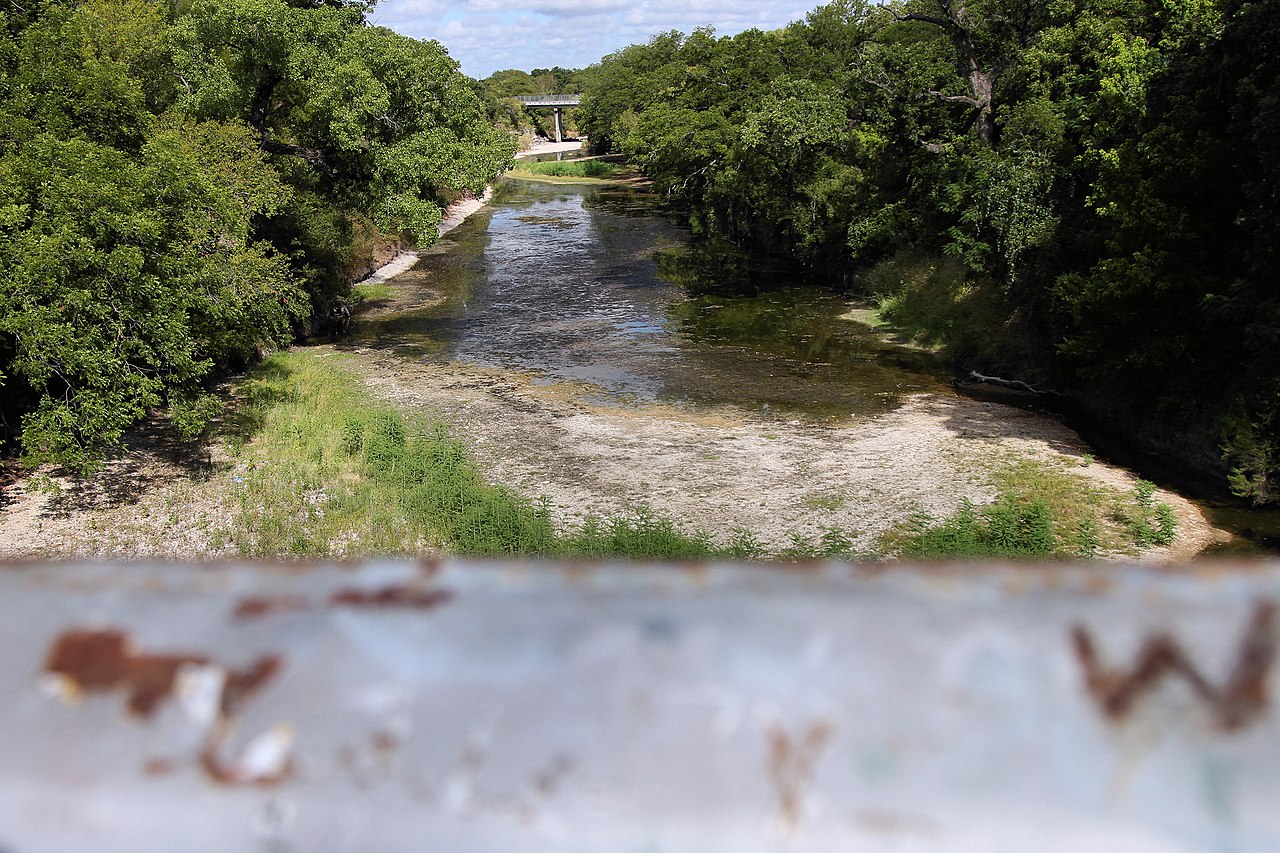
Lampasas River

Brazos River
Lake Lyndon B Johnson
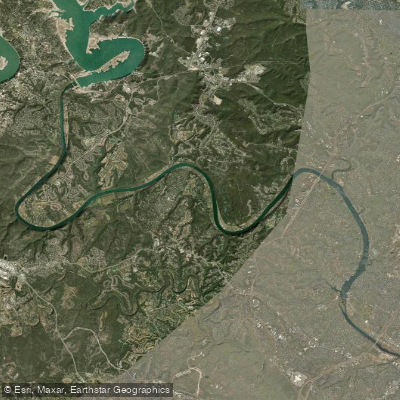
Lake Austin
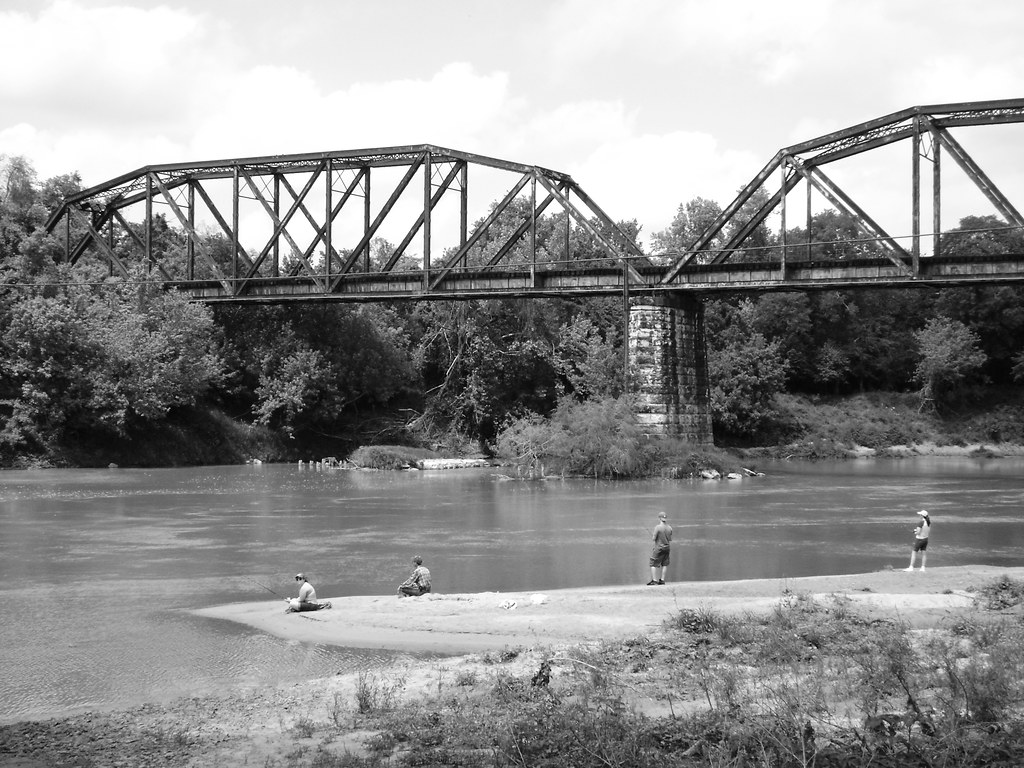
Colorado River
North Bosque River
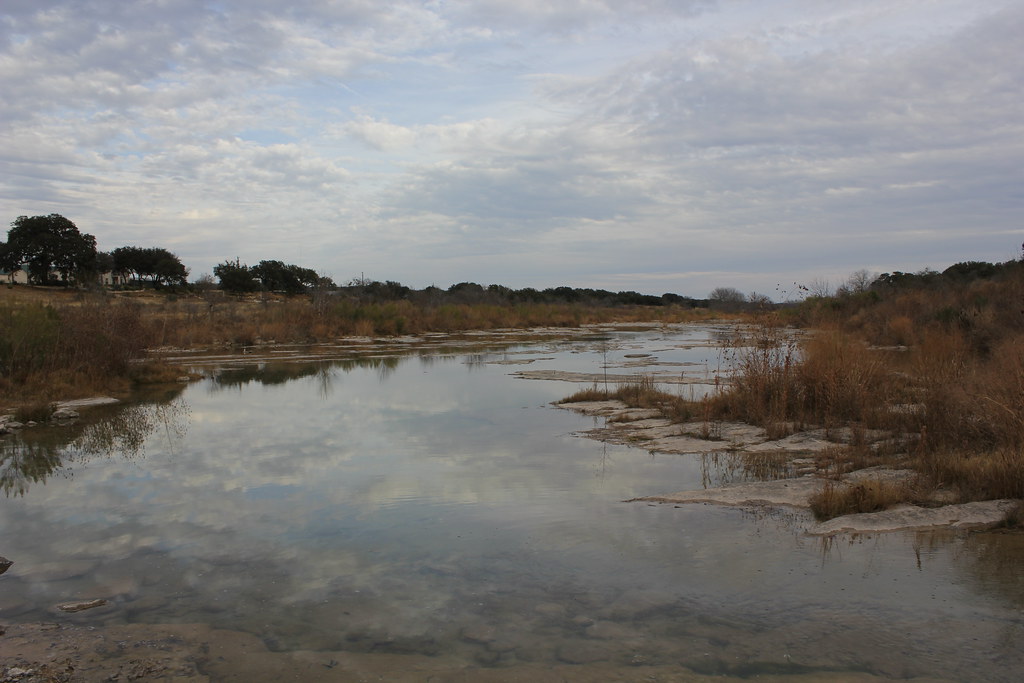
Pedernales River
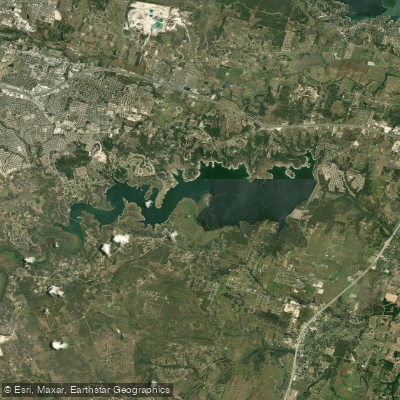
Stillhouse Hollow Lake
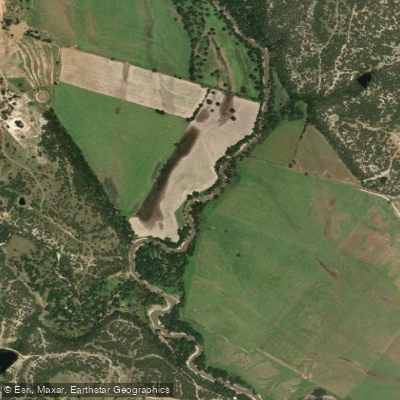
Leon River
What to know
Habitat Distribution
- They're widely distributed throughout Texas waters from farm ponds to major reservoirs.
- They prefer shallow waters with abundant structure like fallen logs, aquatic vegetation, docks, and weed beds.
Key Locations
- Prime Texas locations include Toledo Bend Reservoir, Lake Conroe, Lady Bird Lake in Austin, Calaveras Lake near San Antonio, and the clear spring-fed rivers of Central Texas like the Guadalupe and San Marcos rivers.
- Top Texas destinations include Toledo Bend's Sixmile Creek and Patroon Bayou areas, Lake Conroe's Little Lake Creek Arm and habitat structures, Guadalupe River's deep clear pools near Kerrville and Center Point, Lady Bird Lake's cypress roots and fallen timber, and Calaveras Lake's rip-rap and cattail areas.
Specific Spots
- Target shallow areas with structure: docks, fallen trees, weed beds, brush piles, and protected coves.
- In summer, focus on shaded areas and deeper structure.
- Fall fishing targets brush piles near banks, while winter finds them in deep schools around breaks and deep cover.
Bluegill FAQ
Answers from onWater's species guide.
What are the best lures and bait for Bluegill in Texas?
Top live baits include red worms, crickets, nightcrawlers, and grass shrimp, with crickets being especially effective during spawning periods. For artificials, use 1/32 ounce jigs with small grubs or spiders, tiny crankbaits, inline spinners, and small jerkbaits.
What flies work for Bluegill in Texas?
Effective patterns include Triangle Bugs, soft hackles, poppers, Green-Eyed Damselfly Nymphs, Woolly Worms, and terrestrials like ants and beetles in sizes 8-14.
When is the best time to fish for Bluegill in Texas?
Prime Texas farm pond management suggests prime fishing from April through June, with continued action through early fall. In summer, focus on shaded areas and deeper structure. Fall fishing targets brush piles near banks, while winter finds them in deep schools around breaks and deep cover.
How do you catch Bluegill in Texas?
Dr.op shot rigs work well for deeper fish. Add scent like Berkley Crappie Nibbles to improve success.
What do Bluegill eat?
They're omnivorous sight-feeders with diets consisting primarily of aquatic insects, larvae, small crustaceans, zooplankton, and occasionally small fish. During summer months, they consume about 3.2% of their body weight daily.
Fish smarter with real-time insights
Whether you're en route and conditions shift or you're looking for the best spot based on current flows, we enable you to make informed decisions on the fly.




See it in the app
Most maps show you water.
onWater shows you Bluegill.



- 01 · Species map filter
Map every Bluegill water
Pick Bluegill and the map zeroes in on the waters they call home. No more guessing which lake holds them.
- 02 · Waterbody species
Tap any water. See what lives there.
Species, behavior and seasonal patterns for every lake, river and pond, before you leave the driveway.
- 03 · Angler Intelligence
Ask how to catch Bluegill
Tactics, gear and timing from onWater's AI fishing guide, tuned to the species and the water you're on.
Stop guessing where Bluegill are.
Open the map, filter by Bluegill, and head to water that holds them. Download onWater and plan your next trip in minutes.
- Species map filter
- Angler Intelligence
- Fishing journal
Explore other species
Trout, bass, salmon, panfish and everything in between. Each guide unpacks the behavior, seasons, and tactics that put fish in the net.
No species information available.
Texas licenses and regulations
Explore nearby waters
Explore Texas waters
Top fishing waters
Popular Cities
Loading popular cities...

Smarter Fishing Starts in the App.
onWater Fish gives you everything you need to plan smarter, fish better, and own every trip from first cast to last.