Yellow Bullhead

Yellow Bullhead are native freshwater catfish found statewide throughout South Carolina's warm water habitats, including rivers, lakes, ponds, and impoundments.
These smaller members of the catfish family are hardy fish that tolerate poor water quality and low oxygen conditions better than most species.
Scientific Name: Ameiurus natalis
- Typically reach 6-10 inches and average around 1 pound, though the South Carolina state record stands at 6 pounds, 6.3 ounces.
- Yellow bullheads are distinguished by their olive to yellow body coloration fading to white bellies, distinctly white to yellow chin barbels (whiskers), rounded caudal fin, and serrated pectoral spines.
Fishing in South Carolina
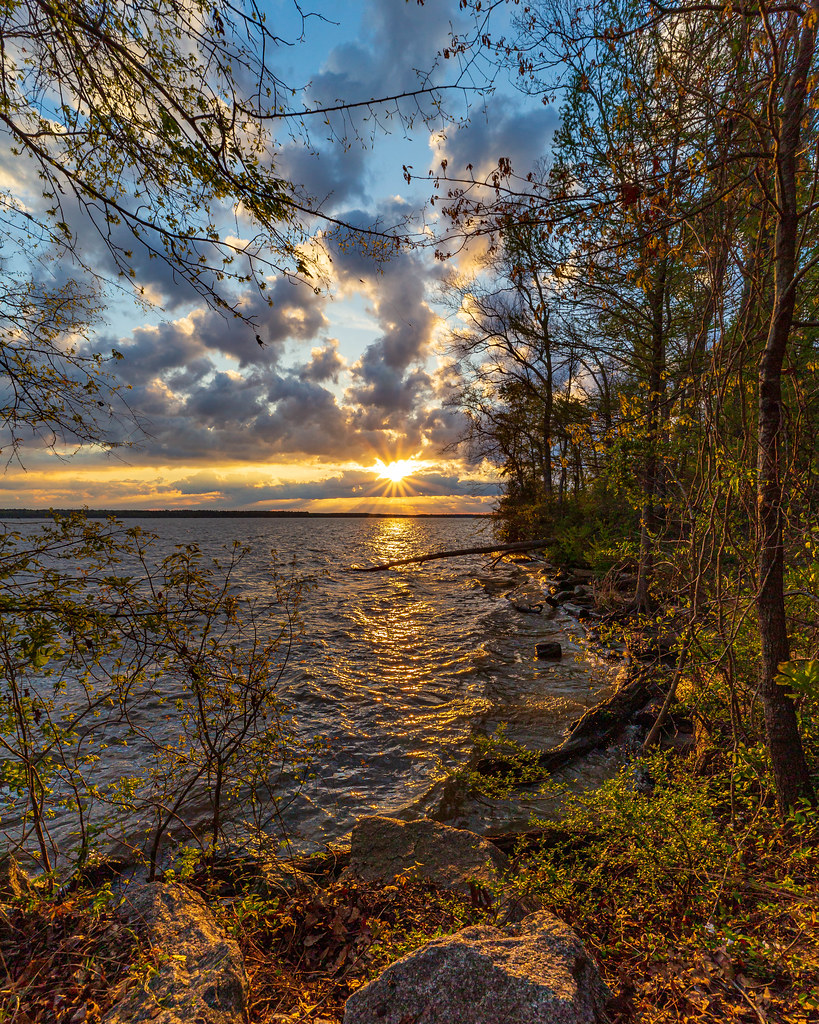
Lake Marion
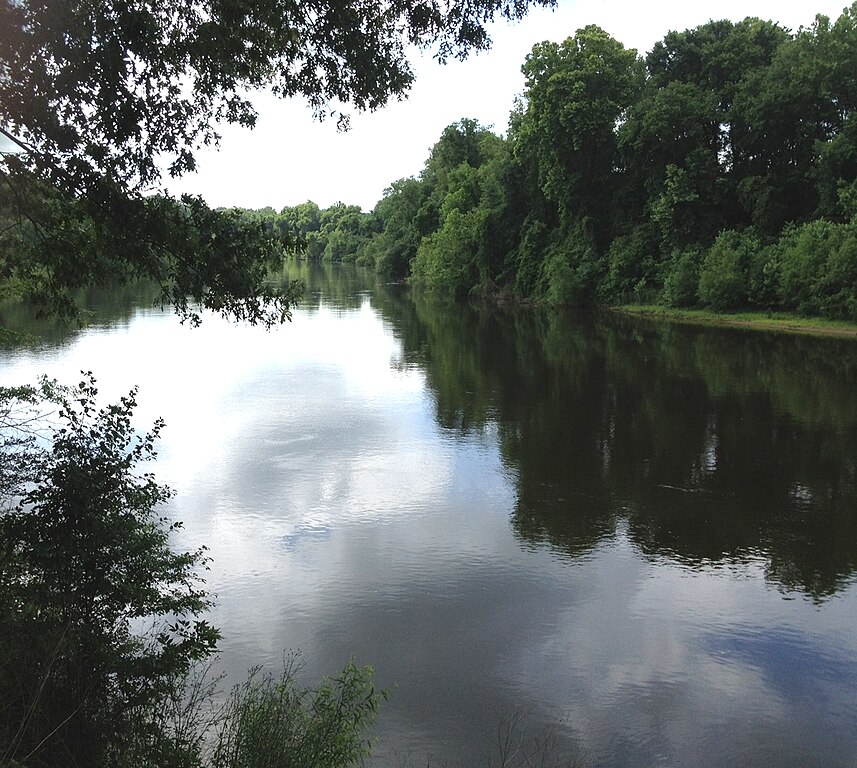
Wateree River
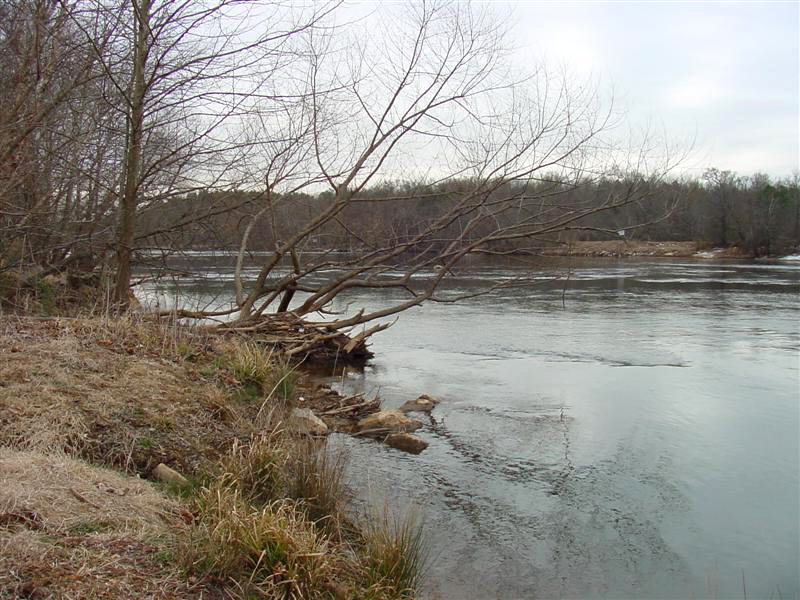
Broad River
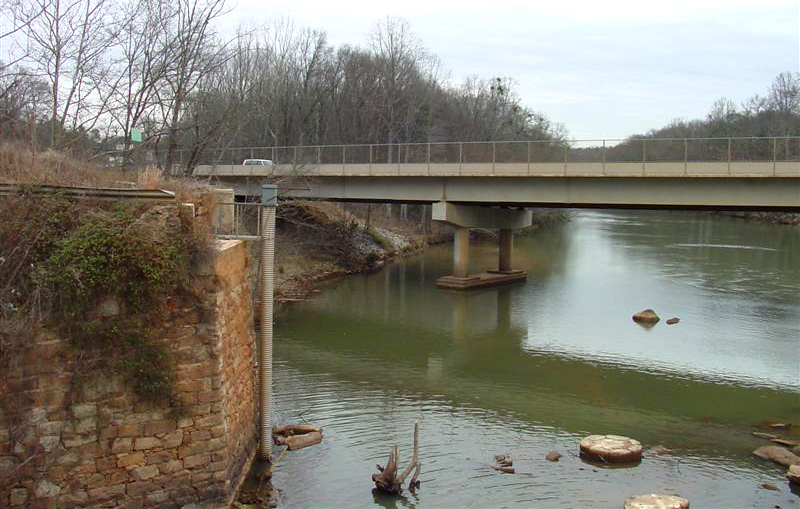
Saluda River
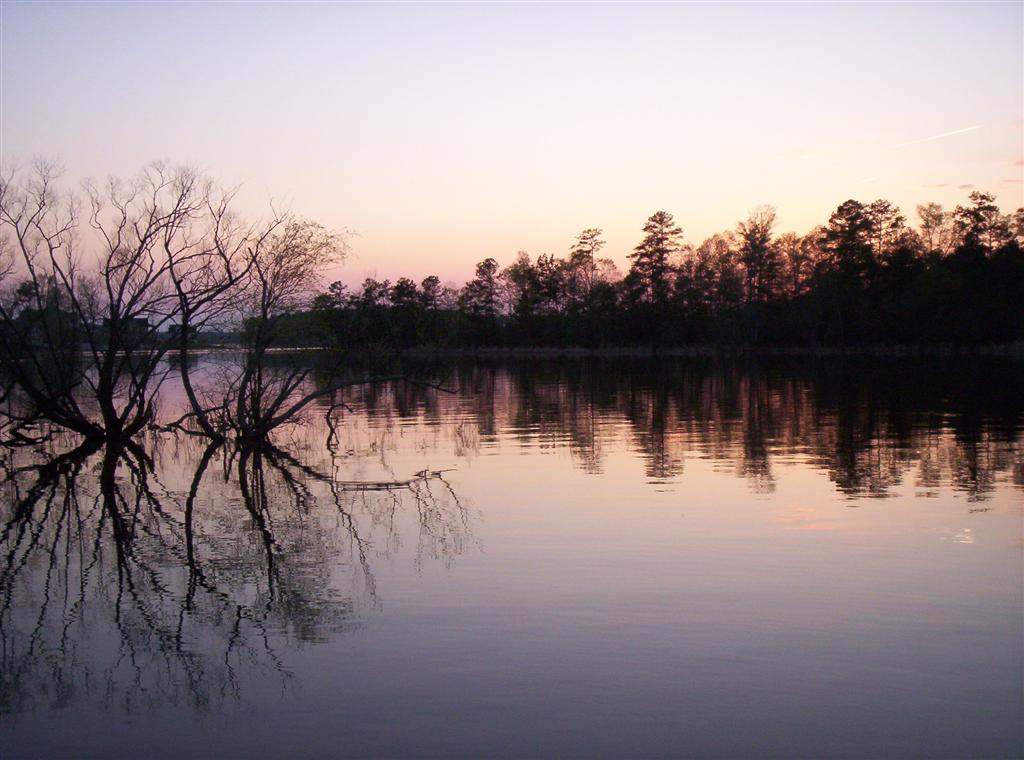
Lake Murray
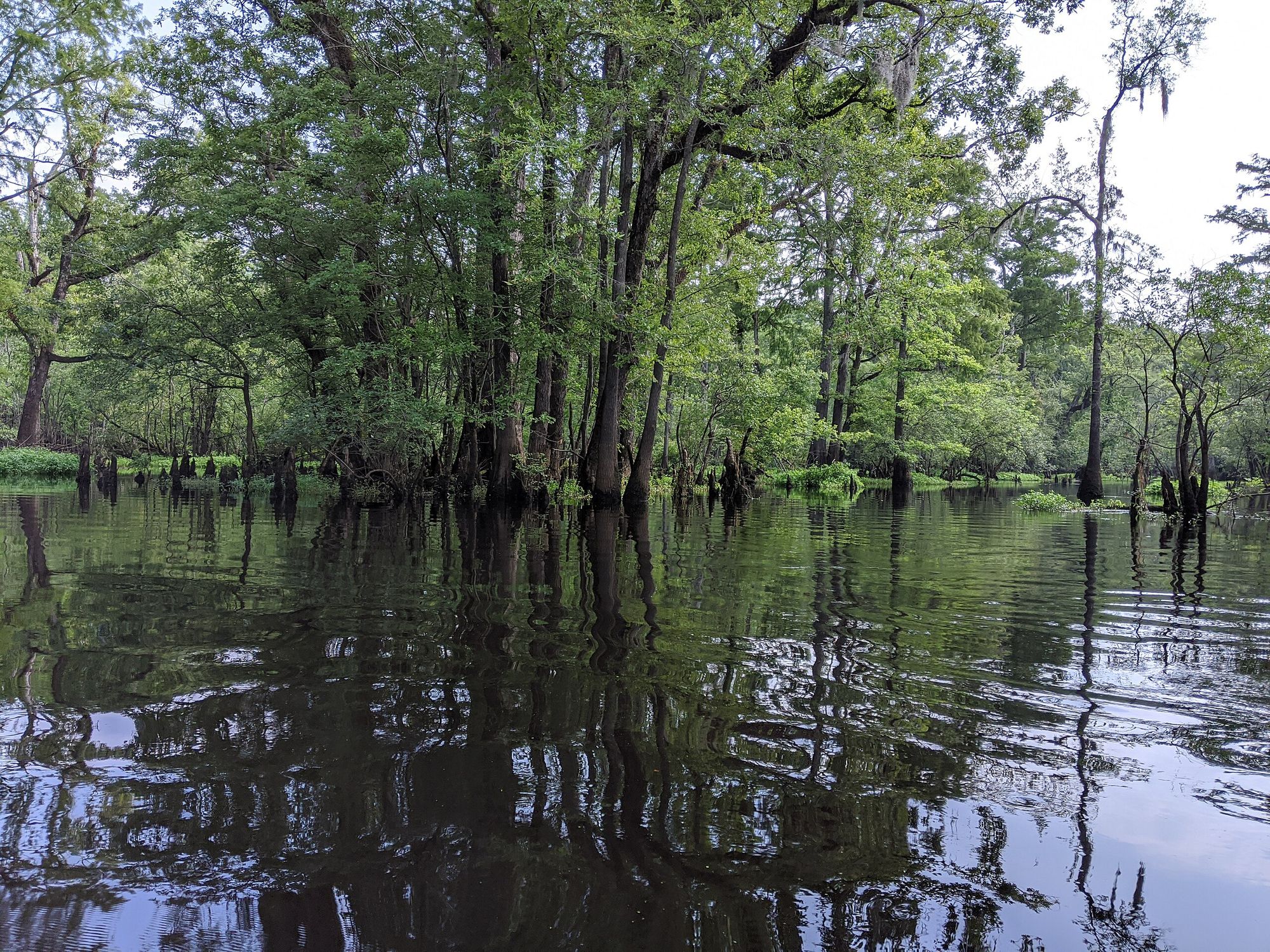
Black River
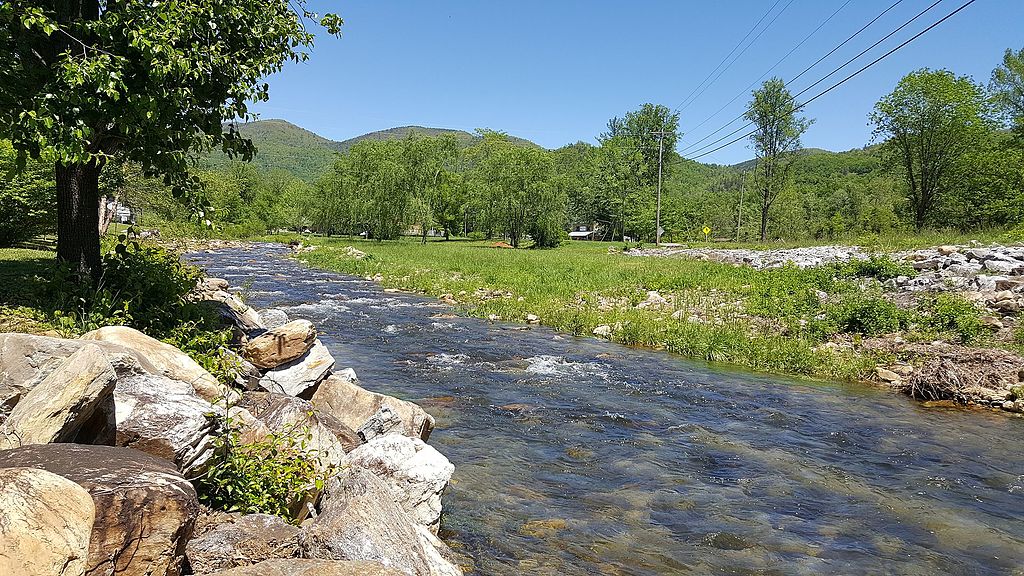
Catawba River
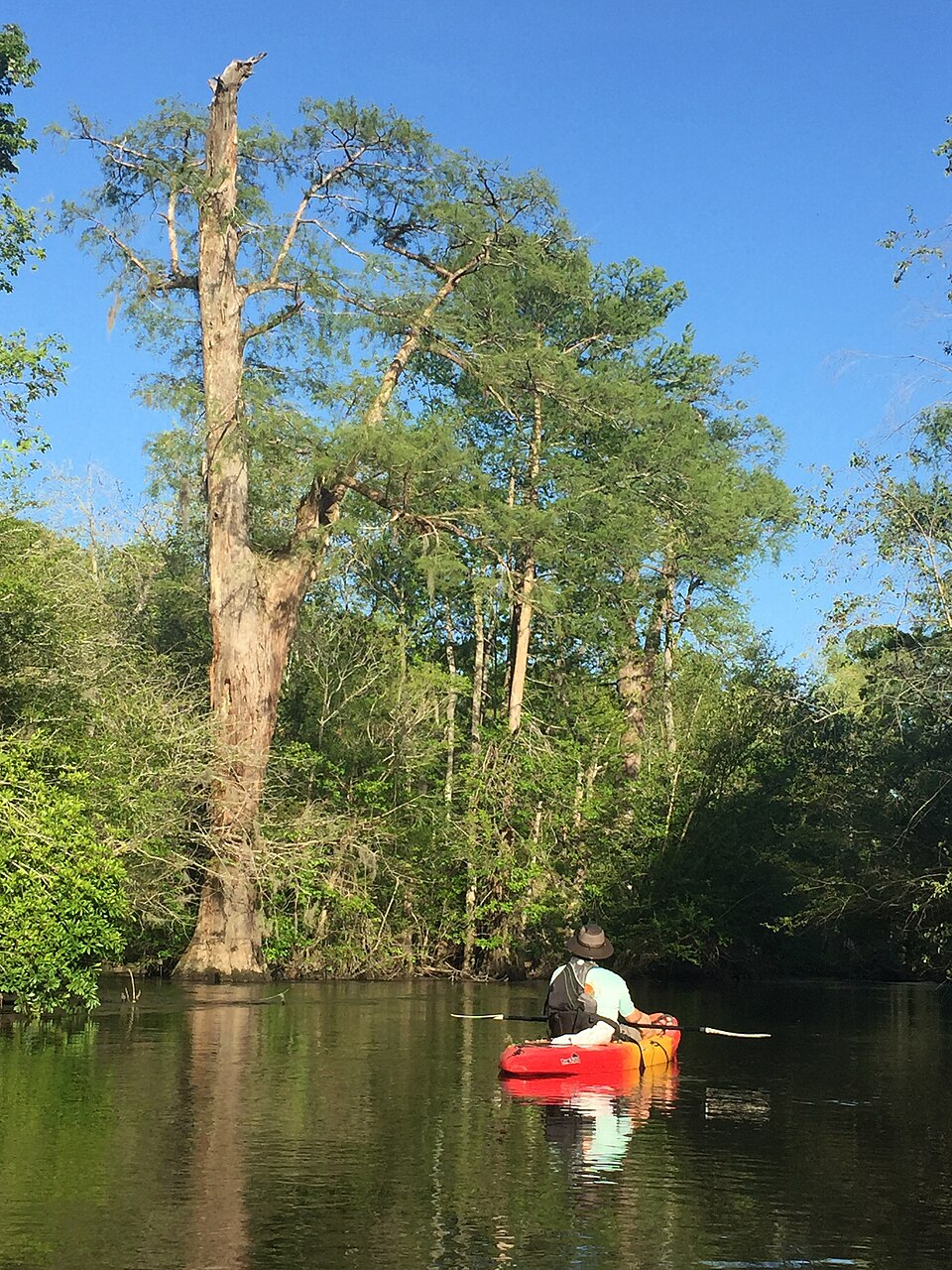
Lynches River
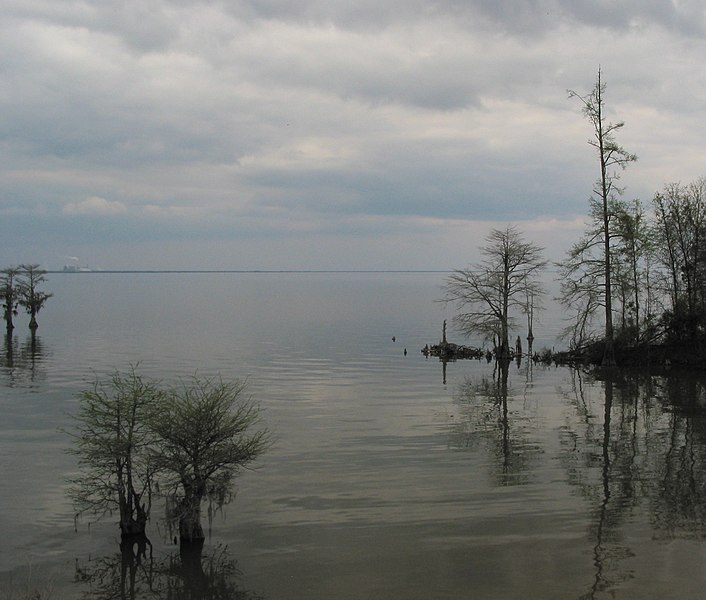
Lake Moultrie
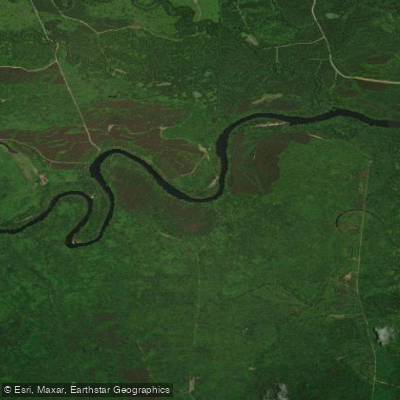
Santee River
What to know
Habitat Distribution
- Found statewide throughout South Carolina's warm water habitats, including rivers, lakes, ponds, and impoundments.
- In South Carolina, they're found in pools of creeks and rivers, natural lakes, farm ponds, and all sizes of impoundments throughout the state.
Key Locations
- In the Columbia area, productive waters include Springwood Lake and Jackson Creek, while they're present in major reservoirs like Lake Marion and throughout the connected lake systems around Arcadia Lakes.
Specific Spots
- Shallow, weedy backwaters with soft substrates of silt, sand, or accumulated leaves.
- Look for them around submerged logs, undercut banks, weed beds, and areas with accumulated organic matter where they forage for food.
Yellow Bullhead FAQ
Answers from onWater's species guide.
What are the best lures and bait for Yellow Bullhead in South Carolina?
Live baits including nightcrawlers, crickets, grasshoppers, and minnows, as well as cut bait, chicken liver, and even prepared baits like bread or dough balls. Small jigs work effectively.
How do you catch Yellow Bullhead in South Carolina?
Still fishing and drift fishing are the most reliable techniques, with the rig cast out and allowed to sit on bottom near cover. Fly fishing can be productive using weighted flies to reach bottom depths where they feed.
What do Yellow Bullhead eat?
They're omnivorous bottom feeders that consume insects, mollusks, crustaceans, small fish, aquatic vegetation, and various organic matter, with feeding activity peaking during evening and nighttime hours.
Where do Yellow Bullhead live in South Carolina?
Found statewide throughout South Carolina's warm water habitats, including rivers, lakes, ponds, and impoundments. In South Carolina, they're found in pools of creeks and rivers, natural lakes, farm ponds, and all sizes of impoundments throughout the state.
Fish smarter with real-time insights
Whether you're en route and conditions shift or you're looking for the best spot based on current flows, we enable you to make informed decisions on the fly.




See it in the app
Most maps show you water.
onWater shows you Yellow Bullhead.



- 01 · Species map filter
Map every Yellow Bullhead water
Pick Yellow Bullhead and the map zeroes in on the waters they call home. No more guessing which lake holds them.
- 02 · Waterbody species
Tap any water. See what lives there.
Species, behavior and seasonal patterns for every lake, river and pond, before you leave the driveway.
- 03 · Angler Intelligence
Ask how to catch Yellow Bullhead
Tactics, gear and timing from onWater's AI fishing guide, tuned to the species and the water you're on.
Stop guessing where Yellow Bullhead are.
Open the map, filter by Yellow Bullhead, and head to water that holds them. Download onWater and plan your next trip in minutes.
- Species map filter
- Angler Intelligence
- Fishing journal
Explore other species
Trout, bass, salmon, panfish and everything in between. Each guide unpacks the behavior, seasons, and tactics that put fish in the net.
No species information available.
South Carolina licenses and regulations
Explore nearby waters
Explore South Carolina waters
Top fishing waters
Popular Cities
Loading popular cities...

Smarter Fishing Starts in the App.
onWater Fish gives you everything you need to plan smarter, fish better, and own every trip from first cast to last.