Spotted Sucker
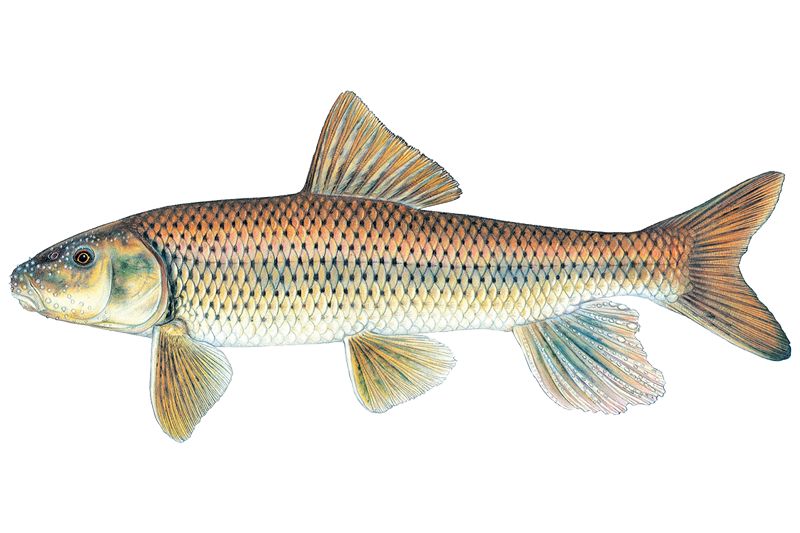
The Spotted Sucker is a native freshwater fish found throughout South Carolina's river systems, easily distinguished by distinctive rows of dark spots on each scale creating a spotted pattern along the body.
Scientific Name: Minytrema melanops
- These medium-sized suckers typically reach 10-18 inches and up to 2 pounds, with some specimens growing to 24 inches.
Fishing in South Carolina
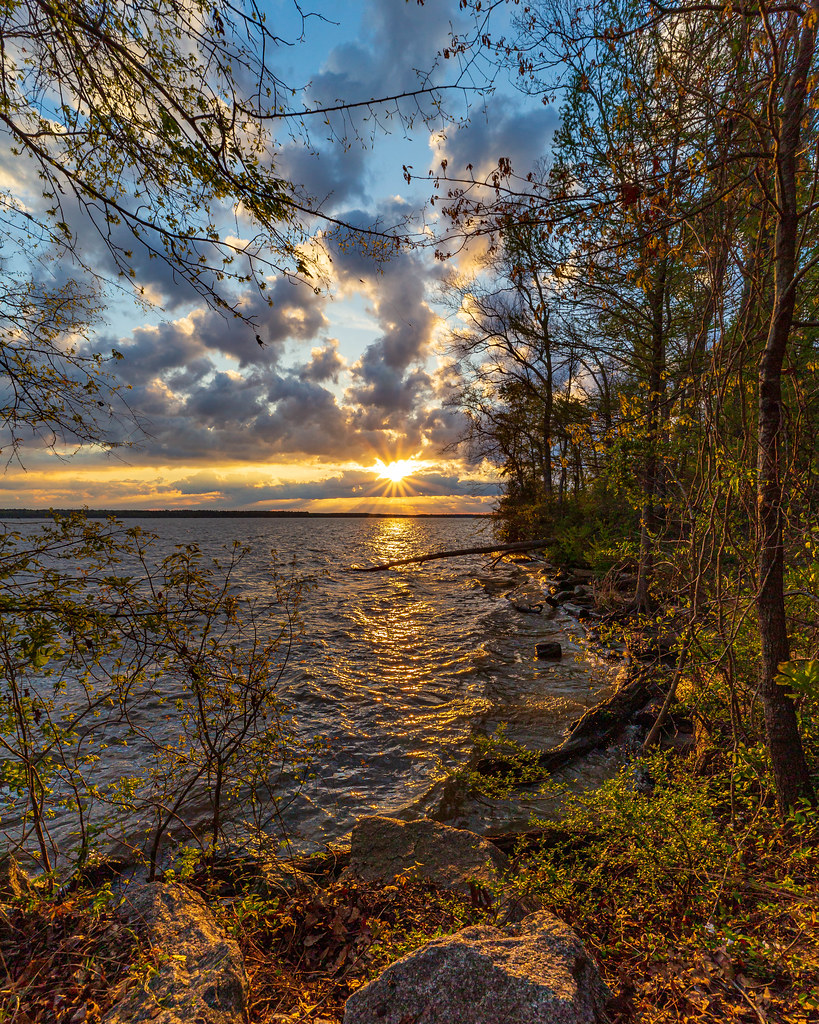
Lake Marion
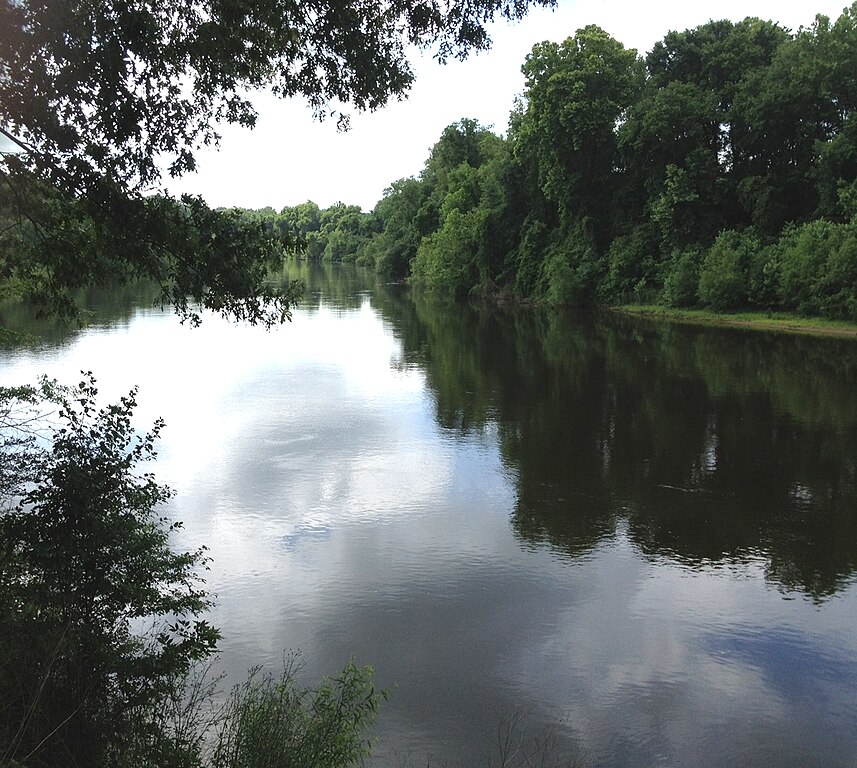
Wateree River
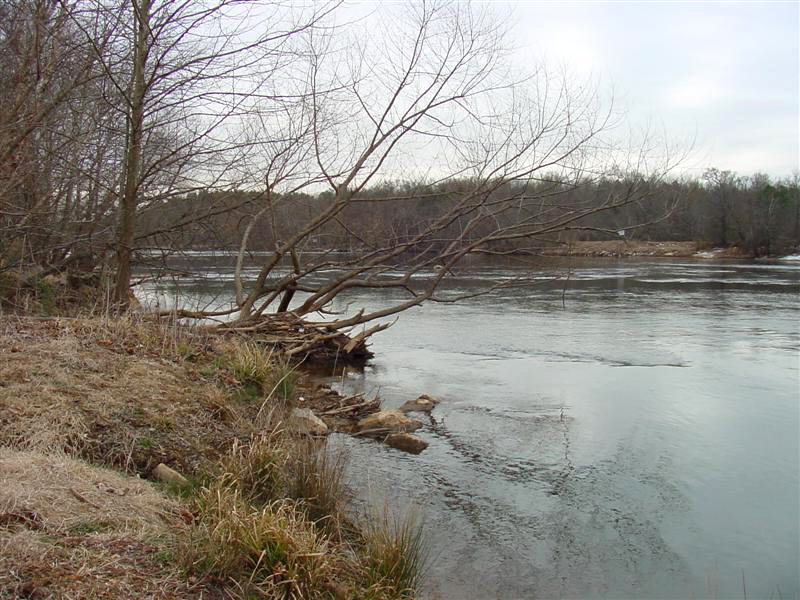
Broad River
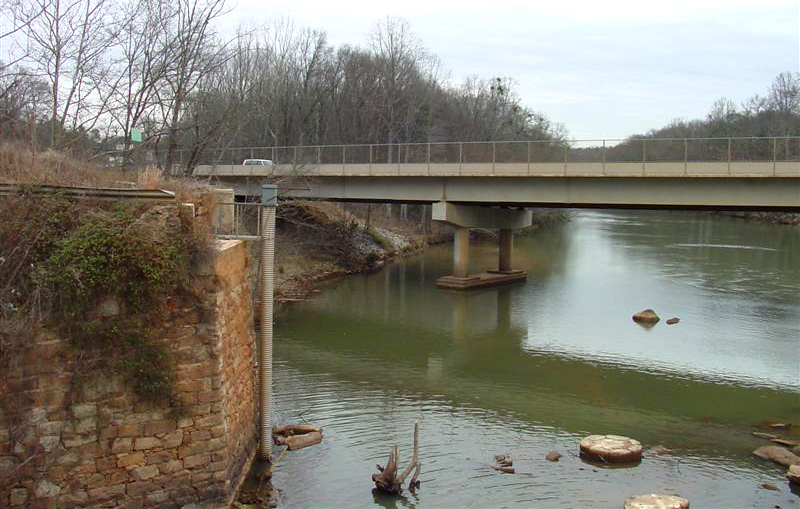
Saluda River
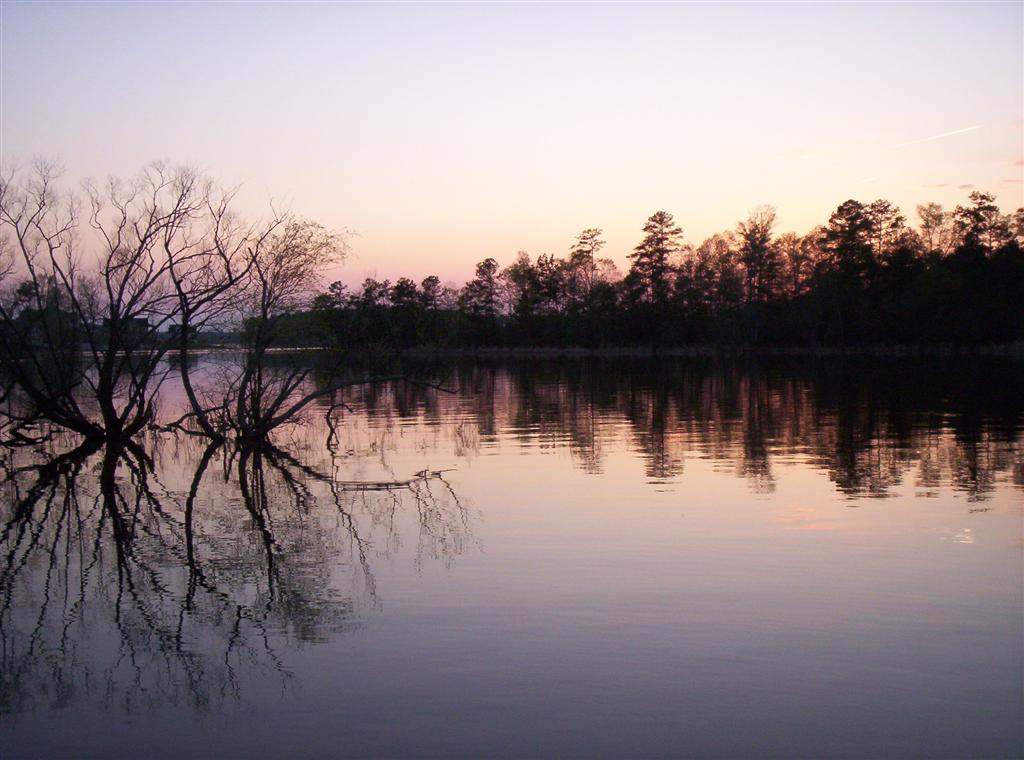
Lake Murray
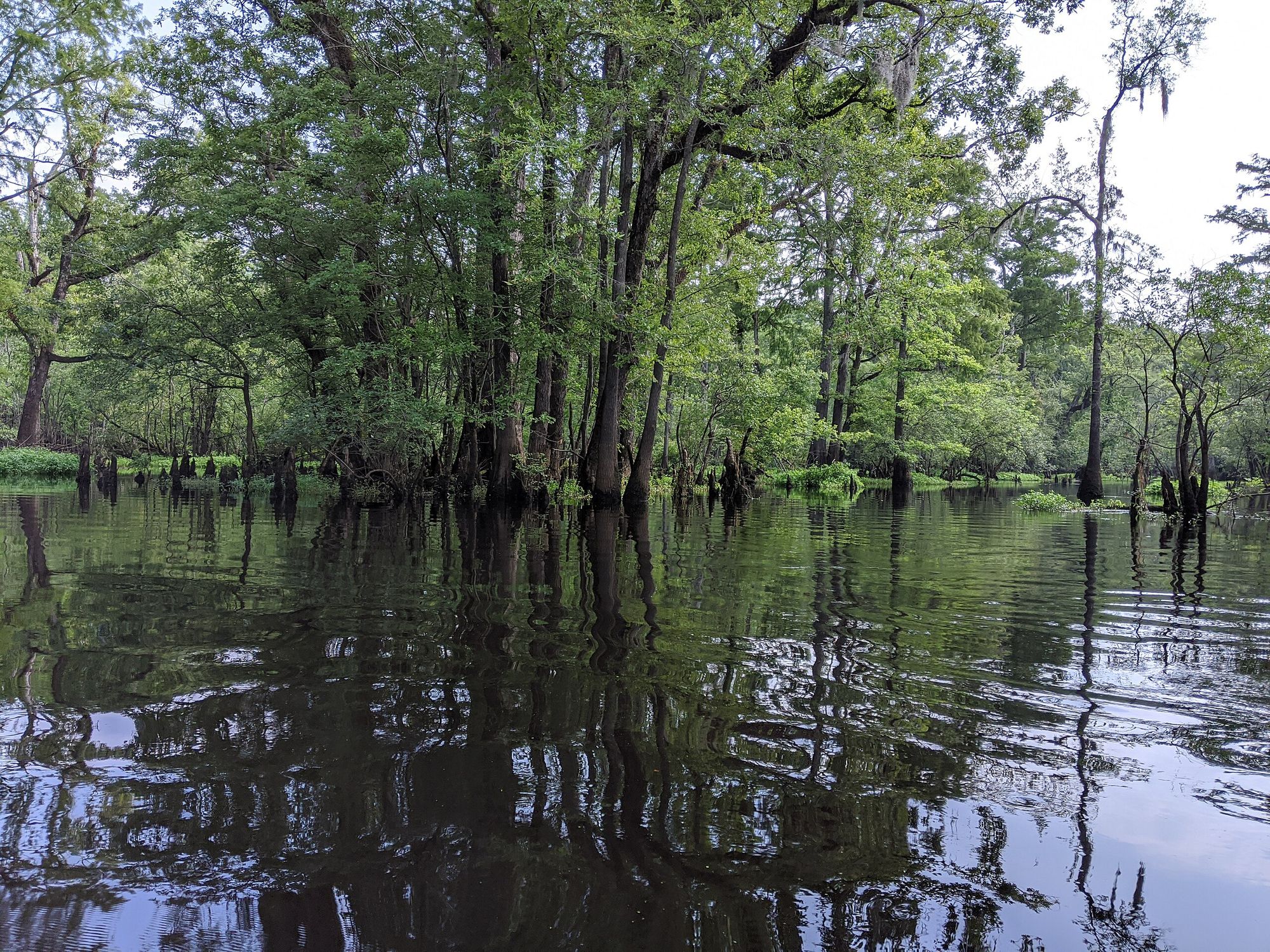
Black River
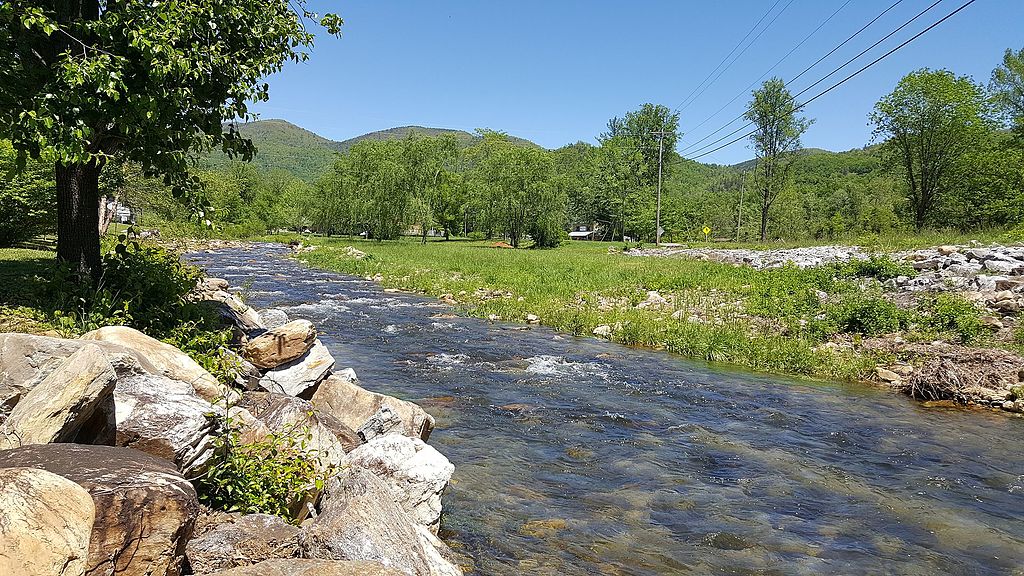
Catawba River
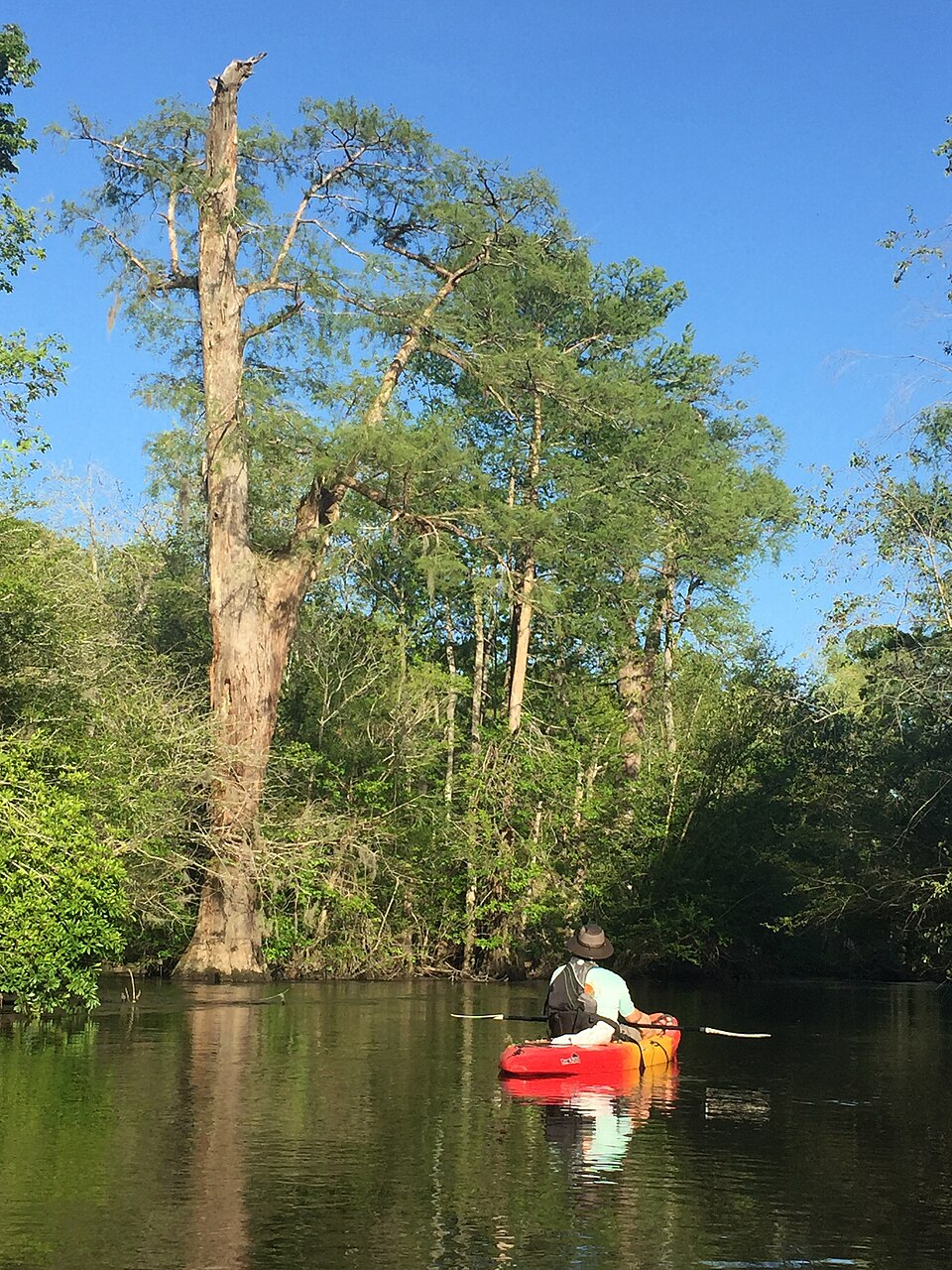
Lynches River
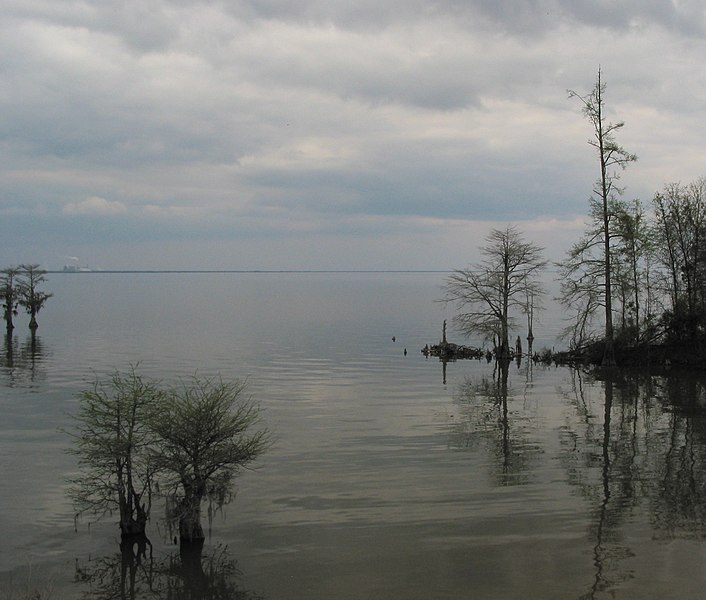
Lake Moultrie
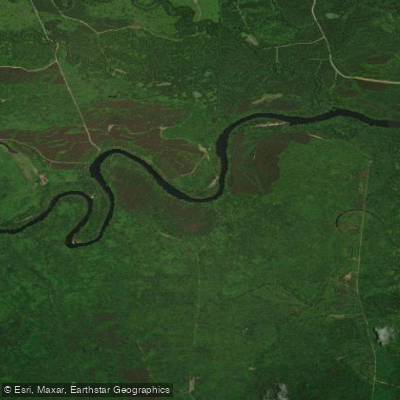
Santee River
What to know
Habitat Distribution
- They inhabit deep pools of small to medium rivers over clay, sand, or gravel substrates, preferring clear, firm-bottomed waters with moderate current.
- The species is intolerant of heavy siltation and turbid conditions.
Key Locations
- In South Carolina, productive waters include the Saluda River (accessible at Saluda Shoals Park), Wateree River system, and Savannah River tributaries.
- They're documented in major river systems including the Wateree River, Savannah River (including tributaries like the Saluda River), and coastal plain waters.
Specific Spots
- Focus on deeper pools of medium-sized rivers, particularly areas with clay, sand, or gravel bottoms and moderate current.
- Look for areas with structure like submerged logs, undercut banks, or woody debris where they forage.
- Target depths of 3-8 feet in pool areas below riffles or in slack water sections of flowing rivers.
Spotted Sucker FAQ
Answers from onWater's species guide.
When is the best time to fish for Spotted Sucker in South Carolina?
Late spring through fall months after spawning concludes (post-May), with optimal fishing from summer through early fall. During summer and autumn, focus on areas where chironomids (midges) are emerging, as these become a primary food source.
How do you catch Spotted Sucker in South Carolina?
Use bottom-fishing techniques with natural baits. Since they feed in schools as juveniles but separate as adults, consistent technique in productive areas often yields multiple fish.
What do Spotted Sucker eat?
Spotted suckers are bottom feeders with diet varying by life stage - juveniles feed on zooplankton in shallow backwaters, transitioning to benthic invertebrates as adults. Their diet includes organic fragments, copepods, cladocerans, chironomids (midge larvae), mollusks, diatoms, and aquatic insects.
Where do Spotted Sucker live in South Carolina?
They inhabit deep pools of small to medium rivers over clay, sand, or gravel substrates, preferring clear, firm-bottomed waters with moderate current. The species is intolerant of heavy siltation and turbid conditions.
Fish smarter with real-time insights
Whether you're en route and conditions shift or you're looking for the best spot based on current flows, we enable you to make informed decisions on the fly.




See it in the app
Most maps show you water.
onWater shows you Spotted Sucker.



- 01 · Species map filter
Map every Spotted Sucker water
Pick Spotted Sucker and the map zeroes in on the waters they call home. No more guessing which lake holds them.
- 02 · Waterbody species
Tap any water. See what lives there.
Species, behavior and seasonal patterns for every lake, river and pond, before you leave the driveway.
- 03 · Angler Intelligence
Ask how to catch Spotted Sucker
Tactics, gear and timing from onWater's AI fishing guide, tuned to the species and the water you're on.
Stop guessing where Spotted Sucker are.
Open the map, filter by Spotted Sucker, and head to water that holds them. Download onWater and plan your next trip in minutes.
- Species map filter
- Angler Intelligence
- Fishing journal
Explore other species
Trout, bass, salmon, panfish and everything in between. Each guide unpacks the behavior, seasons, and tactics that put fish in the net.
No species information available.
South Carolina licenses and regulations
Explore nearby waters
Explore South Carolina waters
Top fishing waters
Popular Cities
Loading popular cities...

Smarter Fishing Starts in the App.
onWater Fish gives you everything you need to plan smarter, fish better, and own every trip from first cast to last.