Spanish Mackerel

Spanish Mackerel are a migratory species found along South Carolina's Atlantic coast, ranging from coastal rivers to offshore waters beyond the continental shelf. These are voracious predators with razor-sharp teeth and sight feeders that prefer clear water.
Scientific Name: Scomberomorus maculatus
- Sleek, torpedo-shaped fish easily identified by their bluish-green backs, silver sides adorned with numerous small yellow to bronze spots, and a distinctive black anterior portion on their first dorsal fin.
- Adults typically measure 15 inches and weigh 1.5 pounds, though they can reach up to 11 pounds (South Carolina state record from 1983).
Fishing in South Carolina
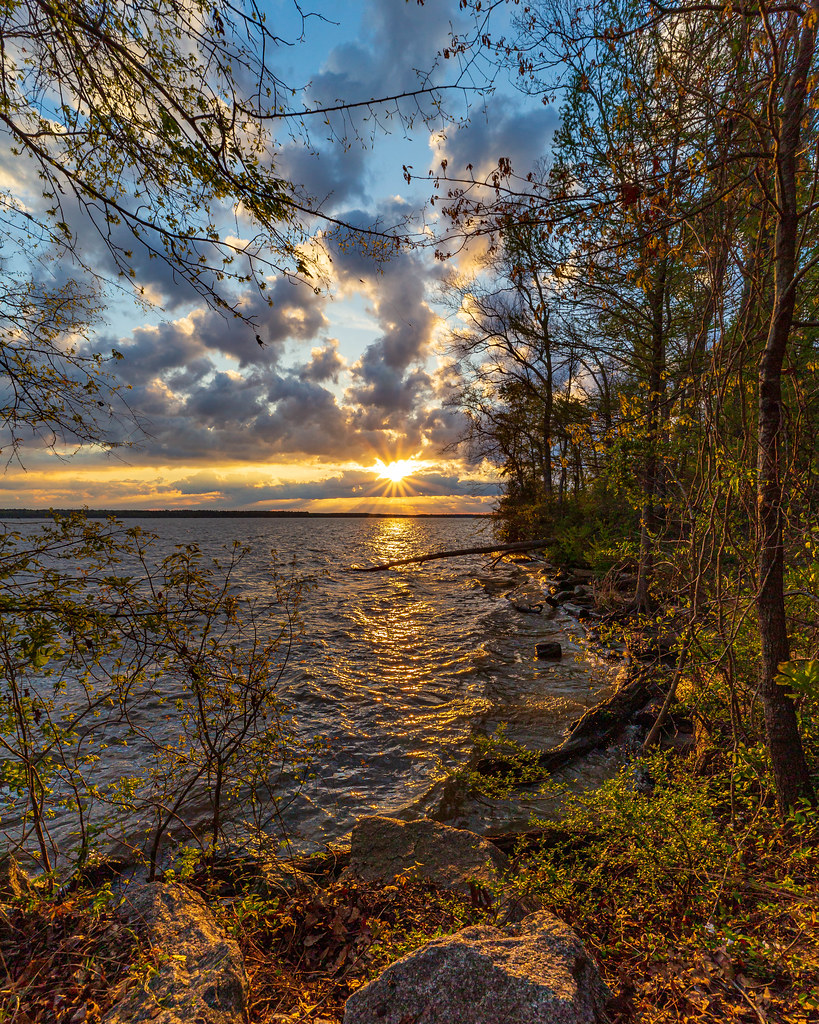
Lake Marion
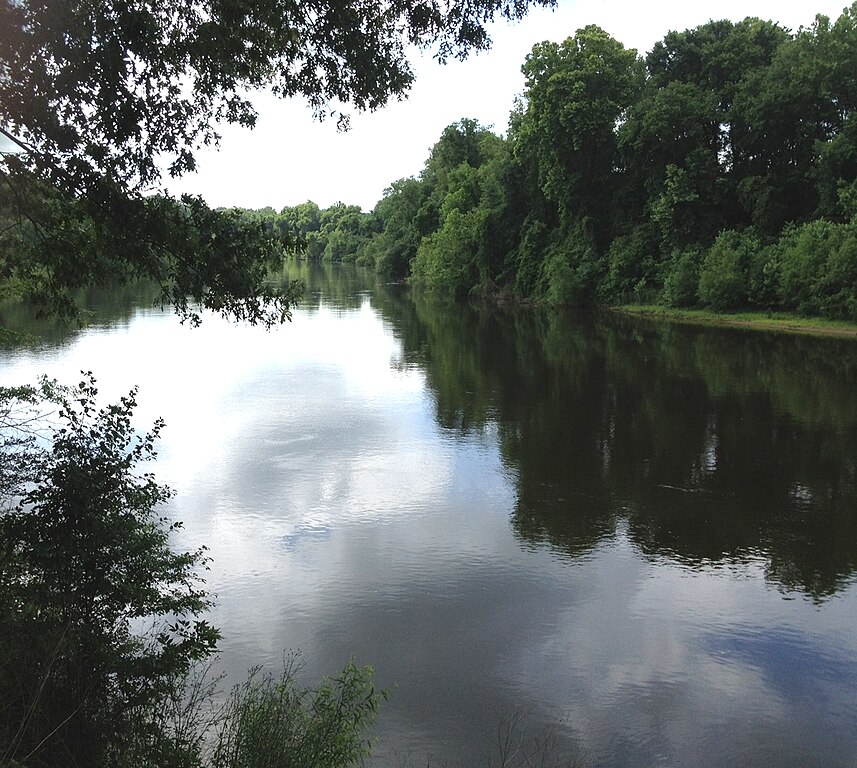
Wateree River
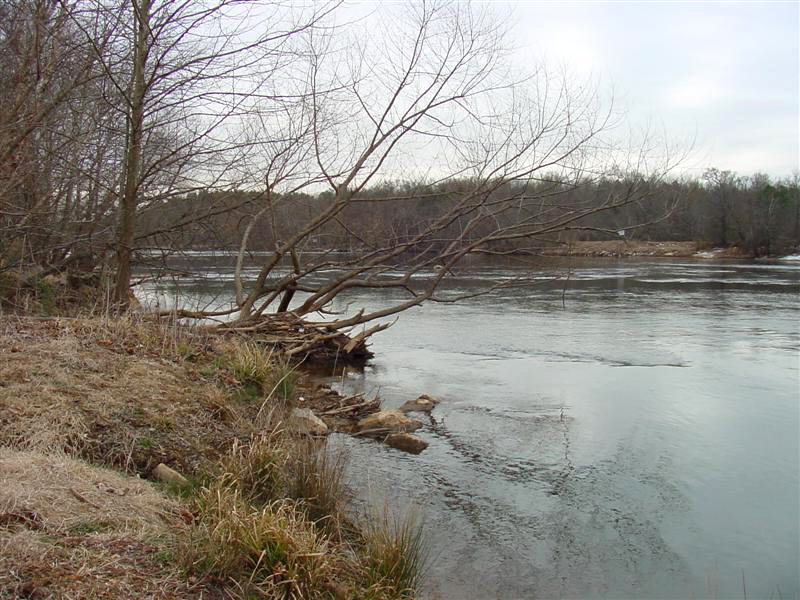
Broad River
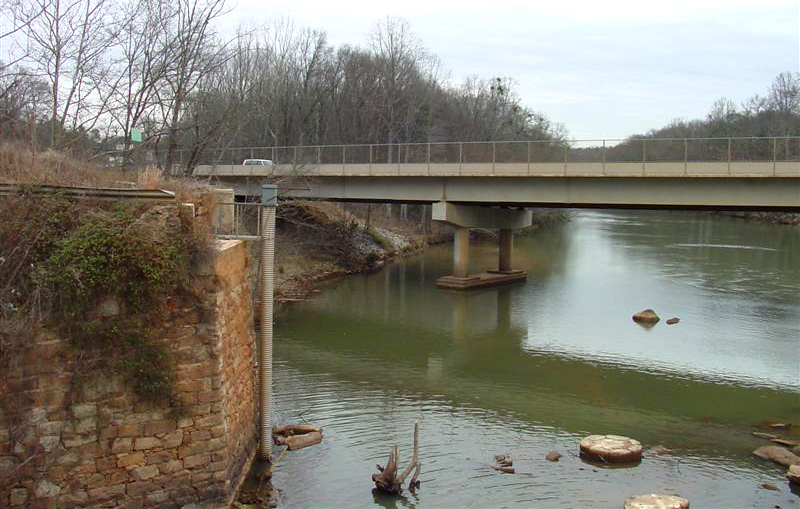
Saluda River
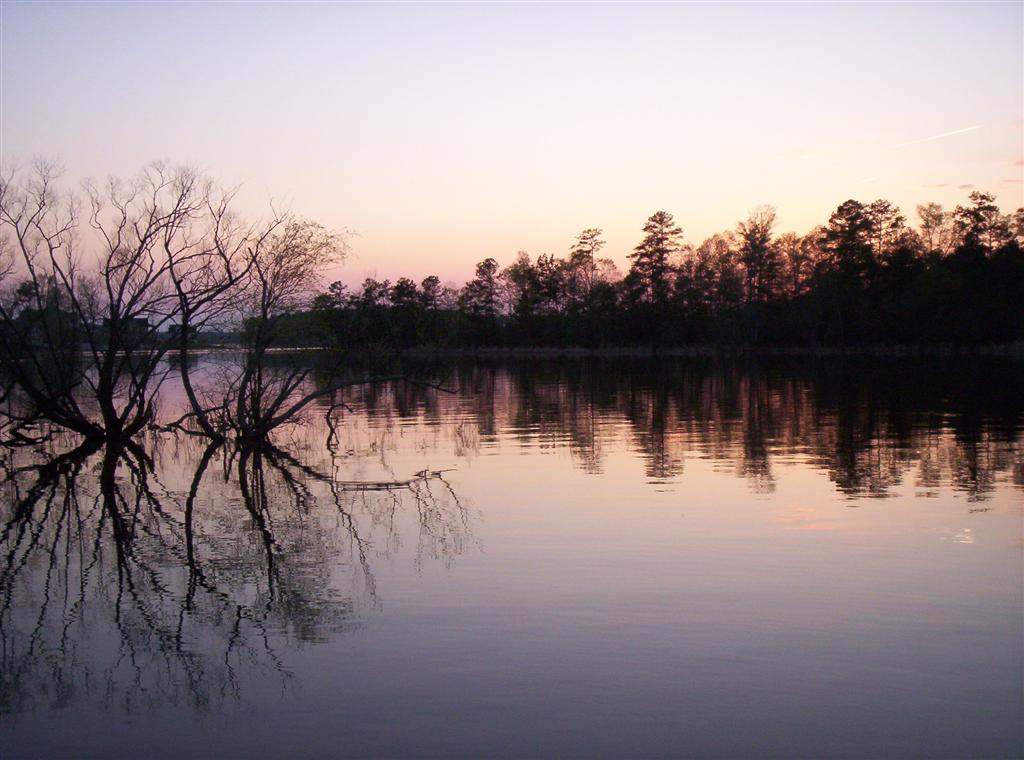
Lake Murray
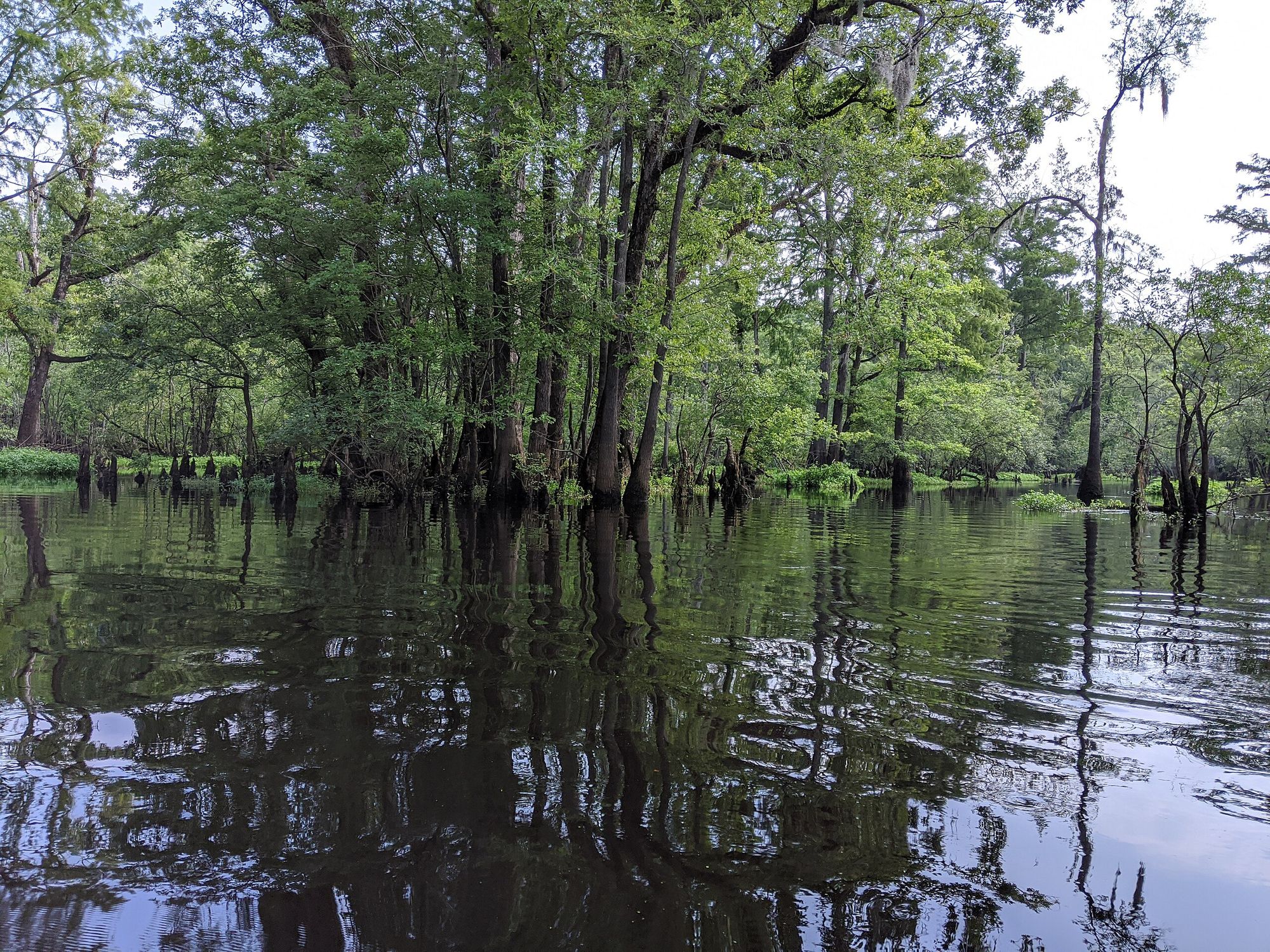
Black River
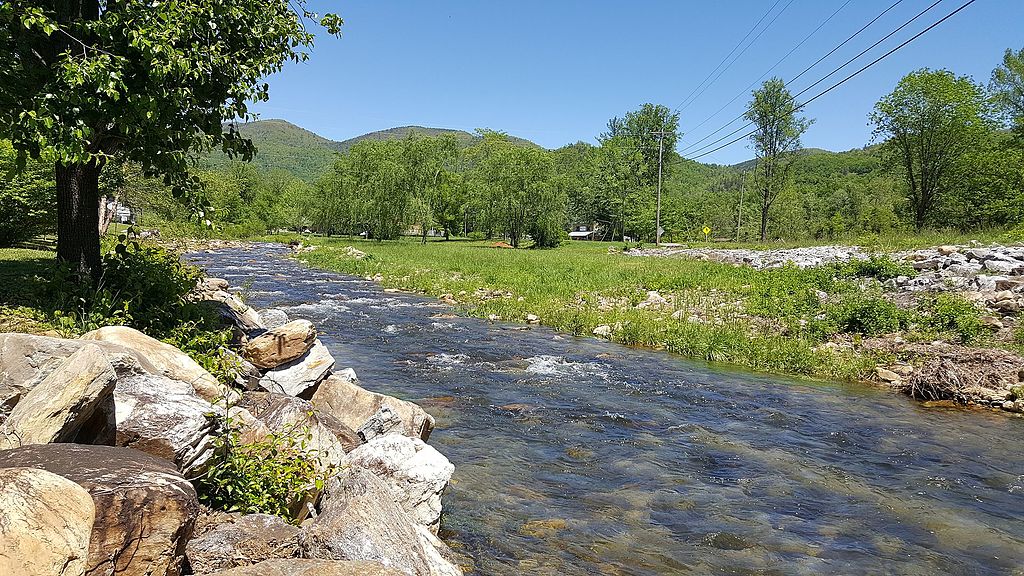
Catawba River
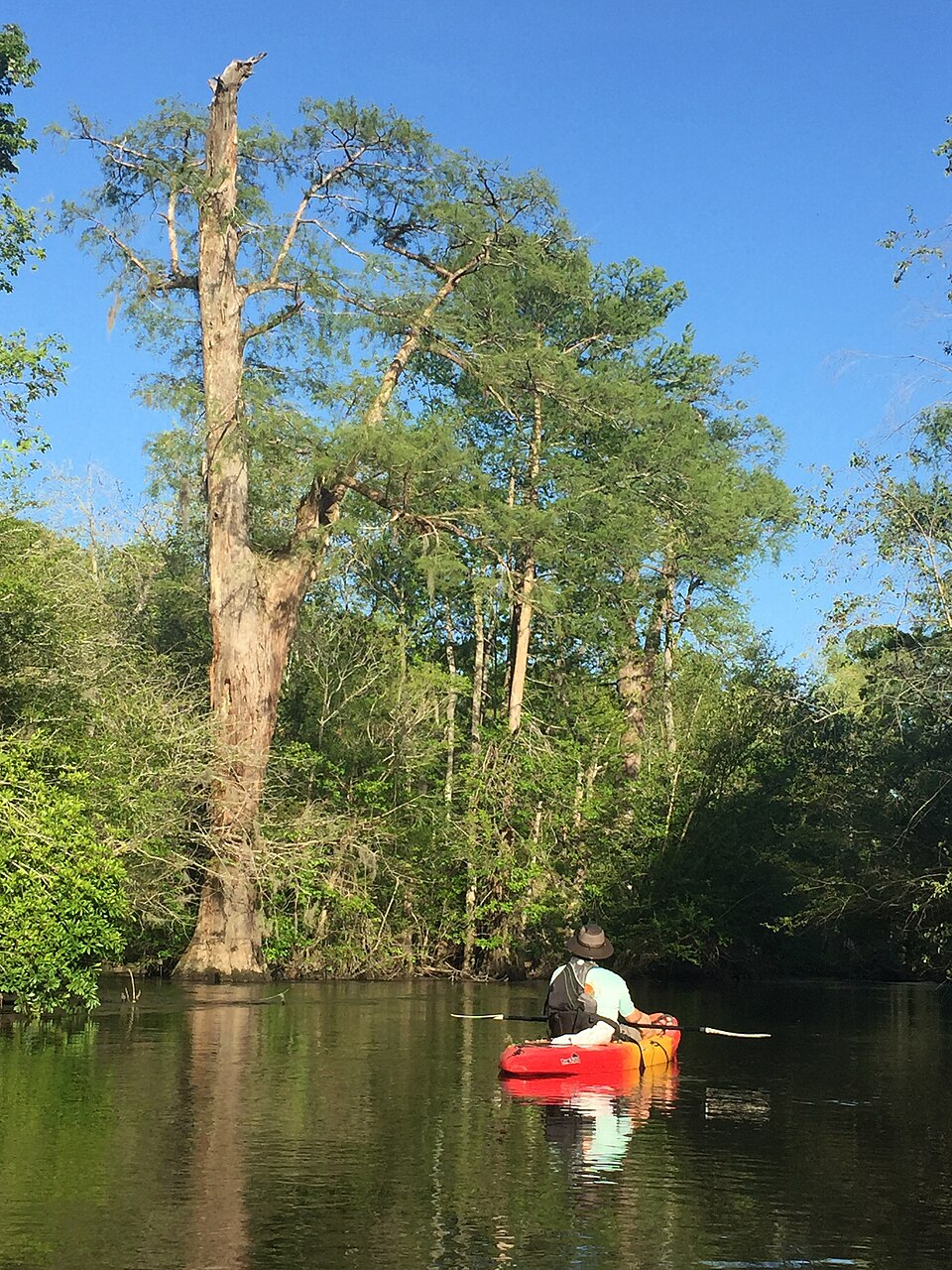
Lynches River
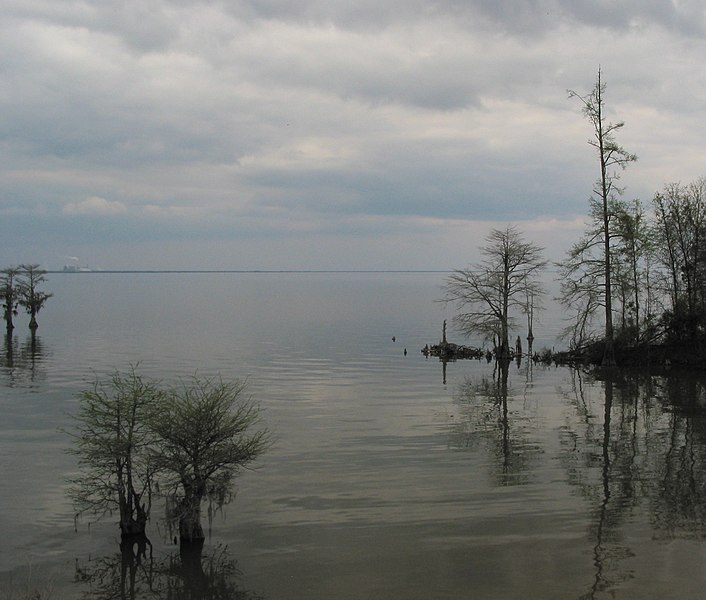
Lake Moultrie
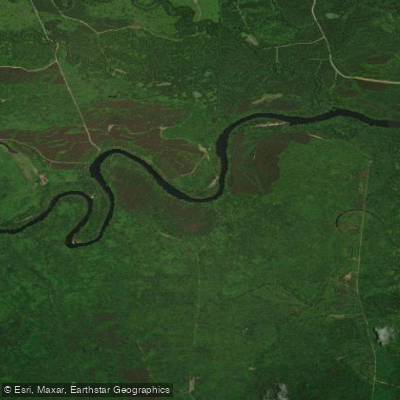
Santee River
What to know
Habitat Distribution
- Found in offshore coastal waters, nearshore reefs, artificial structures, jetties, inlets, and occasionally enter high-salinity estuarine waters.
Key Locations
- Charleston Harbor, Myrtle Beach area, Winyah Bay, Murrells Inlet, Georgetown area jetties, nearshore artificial reefs, and offshore waters 1-5 miles from shore.
Specific Spots
- Typically hunt in the upper third of the water column, often 20-40 feet below the surface.
Spanish Mackerel FAQ
Answers from onWater's species guide.
What are the best lures and bait for Spanish Mackerel in South Carolina?
Rapala X-Rap plugs (size 8-10 in white/ghost), Kastmaster or Crocodile casting spoons (3/4-1 oz in gold/silver), Bass Assassin Sea Shad soft plastics (4 inch in chartreuse/glow), Gotcha lures with chrome finish, diamond jigs for finicky fish, Clark spoons, live shrimp, and cut bait on long-shank hooks.
When is the best time to fish for Spanish Mackerel in South Carolina?
Most productive from April through November, with peak action occurring from July through October when water temperatures are optimal. The species follows a seasonal migration pattern, arriving in South Carolina waters as temperatures warm in spring and providing excellent fishing through autumn.
How do you catch Spanish Mackerel in South Carolina?
Trolling spoons behind planers, casting spoons and plugs with fast, erratic retrieves, drift fishing with live shrimp or cut bait on long-shank hooks, and sight-casting to surface-feeding schools. For trolling, use Clark spoons with #1 or #2 planers at 5-7 mph, or troll Rapala X-Raps without planers in shallow areas.
What do Spanish Mackerel eat?
Feed primarily on small schooling fish including anchovies (Anchoa spp.), sardines, threadfin herring, and glass minnows. They also consume shrimp and squid as secondary prey items.
Where do Spanish Mackerel live in South Carolina?
Found in offshore coastal waters, nearshore reefs, artificial structures, jetties, inlets, and occasionally enter high-salinity estuarine waters.
Fish smarter with real-time insights
Whether you're en route and conditions shift or you're looking for the best spot based on current flows, we enable you to make informed decisions on the fly.




See it in the app
Most maps show you water.
onWater shows you Spanish Mackerel.



- 01 · Species map filter
Map every Spanish Mackerel water
Pick Spanish Mackerel and the map zeroes in on the waters they call home. No more guessing which lake holds them.
- 02 · Waterbody species
Tap any water. See what lives there.
Species, behavior and seasonal patterns for every lake, river and pond, before you leave the driveway.
- 03 · Angler Intelligence
Ask how to catch Spanish Mackerel
Tactics, gear and timing from onWater's AI fishing guide, tuned to the species and the water you're on.
Stop guessing where Spanish Mackerel are.
Open the map, filter by Spanish Mackerel, and head to water that holds them. Download onWater and plan your next trip in minutes.
- Species map filter
- Angler Intelligence
- Fishing journal
Explore other species
Trout, bass, salmon, panfish and everything in between. Each guide unpacks the behavior, seasons, and tactics that put fish in the net.
No species information available.
South Carolina licenses and regulations
Explore nearby waters
Explore South Carolina waters
Top fishing waters
Popular Cities
Loading popular cities...

Smarter Fishing Starts in the App.
onWater Fish gives you everything you need to plan smarter, fish better, and own every trip from first cast to last.