Smallmouth Buffalo

Smallmouth Buffalo are not native to South Carolina but have established populations since their introduction by unknown means, with documented presence from 1986-2009.
These stocky fish are often mistaken for carp but belong to the sucker family (Catostomidae) and lack the barbels characteristic of carp.
Scientific Name: Ictiobus bubalus
- They have deep, highly compressed bodies with bronze to slate olive coloring that lightens with age, slate brown fins, and distinctive small, downturned sucker mouths with 180-190 small teeth per arch.
Fishing in South Carolina

Lake Marion

Wateree River

Broad River

Saluda River

Lake Murray
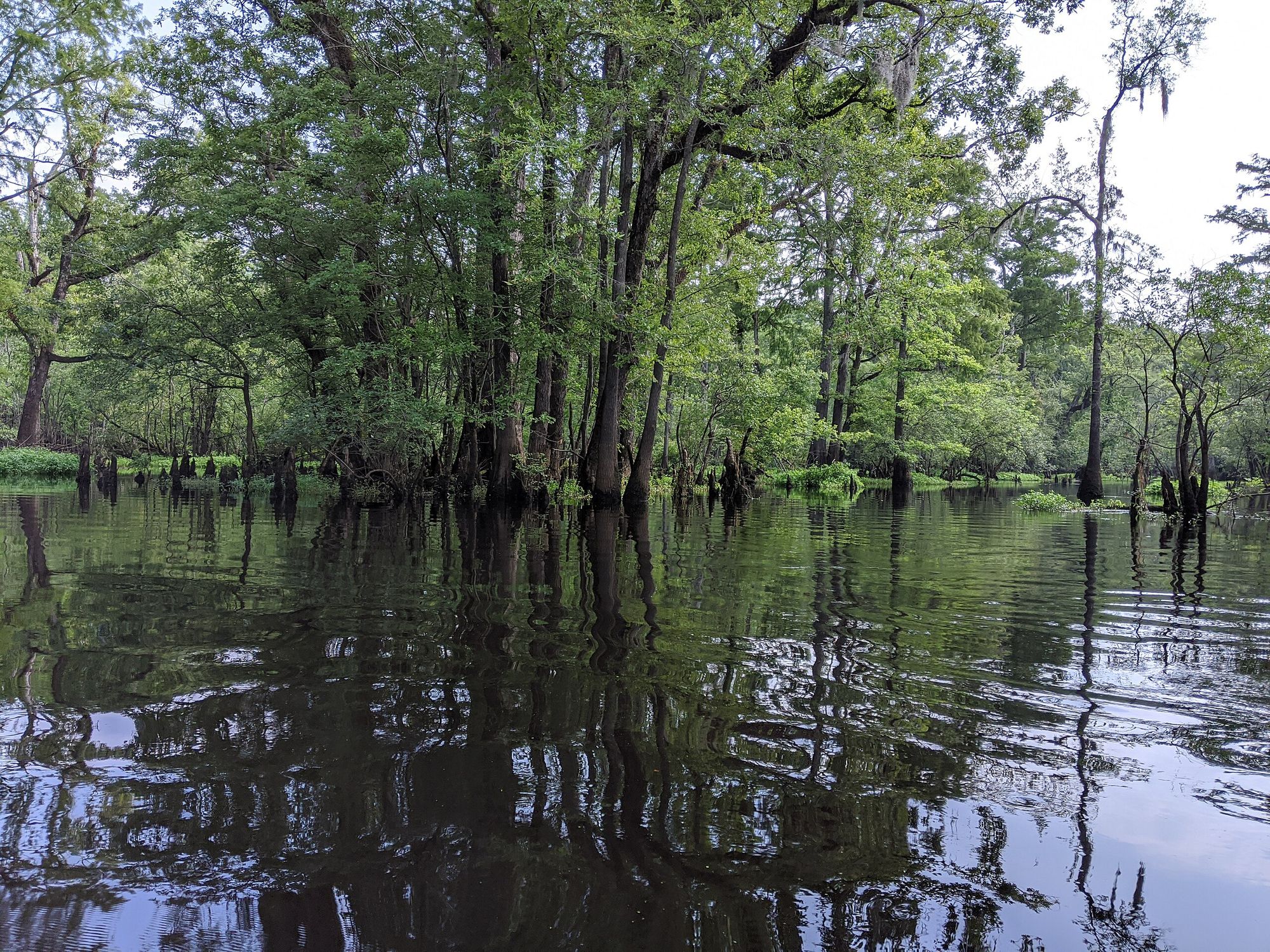
Black River
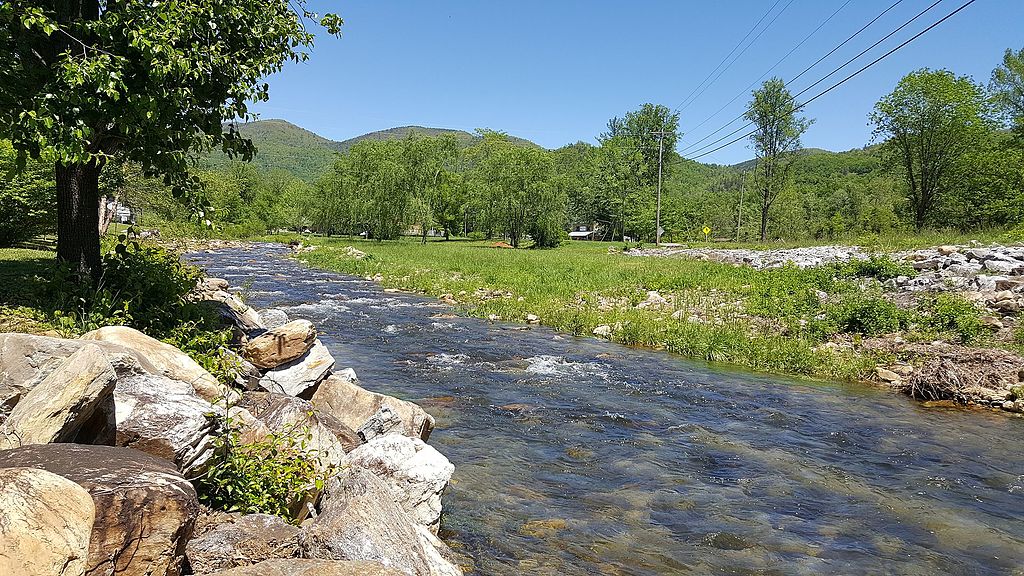
Catawba River

Lynches River

Lake Moultrie
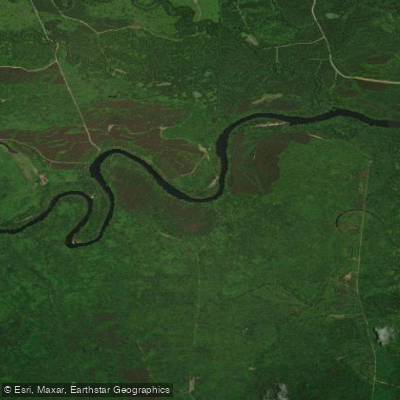
Santee River
What to know
Habitat Distribution
- They inhabit oxbow lakes, abandoned channels, and main river sections.
Key Locations
- In South Carolina, they're found in multiple river systems including the Carolina Coastal-Sampit, Lower and Upper Broad River, Lower and Upper Catawba, Lower Pee Dee, Santee, and Wateree watersheds.
- The Pee Dee River system is particularly notable.
Specific Spots
- Target areas with fine substrates, dense aquatic vegetation, and silty bottoms in calm eddies, deeper holes, and current breaks.
Smallmouth Buffalo FAQ
Answers from onWater's species guide.
What are the best lures and bait for Smallmouth Buffalo in South Carolina?
Effective baits include nightcrawlers, dough balls (particularly corn puffs packed with bread crumbs, soybean meal, and cream style corn), cut bait, semolina balls, corn, and range cubes for pre-baiting areas.
What flies work for Smallmouth Buffalo in South Carolina?
For fly fishing, use carp-style patterns like woolly buggers, marabou jigs (1/100 oz), carp crack, foxy lady patterns, glo bugs, and small foam patterns during surface feeding. Bloodworms and mayfly patterns also produce results.
How do you catch Smallmouth Buffalo in South Carolina?
Pre-bait areas with range cubes, birdseed, corn, and flavored attractants to concentrate fish. Present flies quietly and precisely, often requiring the fly to be placed directly in their feeding lane with minimal movement to trigger strikes.
What do Smallmouth Buffalo eat?
These bottom feeders are opportunistic, with juveniles eating copepods, cladocerans, algae, duckweed, protozoans, rotifers, and insect larvae.
Fish smarter with real-time insights
Whether you're en route and conditions shift or you're looking for the best spot based on current flows, we enable you to make informed decisions on the fly.




See it in the app
Most maps show you water.
onWater shows you Smallmouth Buffalo.



- 01 · Species map filter
Map every Smallmouth Buffalo water
Pick Smallmouth Buffalo and the map zeroes in on the waters they call home. No more guessing which lake holds them.
- 02 · Waterbody species
Tap any water. See what lives there.
Species, behavior and seasonal patterns for every lake, river and pond, before you leave the driveway.
- 03 · Angler Intelligence
Ask how to catch Smallmouth Buffalo
Tactics, gear and timing from onWater's AI fishing guide, tuned to the species and the water you're on.
Stop guessing where Smallmouth Buffalo are.
Open the map, filter by Smallmouth Buffalo, and head to water that holds them. Download onWater and plan your next trip in minutes.
- Species map filter
- Angler Intelligence
- Fishing journal
Explore other species
Trout, bass, salmon, panfish and everything in between. Each guide unpacks the behavior, seasons, and tactics that put fish in the net.
No species information available.
South Carolina licenses and regulations
Explore nearby waters
Explore South Carolina waters
Top fishing waters
Popular Cities
Loading popular cities...

Smarter Fishing Starts in the App.
onWater Fish gives you everything you need to plan smarter, fish better, and own every trip from first cast to last.