Northern Hogsucker
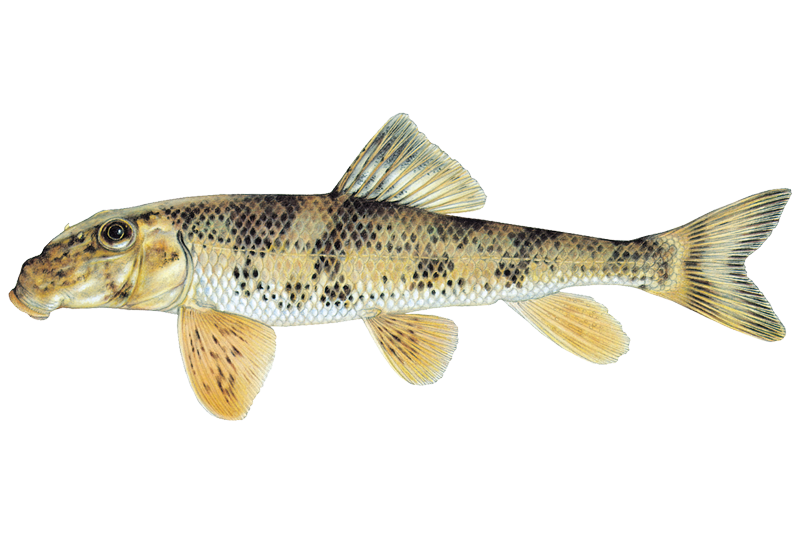
The Northern Hogsucker is a distinctive freshwater sucker species found in South Carolina's stream systems, particularly documented in the Savannah River drainage and Broad River systems.
This bottom-dwelling fish plays an important ecological role by stirring up aquatic insects that become prey for other species.
Scientific Name: Hypentelium nigricans
- Characterized by its square, box-shaped head with large lips covered in small bumps and a distinctive black line around the lips not found in other species.
- They have large, speckled scales with an overall golden-brown coloration and mottled camouflage patterns.
- Northern Hogsuckers typically reach 8-10 inches and weigh around a pound, though they can grow up to 14.5 inches and approach two pounds.
Fishing in South Carolina
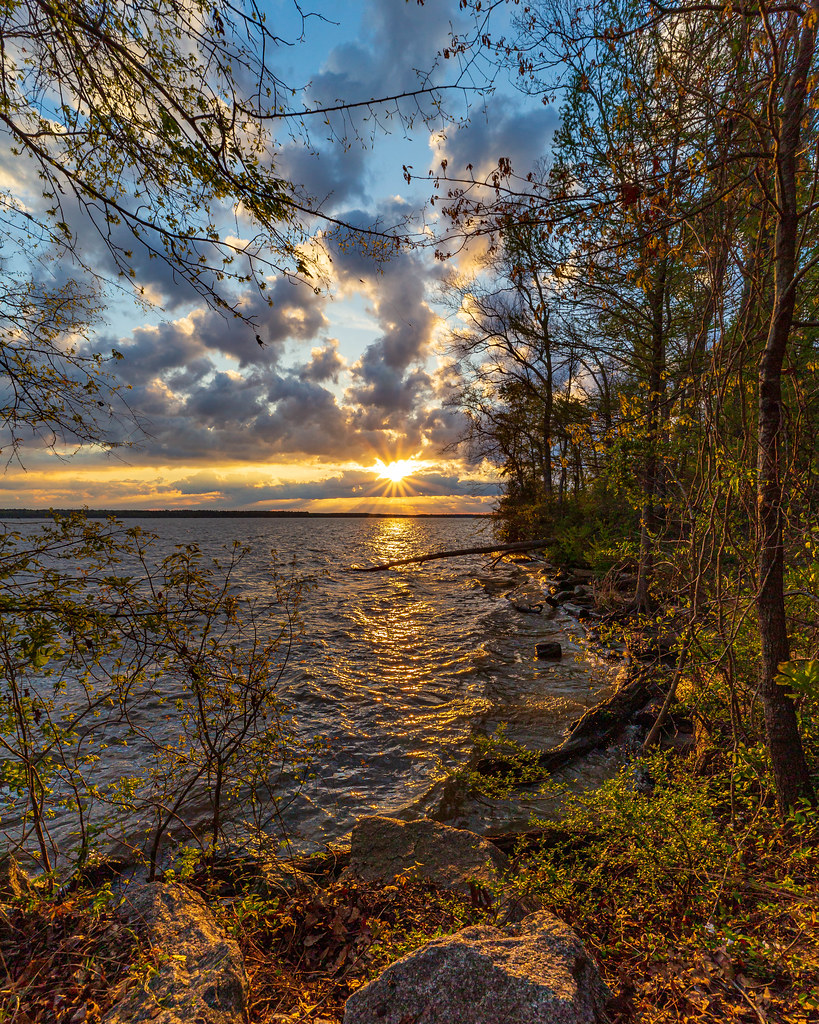
Lake Marion
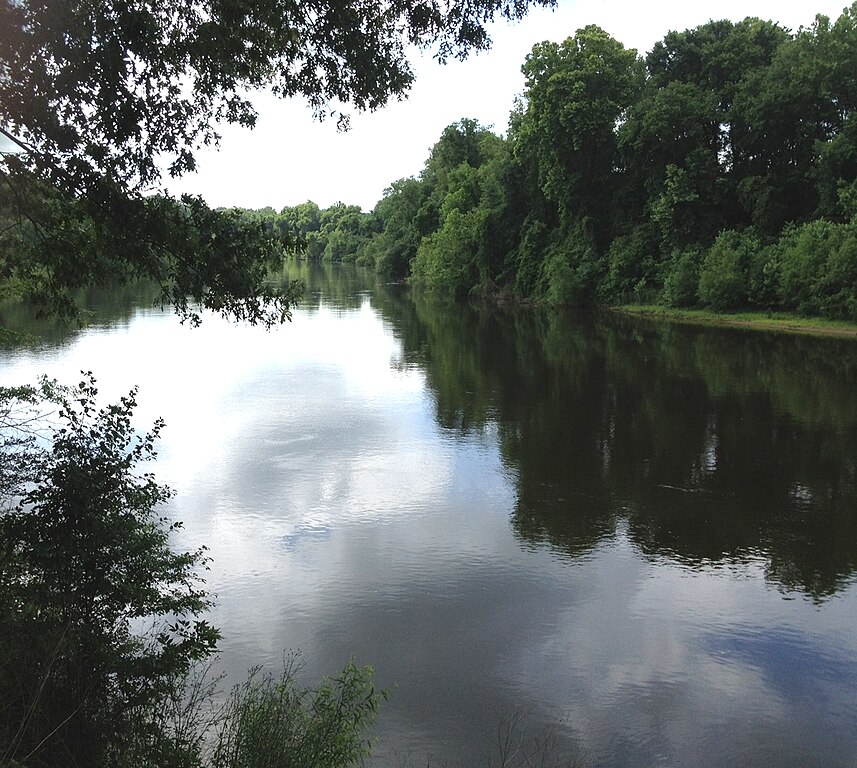
Wateree River
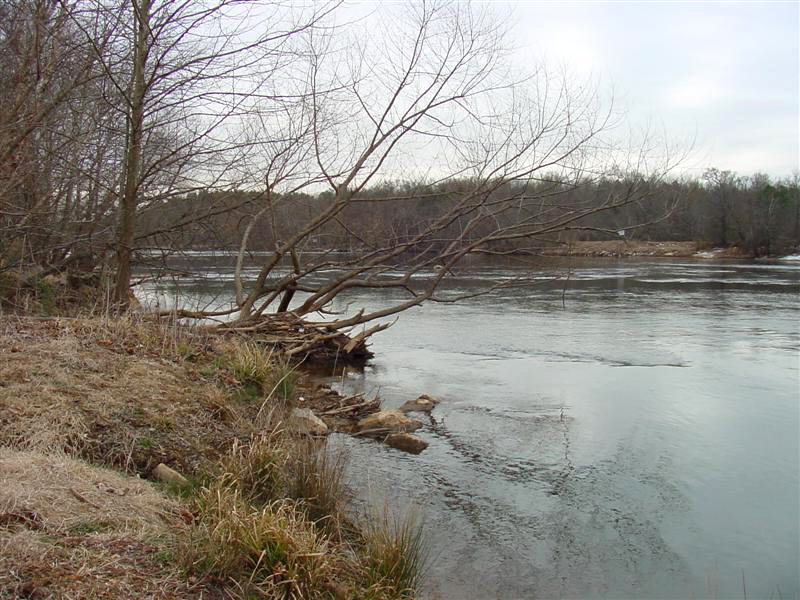
Broad River
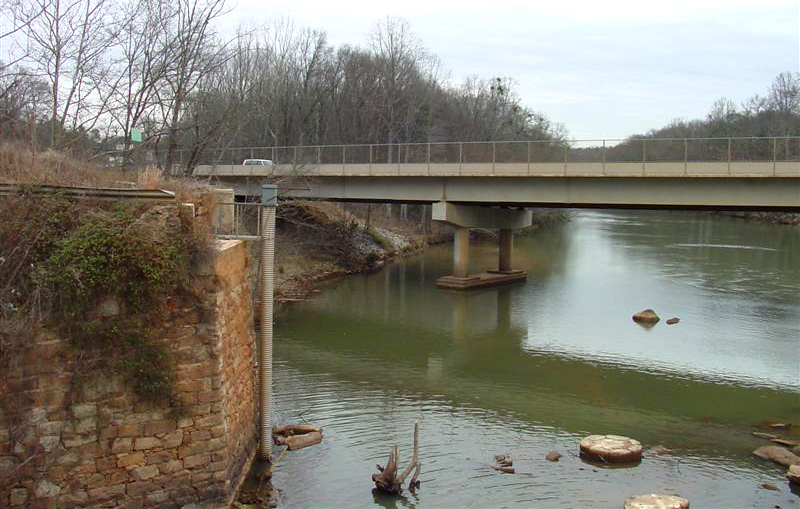
Saluda River
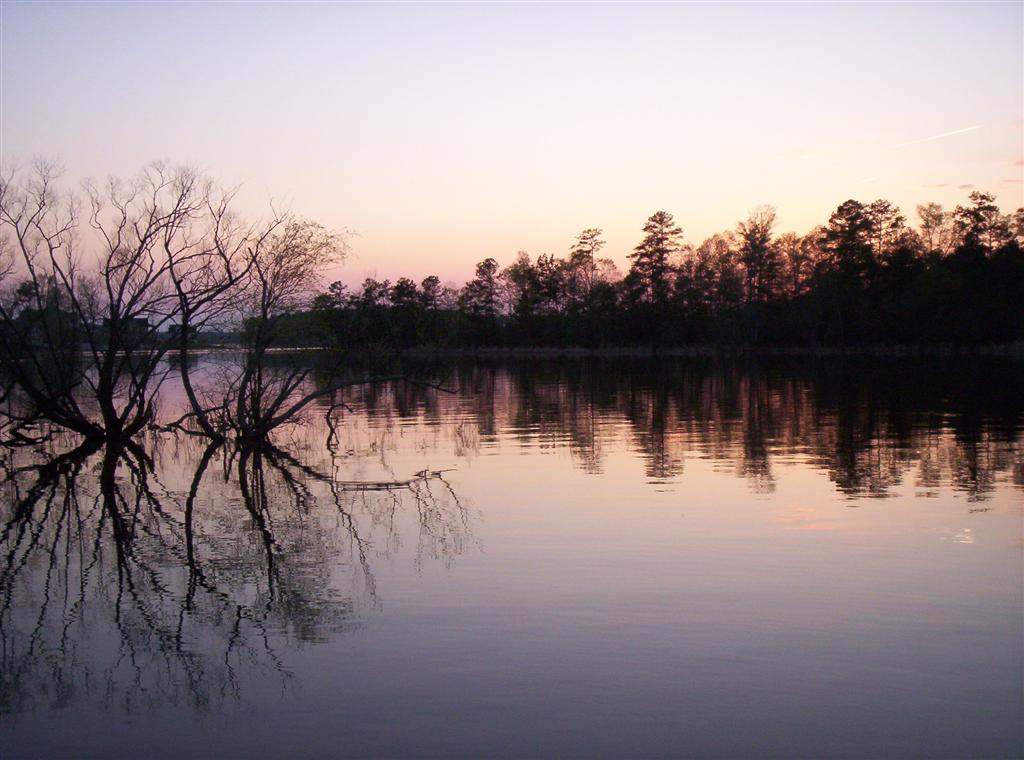
Lake Murray
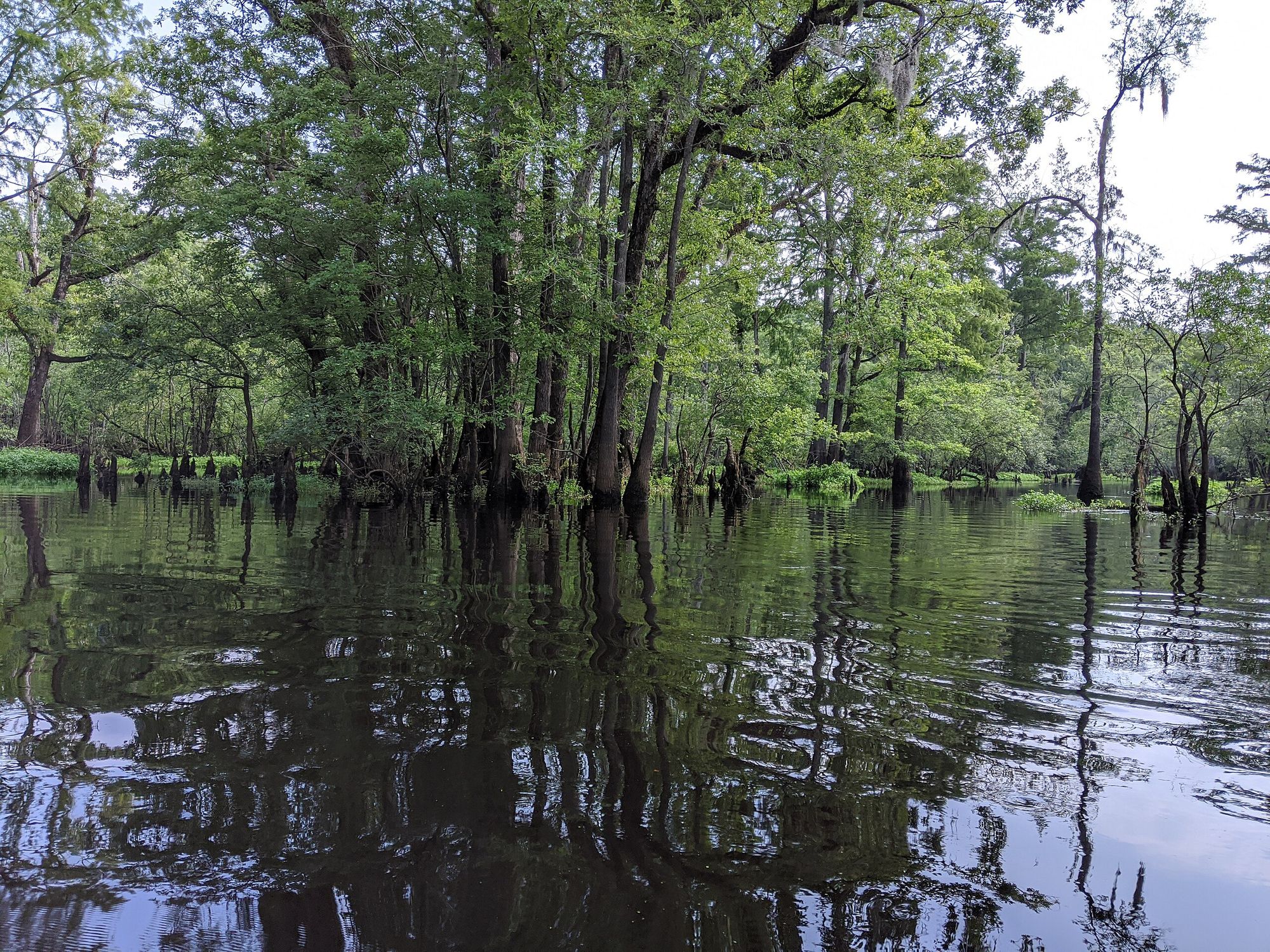
Black River
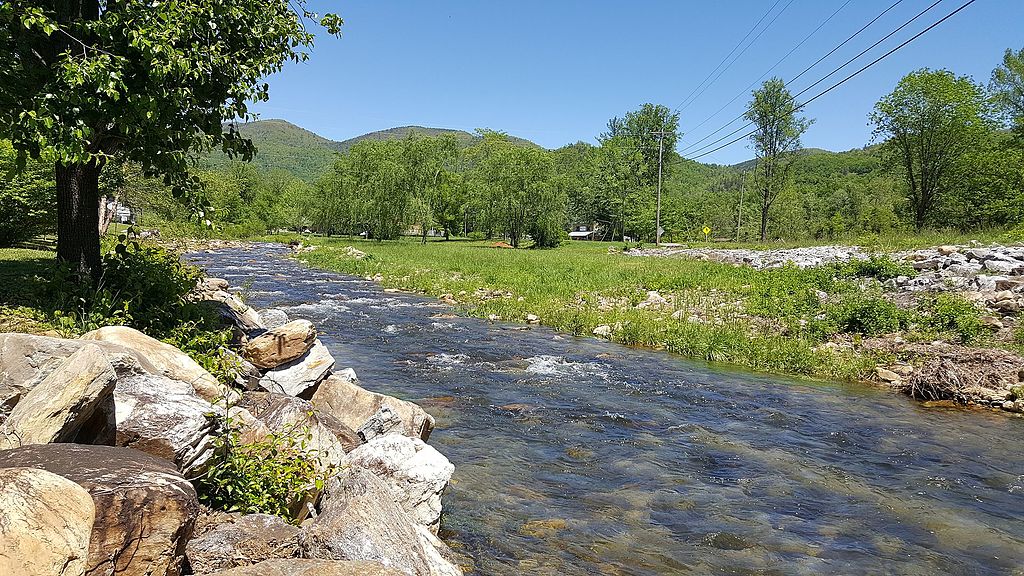
Catawba River
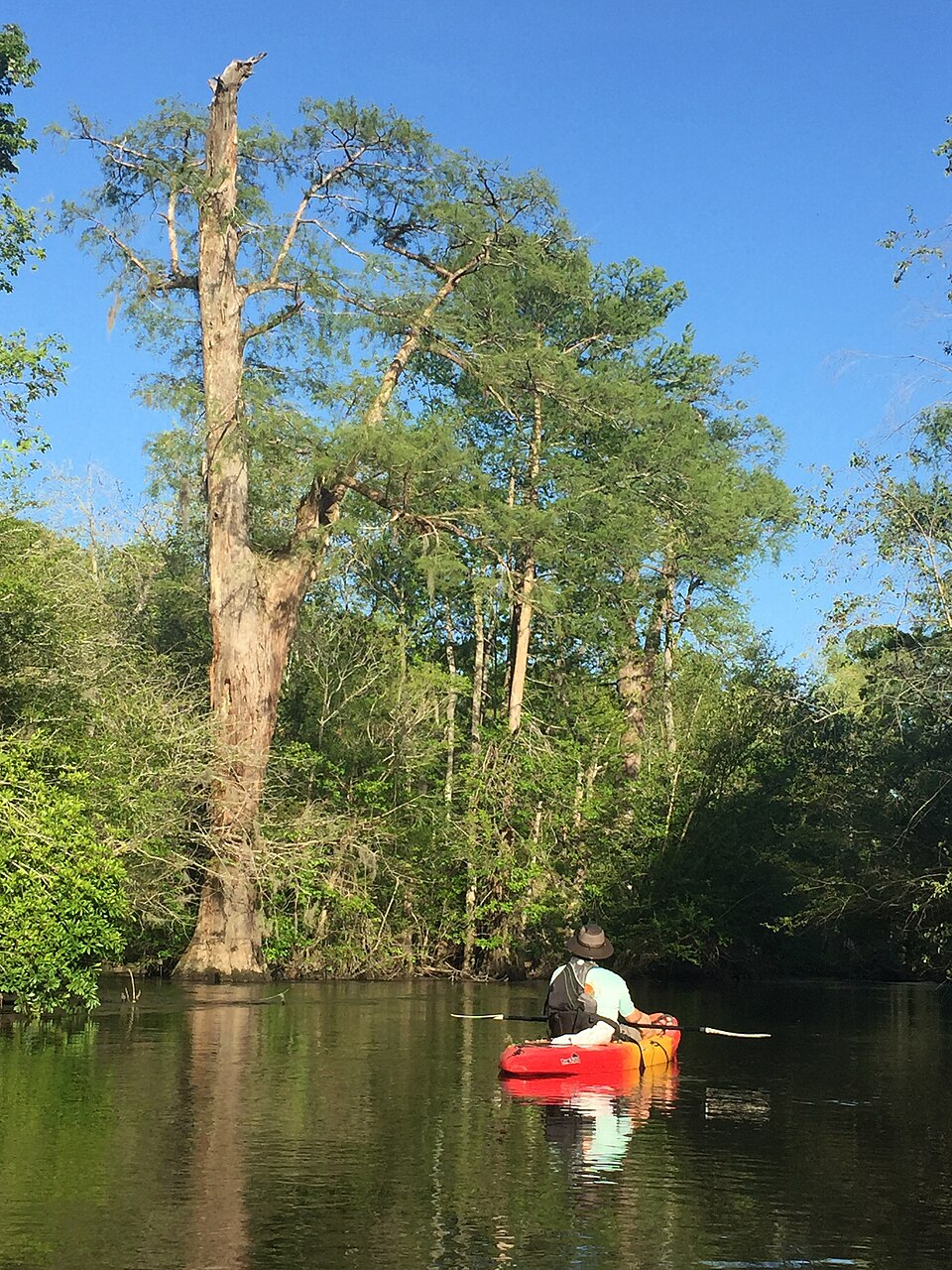
Lynches River
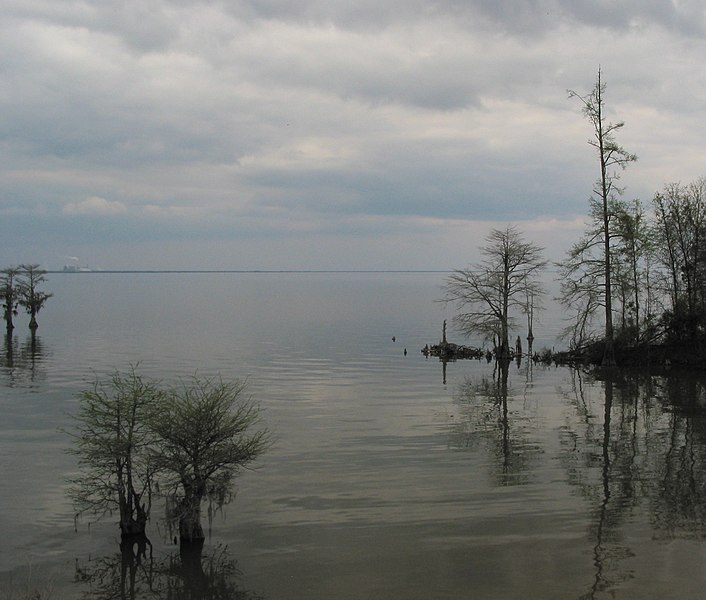
Lake Moultrie
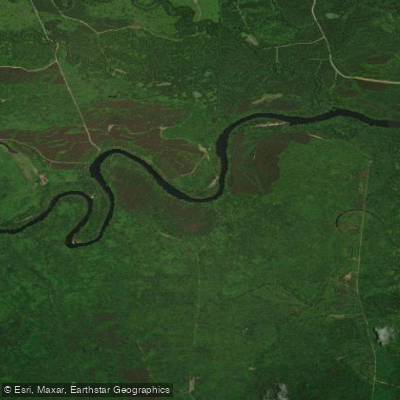
Santee River
What to know
Habitat Distribution
- They inhabit clear, fast-flowing streams and rivers with rocky substrates, preferring riffle areas in medium-sized creeks and small rivers, though they can also be found in reservoirs.
Key Locations
- Savannah River drainage and Broad River systems.
Specific Spots
- Target riffle areas in clear, rocky streams with good current flow.
Northern Hogsucker FAQ
Answers from onWater's species guide.
What are the best lures and bait for Northern Hogsucker in South Carolina?
Red worms, nightcrawlers, and earthworms on small hooks work best. For artificial lures, small soft plastics like Mini Trout Magnets or small spinners can work when placed precisely in front of feeding fish.
What flies work for Northern Hogsucker in South Carolina?
Weighted nymphs, particularly hare's ear nymphs in sizes 4-8. Focus on conehead and beadhead streamers in black and brown colors.
When is the best time to fish for Northern Hogsucker in South Carolina?
The best fishing occurs in spring and fall when water temperatures are moderate, avoiding the May spawning period.
How do you catch Northern Hogsucker in South Carolina?
Live bait is the most effective approach. Lightly weight your bait to anchor it on the bottom rather than letting it drift freely. Cast upstream so your bait drifts naturally to land a few inches in front of the fish, anticipating their forward movement.
What do Northern Hogsucker eat?
Their diet consists primarily of insect larvae, crustaceans, mollusks, diatoms, algae, and bits of vegetation, which they obtain by turning over stones and scraping material off rocks with their suction-cup mouths.
Fish smarter with real-time insights
Whether you're en route and conditions shift or you're looking for the best spot based on current flows, we enable you to make informed decisions on the fly.




See it in the app
Most maps show you water.
onWater shows you Northern Hogsucker.



- 01 · Species map filter
Map every Northern Hogsucker water
Pick Northern Hogsucker and the map zeroes in on the waters they call home. No more guessing which lake holds them.
- 02 · Waterbody species
Tap any water. See what lives there.
Species, behavior and seasonal patterns for every lake, river and pond, before you leave the driveway.
- 03 · Angler Intelligence
Ask how to catch Northern Hogsucker
Tactics, gear and timing from onWater's AI fishing guide, tuned to the species and the water you're on.
Stop guessing where Northern Hogsucker are.
Open the map, filter by Northern Hogsucker, and head to water that holds them. Download onWater and plan your next trip in minutes.
- Species map filter
- Angler Intelligence
- Fishing journal
Explore other species
Trout, bass, salmon, panfish and everything in between. Each guide unpacks the behavior, seasons, and tactics that put fish in the net.
No species information available.
South Carolina licenses and regulations
Explore nearby waters
Explore South Carolina waters
Top fishing waters
Popular Cities
Loading popular cities...

Smarter Fishing Starts in the App.
onWater Fish gives you everything you need to plan smarter, fish better, and own every trip from first cast to last.