Bluegill
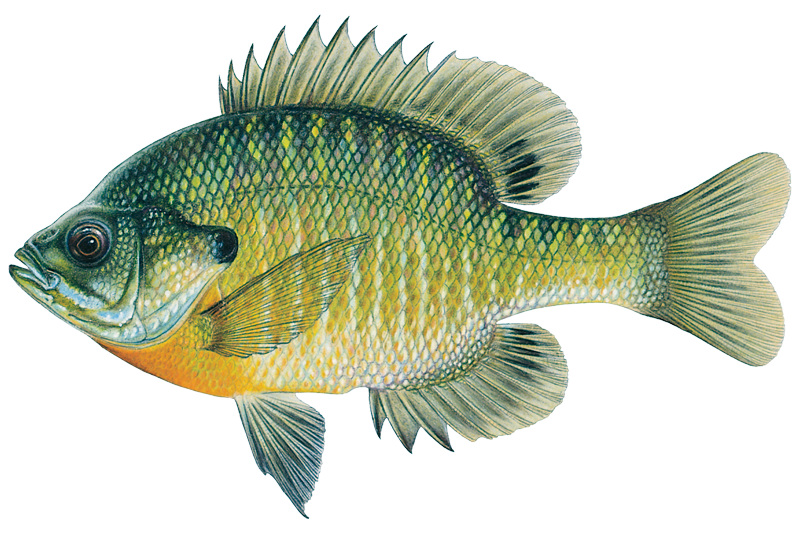
Bluegill are a native freshwater species found statewide throughout South Carolina in all rivers, small and large impoundments, lakes, ponds, and retention basins.
Scientific Name: Lepomis macrochirus
- These laterally compressed sunfish are olive in color with distinctive orange to yellow breasts and clear fins, except for a large black smudge near the bottom of the soft dorsal fin.
- The operculum (gill cover) is tipped with black, and several wide dark vertical bars appear on their sides.
- Breeding males develop pale blue to violet coloring on the upper body with powder blue on the lower jaw and gill cover, plus a red breast.
- Bluegill average 5-10 inches and 3-8 ounces, with South Carolina's state record at 3 pounds, 4 ounces (1973).
Fishing in South Carolina
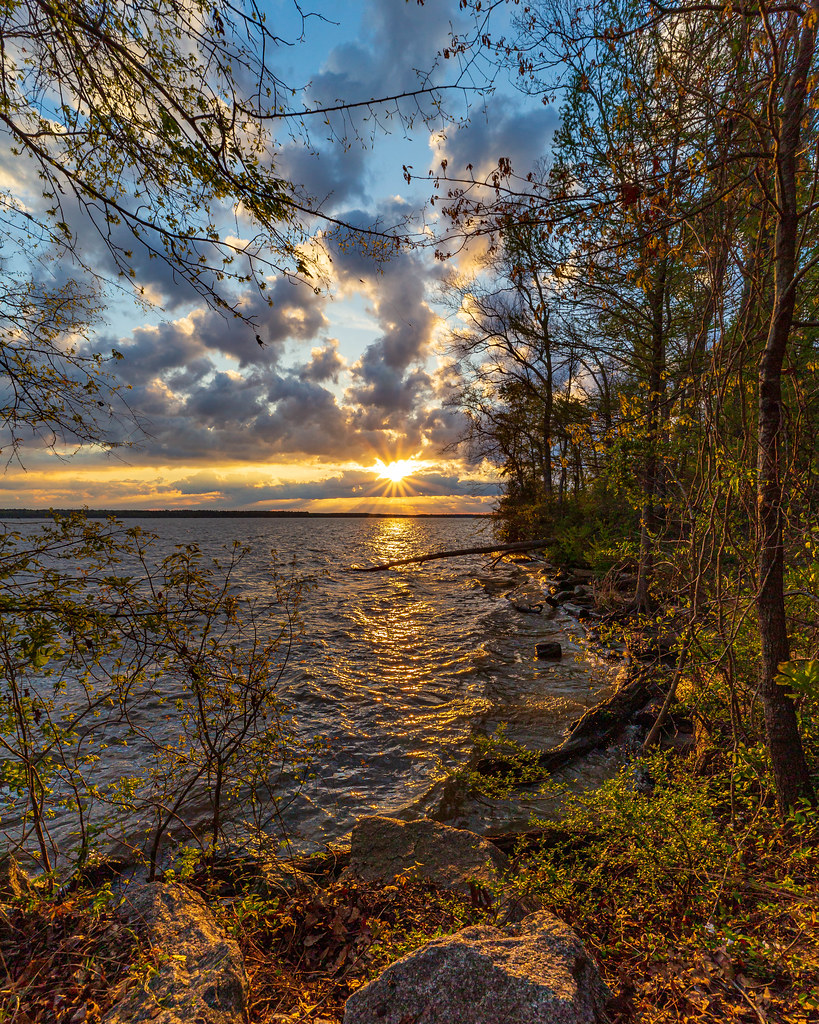
Lake Marion
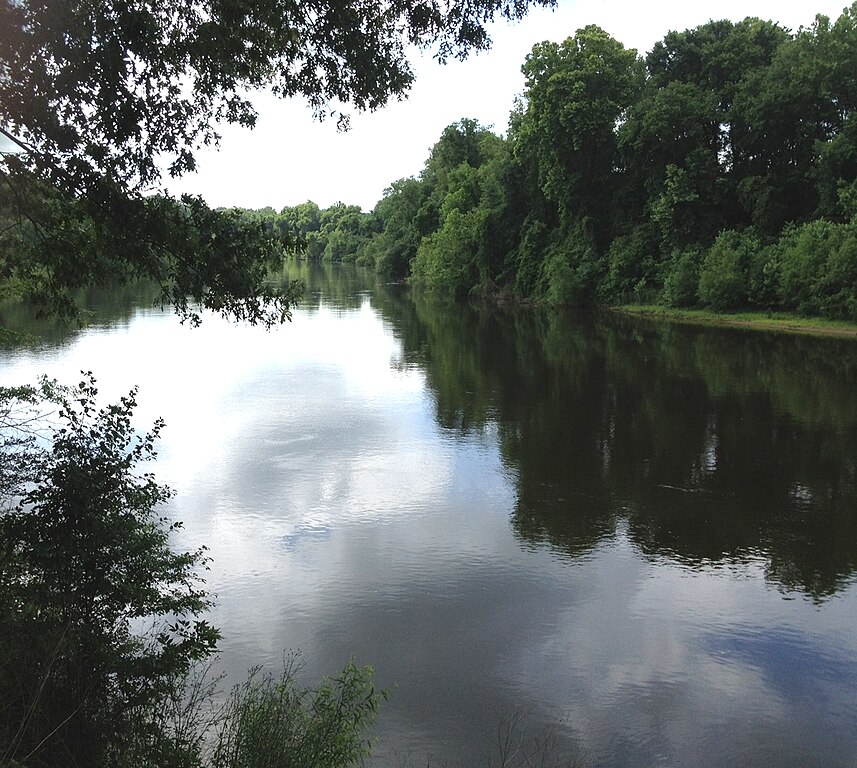
Wateree River
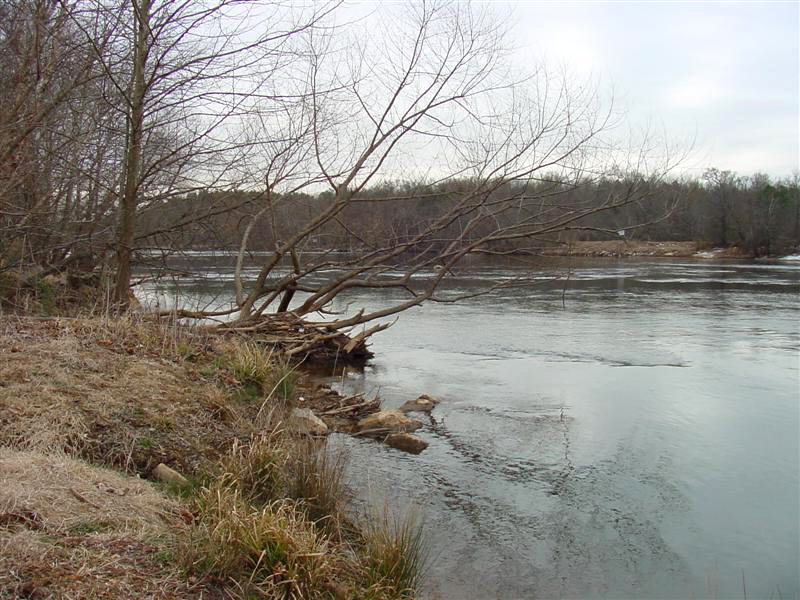
Broad River
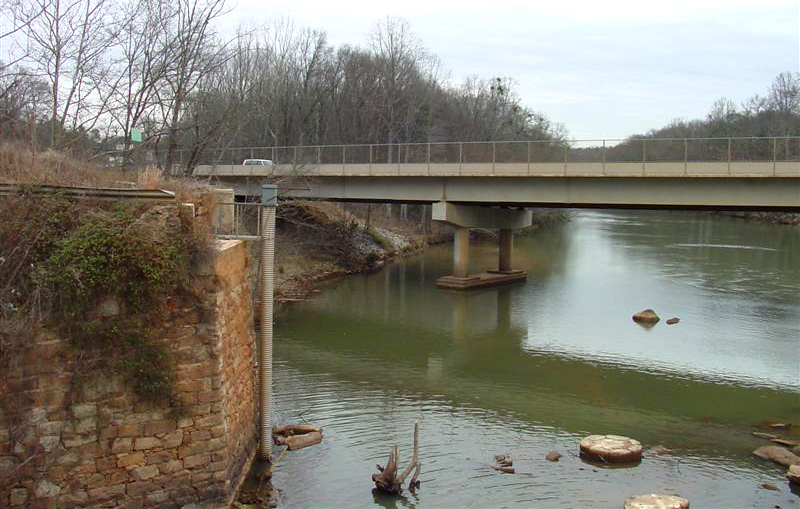
Saluda River
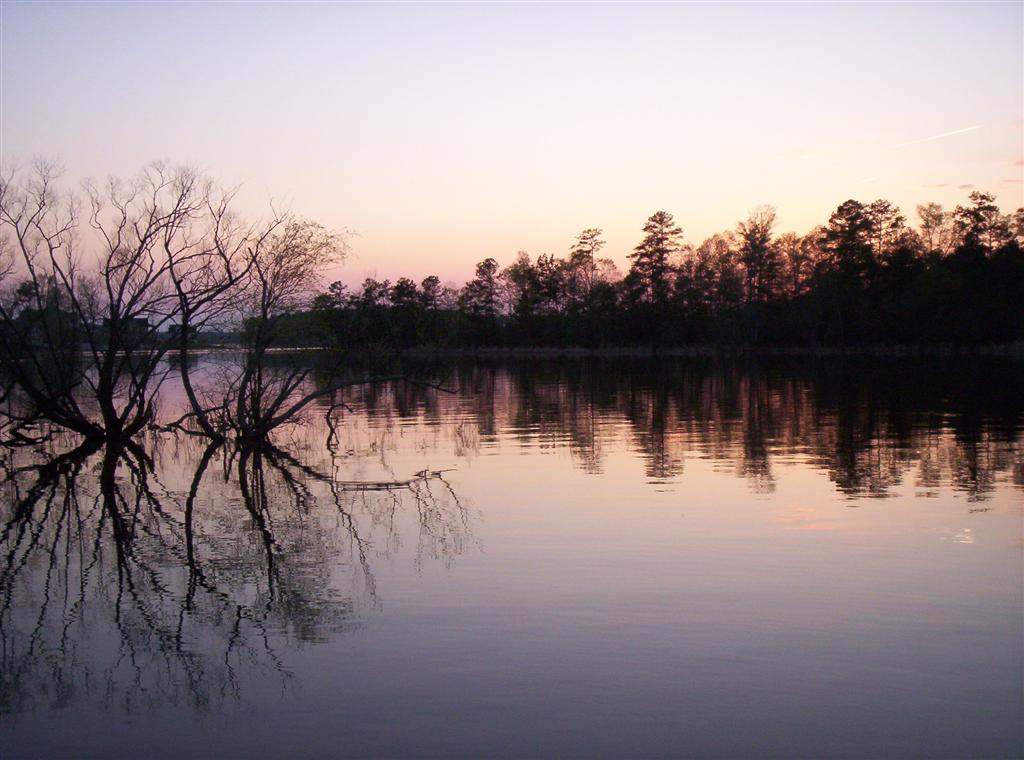
Lake Murray
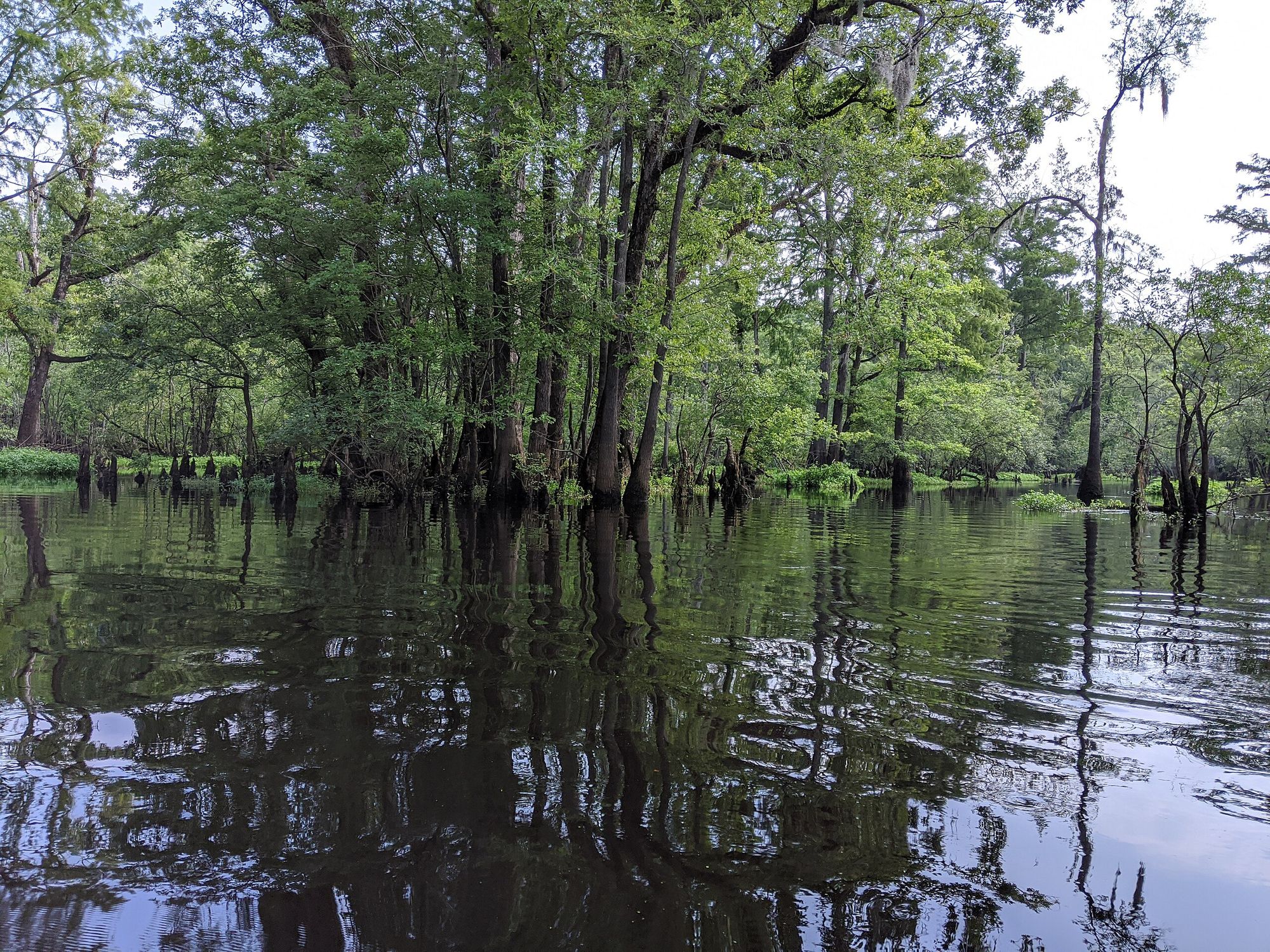
Black River
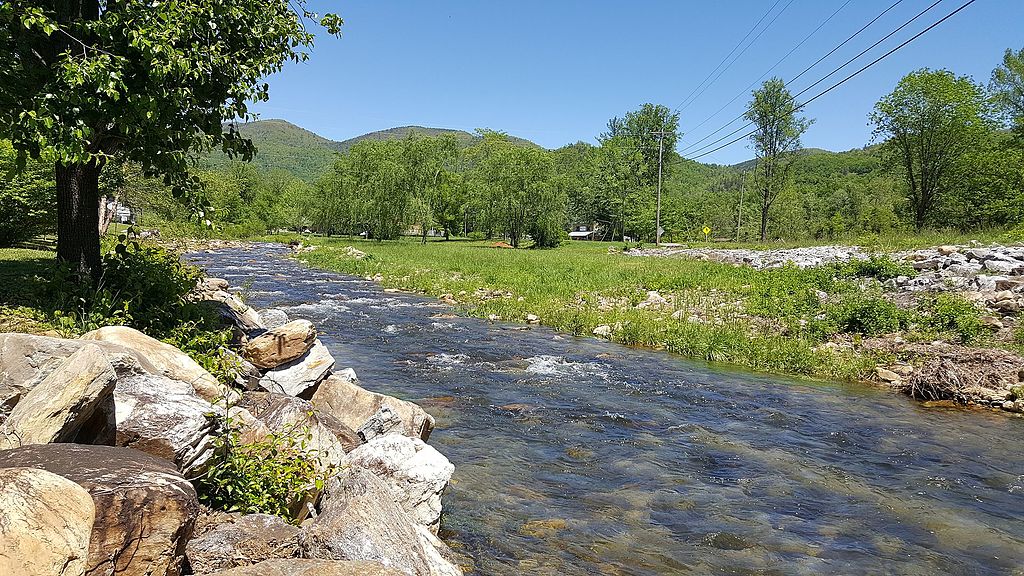
Catawba River
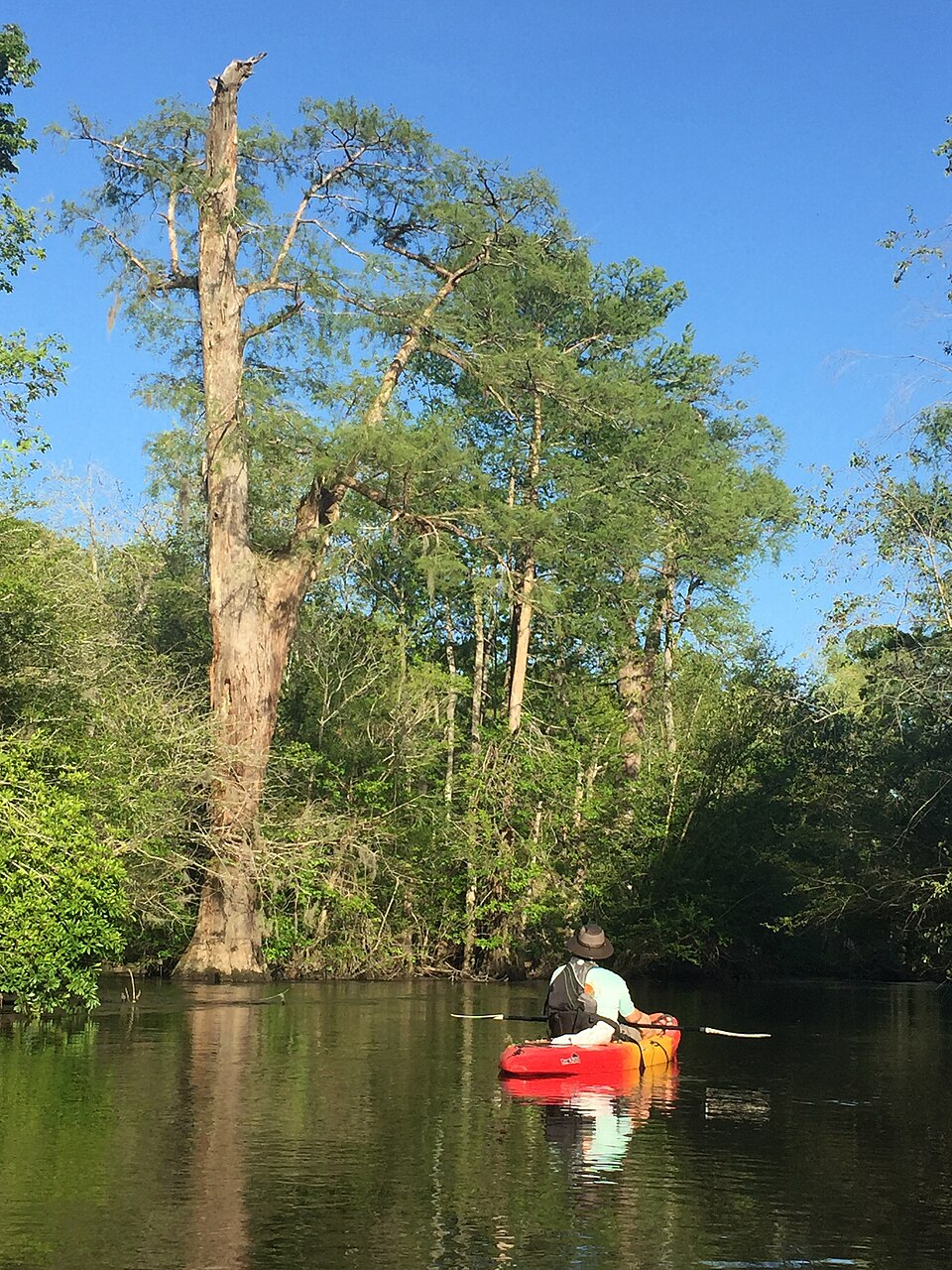
Lynches River
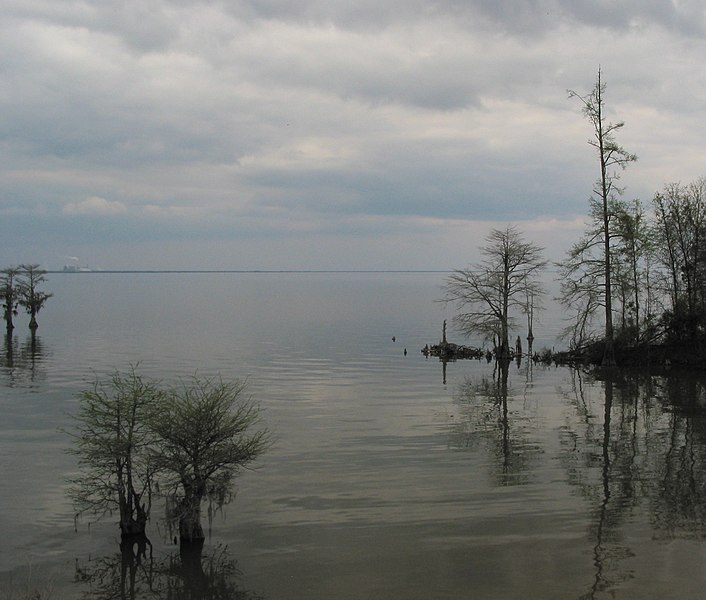
Lake Moultrie
Santee River
What to know
Habitat Distribution
- Found statewide throughout South Carolina in all rivers, small and large impoundments, lakes, ponds, and retention basins.
- Bluegill prefer sluggish or slow-moving water and tolerate diverse habitats including creek pools, rivers, swamps, oxbow lakes, vegetated shores of impoundments, and retention basins.
Specific Spots
- Fish around structure like docks, overhanging trees, brush piles, weed lines, and vegetated shorelines.
- During warm months they stay shallow around shade and structure, moving deeper in summer heat, then to shallow brush piles in fall before wintering in deep water.
- Winter concentrations around deep breaks and cover in 20-50+ feet of water.
Bluegill FAQ
Answers from onWater's species guide.
What are the best lures and bait for Bluegill in South Carolina?
Live baits include red worms (top choice), nightcrawlers, crickets, catalpa worms, and waxworms. For artificials, try 1-inch crankbaits, 1/32-ounce jigs with small plastic spiders or grubs, inline spinners, tiny lipless crankbaits, and jerkbaits. Adding scent like Berkley Crappie Nibbles increases success.
What flies work for Bluegill in South Carolina?
Use terrestrial patterns like ants (size 14-18), beetles (size 12-14), grasshoppers (size 8-10), foam spiders, and small poppers. Bluegill respond well to buggy patterns including woolly buggers and bumblebees.
When is the best time to fish for Bluegill in South Carolina?
Spring is prime bluegill season, particularly when water temperatures approach 70°F during spawning season (May-August). Winter offers excellent opportunities when bluegill school in huge concentrations. Move to deeper water during summer heat, focusing on early morning and late evening.
How do you catch Bluegill in South Carolina?
Dr.op-shot rigs work well for bottom-feeding bluegill. In spring, check shallow protected pockets for nesting colonies. Move to deeper water during summer heat, focusing on early morning and late evening.
What do Bluegill eat?
They're opportunistic carnivores feeding on mature and immature insects, small invertebrates, crayfish, mollusks, and other fishes, mostly near the surface. Their small mouths limit prey size, though larger bluegill can consume bigger prey.
Fish smarter with real-time insights
Whether you're en route and conditions shift or you're looking for the best spot based on current flows, we enable you to make informed decisions on the fly.




See it in the app
Most maps show you water.
onWater shows you Bluegill.



- 01 · Species map filter
Map every Bluegill water
Pick Bluegill and the map zeroes in on the waters they call home. No more guessing which lake holds them.
- 02 · Waterbody species
Tap any water. See what lives there.
Species, behavior and seasonal patterns for every lake, river and pond, before you leave the driveway.
- 03 · Angler Intelligence
Ask how to catch Bluegill
Tactics, gear and timing from onWater's AI fishing guide, tuned to the species and the water you're on.
Stop guessing where Bluegill are.
Open the map, filter by Bluegill, and head to water that holds them. Download onWater and plan your next trip in minutes.
- Species map filter
- Angler Intelligence
- Fishing journal
Explore other species
Trout, bass, salmon, panfish and everything in between. Each guide unpacks the behavior, seasons, and tactics that put fish in the net.
No species information available.
South Carolina licenses and regulations
Explore nearby waters
Explore South Carolina waters
Top fishing waters
Popular Cities
Loading popular cities...

Smarter Fishing Starts in the App.
onWater Fish gives you everything you need to plan smarter, fish better, and own every trip from first cast to last.