White Bass
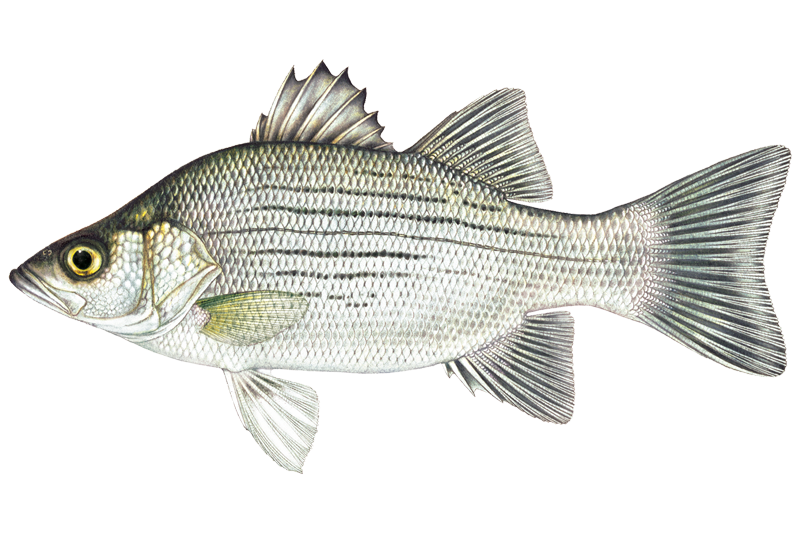
White Bass in North Carolina are members of the temperate bass family. Originally native to western North Carolina rivers flowing to the Mississippi, they've been widely introduced into Atlantic-flowing rivers including the Catawba and Yadkin systems.
White Bass are found in practically all of North Carolina's large reservoirs.
Scientific Name: Morone chrysops
Also known as Sand Bass, Silver Bass
- Typically measure 10-15 inches and weigh between 0.5-4 pounds, with most specimens falling in the middle of that range.
- They have silvery-gray to blue coloration on top with white to pale-green sides and faint horizontal stripes that can be difficult to see.
- White Bass can be distinguished from similar species by having one tooth patch on the back of the tongue (versus none for White Perch) and a deeper body profile than their relatives.
Fishing in North Carolina
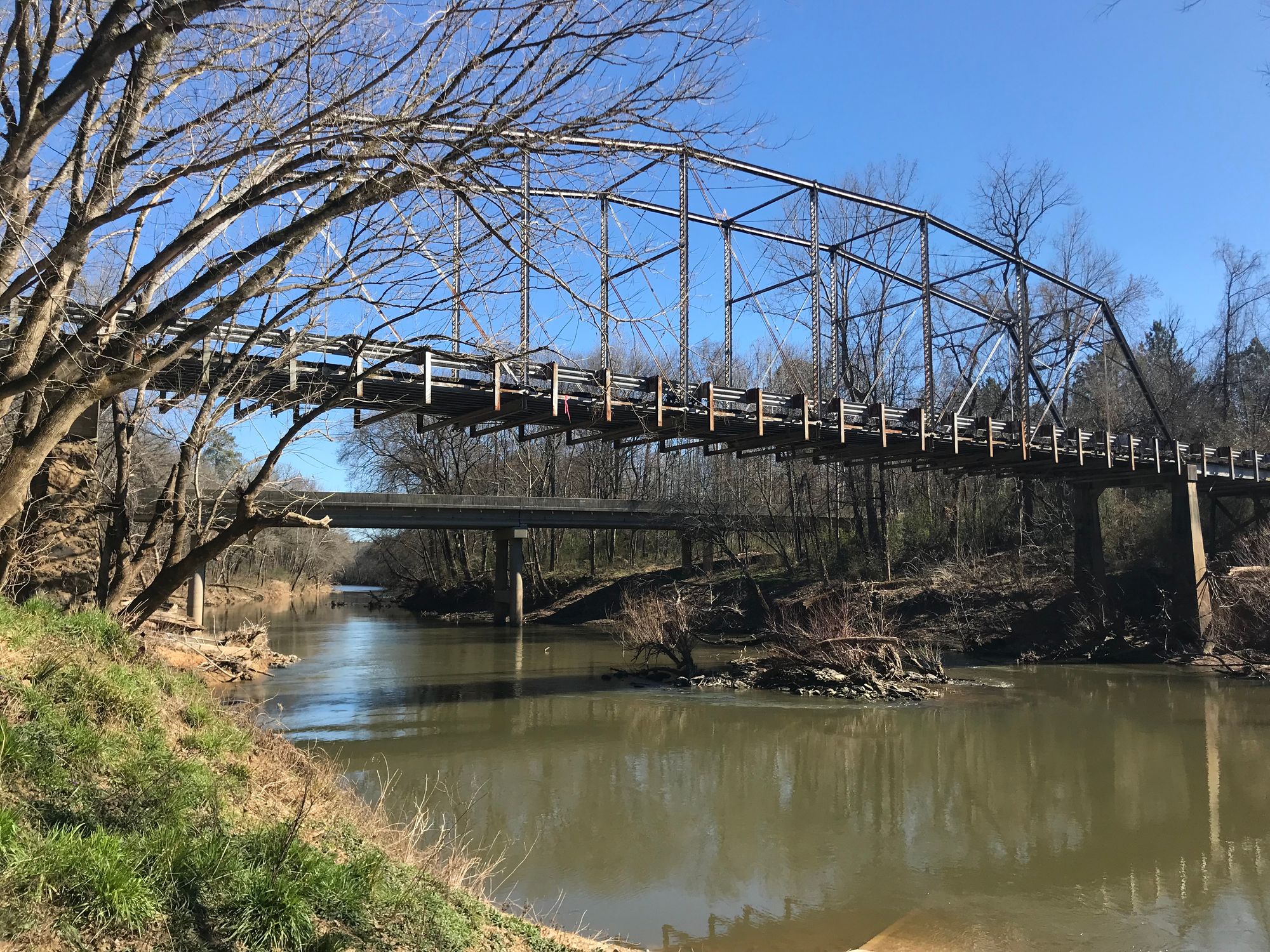
Deep River
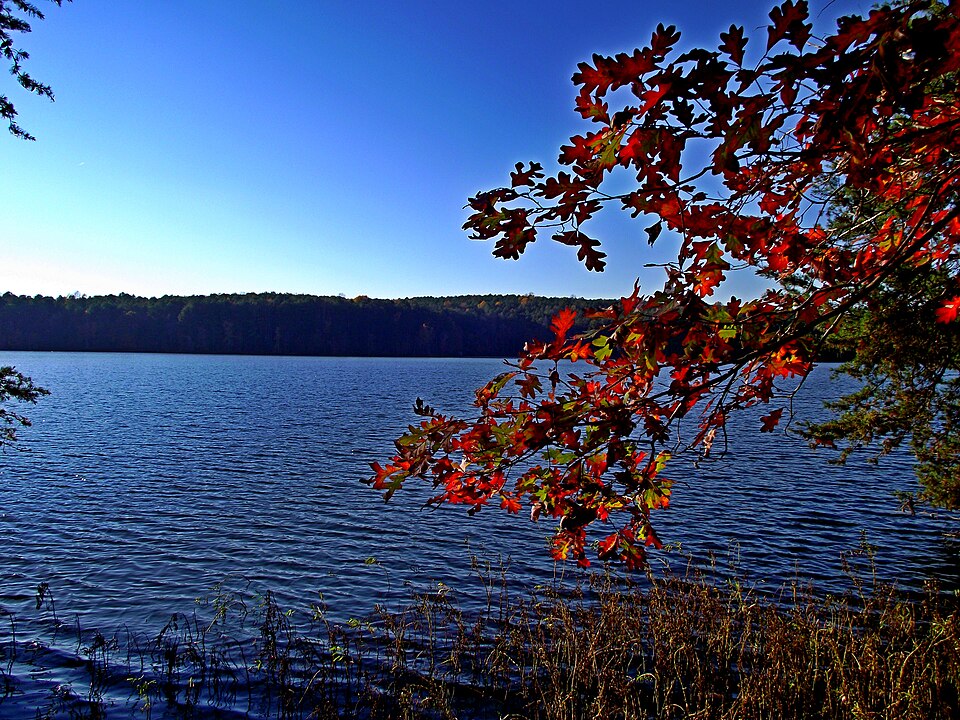
Badin Lake
Lake Tillery
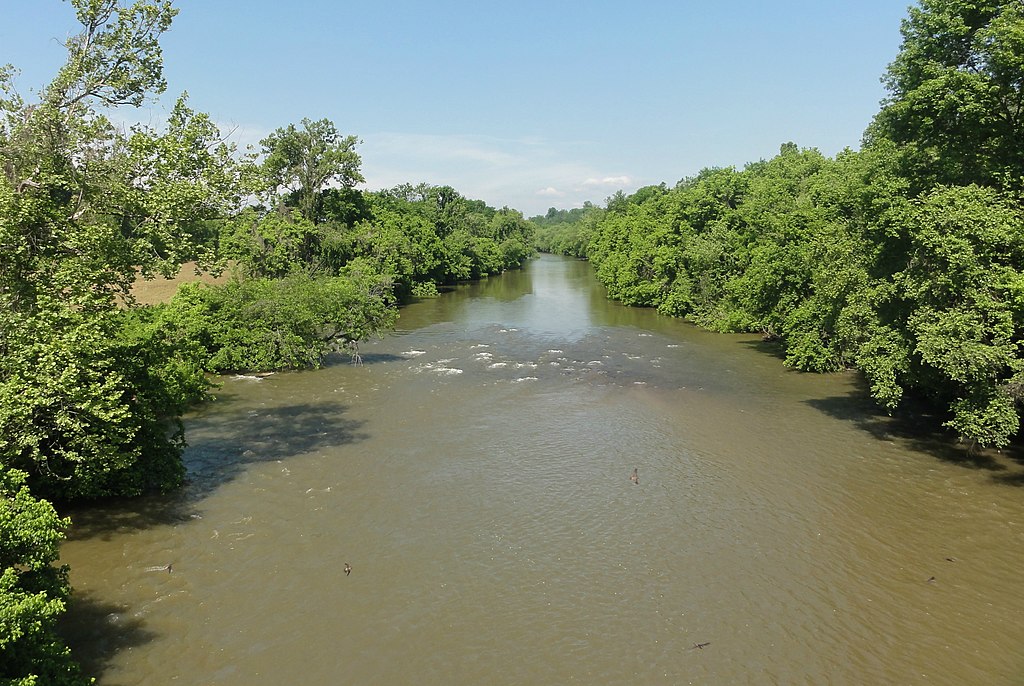
Yadkin River
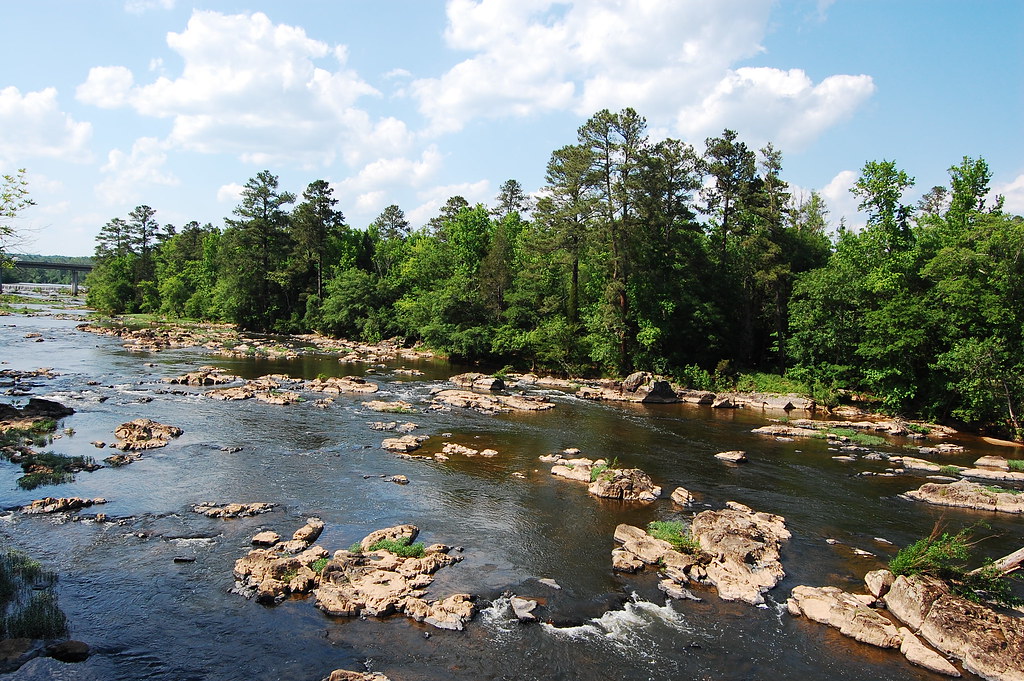
Haw River
Cape Fear River
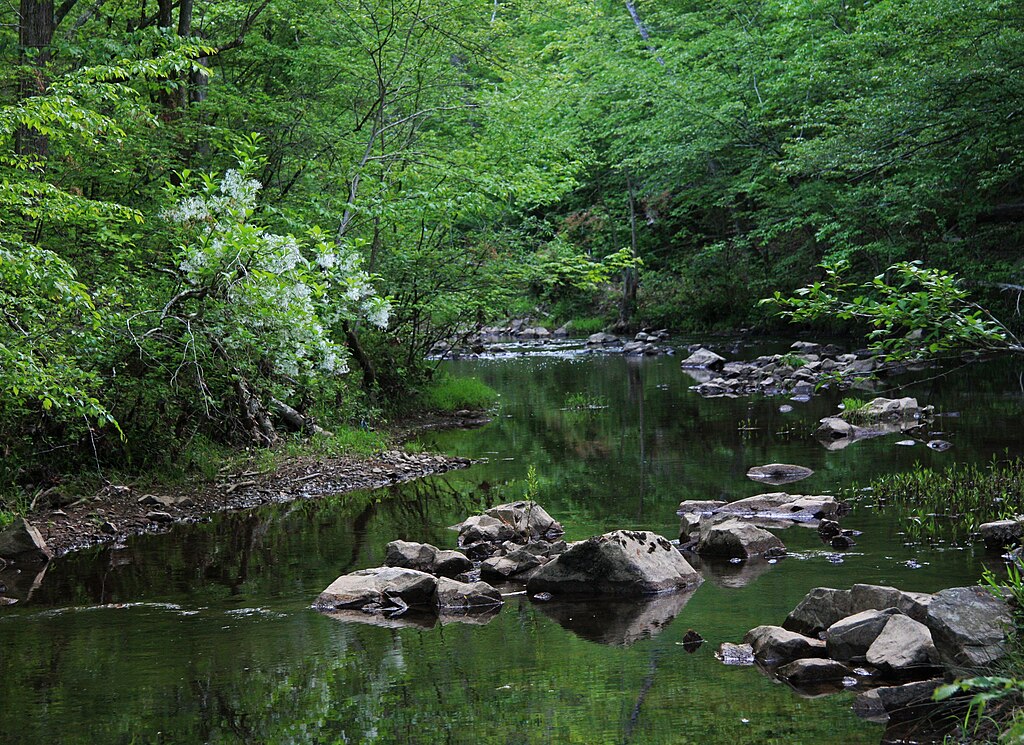
New Hope Creek
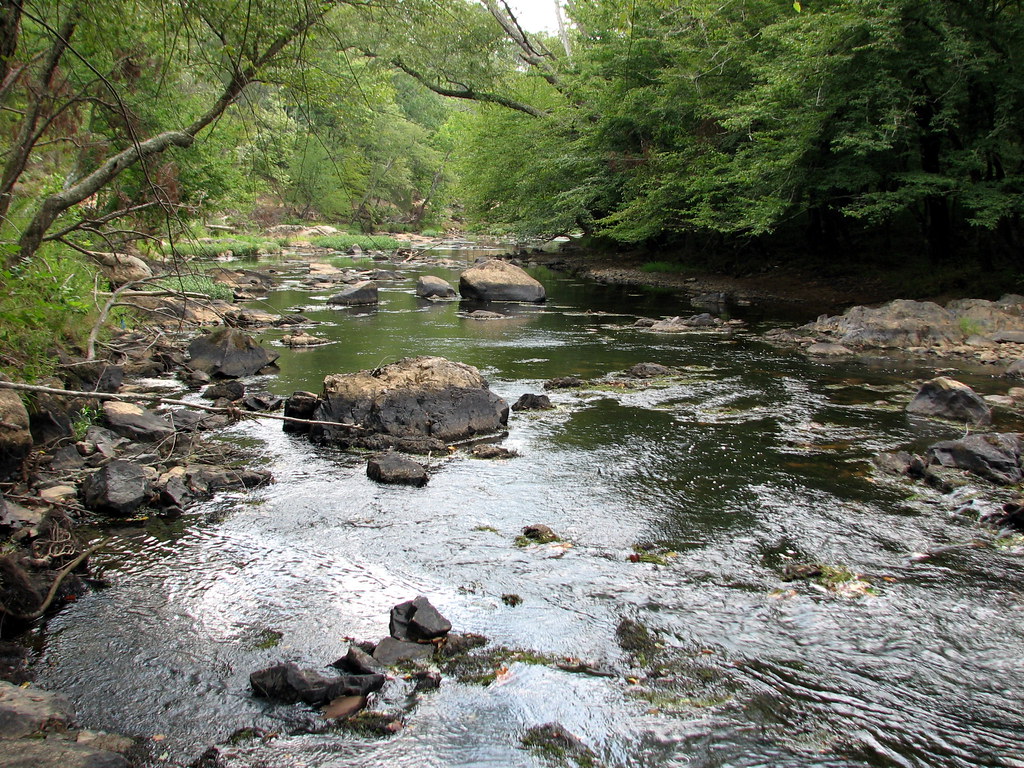
Eno River
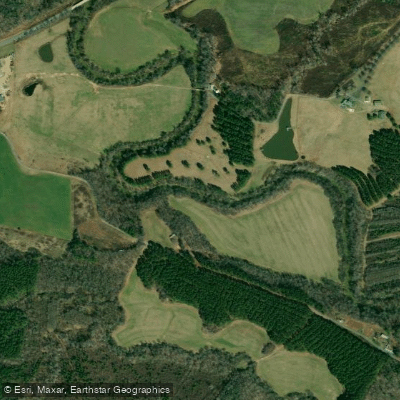
Uwharrie River
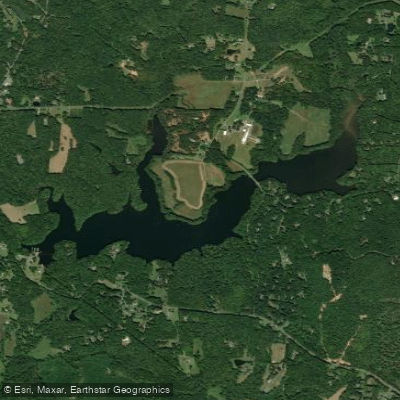
Back Creek Lake
What to know
Habitat Distribution
- Prefer clear lakes and reservoirs deeper than 10 feet.
- Found in practically all of North Carolina's large reservoirs.
- Originally native to western North Carolina rivers flowing to the Mississippi, widely introduced into Atlantic-flowing rivers including the Catawba and Yadkin systems.
Key Locations
- Rocky Broad River at Lake Lure, South Yadkin River, and tailraces of major reservoirs.
Specific Spots
- Tributary mouths, creeks, rivers, creek channel edges, deepwater flats and ledges, open water areas, upper tailraces and major tributaries.
- They travel in schools while chasing baitfish in open water, rarely associating with cover.
White Bass FAQ
Answers from onWater's species guide.
What are the best lures and bait for White Bass in North Carolina?
Small crankbaits (white Bandit Series 200), lipless crankbaits, jigs (especially white, yellow, or chartreuse marabou hair jigs), spoons, curly-tail grubs, inline spinners, jerkbaits, and swimbaits. Use white or silver lures in clear water, red or chartreuse in murky conditions.
What flies work for White Bass in North Carolina?
White marabou Clouser Minnows (1.5 inches with small dumbbell eyes), chartreuse Clousers for dingy water, Henry Cowan's gray/white patterns with pink tufts for clear water, finesse changes, and woolly buggers in white, chartreuse, and shad patterns.
When is the best time to fish for White Bass in North Carolina?
Early spring spawning runs (March to mid-April) when water temperatures approach 50°F. Spawning occurs in moving water when temperatures reach 45-48°F, typically in upper tailraces and major tributaries during spring.
How do you catch White Bass in North Carolina?
Trolling creek channel edges, vertical jigging over deepwater flats and ledges, casting with steady retrieves, and targeting feeding schools that create surface disturbances.
What do White Bass eat?
Aggressive feeders that consume zooplankton, aquatic insects, small fish (particularly shad), crayfish, and other aquatic animals.
Fish smarter with real-time insights
Whether you're en route and conditions shift or you're looking for the best spot based on current flows, we enable you to make informed decisions on the fly.




See it in the app
Most maps show you water.
onWater shows you White Bass.



- 01 · Species map filter
Map every White Bass water
Pick White Bass and the map zeroes in on the waters they call home. No more guessing which lake holds them.
- 02 · Waterbody species
Tap any water. See what lives there.
Species, behavior and seasonal patterns for every lake, river and pond, before you leave the driveway.
- 03 · Angler Intelligence
Ask how to catch White Bass
Tactics, gear and timing from onWater's AI fishing guide, tuned to the species and the water you're on.
Stop guessing where White Bass are.
Open the map, filter by White Bass, and head to water that holds them. Download onWater and plan your next trip in minutes.
- Species map filter
- Angler Intelligence
- Fishing journal
Explore other species
Trout, bass, salmon, panfish and everything in between. Each guide unpacks the behavior, seasons, and tactics that put fish in the net.
No species information available.
North Carolina licenses and regulations
Explore nearby waters
Explore North Carolina waters
Top fishing waters
Popular Cities
Loading popular cities...

Smarter Fishing Starts in the App.
onWater Fish gives you everything you need to plan smarter, fish better, and own every trip from first cast to last.