Tiger Trout

Tiger Trout in North Carolina are extremely rare, sterile hybrids created by crossing female brown trout with male brook trout. These fish are regarded as anomalies in the wild and are very small in the Southern Appalachians.
The species gets its name from distinctive wavy tiger-like markings (vermiculations) on its sides that give it unique beauty and make identification straightforward.
- Very small in the Southern Appalachians, typically ranging from 6-8 inches in length and weighing 1/4 to 1/3 pounds.
- The species gets its name from distinctive wavy tiger-like markings (vermiculations) on its sides that give it unique beauty and make identification straightforward.
Fishing in North Carolina
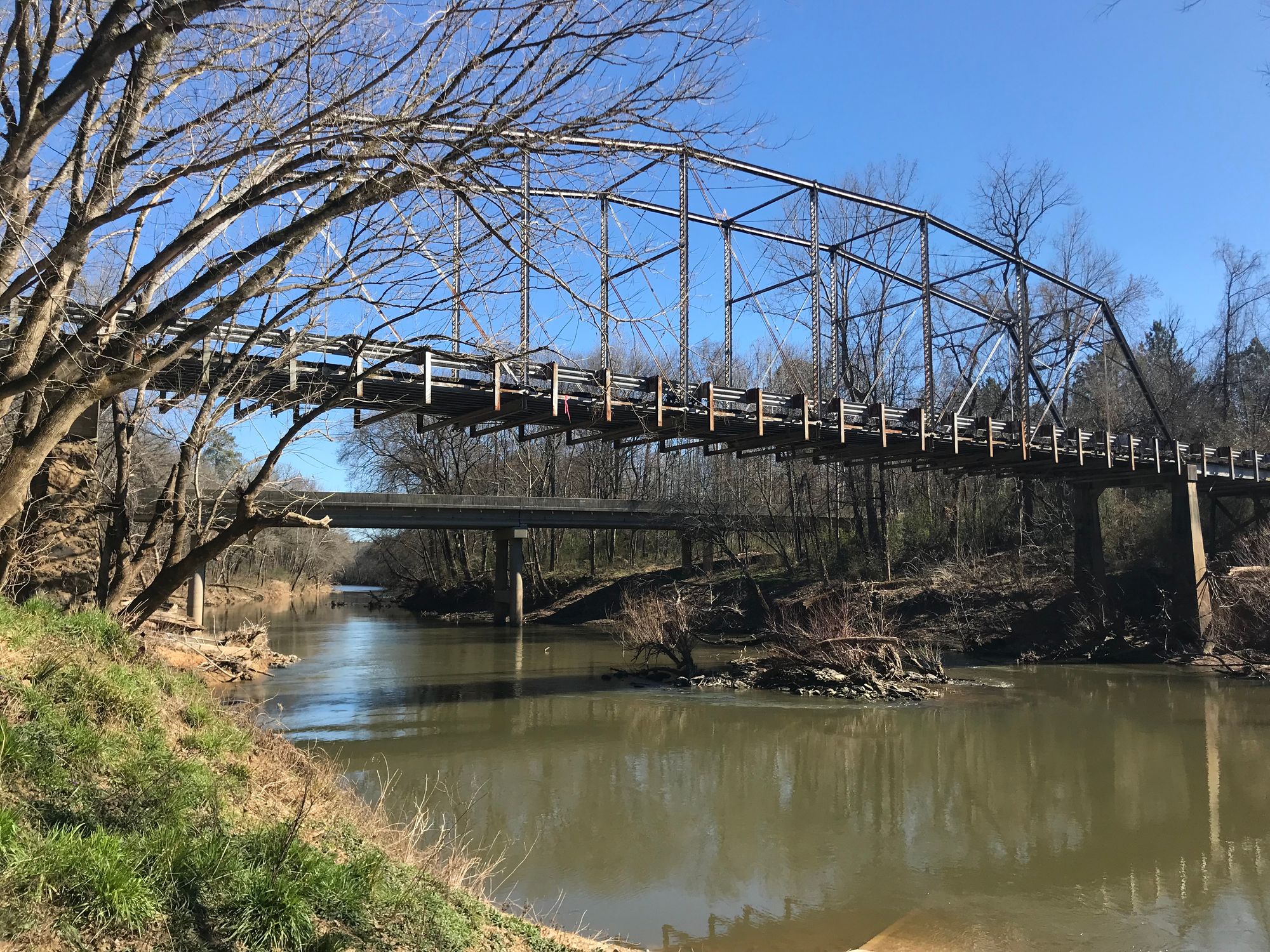
Deep River
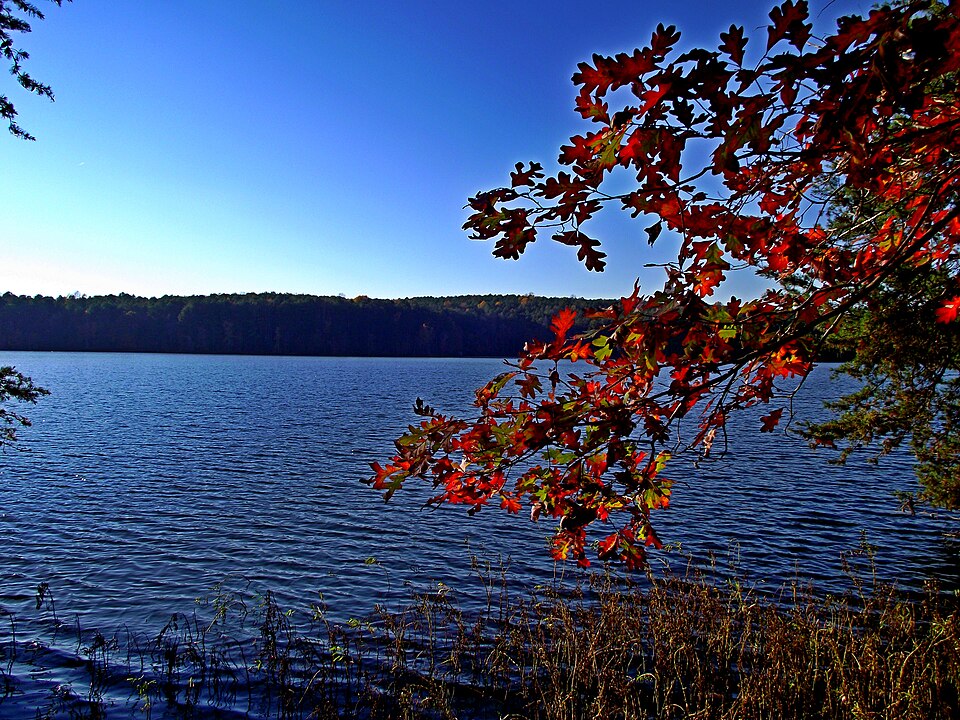
Badin Lake
Lake Tillery
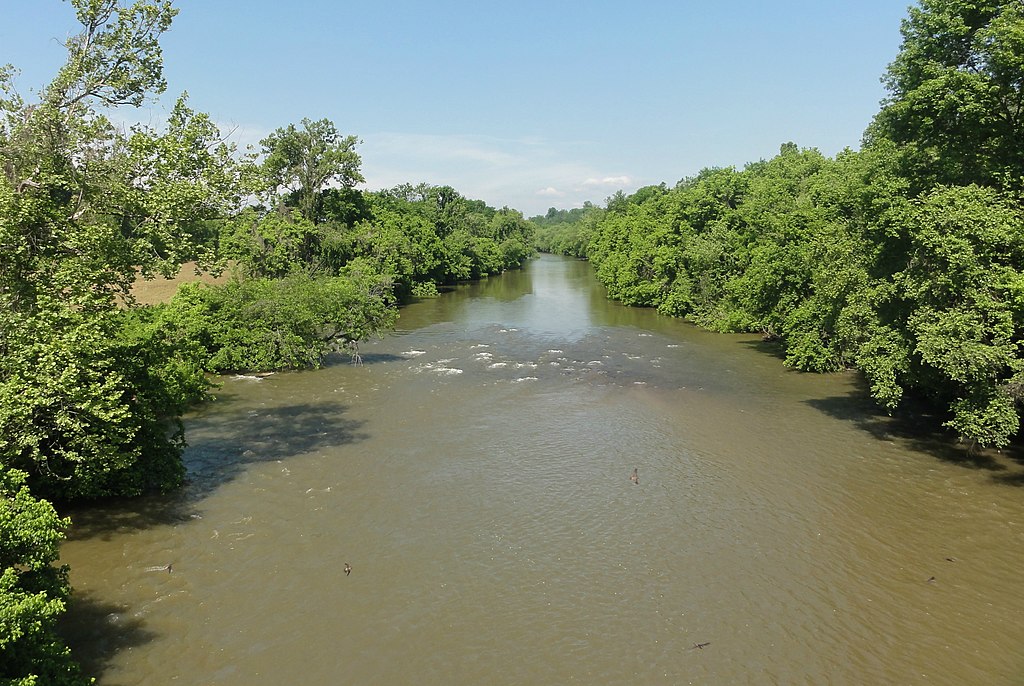
Yadkin River
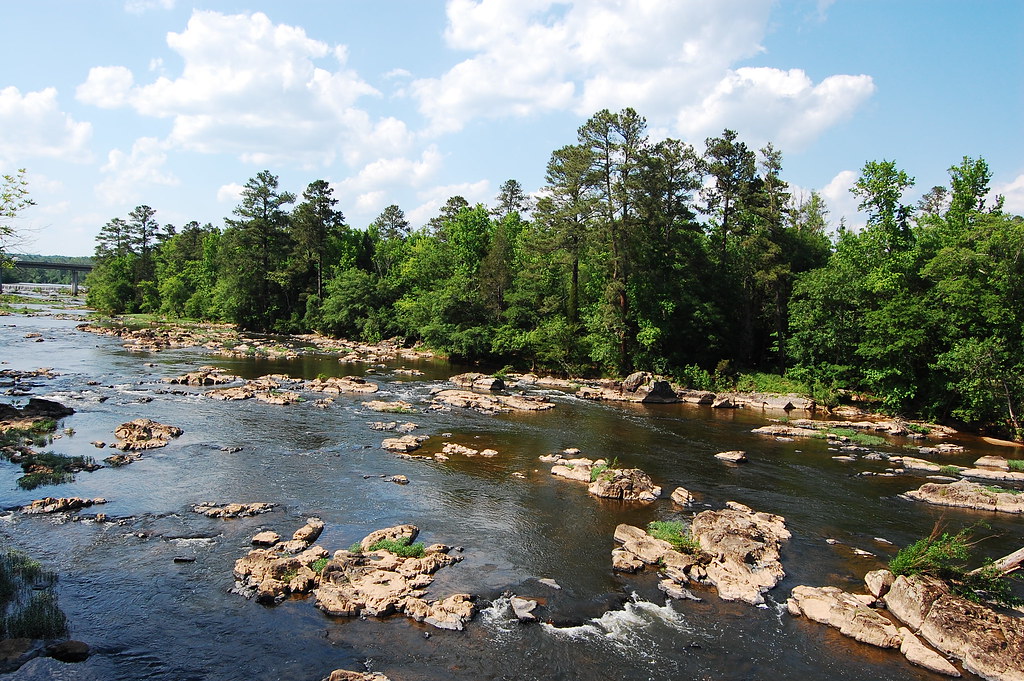
Haw River
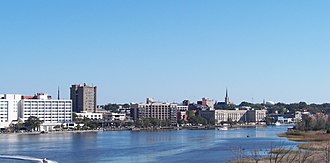
Cape Fear River
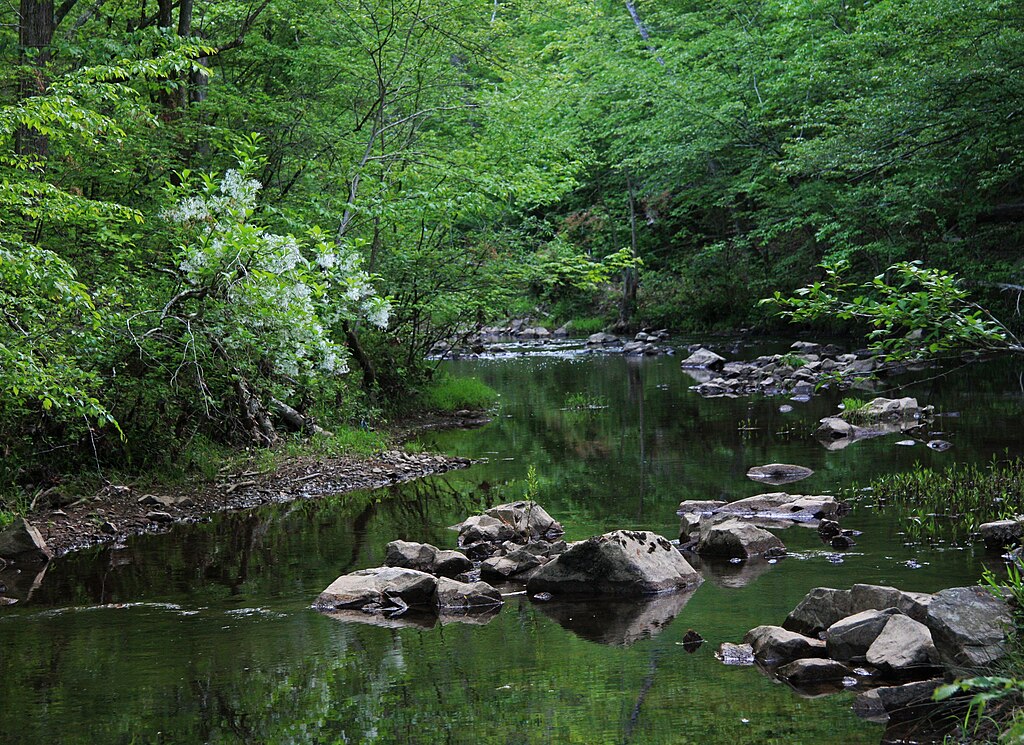
New Hope Creek
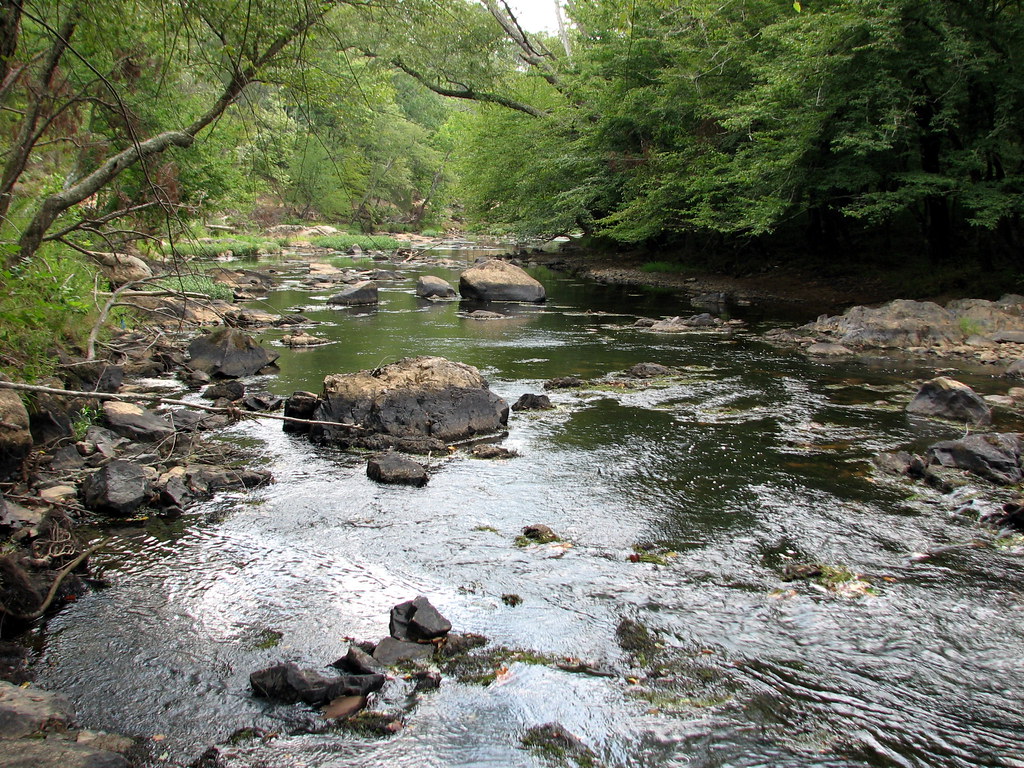
Eno River
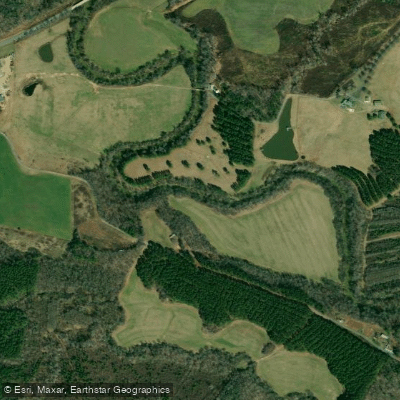
Uwharrie River
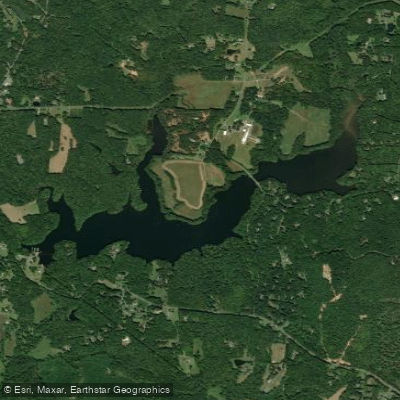
Back Creek Lake
What to know
Habitat Distribution
- They can only be found in areas where both wild brook trout and brown trout populations coexist, primarily in the cold, high-altitude headwater streams of western North Carolina's mountains.
Key Locations
- Primarily in the cold, high-altitude headwater streams of western North Carolina's mountains.
- Focus on the same waters that produce quality brook and brown trout, particularly isolated mountain streams with stable flows and abundant cover.
Specific Spots
- Target areas with structure like logs, boulders, and undercut banks where they ambush prey.
Tiger Trout FAQ
Answers from onWater's species guide.
What flies work for Tiger Trout in North Carolina?
Due to their aggressive nature inherited from both parent species, Tiger Trout respond well to streamers, nymphs, and dry flies. Small beadhead nymphs work particularly well for young tigers, while larger, animated flies can attract mature specimens.
When is the best time to fish for Tiger Trout in North Carolina?
The best seasons are spring (April-June) and fall (October-December) when water temperatures are optimal and trout are most active.
How do you catch Tiger Trout in North Carolina?
Use artificial flies in sizes 12-18, focusing on patterns that match local insect hatches. Target areas with structure like logs, boulders, and undercut banks where they ambush prey.
What do Tiger Trout eat?
Tiger Trout are aggressive, opportunistic feeders that consume a variety of aquatic and terrestrial insects, earthworms, snails, crayfish, salamanders, frogs, and occasionally small fish.
Where do Tiger Trout live in North Carolina?
They can only be found in areas where both wild brook trout and brown trout populations coexist, primarily in the cold, high-altitude headwater streams of western North Carolina's mountains.
Fish smarter with real-time insights
Whether you're en route and conditions shift or you're looking for the best spot based on current flows, we enable you to make informed decisions on the fly.




See it in the app
Most maps show you water.
onWater shows you Tiger Trout.



- 01 · Species map filter
Map every Tiger Trout water
Pick Tiger Trout and the map zeroes in on the waters they call home. No more guessing which lake holds them.
- 02 · Waterbody species
Tap any water. See what lives there.
Species, behavior and seasonal patterns for every lake, river and pond, before you leave the driveway.
- 03 · Angler Intelligence
Ask how to catch Tiger Trout
Tactics, gear and timing from onWater's AI fishing guide, tuned to the species and the water you're on.
Stop guessing where Tiger Trout are.
Open the map, filter by Tiger Trout, and head to water that holds them. Download onWater and plan your next trip in minutes.
- Species map filter
- Angler Intelligence
- Fishing journal
Explore other species
Trout, bass, salmon, panfish and everything in between. Each guide unpacks the behavior, seasons, and tactics that put fish in the net.
No species information available.
North Carolina licenses and regulations
Explore nearby waters
Explore North Carolina waters
Top fishing waters
Popular Cities
Loading popular cities...

Smarter Fishing Starts in the App.
onWater Fish gives you everything you need to plan smarter, fish better, and own every trip from first cast to last.