Striped Bass
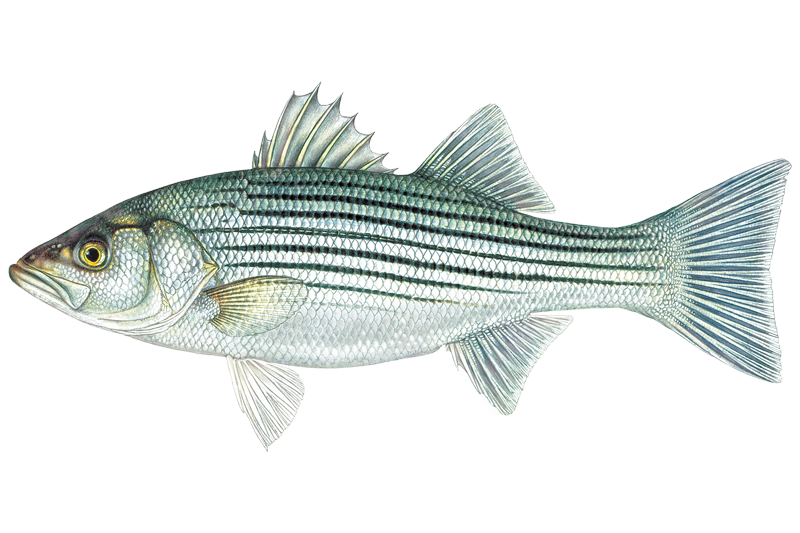
Striped bass in North Carolina are anadromous fish that spend most of their lives in saltwater but migrate to freshwater rivers to spawn.
North Carolina maintains both native migratory populations in coastal rivers and stocked striped bass fisheries in 13 reservoirs throughout the Piedmont and foothills.
Scientific Name: Morone saxatilis
Also known as stripers
- Distinctive silver-white fish with seven to eight horizontal black stripes along their sides, greenish-blue backs, and white undersides.
- Most adult stripers range from 1-3 feet long and weigh 2-20 pounds, though they can live over 20 years and reach exceptional sizes - the largest recorded was 125 pounds caught in North Carolina in 1891.
Fishing in North Carolina
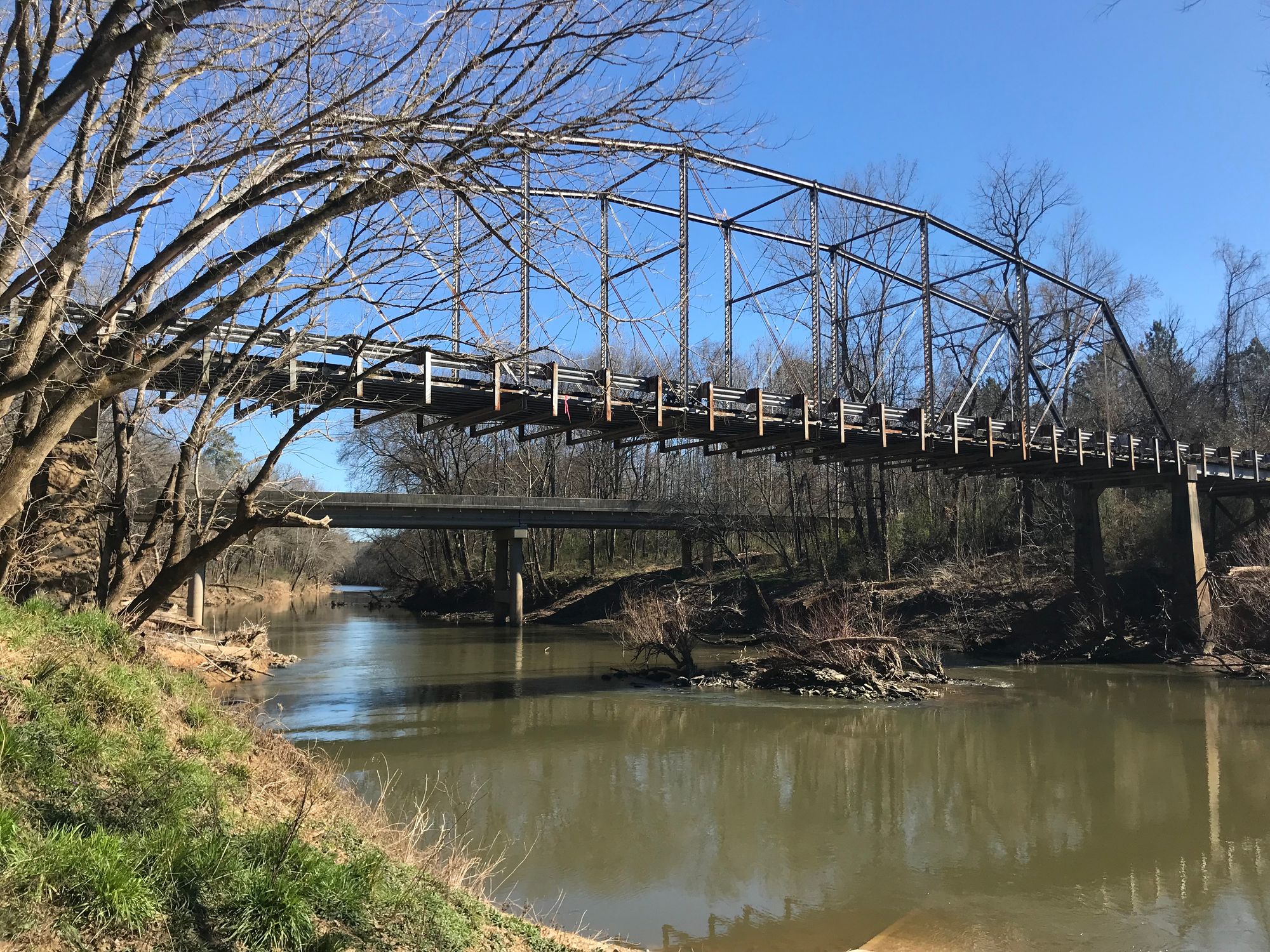
Deep River
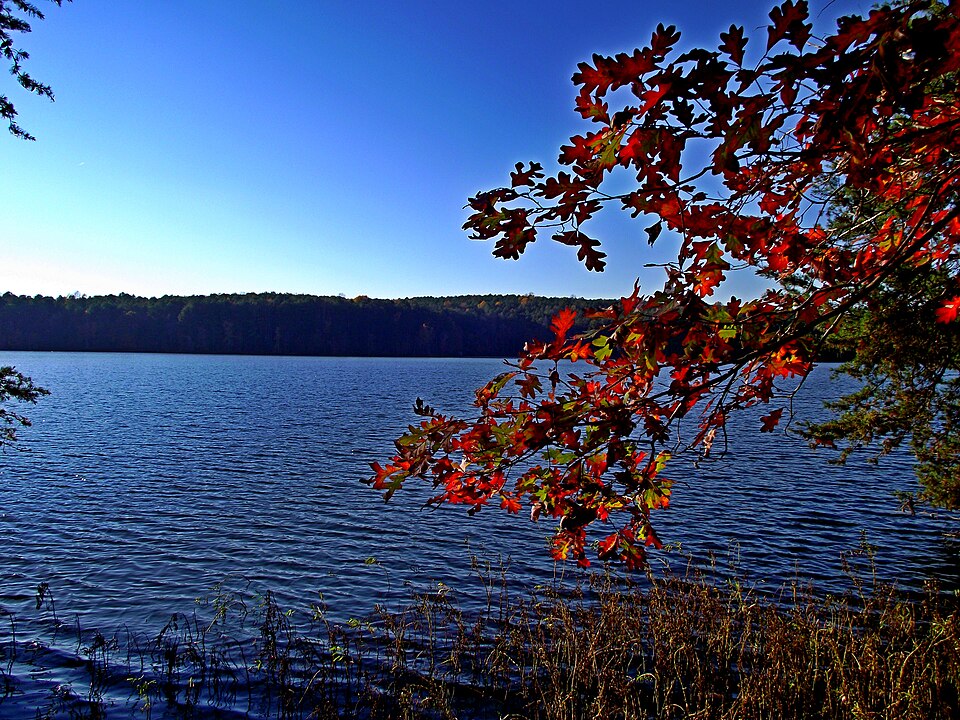
Badin Lake
Lake Tillery
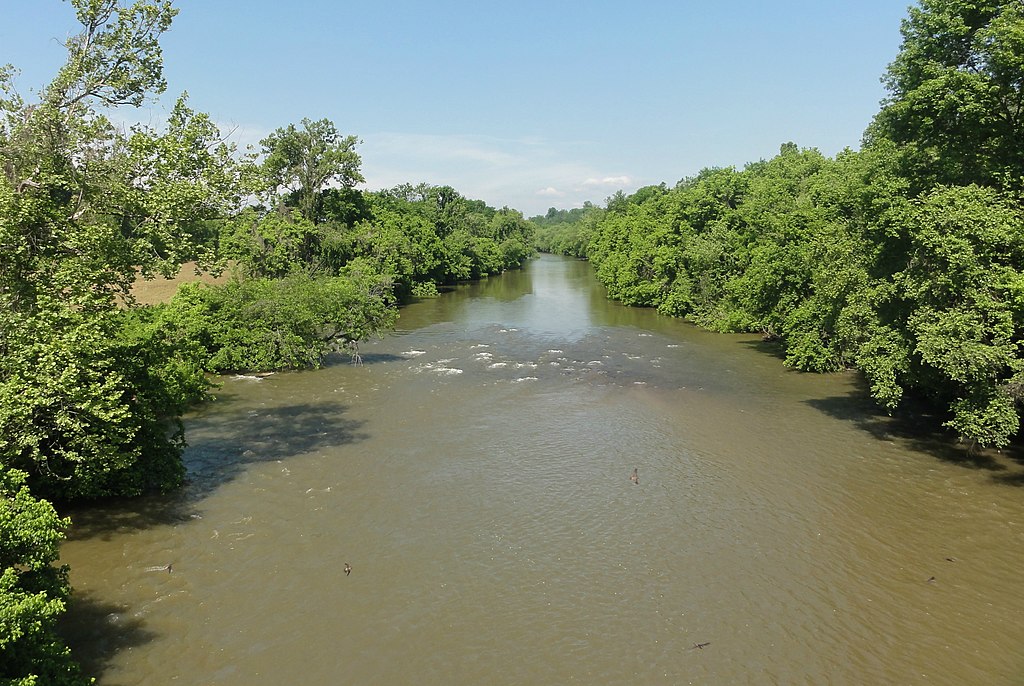
Yadkin River
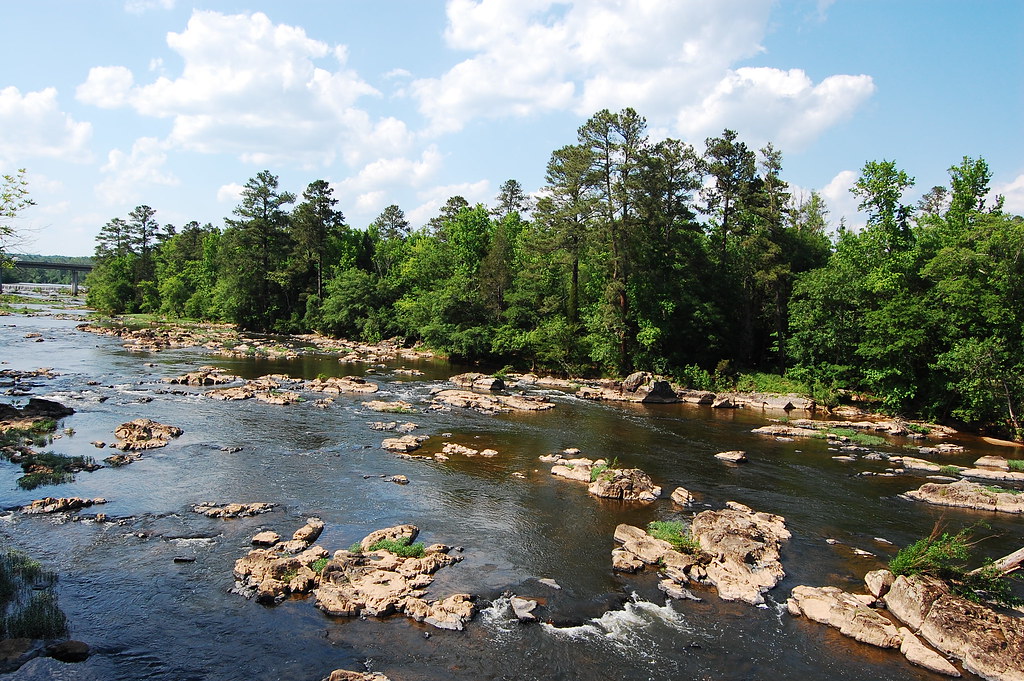
Haw River
Cape Fear River
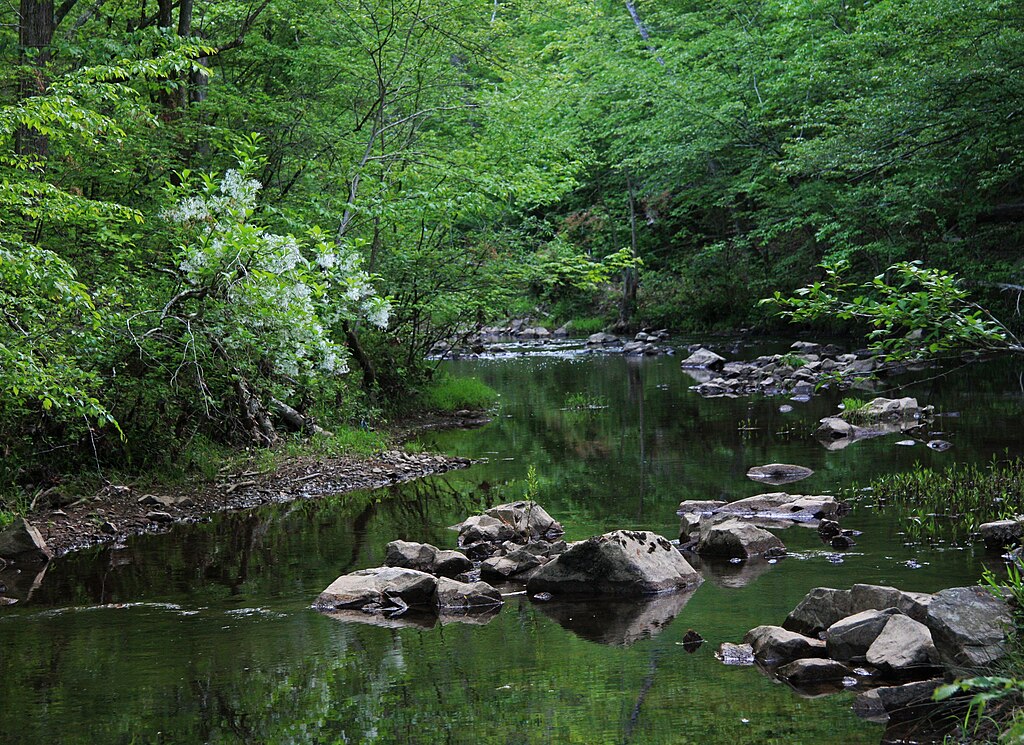
New Hope Creek
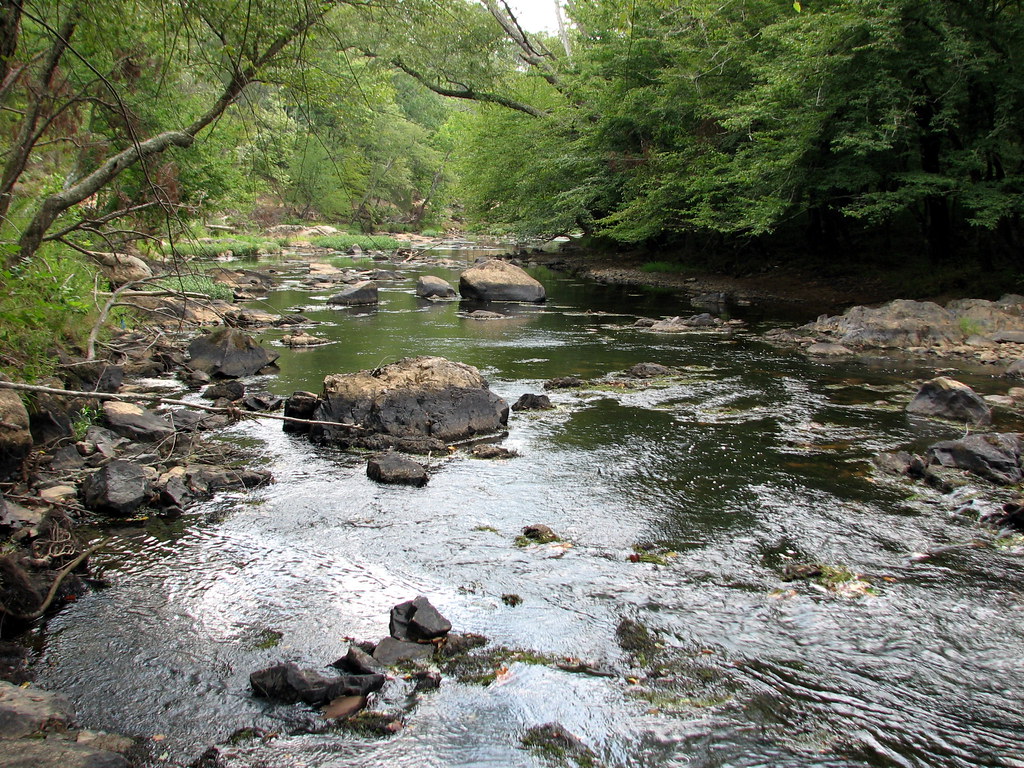
Eno River
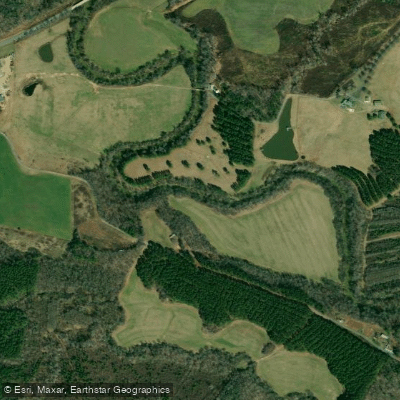
Uwharrie River
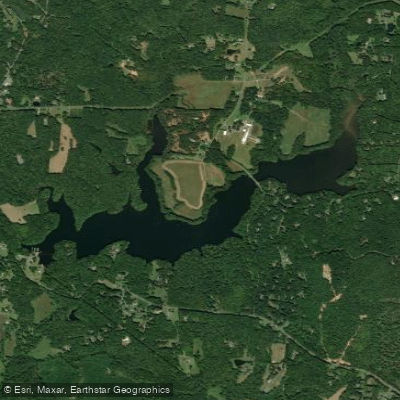
Back Creek Lake
What to know
Habitat Distribution
- The Roanoke River serves as North Carolina's major native spawning river.
- Stocked striped bass fisheries exist in 13 reservoirs throughout the Piedmont and foothills.
Key Locations
- Roanoke River Management Area (though currently closed for 2025), other coastal rivers during spring runs, and 13 managed reservoir fisheries including Lake Gaston, Lake Norman, and Badin Lake.
Specific Spots
- Rocky rapids near the fall line where rivers transition from piedmont to coastal plain.
- Areas with current flow over ledges, warm water discharges, and shallow areas that warm quickly during the day.
Striped Bass FAQ
Answers from onWater's species guide.
What are the best lures and bait for Striped Bass in North Carolina?
Live and cut baits including gizzard shad, threadfin shad, and hickory shad. Artificial lures include white and yellow bucktail jigs, spoons, and rattling crankbaits.
What flies work for Striped Bass in North Carolina?
Surf Candies, Estaz Minnows, Deceivers in various colors, Mickey Finns with yellow-red-yellow coloration, Seaducers, Glass Minnows, and Salty Clousers.
When is the best time to fish for Striped Bass in North Carolina?
Prime season for native striped bass fishing runs from March through May during the Roanoke River spawning run, though avoid fishing during peak spawning periods to protect reproduction.
How do you catch Striped Bass in North Carolina?
Target areas with current flow over ledges, warm water discharges, and shallow areas that warm quickly during the day. Fish the rocky rapids near the fall line where rivers transition from piedmont to coastal plain.
What do Striped Bass eat?
Opportunistic predators feeding heavily on menhaden, anchovies, flounder, weakfish, herrings, and various invertebrates including crabs, shrimp, and marine worms. Their diet varies by age - young fish primarily consume small invertebrates and crustaceans, while adults target larger baitfish.
Fish smarter with real-time insights
Whether you're en route and conditions shift or you're looking for the best spot based on current flows, we enable you to make informed decisions on the fly.




See it in the app
Most maps show you water.
onWater shows you Striped Bass.



- 01 · Species map filter
Map every Striped Bass water
Pick Striped Bass and the map zeroes in on the waters they call home. No more guessing which lake holds them.
- 02 · Waterbody species
Tap any water. See what lives there.
Species, behavior and seasonal patterns for every lake, river and pond, before you leave the driveway.
- 03 · Angler Intelligence
Ask how to catch Striped Bass
Tactics, gear and timing from onWater's AI fishing guide, tuned to the species and the water you're on.
Stop guessing where Striped Bass are.
Open the map, filter by Striped Bass, and head to water that holds them. Download onWater and plan your next trip in minutes.
- Species map filter
- Angler Intelligence
- Fishing journal
Explore other species
Trout, bass, salmon, panfish and everything in between. Each guide unpacks the behavior, seasons, and tactics that put fish in the net.
No species information available.
North Carolina licenses and regulations
Explore nearby waters
Explore North Carolina waters
Top fishing waters
Popular Cities
Loading popular cities...

Smarter Fishing Starts in the App.
onWater Fish gives you everything you need to plan smarter, fish better, and own every trip from first cast to last.