Spotted Sucker
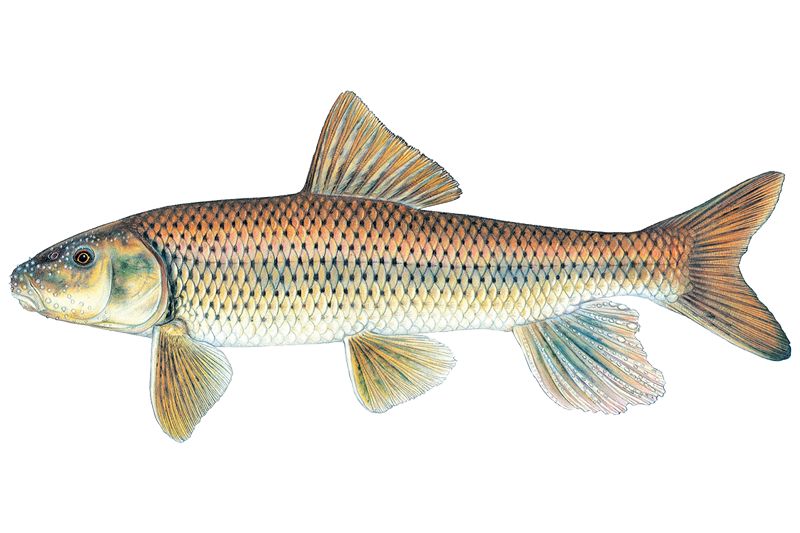
The Spotted Sucker is a native North Carolina sucker species that serves as an important indicator of good water quality in North Carolina waters.
Scientific Name: Minytrema melanops
- Easily identified by 8-12 parallel rows of dark brown or black spots along the sides of its body, with each scale having a dark spot at its base.
- Adults typically measure 10-14 inches and weigh 0.5-1 pound, though they can reach up to 24 inches.
Fishing in North Carolina

Deep River
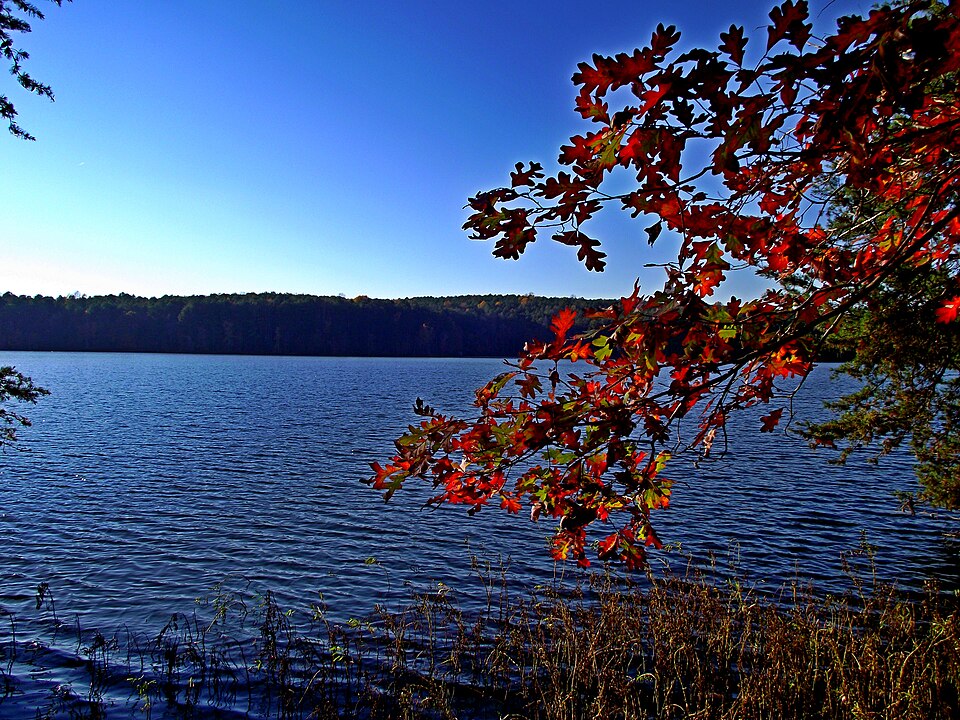
Badin Lake
Lake Tillery
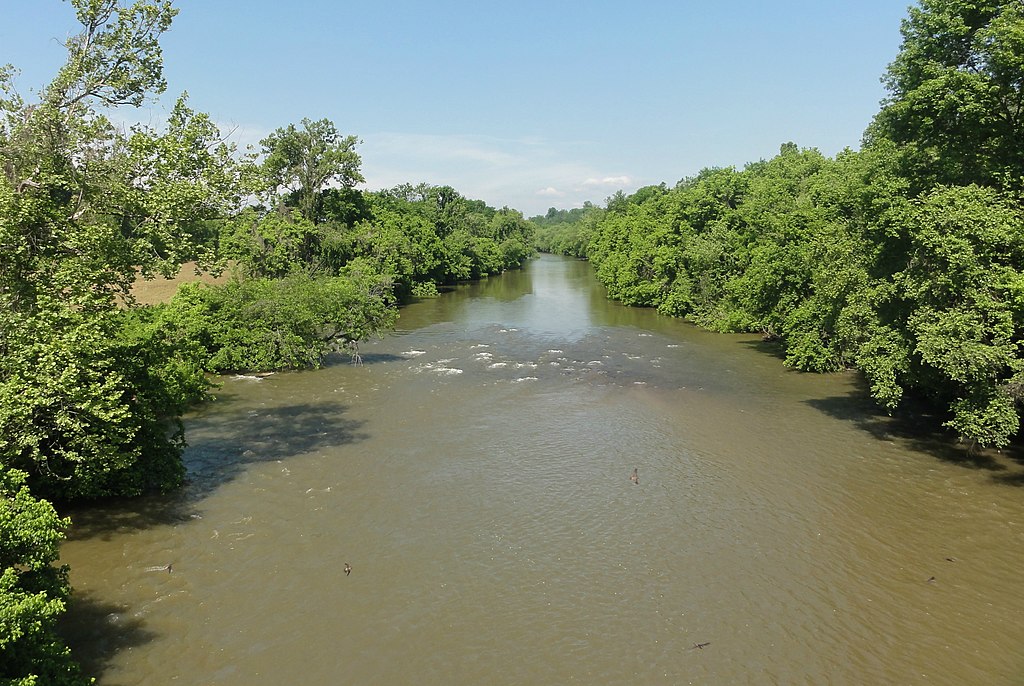
Yadkin River
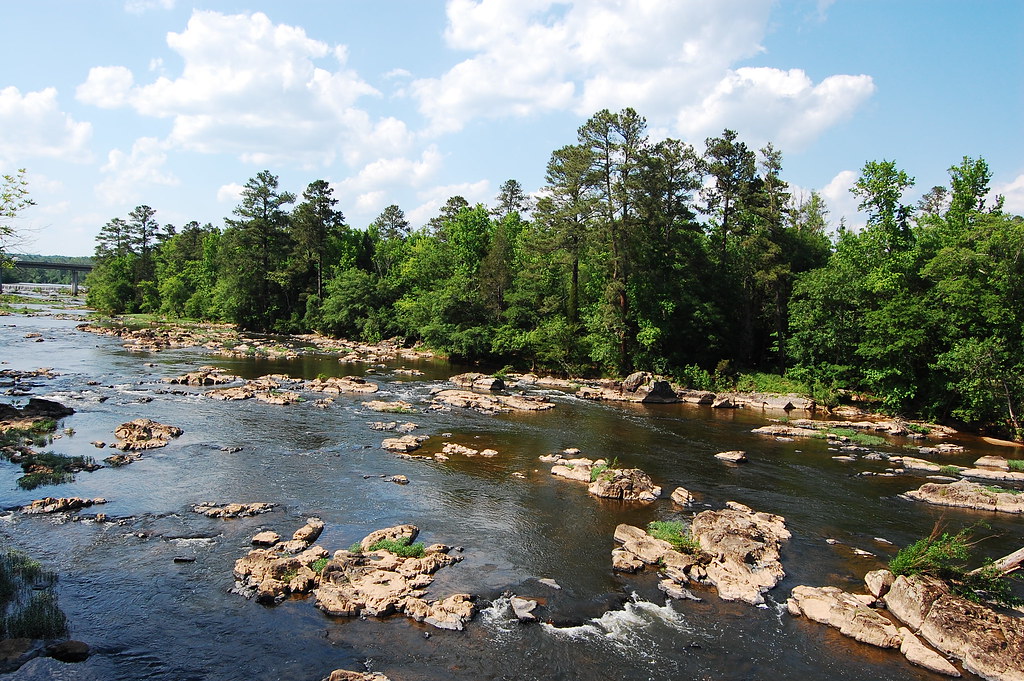
Haw River
Cape Fear River
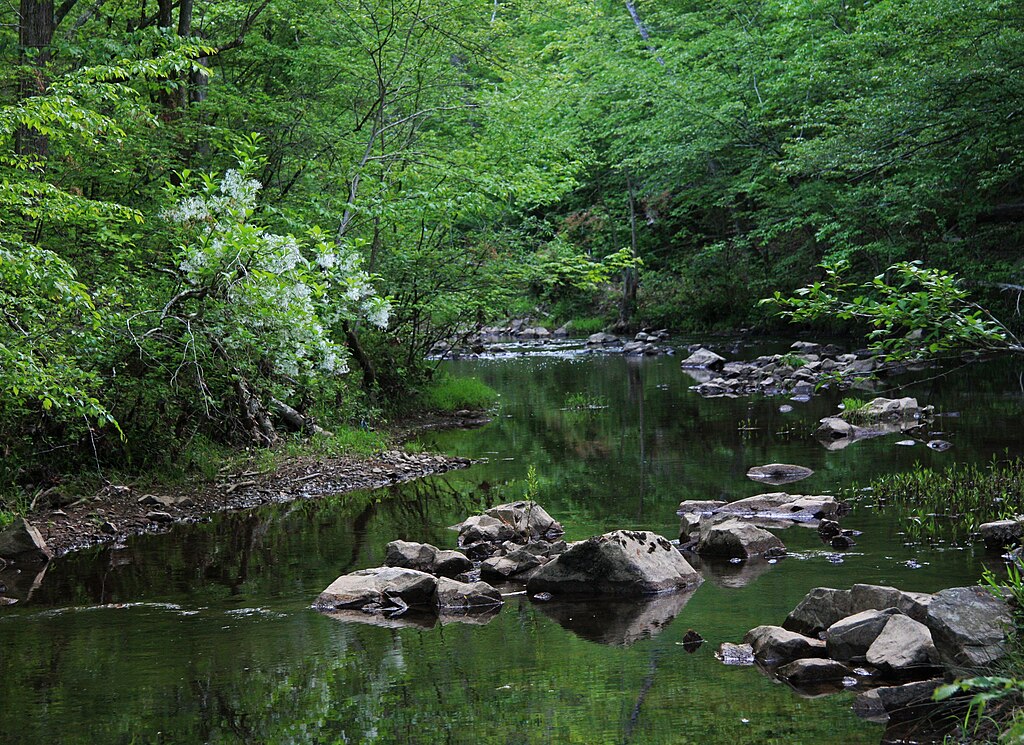
New Hope Creek
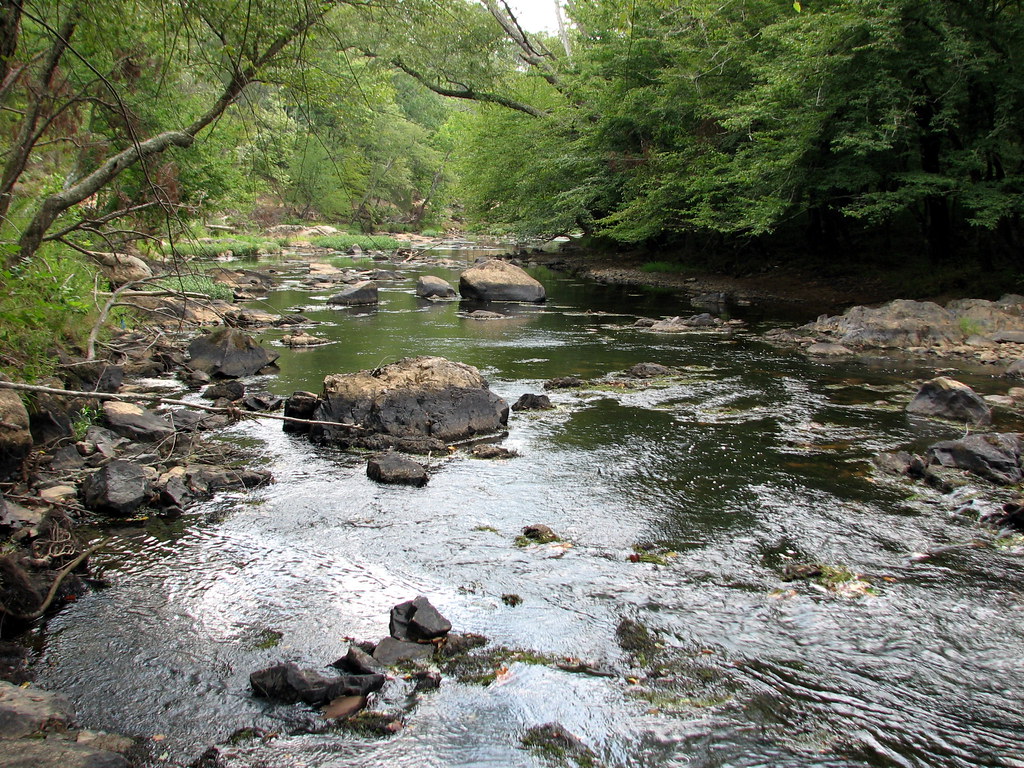
Eno River
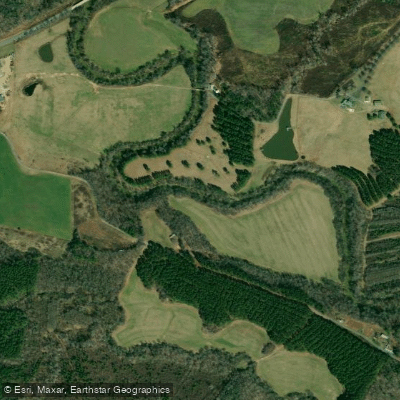
Uwharrie River
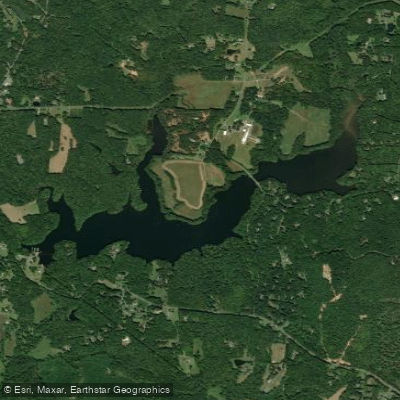
Back Creek Lake
What to know
Habitat Distribution
- Found in all drainage systems but are most productive in coastal plain waters, preferring deeper, clear pools of small to medium rivers over clay, sand, or gravel substrates.
- They're also found in oxbows, lakes, and reservoirs but are intolerant of silt and turbid waters.
Key Locations
- Coastal plain rivers and streams, backwater sloughs and overflow pools.
Specific Spots
- Deeper, clear pools with firm substrates, areas with little to no current over sand and mud bottoms, backwater sloughs and overflow pools.
Spotted Sucker FAQ
Answers from onWater's species guide.
What are the best lures and bait for Spotted Sucker in North Carolina?
Nightcrawlers are the most effective bait - break them into halves or thirds to make them last longer. Other productive baits include red worms, leeches, small crayfish, and minnows.
What flies work for Spotted Sucker in North Carolina?
Wet fly patterns such as nymphs, scuds, and flies that imitate worms and fish e.g.gs.
When is the best time to fish for Spotted Sucker in North Carolina?
Late spring through fall, avoiding their spawning period from late February through May.
How do you catch Spotted Sucker in North Carolina?
Use a 1/8 oz jig head as an alternative to plain hooks, adding a slip float or bobber a few feet above to keep the bait moving attractively near the bottom. This movement technique works especially well in shallow waters.
What do Spotted Sucker eat?
Feeds on mollusks, insect larvae, copepods, cladocerans, chironomids, diatoms, and other invertebrates, with feeding habits changing from zooplankton as larvae to bottom feeding as adults. They primarily feed during dusk and dawn.
Fish smarter with real-time insights
Whether you're en route and conditions shift or you're looking for the best spot based on current flows, we enable you to make informed decisions on the fly.




See it in the app
Most maps show you water.
onWater shows you Spotted Sucker.



- 01 · Species map filter
Map every Spotted Sucker water
Pick Spotted Sucker and the map zeroes in on the waters they call home. No more guessing which lake holds them.
- 02 · Waterbody species
Tap any water. See what lives there.
Species, behavior and seasonal patterns for every lake, river and pond, before you leave the driveway.
- 03 · Angler Intelligence
Ask how to catch Spotted Sucker
Tactics, gear and timing from onWater's AI fishing guide, tuned to the species and the water you're on.
Stop guessing where Spotted Sucker are.
Open the map, filter by Spotted Sucker, and head to water that holds them. Download onWater and plan your next trip in minutes.
- Species map filter
- Angler Intelligence
- Fishing journal
Explore other species
Trout, bass, salmon, panfish and everything in between. Each guide unpacks the behavior, seasons, and tactics that put fish in the net.
No species information available.
North Carolina licenses and regulations
Explore nearby waters
Explore North Carolina waters
Top fishing waters
Popular Cities
Loading popular cities...

Smarter Fishing Starts in the App.
onWater Fish gives you everything you need to plan smarter, fish better, and own every trip from first cast to last.