Spotted Bass

Spotted Bass are native to the mountain drainages of southwestern North Carolina and are strong fighters that can be caught using a wide variety of natural and artificial baits.
Scientific Name: Micropterus punctulatus
- Distinguished by numerous dark spots covering the lower side of their greenish, slender bodies below a dark lateral line, with a sandpaper-like tooth patch on the tongue.
- Unlike largemouth bass, their rear jaw does not extend behind the eye.
Fishing in North Carolina
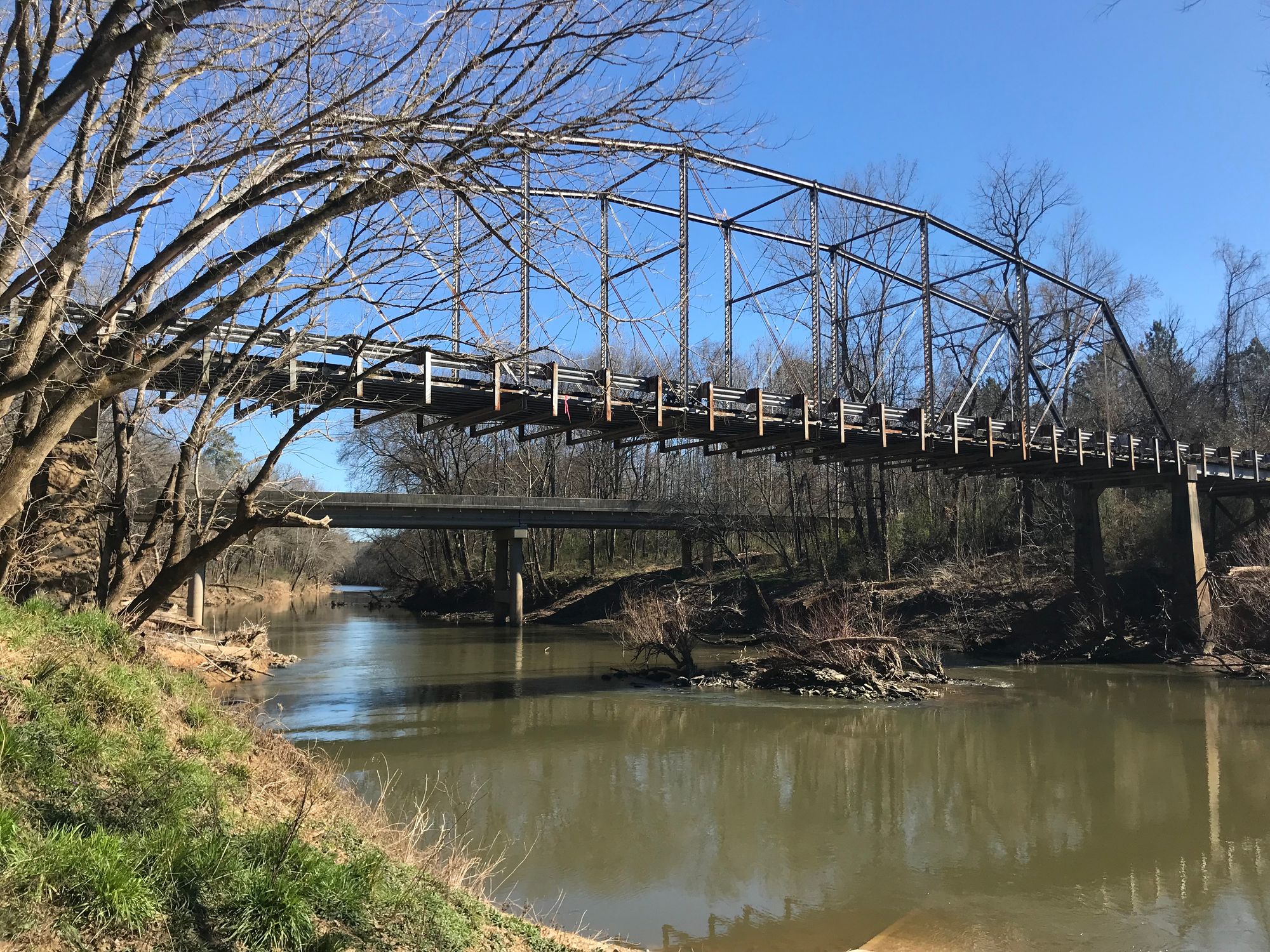
Deep River
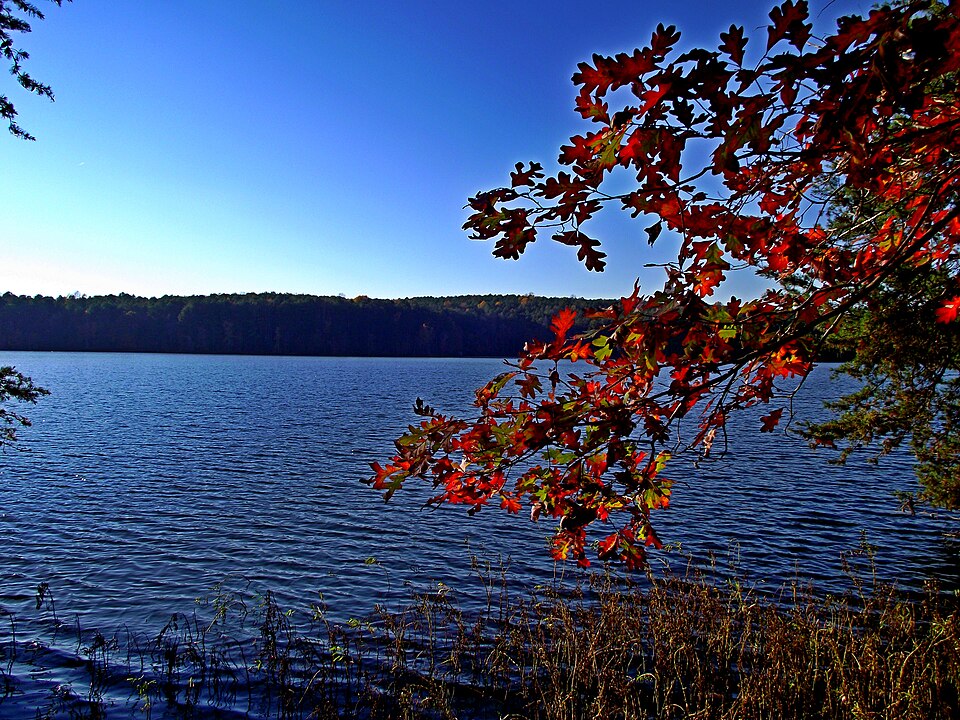
Badin Lake
Lake Tillery
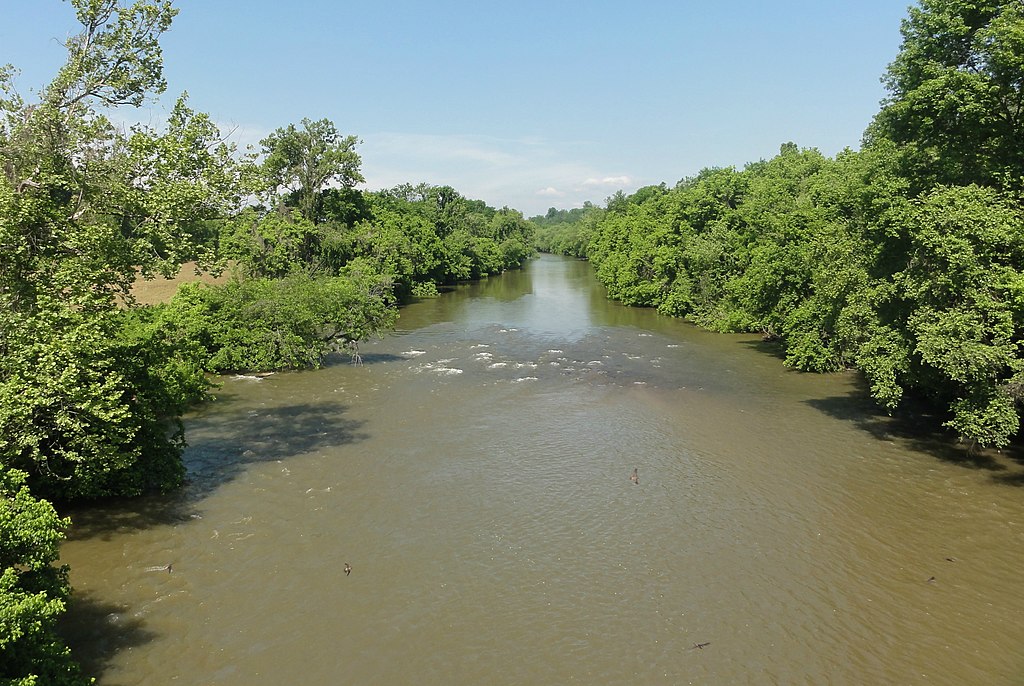
Yadkin River
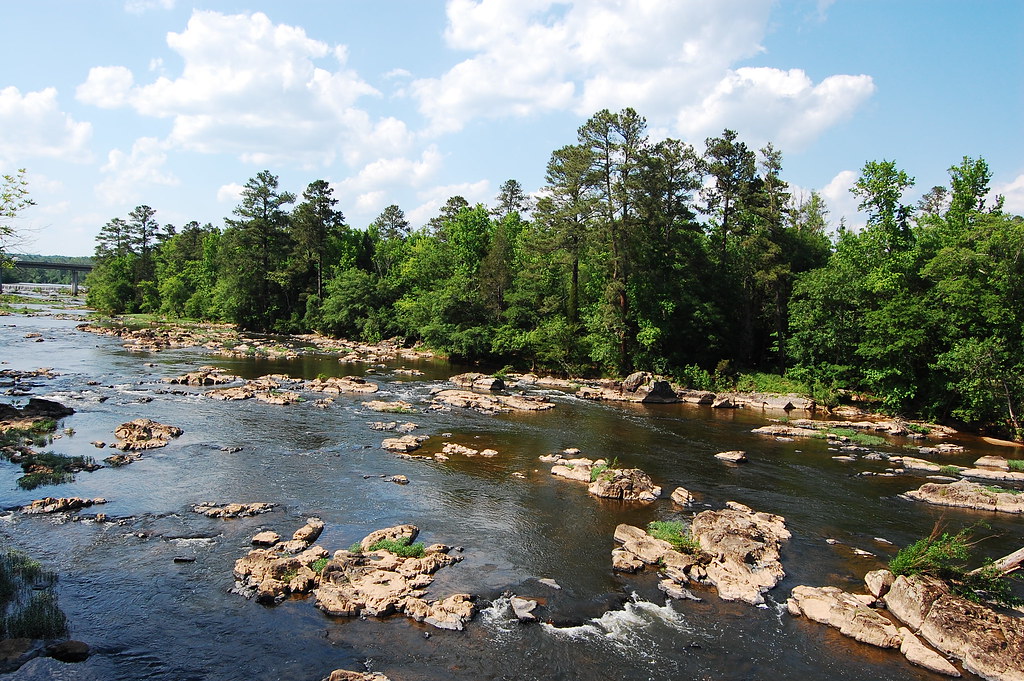
Haw River
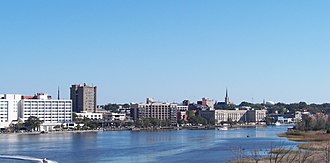
Cape Fear River
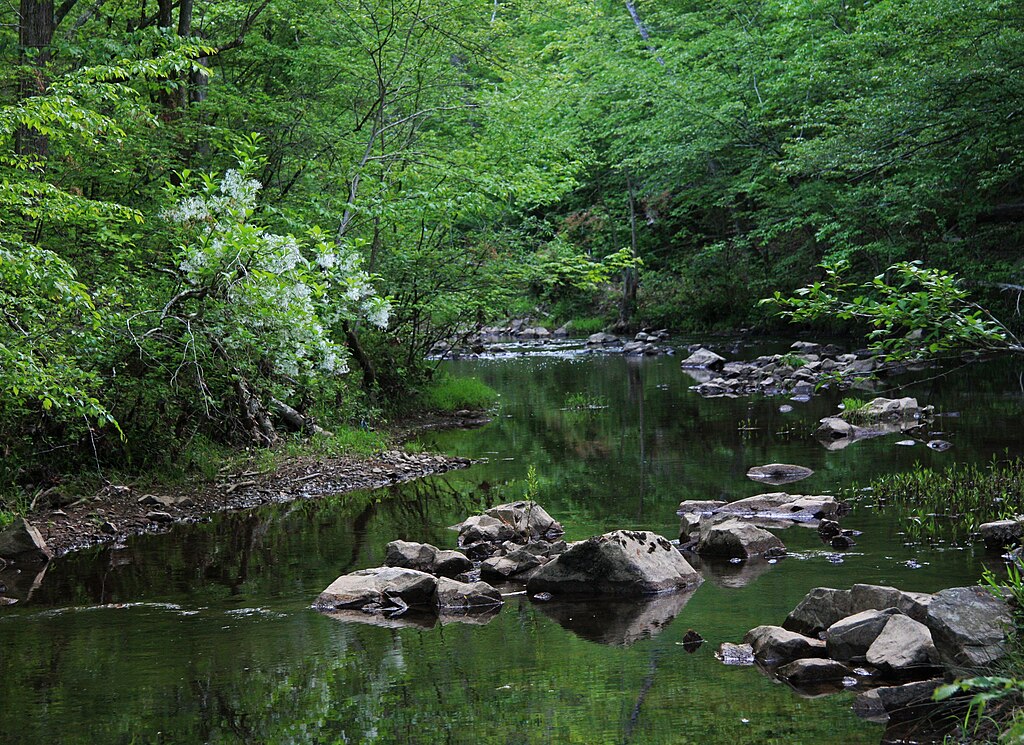
New Hope Creek
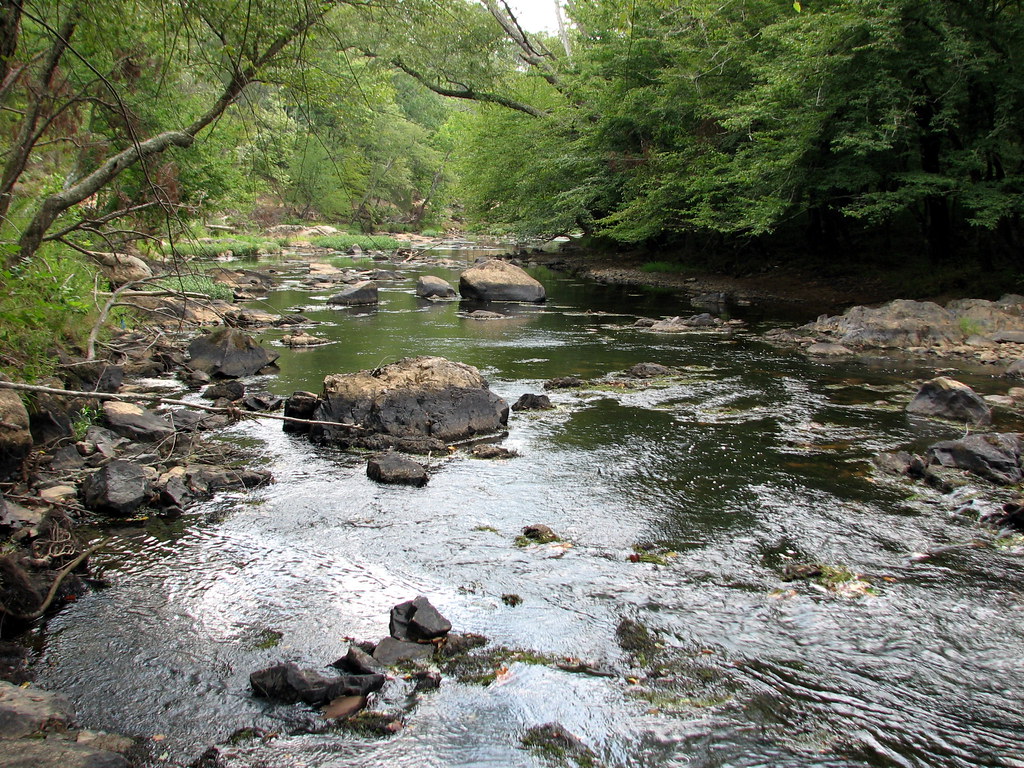
Eno River
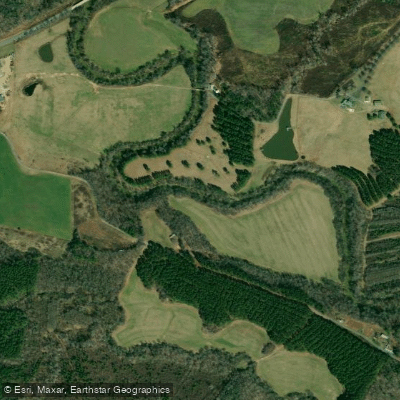
Uwharrie River
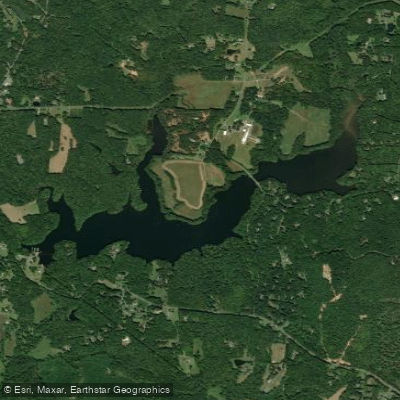
Back Creek Lake
What to know
Habitat Distribution
- Native to the mountain drainages of southwestern North Carolina, occurring naturally in medium to large rivers in the French Broad (including Pigeon and Nolichucky), Hiwassee, and Little Tennessee river watersheds.
- They were also introduced into W.
- Kerr Scott Reservoir in Wilkes County and subsequently became established in the upper Yadkin River, and into the Cape Fear River in the 1970s.
- They're seldom found in natural lakes but occur in small-to medium-flowing streams and rivers.
Key Locations
- Lake Chatuge (offering some of the best fishing), W.
- Kerr Scott and Hiwassee reservoirs, Lake Norman, and the upper Cape Fear River.
Specific Spots
- Around aquatic vegetation, submerged logs, and rock or riprap walls.
- Often with less cover or primarily standing timber and brush piles.
- Habitat generalists with an affinity for open water and current.
Spotted Bass FAQ
Answers from onWater's species guide.
What are the best lures and bait for Spotted Bass in North Carolina?
Crankbaits, spinnerbaits, jerkbaits, swimbaits, small plastic worms, finesse baits, jigs paired with soft plastic trailers, poppers, buzzbaits, walking baits, soft plastic creature baits or worms, jigging spoons, blade baits.
What flies work for Spotted Bass in North Carolina?
Popping bugs, baitfish patterns like Clousers and Deceivers, and crayfish imitations.
When is the best time to fish for Spotted Bass in North Carolina?
Spring (post-spawn) and fall being peak seasons. Fish deeper presentations during hot summer months. Spawning occurs when water temperatures reach 63-78°F, typically March to April in southern areas and May to June in northern regions - periods when fishing should be avoided to protect spawning activities.
How do you catch Spotted Bass in North Carolina?
Effective techniques include casting and retrieving at various retrieval speeds, drop shot rigs in deeper water or tough conditions, jigging around rocky structures or submerged timber, topwater fishing during low-light conditions, Carolina rigs for covering water and probing different depths, and vertical jigging...
What do Spotted Bass eat?
Their diet consists primarily of crayfish and immature insects, supplemented by small fish such as bluegill.
Fish smarter with real-time insights
Whether you're en route and conditions shift or you're looking for the best spot based on current flows, we enable you to make informed decisions on the fly.




See it in the app
Most maps show you water.
onWater shows you Spotted Bass.



- 01 · Species map filter
Map every Spotted Bass water
Pick Spotted Bass and the map zeroes in on the waters they call home. No more guessing which lake holds them.
- 02 · Waterbody species
Tap any water. See what lives there.
Species, behavior and seasonal patterns for every lake, river and pond, before you leave the driveway.
- 03 · Angler Intelligence
Ask how to catch Spotted Bass
Tactics, gear and timing from onWater's AI fishing guide, tuned to the species and the water you're on.
Stop guessing where Spotted Bass are.
Open the map, filter by Spotted Bass, and head to water that holds them. Download onWater and plan your next trip in minutes.
- Species map filter
- Angler Intelligence
- Fishing journal
Explore other species
Trout, bass, salmon, panfish and everything in between. Each guide unpacks the behavior, seasons, and tactics that put fish in the net.
No species information available.
North Carolina licenses and regulations
Explore nearby waters
Explore North Carolina waters
Top fishing waters
Popular Cities
Loading popular cities...

Smarter Fishing Starts in the App.
onWater Fish gives you everything you need to plan smarter, fish better, and own every trip from first cast to last.