Smallmouth Buffalo

Smallmouth Buffalo are large, robust freshwater fish belonging to the Catostomidae (sucker) family, not the carp family as commonly misidentified.
In North Carolina, they are not native but were likely stocked in the early 1900s and are now established in multiple river systems.
Scientific Name: Ictiobus bubalus
- They have deep, laterally compressed bodies with bronze to grayish-brown coloration and can reach impressive sizes - typically 40-60 cm but some specimens reach over 100 cm and 30+ kg.
Fishing in North Carolina
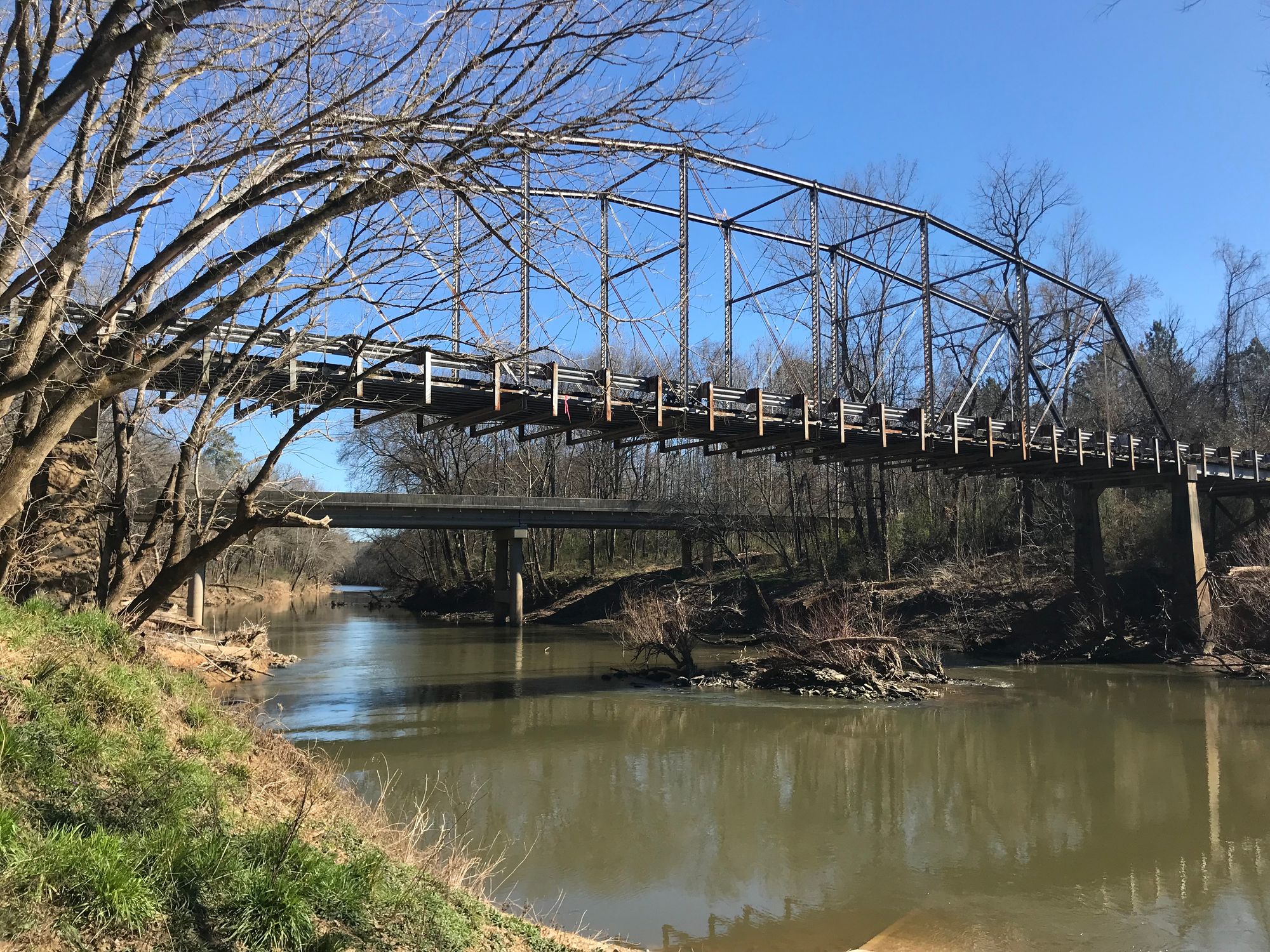
Deep River
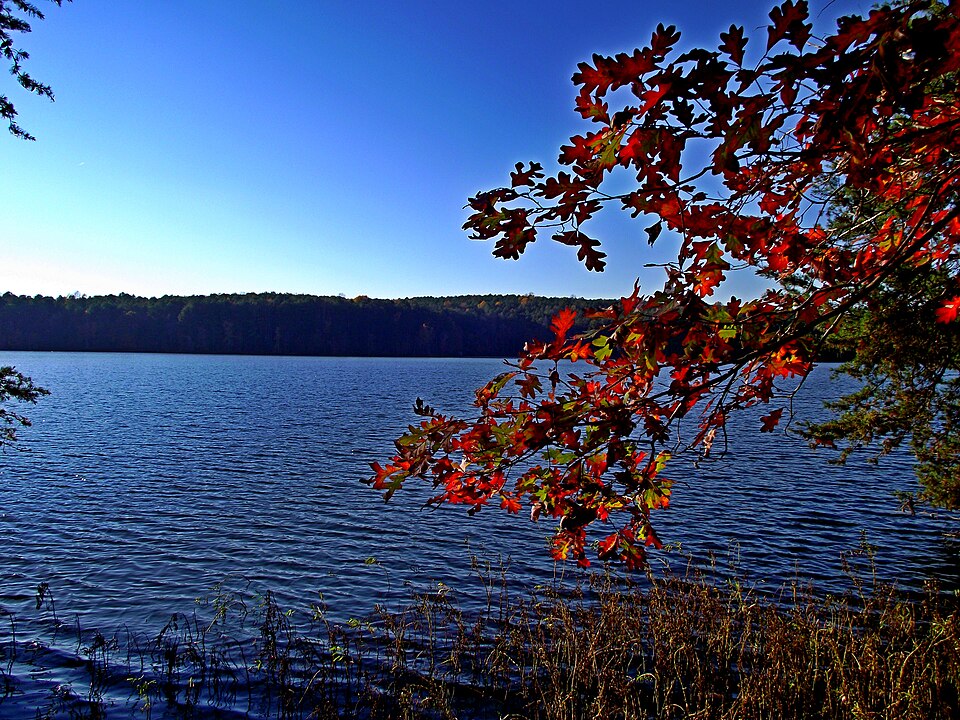
Badin Lake
Lake Tillery
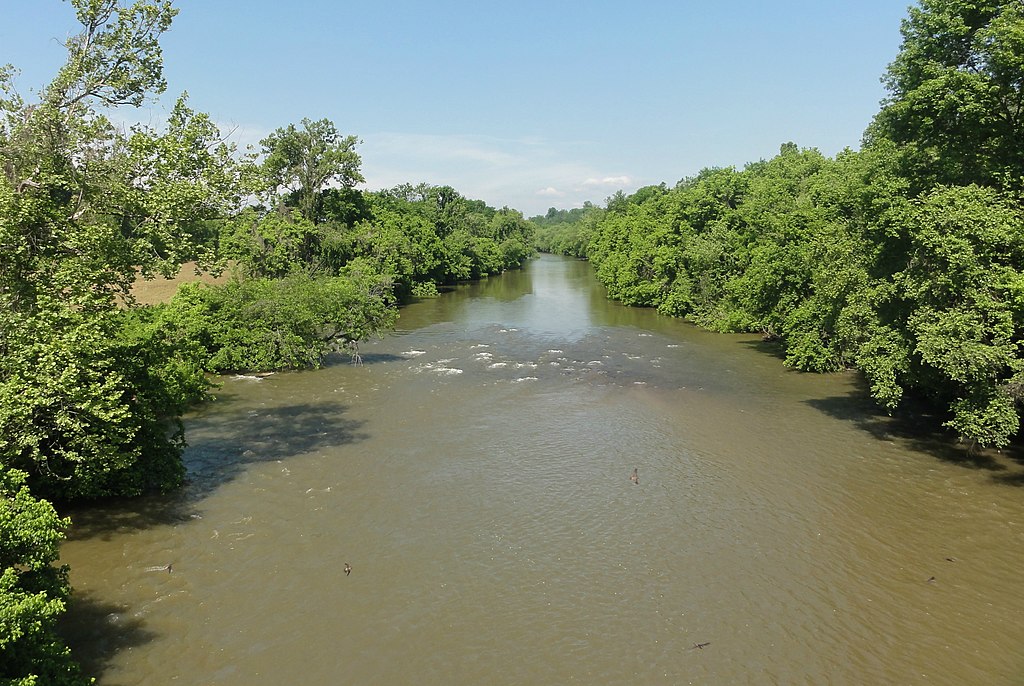
Yadkin River
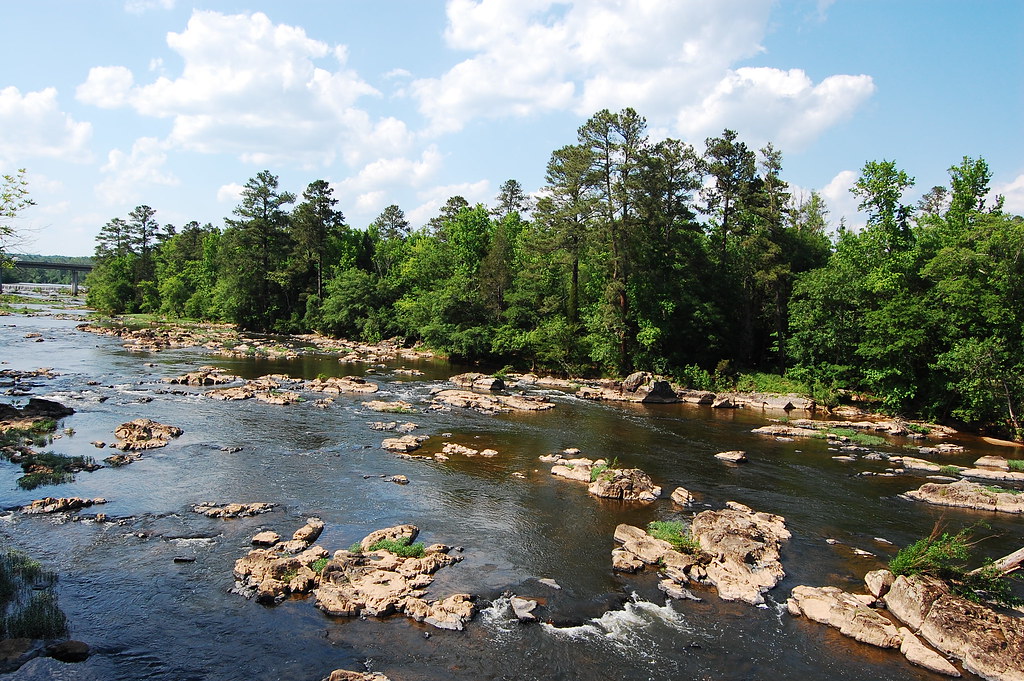
Haw River
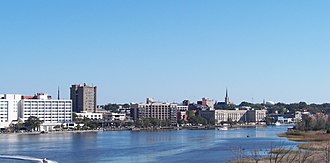
Cape Fear River
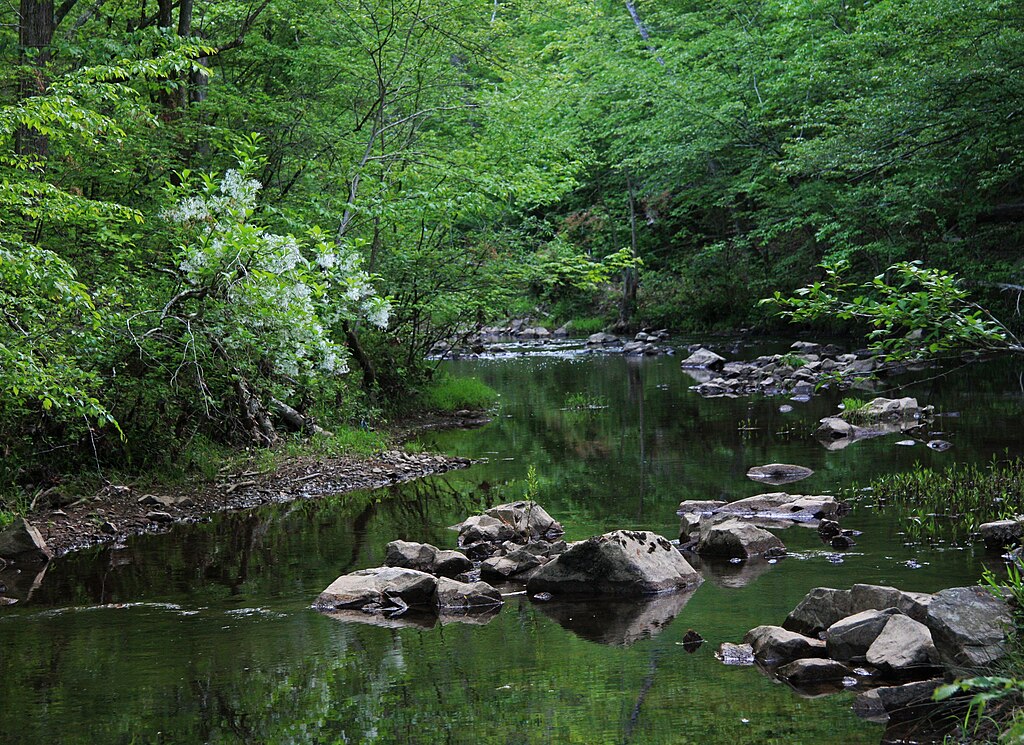
New Hope Creek
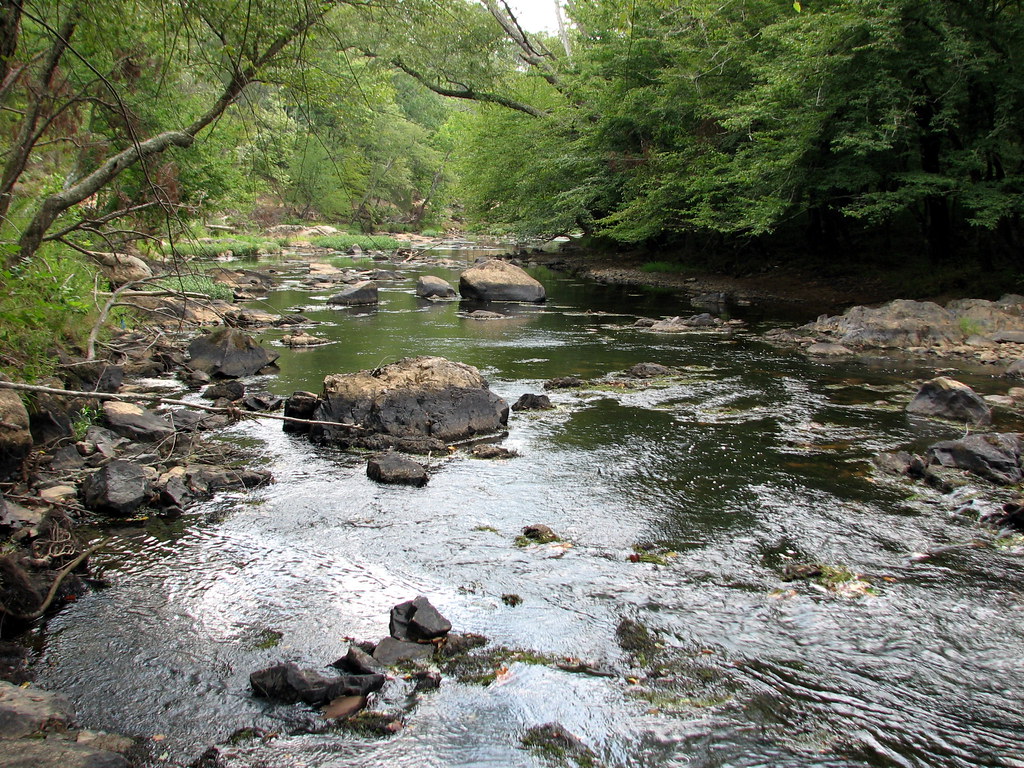
Eno River
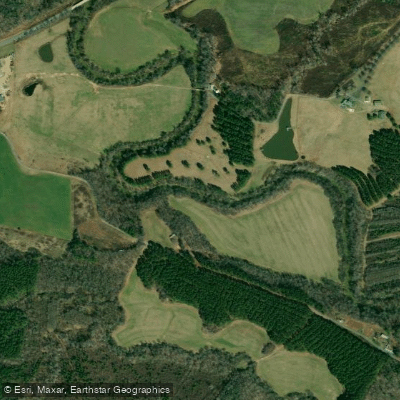
Uwharrie River
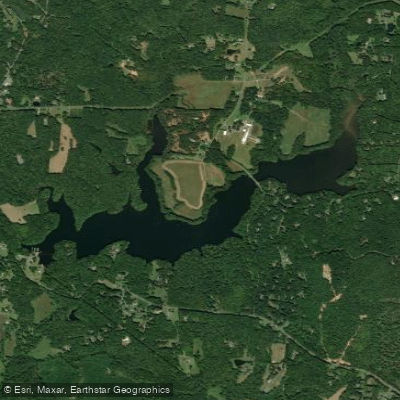
Back Creek Lake
What to know
Habitat Distribution
- They prefer slow-moving waters with dense aquatic vegetation and muddy or silty substrates in rivers, lakes, and reservoirs.
Key Locations
- Lake Wylie (holding the state record), the Catawba River system, Pee Dee River drainages including the Uwharrie and Little Rivers, and the French Broad River system.
- The NC Wildlife Resources Commission has documented their presence in 9 hydrologic units including the Lower Pee Dee, Nolichucky, Rocky, Upper Catawba, Upper French Broad, Upper Neuse, Upper Pee Dee, and Upper Yadkin watersheds.
Specific Spots
- Target depths of 1-6 feet in areas with fine substrates near structure like rock ledges, deep eddies, and areas with current breaks.
Smallmouth Buffalo FAQ
Answers from onWater's species guide.
What are the best lures and bait for Smallmouth Buffalo in North Carolina?
Natural baits like nightcrawlers, doughballs, corn, beans, peas, and bloodworms.
What flies work for Smallmouth Buffalo in North Carolina?
Effective patterns include hellgrammites, mayfly nymphs, woolly buggers, and small crayfish imitations.
When is the best time to fish for Smallmouth Buffalo in North Carolina?
Target from late June through March, avoiding the April-May spawning period. Water temperatures of 15-18°F are optimal.
How do you catch Smallmouth Buffalo in North Carolina?
Bottom-fishing techniques using natural baits. For fly fishing, use tight-lining (Euro-nymphing) techniques. Present flies directly in their feeding lanes with minimal movement - they prefer stationary or slowly rolling baits. They move to shallower areas at night to feed.
What do Smallmouth Buffalo eat?
Smallmouth Buffalo are primarily detritivores, using their ventral sucker mouths to feed on vegetation, organic matter, zooplankton, insect larvae (including copepods, cladocerans, mayflies, bloodworms), mollusk larvae, and small crustaceans from silty bottoms.
Fish smarter with real-time insights
Whether you're en route and conditions shift or you're looking for the best spot based on current flows, we enable you to make informed decisions on the fly.




See it in the app
Most maps show you water.
onWater shows you Smallmouth Buffalo.



- 01 · Species map filter
Map every Smallmouth Buffalo water
Pick Smallmouth Buffalo and the map zeroes in on the waters they call home. No more guessing which lake holds them.
- 02 · Waterbody species
Tap any water. See what lives there.
Species, behavior and seasonal patterns for every lake, river and pond, before you leave the driveway.
- 03 · Angler Intelligence
Ask how to catch Smallmouth Buffalo
Tactics, gear and timing from onWater's AI fishing guide, tuned to the species and the water you're on.
Stop guessing where Smallmouth Buffalo are.
Open the map, filter by Smallmouth Buffalo, and head to water that holds them. Download onWater and plan your next trip in minutes.
- Species map filter
- Angler Intelligence
- Fishing journal
Explore other species
Trout, bass, salmon, panfish and everything in between. Each guide unpacks the behavior, seasons, and tactics that put fish in the net.
No species information available.
North Carolina licenses and regulations
Explore nearby waters
Explore North Carolina waters
Top fishing waters
Popular Cities
Loading popular cities...

Smarter Fishing Starts in the App.
onWater Fish gives you everything you need to plan smarter, fish better, and own every trip from first cast to last.