Roanoke Bass
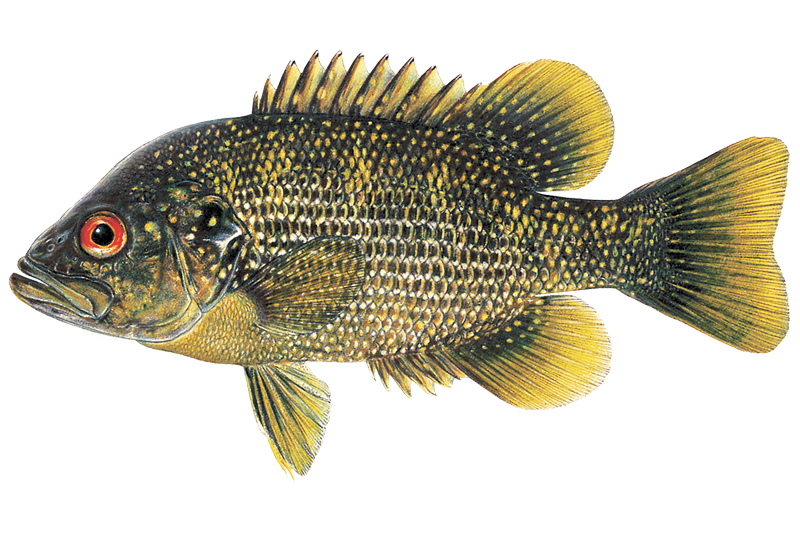
The Roanoke Bass (Ambloplites cavifrons) is actually a sunfish rather than a true bass, classified as a game fish in North Carolina.
These fish are uncommon in North America, with their native range restricted to the Tar and Neuse River drainages in North Carolina, plus isolated introduced populations in the Uwharrie River in the southern Piedmont.
Scientific Name: Ambloplites cavifrons
- These fish are dark olive-green to olive brown, fading to grayish sides with a white belly, featuring smaller scale spots than rock bass and distinctive whitish or yellowish spots on their upper body.
- They are scaleless or nearly so on their cheeks, which helps distinguish them from similar species.
- Growth rates show they can reach 8-12 inches on average, with some specimens reaching 16 inches in prime habitat.
Fishing in North Carolina
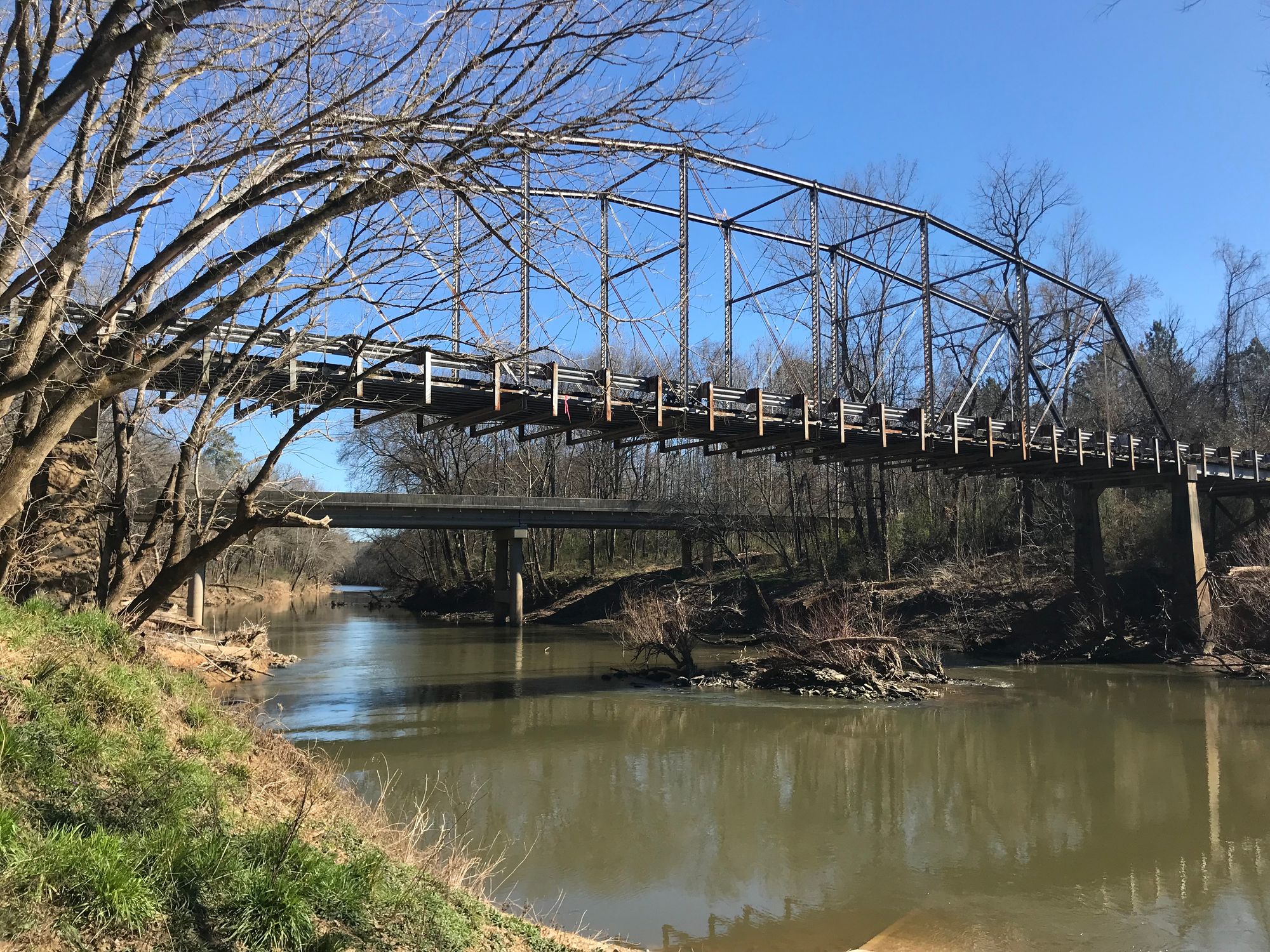
Deep River
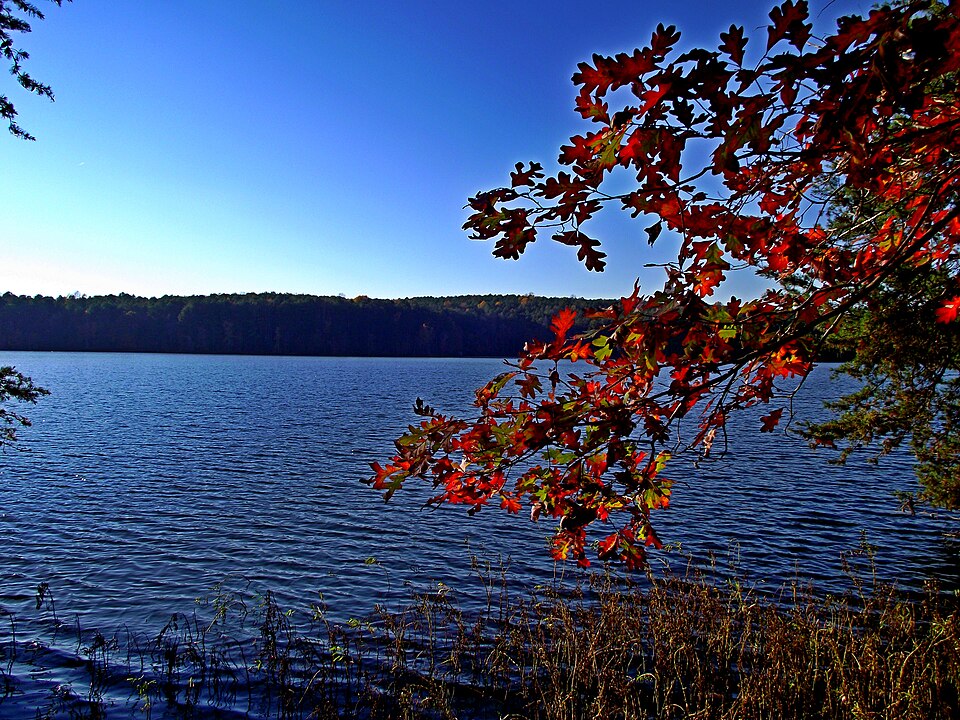
Badin Lake
Lake Tillery
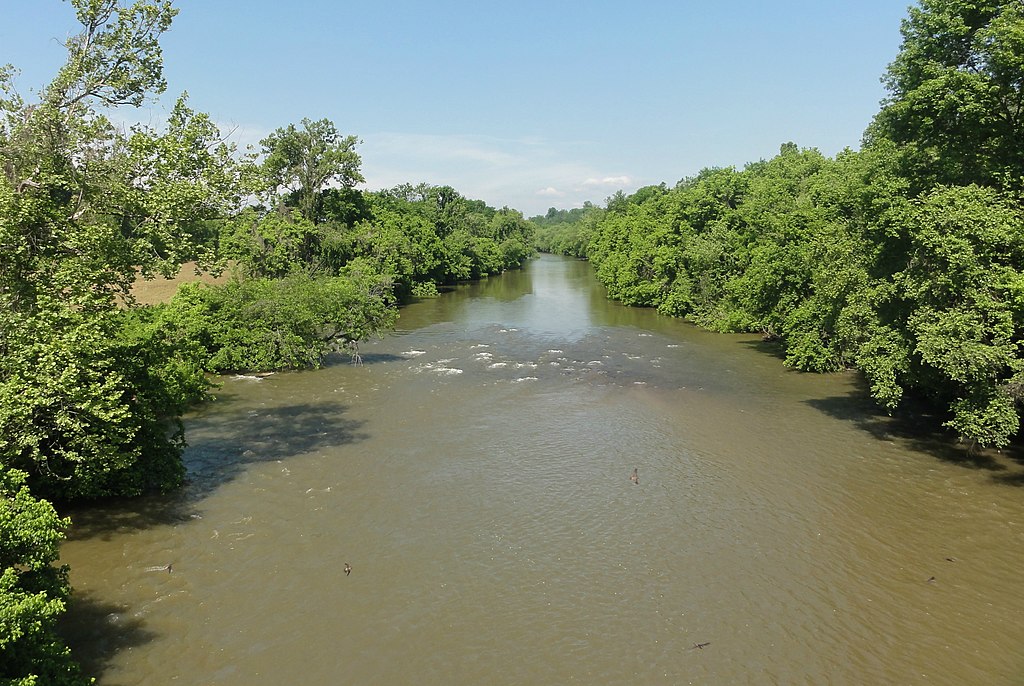
Yadkin River
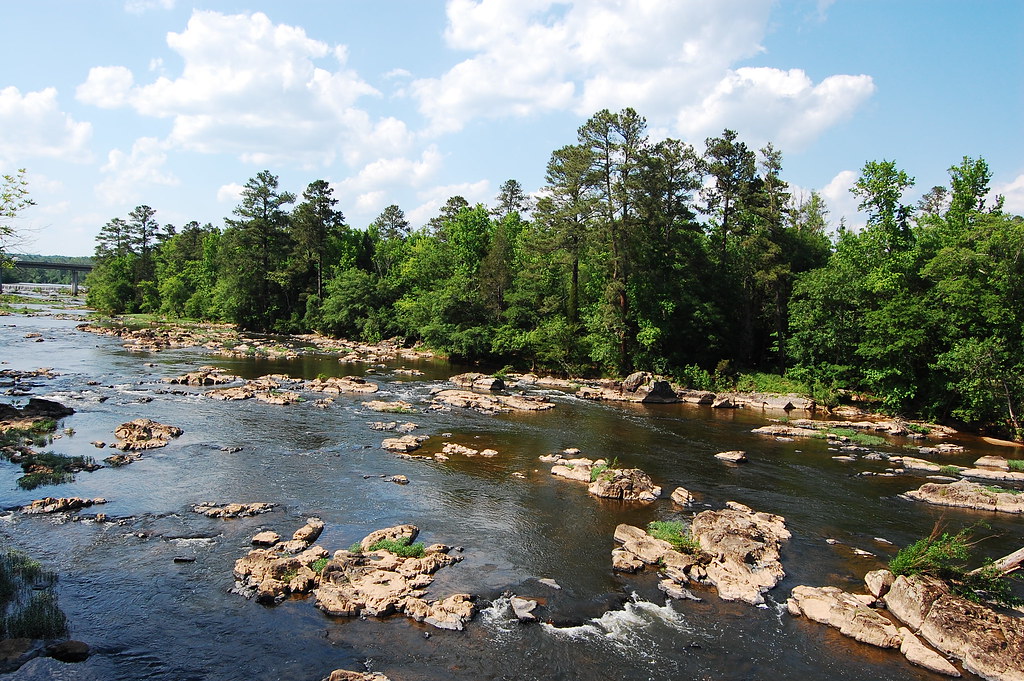
Haw River
Cape Fear River
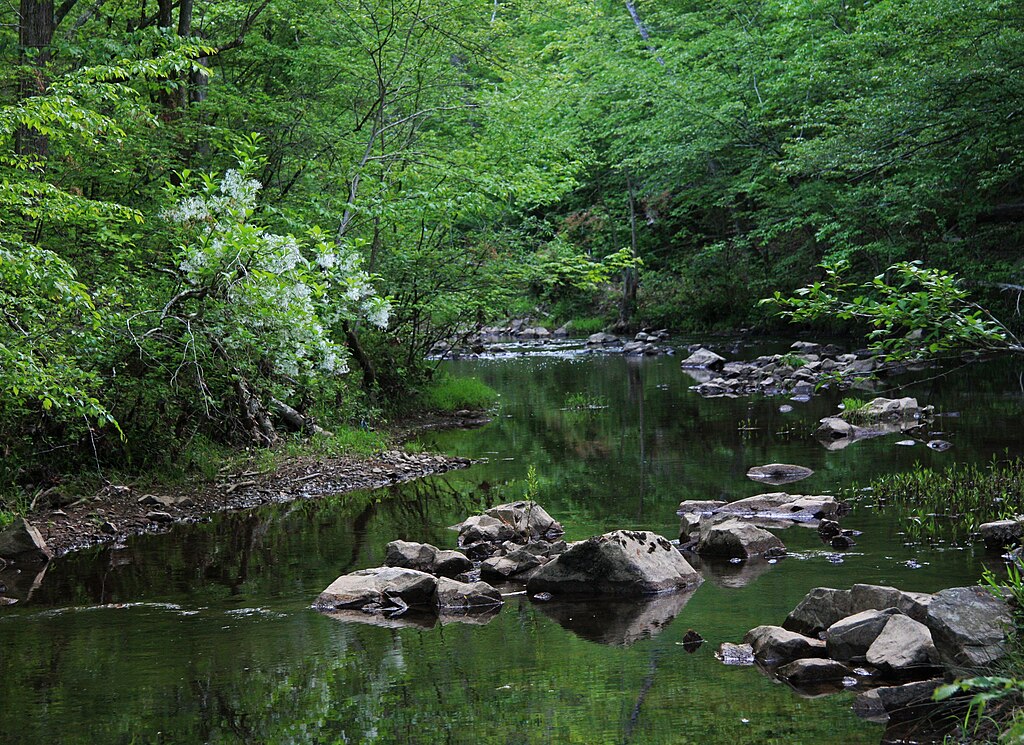
New Hope Creek
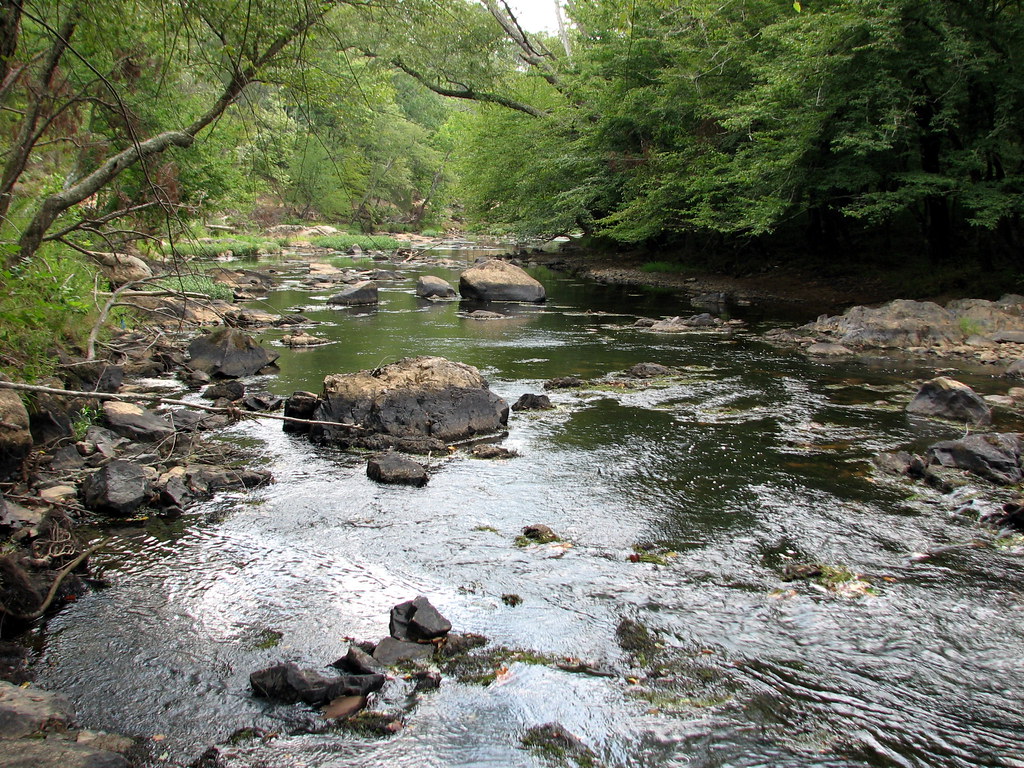
Eno River
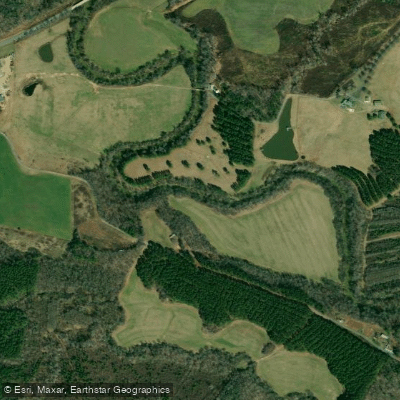
Uwharrie River
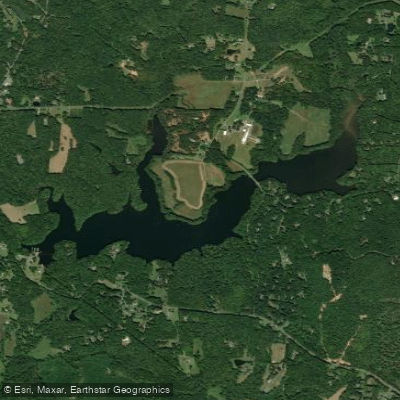
Back Creek Lake
What to know
Habitat Distribution
- Native range restricted to the Tar and Neuse River drainages in North Carolina, plus isolated introduced populations in the Uwharrie River in the southern Piedmont.
- These fish prefer large creeks, streams, and small rivers with moderate flows and rocky substrate.
Key Locations
- Target the Tar and Neuse River systems and their tributaries, including the Eno River near Durham, where populations are documented.
- Found primarily in the Tar River Watershed (16 documented locations from headwaters near Oxford to Greenville) and Neuse River Watershed (5 locations in headwater tributaries including Flat River, Little River, and Eno River).
Specific Spots
- Focus on vegetated riffle areas where they concentrate their feeding, especially around rocky substrate and moderate current flows.
- Target areas around submerged rocks, logs, or structures where they tend to hold.
Roanoke Bass FAQ
Answers from onWater's species guide.
What are the best lures and bait for Roanoke Bass in North Carolina?
Popular lures include tiny jigs, doll flies, small crankbaits that imitate minnows, small spoons, and spinners. For live bait, small to medium minnows work best. Since they feed heavily on crayfish, consider using crawfish-colored lures.
What flies work for Roanoke Bass in North Carolina?
Try patterns like small streamers and nymphs that imitate their preferred prey. Since they feed heavily on crayfish, consider using crawfish-colored flies.
When is the best time to fish for Roanoke Bass in North Carolina?
Fish from June through October when they're most active and feeding consistently. Spawning occurs when water temperatures reach 60-70°F, typically in spring, and this period should be avoided for fishing to protect reproduction.
How do you catch Roanoke Bass in North Carolina?
Work areas thoroughly around submerged rocks, logs, or structures where they tend to hold. Focus on vegetated riffle areas where they concentrate their feeding. The species is more territorial than other bass, so work areas thoroughly.
What do Roanoke Bass eat?
Young Roanoke Bass feed on aquatic invertebrates including Tendipedidae, Coleoptera, and Notonectidae, while adults primarily eat crayfish and small fish. In hatchery studies, adults readily took both fish and aquatic invertebrates.
Fish smarter with real-time insights
Whether you're en route and conditions shift or you're looking for the best spot based on current flows, we enable you to make informed decisions on the fly.




See it in the app
Most maps show you water.
onWater shows you Roanoke Bass.



- 01 · Species map filter
Map every Roanoke Bass water
Pick Roanoke Bass and the map zeroes in on the waters they call home. No more guessing which lake holds them.
- 02 · Waterbody species
Tap any water. See what lives there.
Species, behavior and seasonal patterns for every lake, river and pond, before you leave the driveway.
- 03 · Angler Intelligence
Ask how to catch Roanoke Bass
Tactics, gear and timing from onWater's AI fishing guide, tuned to the species and the water you're on.
Stop guessing where Roanoke Bass are.
Open the map, filter by Roanoke Bass, and head to water that holds them. Download onWater and plan your next trip in minutes.
- Species map filter
- Angler Intelligence
- Fishing journal
Explore other species
Trout, bass, salmon, panfish and everything in between. Each guide unpacks the behavior, seasons, and tactics that put fish in the net.
No species information available.
North Carolina licenses and regulations
Explore nearby waters
Explore North Carolina waters
Top fishing waters
Popular Cities
Loading popular cities...
Smarter Fishing Starts in the App.
onWater Fish gives you everything you need to plan smarter, fish better, and own every trip from first cast to last.