Redfin Pickerel

North Carolina's smallest native pike species, rarely exceeding 15 inches and typically measuring 5-9 inches. These ambush predators have large eyes for visual hunting and elongated bodies adapted for quick strikes from cover.
Scientific Name: Esox americanus americanus
- Distinguished from Chain Pickerel by their distinctive red-orange fins (especially vibrant in Carolina specimens), dark vertical bars rather than chain-like patterns, and shorter snouts relative to head size.
- Have large eyes for visual hunting and elongated bodies adapted for quick strikes from cover.
- Terminal mouth lined with sharp, conical teeth.
Fishing in North Carolina
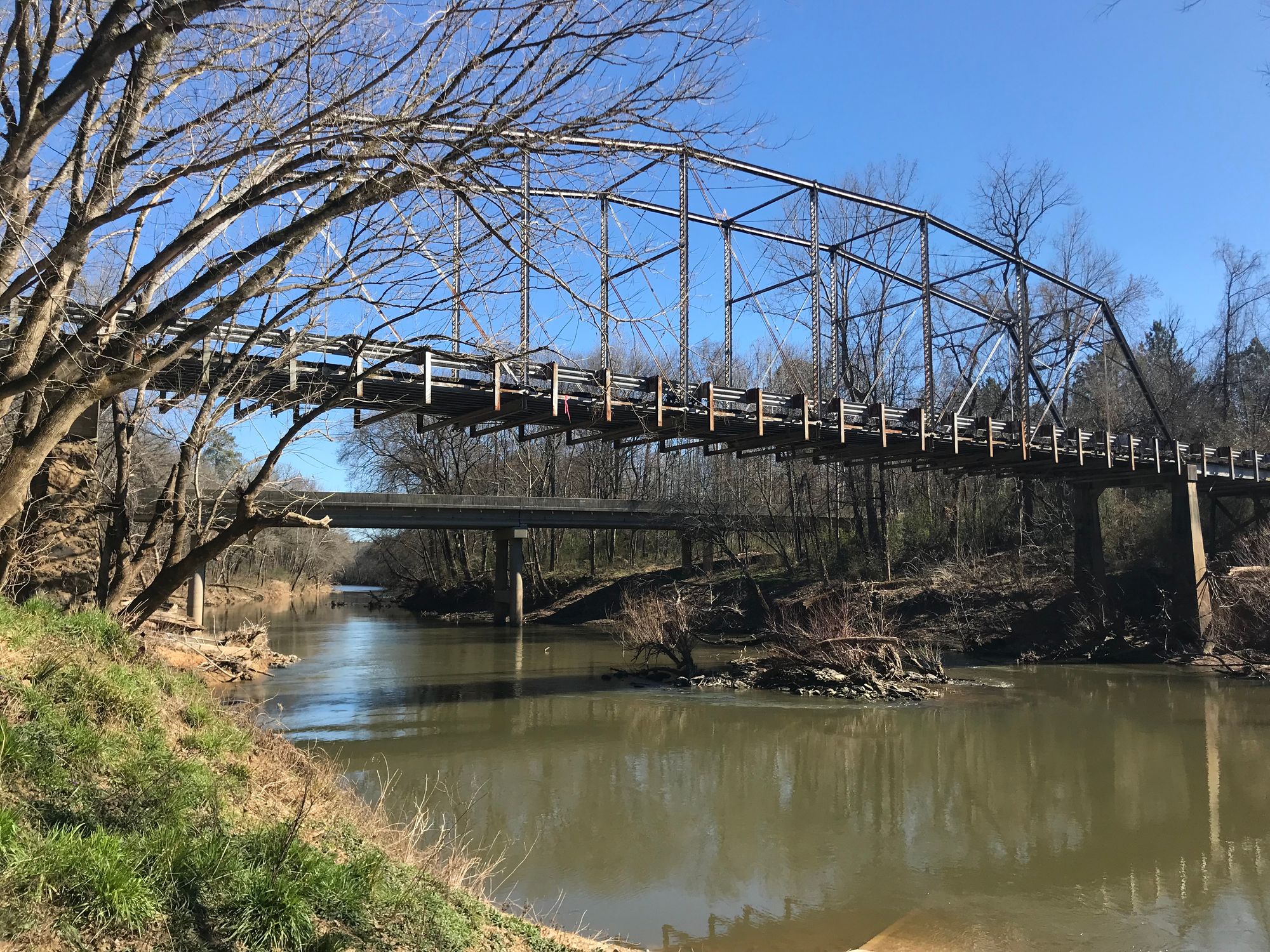
Deep River
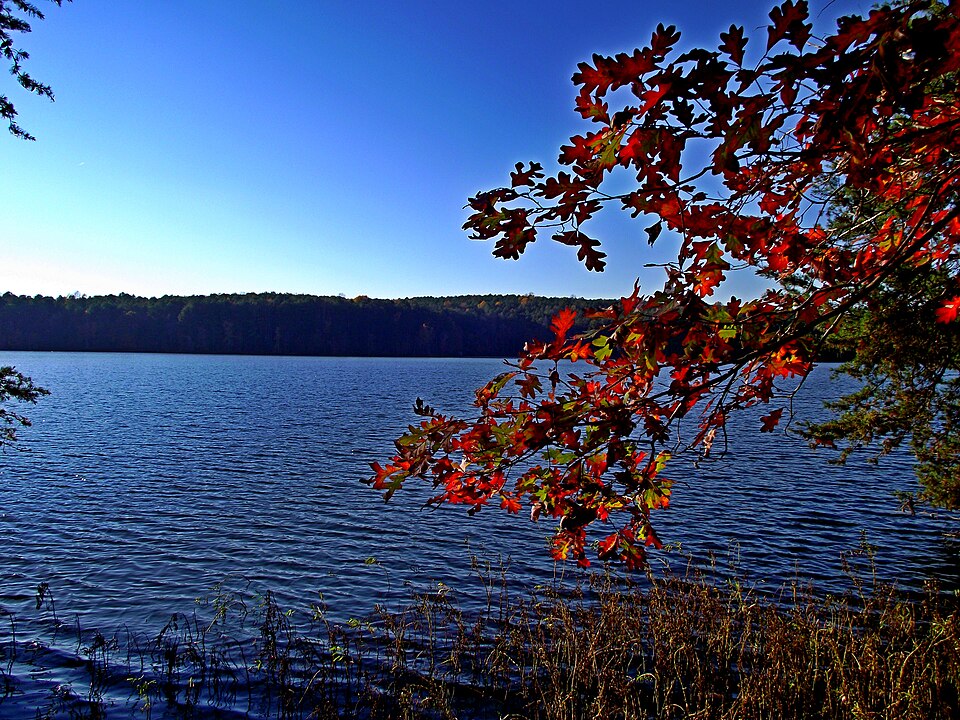
Badin Lake
Lake Tillery
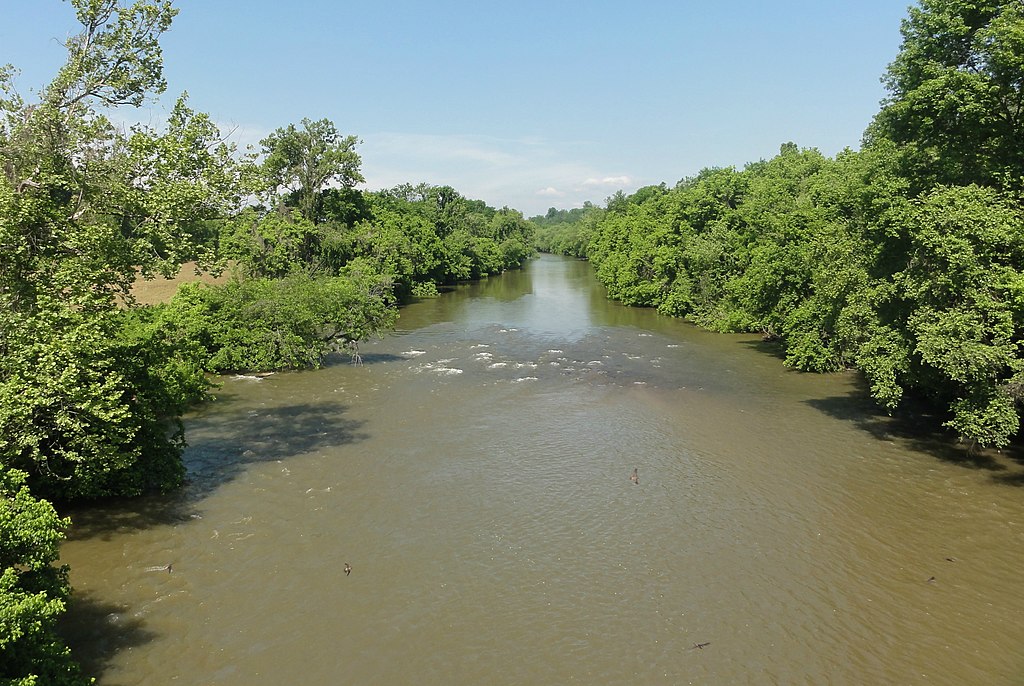
Yadkin River
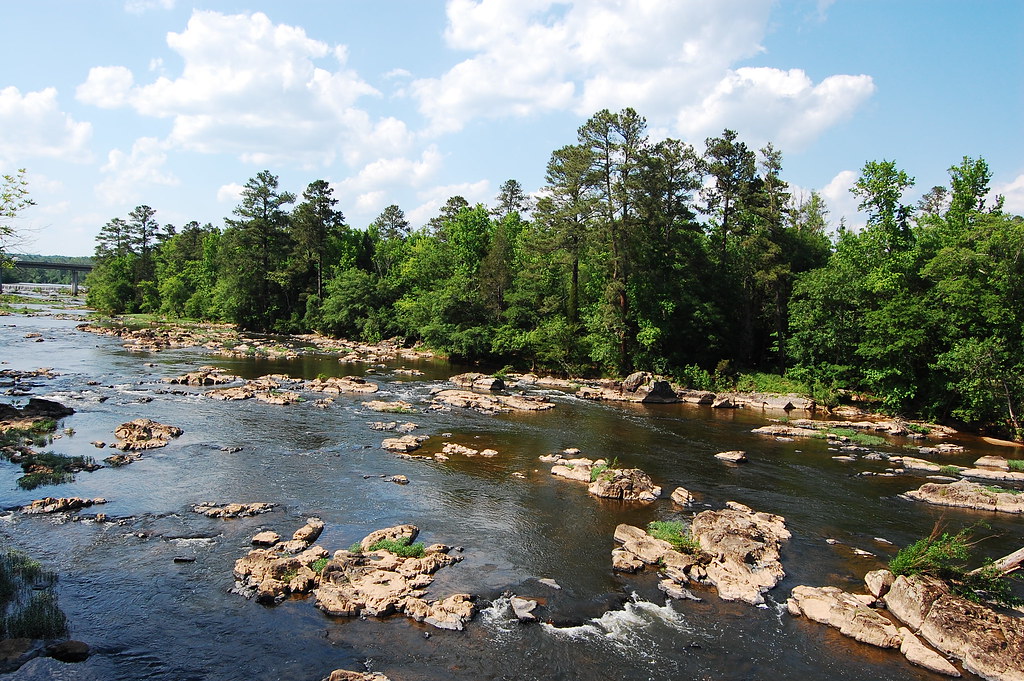
Haw River
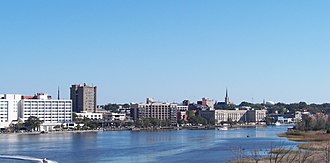
Cape Fear River
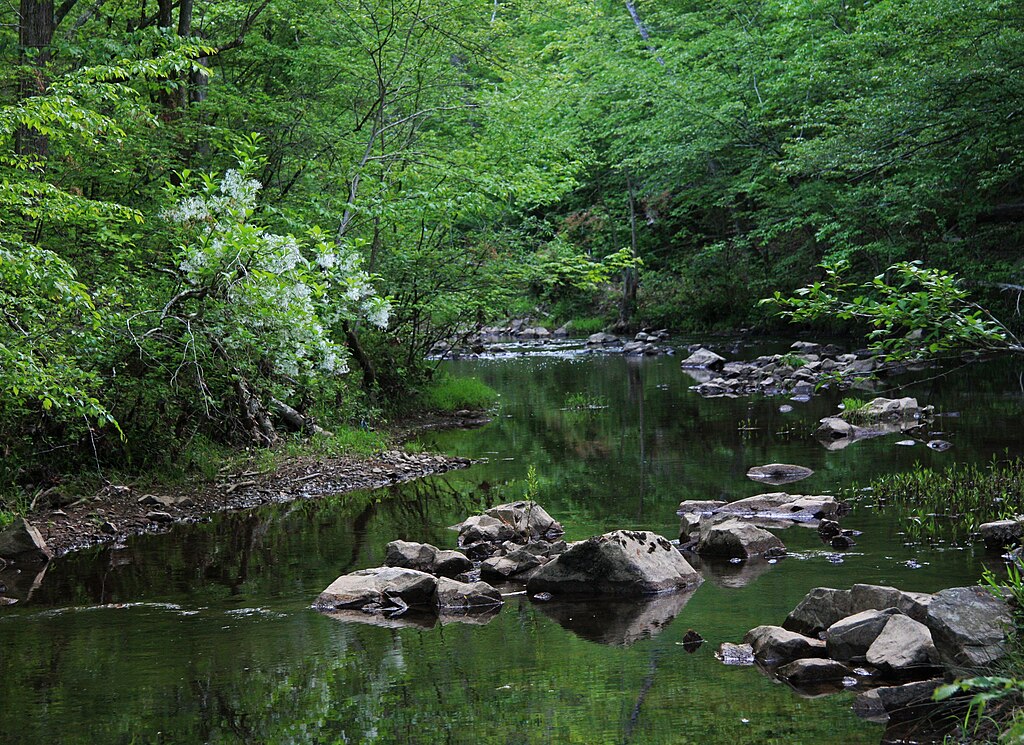
New Hope Creek
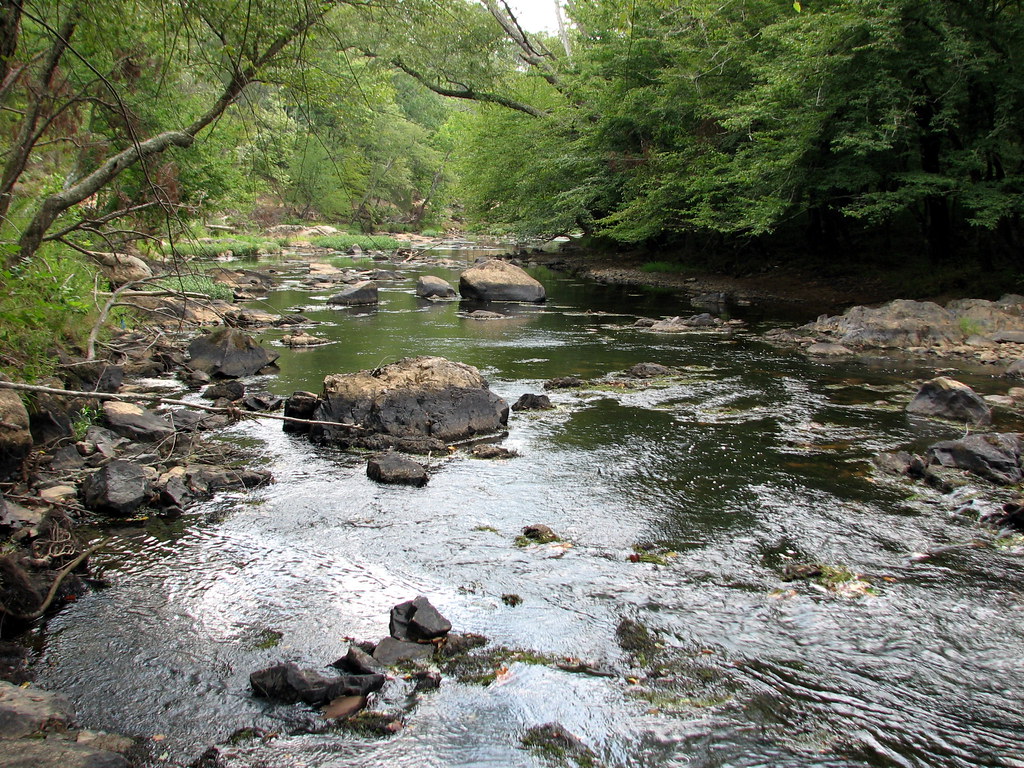
Eno River
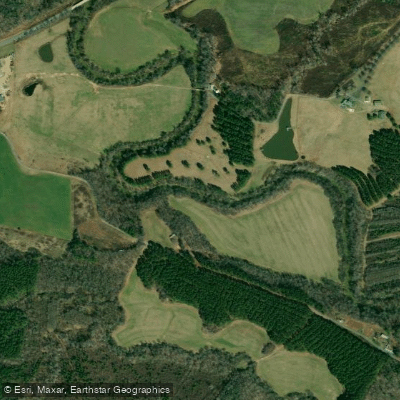
Uwharrie River
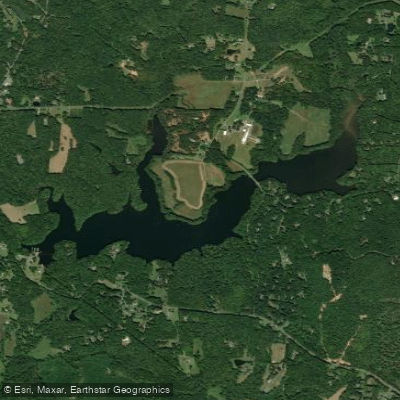
Back Creek Lake
What to know
Habitat Distribution
- Native to the Coastal Plain with some populations in the western Piedmont (Catawba basin) and upper Roanoke basin.
- They inhabit swamps, sloughs, creeks, mill ponds, natural lakes, and tannin-stained blackwater streams wherever dense vegetation or cover exists.
Key Locations
- Lumber River and its backwaters, Coastal Plain and Sand Hills streams, western Piedmont (Catawba basin), upper Roanoke basin.
- The Lumber River system in North Carolina offers excellent Redfin Pickerel fishing opportunities.
Specific Spots
- Fish areas with dense aquatic vegetation, lily pads, brush piles, fallen logs, and other cover in calm waters.
- Target swamps, backwaters, quiet stream pools, mill ponds, and vegetated lake edges.
Redfin Pickerel FAQ
Answers from onWater's species guide.
What are the best lures and bait for Redfin Pickerel in North Carolina?
Casting spoons, small spinnerbaits, poppers, walkers, and frog patterns that create surface commotion. Soft plastic shads and swimbaits work well, though their teeth will quickly destroy soft plastics. Small minnows are the preferred live bait, presented with a bobber or float in shallow water.
When is the best time to fish for Redfin Pickerel in North Carolina?
Late spring through fall after spawning concludes, with peak action in summer months. Spawning season from late February through early May should be avoided for fishing to protect reproducing populations.
How do you catch Redfin Pickerel in North Carolina?
Use slow, erratic retrieves as these fish are ambush predators waiting in cover. Long-handled dip nets work well dragged through heavy cover during summer. Minnow traps placed in narrow stream passages can also be effective but require patience to master.
What do Redfin Pickerel eat?
Carnivorous ambush predators that feed primarily on smaller fish, crayfish, and insect larvae. Juveniles consume small crustaceans, water fleas, amphipods, and insects until reaching about 4 inches. Adults position themselves among thick vegetation waiting for prey to enter striking range.
Where do Redfin Pickerel live in North Carolina?
Native to the Coastal Plain with some populations in the western Piedmont (Catawba basin) and upper Roanoke basin. They inhabit swamps, sloughs, creeks, mill ponds, natural lakes, and tannin-stained blackwater streams wherever dense vegetation or cover exists.
Fish smarter with real-time insights
Whether you're en route and conditions shift or you're looking for the best spot based on current flows, we enable you to make informed decisions on the fly.




See it in the app
Most maps show you water.
onWater shows you Redfin Pickerel.



- 01 · Species map filter
Map every Redfin Pickerel water
Pick Redfin Pickerel and the map zeroes in on the waters they call home. No more guessing which lake holds them.
- 02 · Waterbody species
Tap any water. See what lives there.
Species, behavior and seasonal patterns for every lake, river and pond, before you leave the driveway.
- 03 · Angler Intelligence
Ask how to catch Redfin Pickerel
Tactics, gear and timing from onWater's AI fishing guide, tuned to the species and the water you're on.
Stop guessing where Redfin Pickerel are.
Open the map, filter by Redfin Pickerel, and head to water that holds them. Download onWater and plan your next trip in minutes.
- Species map filter
- Angler Intelligence
- Fishing journal
Explore other species
Trout, bass, salmon, panfish and everything in between. Each guide unpacks the behavior, seasons, and tactics that put fish in the net.
No species information available.
North Carolina licenses and regulations
Explore nearby waters
Explore North Carolina waters
Top fishing waters
Popular Cities
Loading popular cities...

Smarter Fishing Starts in the App.
onWater Fish gives you everything you need to plan smarter, fish better, and own every trip from first cast to last.