Pumpkinseed
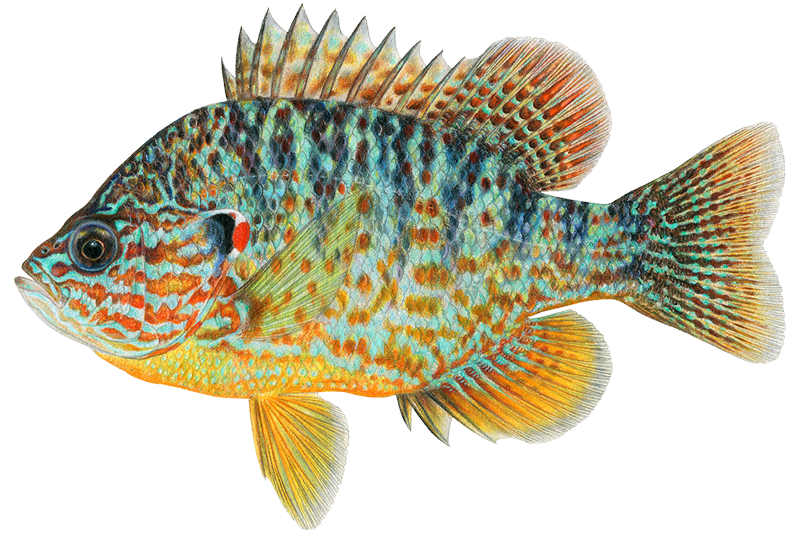
The Pumpkinseed is one of North Carolina's most colorful sunfish, distinguished by its small mouth, chunky build, and brilliant coloration.
Scientific Name: Lepomis gibbosus
- These fish display orange to yellow breast and belly, with four to eight bright blue wavy lines on their cheeks, and a distinctive black ear flap with an orange-red spot bordered in white.
Fishing in North Carolina
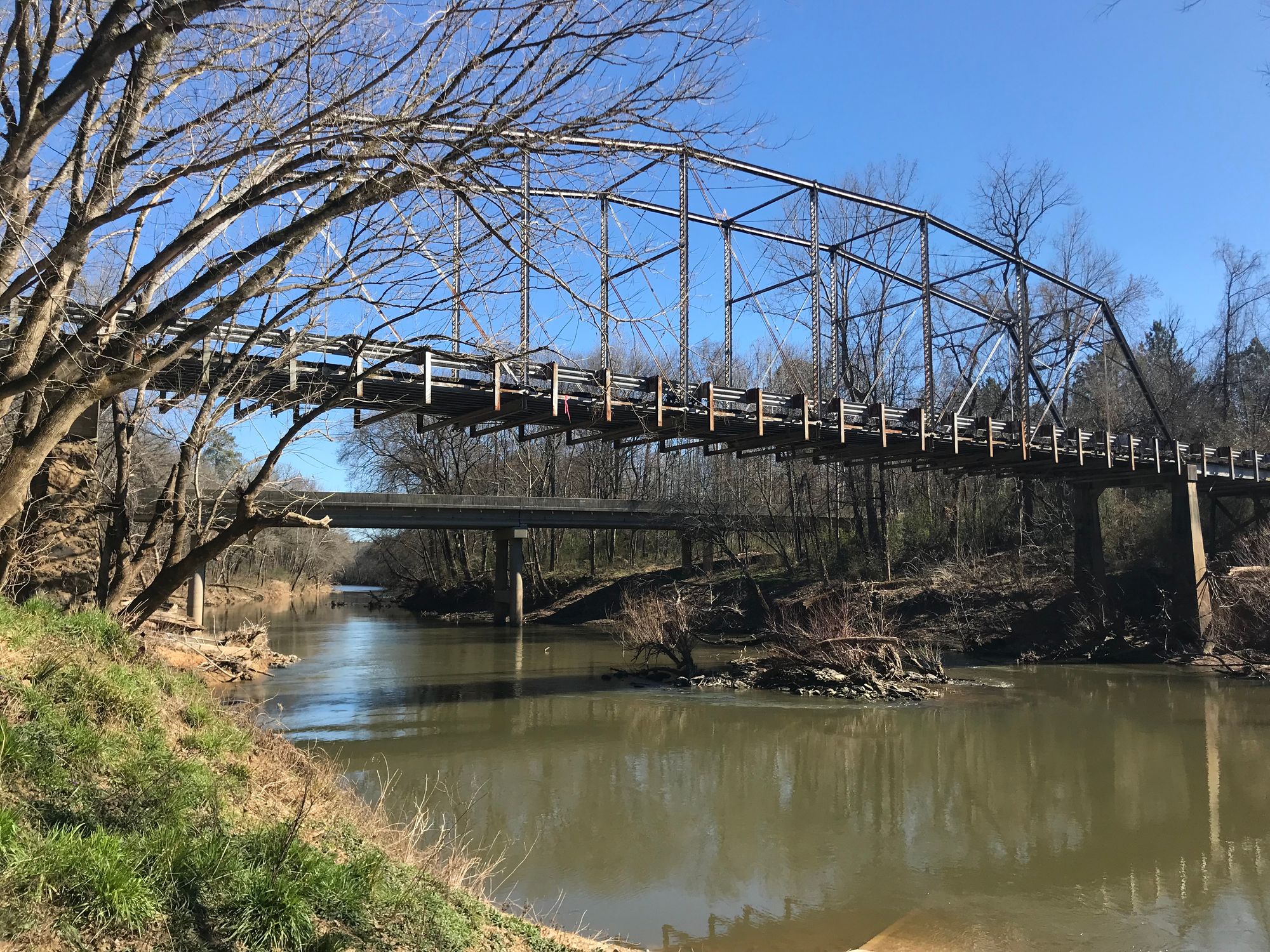
Deep River
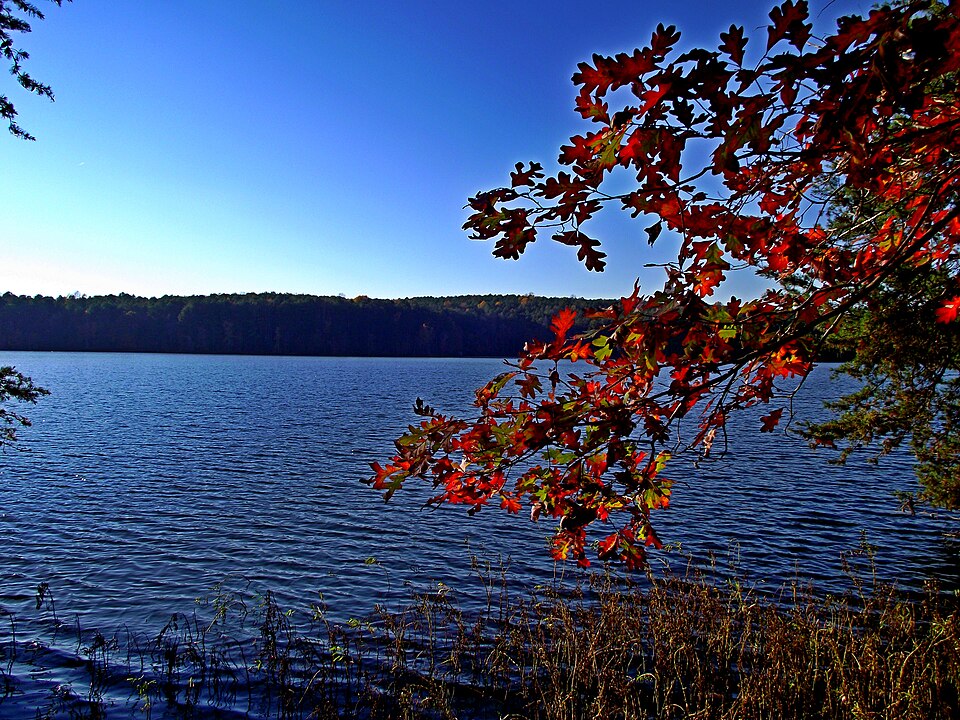
Badin Lake
Lake Tillery
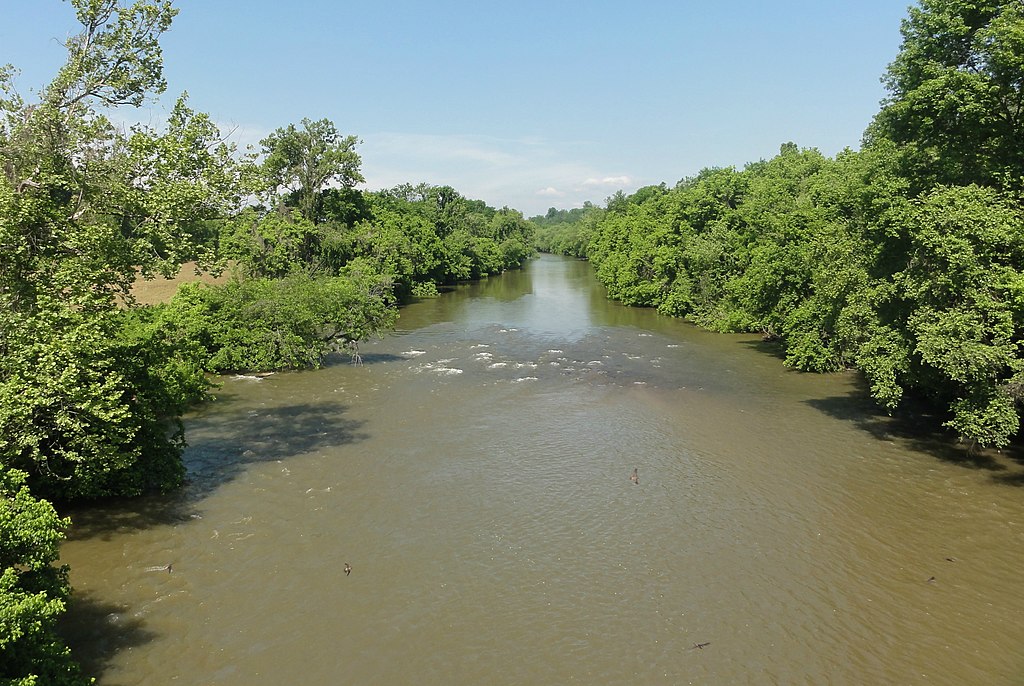
Yadkin River
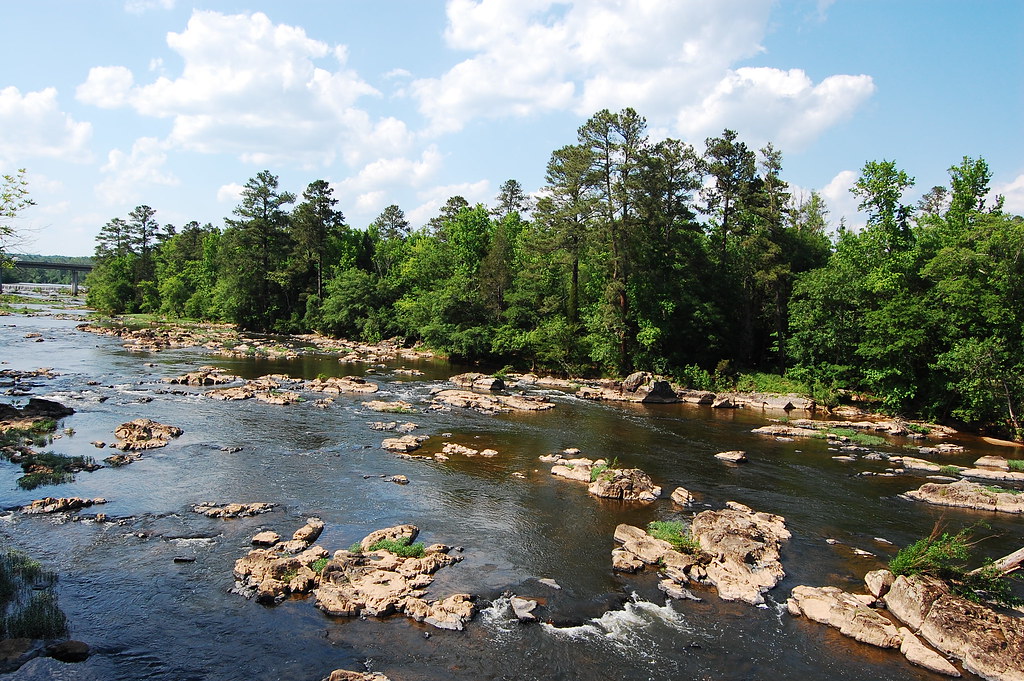
Haw River
Cape Fear River
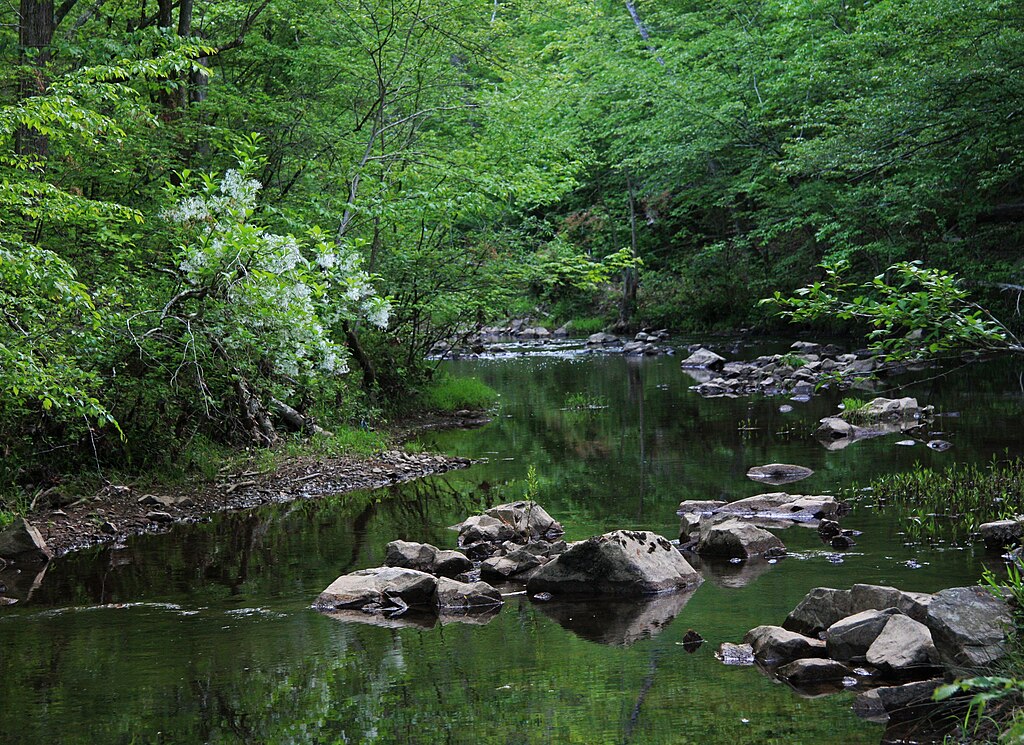
New Hope Creek
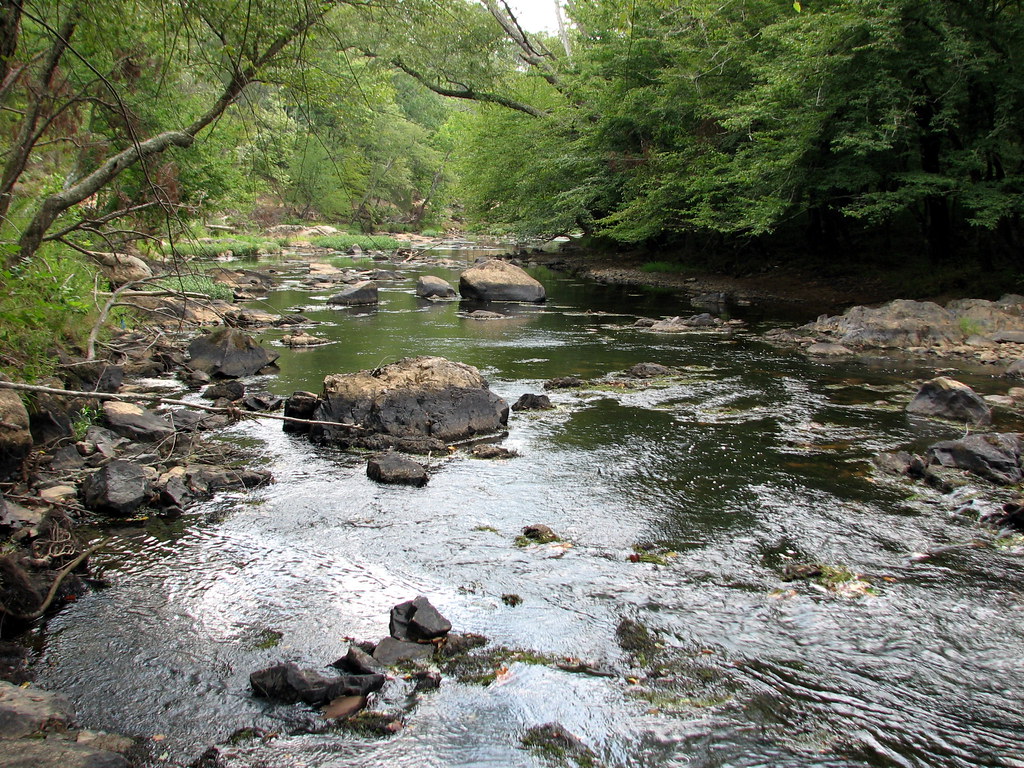
Eno River
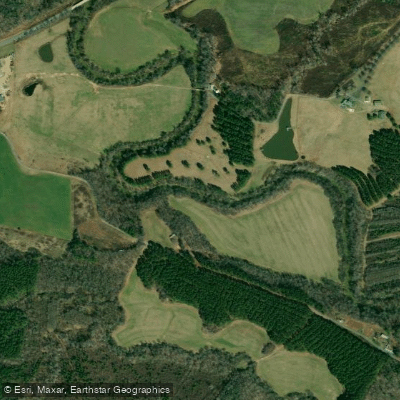
Uwharrie River
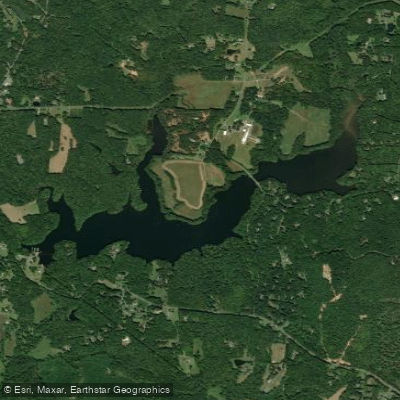
Back Creek Lake
What to know
Habitat Distribution
- They prefer shallow areas of lakes and slow-moving rivers with submerged vegetation and brushy cover, tolerating diverse environmental conditions including acidic swamp habitats and brackish estuarine waters.
Key Locations
- Found throughout reservoirs statewide as well as many coastal rivers including the Neuse, Trent, Pungo, White Oak, and New Rivers.
- They also inhabit Lake Phelps, where some of the state's largest specimens are found.
- Focus fishing efforts in most North Carolina lakes and reservoirs, with coastal rivers and brackish estuaries like the Trent River offering quality opportunities.
Specific Spots
- Look for shallow, protected areas with vegetation, particularly around submerged brush piles, docks, and weed edges.
- Fish concentrate along edges of dense vegetation or woody debris.
Pumpkinseed FAQ
Answers from onWater's species guide.
What are the best lures and bait for Pumpkinseed in North Carolina?
Earthworms are the top choice, fished along edges of dense vegetation or woody debris. Small spinners are also effective.
What flies work for Pumpkinseed in North Carolina?
Use popping bugs in bumblebee, frog, or chartreuse patterns. For subsurface patterns, try the James Wood Bucktail tied with variegated chartreuse/black chenille body and a mix of green, yellow, and blue bucktail wing - this pattern imitates small sunfish.
When is the best time to fish for Pumpkinseed in North Carolina?
Target from late summer through fall and again in early spring before spawning begins. During spawning season (typically May through July), avoid targeting these fish as they're focused on reproduction rather than feeding.
How do you catch Pumpkinseed in North Carolina?
For fly fishing, the popping bug technique involves twitching the rod tip up to create a 'bloop' sound, then resting 2-3 seconds before repeating. For subsurface patterns, retrieve slowly with a hand-twist motion.
What do Pumpkinseed eat?
These omnivorous fish feed primarily on aquatic insects, snails, small clams and other invertebrates, with their heaviest feeding occurring in the afternoon.
Fish smarter with real-time insights
Whether you're en route and conditions shift or you're looking for the best spot based on current flows, we enable you to make informed decisions on the fly.




See it in the app
Most maps show you water.
onWater shows you Pumpkinseed.



- 01 · Species map filter
Map every Pumpkinseed water
Pick Pumpkinseed and the map zeroes in on the waters they call home. No more guessing which lake holds them.
- 02 · Waterbody species
Tap any water. See what lives there.
Species, behavior and seasonal patterns for every lake, river and pond, before you leave the driveway.
- 03 · Angler Intelligence
Ask how to catch Pumpkinseed
Tactics, gear and timing from onWater's AI fishing guide, tuned to the species and the water you're on.
Stop guessing where Pumpkinseed are.
Open the map, filter by Pumpkinseed, and head to water that holds them. Download onWater and plan your next trip in minutes.
- Species map filter
- Angler Intelligence
- Fishing journal
Explore other species
Trout, bass, salmon, panfish and everything in between. Each guide unpacks the behavior, seasons, and tactics that put fish in the net.
No species information available.
North Carolina licenses and regulations
Explore nearby waters
Explore North Carolina waters
Top fishing waters
Popular Cities
Loading popular cities...

Smarter Fishing Starts in the App.
onWater Fish gives you everything you need to plan smarter, fish better, and own every trip from first cast to last.