Bluegill
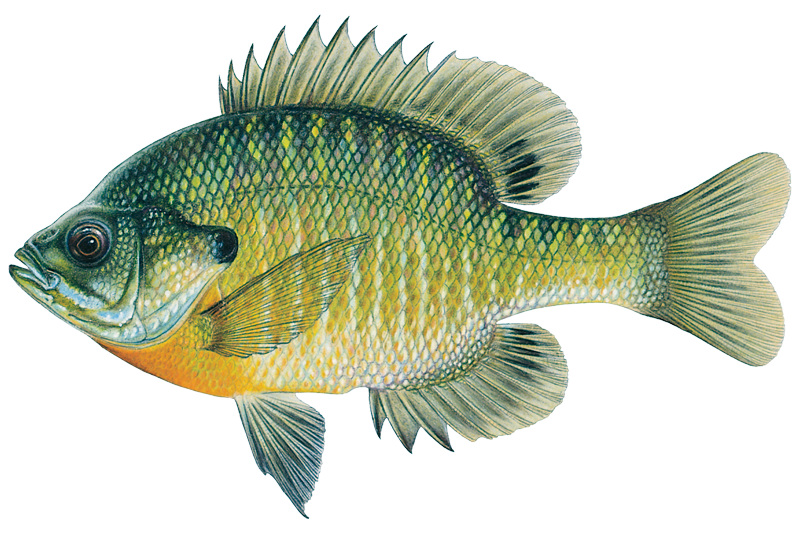
Bluegill are non-native sunfish found across most of eastern Montana, particularly in the prairie pond region.
These introduced fish have established self-sustaining populations in many waters, though they generally don't grow large enough to be considered a premier sport fish in Montana.
Montana FWP has largely stopped stocking bluegill in combination with bass due to their limited sport fishing appeal in the state's waters.
Scientific Name: Lepomis macrochirus
- Typically maxing out at around 3 pounds but more commonly staying much smaller.
- They have small mouths.
Fishing in Montana

Missouri River
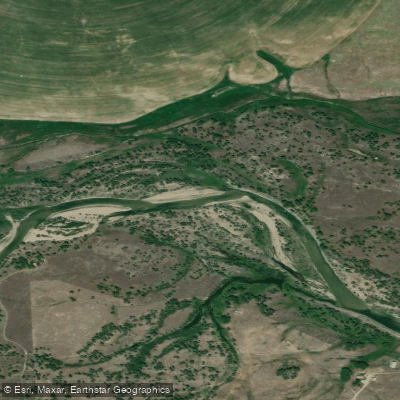
Sun River
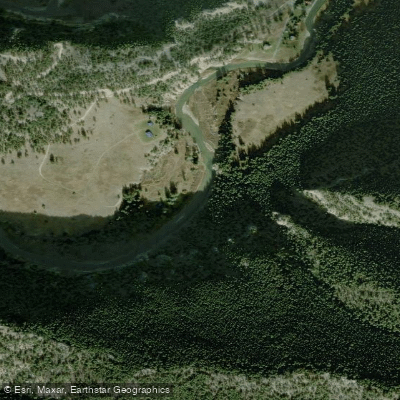
Smith River
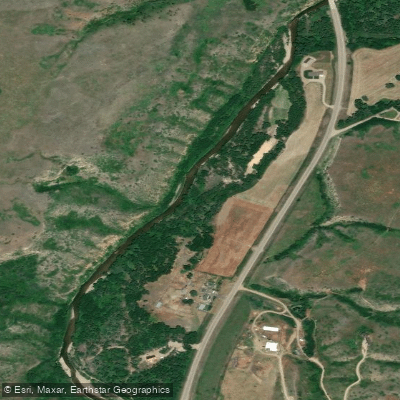
Belt Creek
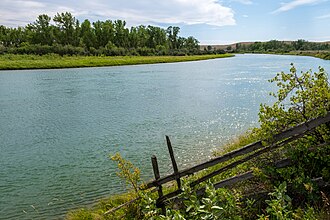
Marias River
Benton Lake
Holter Lake
Teton River
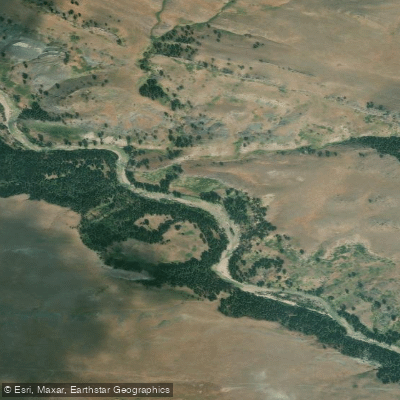
Dearborn River
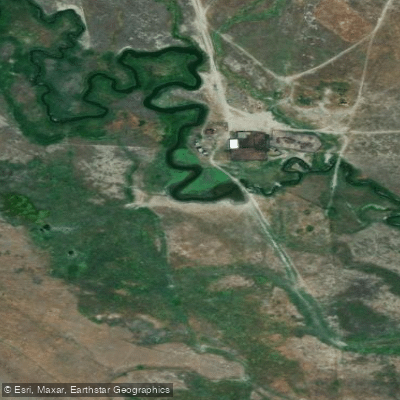
Little Muddy Creek
What to know
Habitat Distribution
- Found across most of eastern Montana, particularly in the prairie pond region.
- They prefer comparatively warm lakes and ponds with abundant vegetation, and can also be found in quiet stream pools.
- Found mostly with other sunfish species in southeast Montana.
Key Locations
- Eastern Montana's prairie ponds and stock dams provide the best bluegill opportunities, particularly in FWP Region 6 (northeast) and Region 7 (southeast) managed waters.
Specific Spots
- Target brushy banks with fallen timber, overhanging trees, and 1-2 feet of water depth.
Bluegill FAQ
Answers from onWater's species guide.
What are the best lures and bait for Bluegill in Montana?
1-inch Mister Twister curly tail grubs on 1/32-1/16 ounce jig heads (chartreuse is particularly effective), 1/16 ounce Johnson Beetle Spin spinnerbaits in dark colors, Rooster Tail spinners with gold blades, small crankbaits, and Acme Phoebe spoons in 1/16 ounce gold.
What flies work for Bluegill in Montana?
Wet flies like Pass Lake Special variations, traditional soft hackles, James Wood Bucktail streamers, and foam-constructed dry flies that float all day. Small poppers, terrestrial patterns (ants, beetles), and nymph patterns work well.
When is the best time to fish for Bluegill in Montana?
Pre-spawn period in late spring when water temperatures reach the low 60s°F is best. Avoid fishing during the actual spawning period (May-July when water exceeds 68°F).
How do you catch Bluegill in Montana?
Cast tight to cover and work flies/lures back toward the boat. Early morning requires subsurface presentations, while topwater action typically turns on by midday when sun warms the water. Fish from kayaks, canoes, or small boats for best access to productive cover.
What do Bluegill eat?
Bluegill are opportunistic feeders with diverse diets including aquatic insects, invertebrates, small amounts of aquatic vegetation, small fish, microinvertebrates, phytoplankton, and periphyton (a combination of algae, fungi, bacteria, and rotifers).
Fish smarter with real-time insights
Whether you're en route and conditions shift or you're looking for the best spot based on current flows, we enable you to make informed decisions on the fly.




See it in the app
Most maps show you water.
onWater shows you Bluegill.



- 01 · Species map filter
Map every Bluegill water
Pick Bluegill and the map zeroes in on the waters they call home. No more guessing which lake holds them.
- 02 · Waterbody species
Tap any water. See what lives there.
Species, behavior and seasonal patterns for every lake, river and pond, before you leave the driveway.
- 03 · Angler Intelligence
Ask how to catch Bluegill
Tactics, gear and timing from onWater's AI fishing guide, tuned to the species and the water you're on.
Stop guessing where Bluegill are.
Open the map, filter by Bluegill, and head to water that holds them. Download onWater and plan your next trip in minutes.
- Species map filter
- Angler Intelligence
- Fishing journal
Explore other species
Trout, bass, salmon, panfish and everything in between. Each guide unpacks the behavior, seasons, and tactics that put fish in the net.
No species information available.
Montana licenses and regulations
Explore nearby waters
Explore Montana waters
Top fishing waters
Popular Cities
Loading popular cities...

Smarter Fishing Starts in the App.
onWater Fish gives you everything you need to plan smarter, fish better, and own every trip from first cast to last.