White Bass
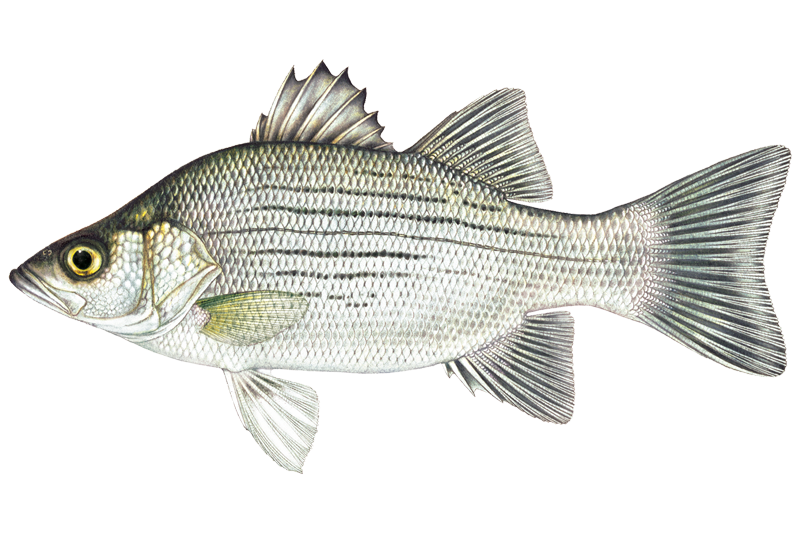
White Bass are prolific schooling fish found throughout Kansas' larger reservoirs and are among the state's most popular and accessible gamefish.
These silver-white fish with faint horizontal dark stripes are aggressive predators that spend their lives chasing schools of shad.
Scientific Name: Morone chrysops
- Silver-white fish with faint horizontal dark stripes typically average 12-15 inches and 0.5-1.5 pounds, though Kansas' state record reached 5 pounds, 11 ounces.
Fishing in Kansas
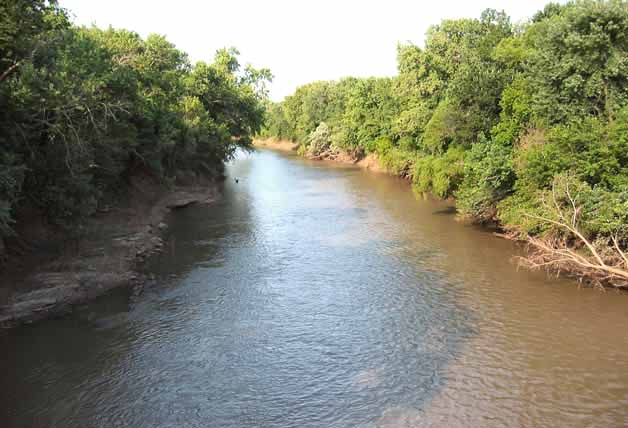
Neosho River
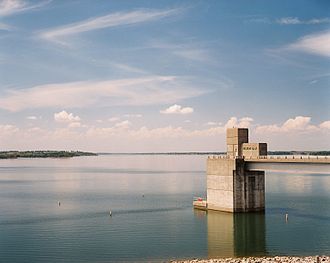
Melvern Lake
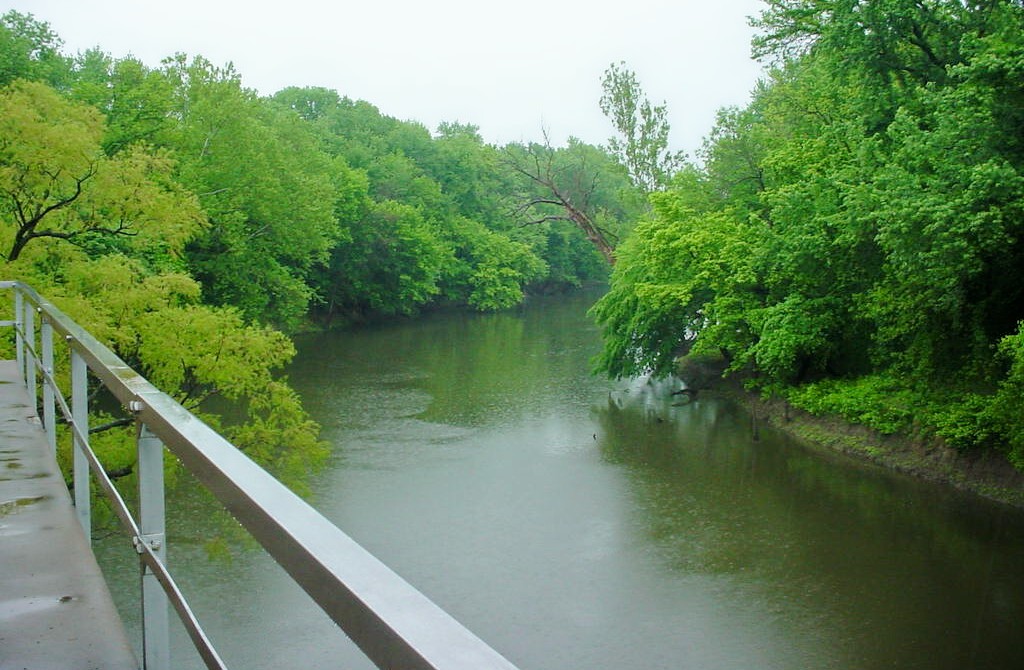
Verdigris River
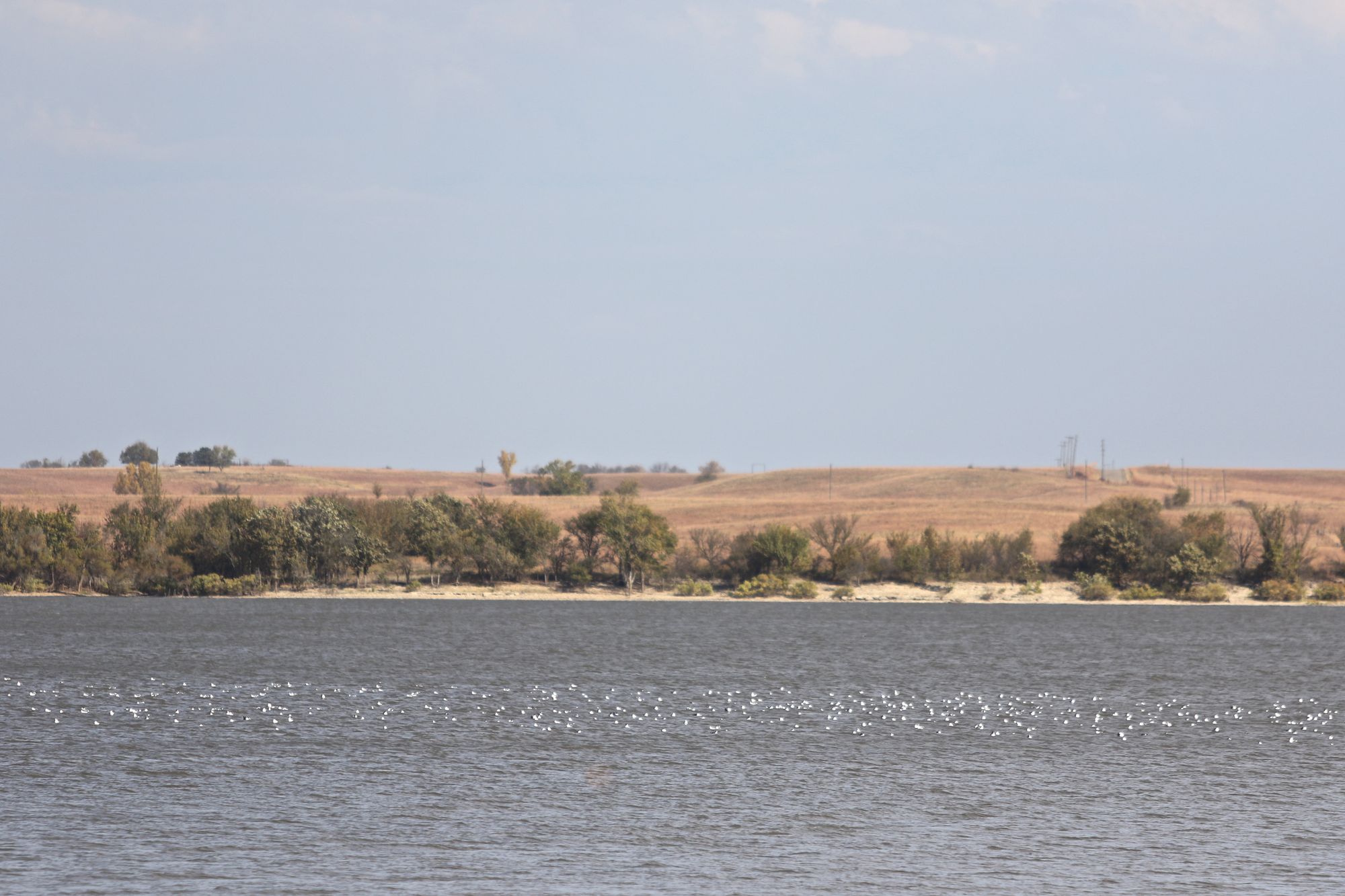
Council Grove Lake
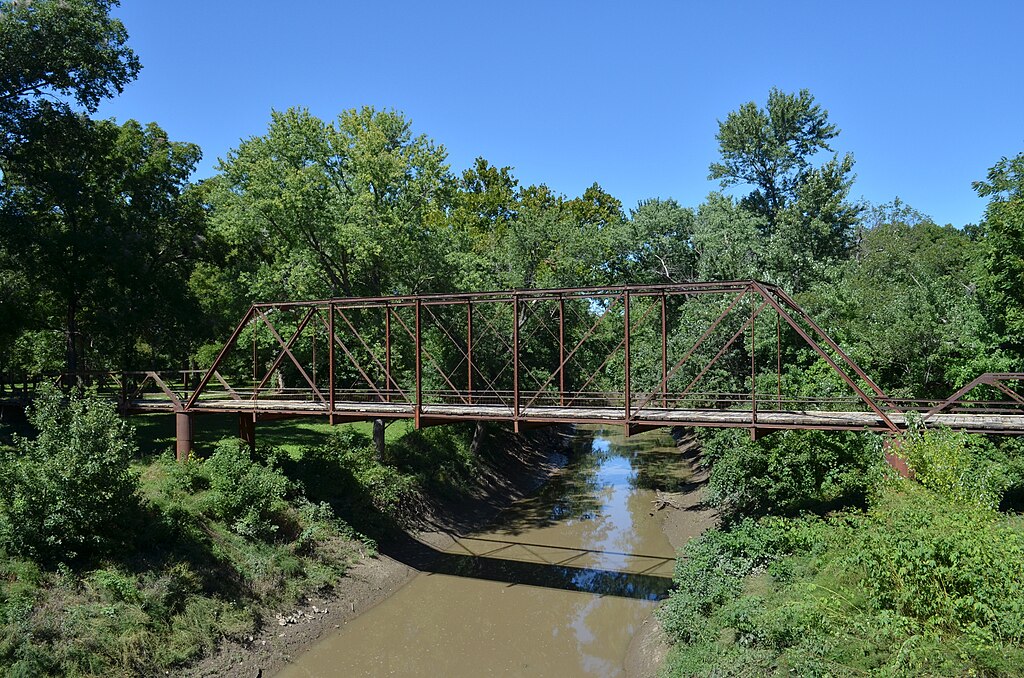
Marais des Cygnes River
Lyon County State Lake

John Redmond Reservoir
Pomona Lake
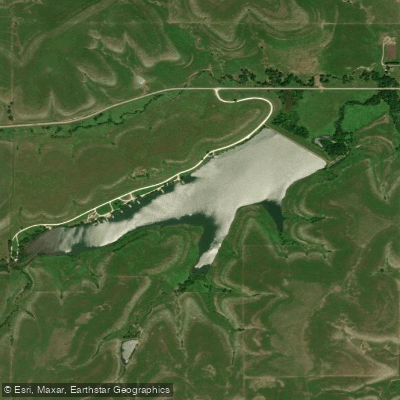
Chase County State Lake
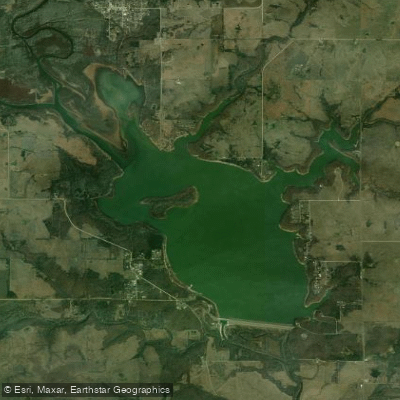
Toronto Lake
What to know
Habitat Distribution
- Kansas' White Bass inhabit the open waters of large reservoirs.
- They prefer clear lakes and reservoirs deeper than 10 feet.
Key Locations
- Marion, Glen Elder, Cedar Bluff, Webster, Pomona, Kanopolis, Perry, Toronto, Kirwin, Wolf Creek, Clinton, Milford reservoirs and many others.
Specific Spots
- Creek and river mouths where tributaries enter main lakes, dam riprap, and open water areas adjacent to transition zones.
White Bass FAQ
Answers from onWater's species guide.
What are the best lures and bait for White Bass in Kansas?
1/16-1/2 ounce lipless crankbaits (Rat-L-Trap in Electric Silver or Tennessee Shad Chrome), shallow-diving crankbaits, 2-3 inch curly tail grubs on 1/16-1/4 ounce jigheads, paddletail swimbaits, marabou jigs, Road Runners, inline spinners (Rooster Tail in Hammered Silver White), and topwater lures in shad patterns.
What flies work for White Bass in Kansas?
Clouser Minnows, Woolly Buggers, and Finesse Changers in white, chartreuse, and shad patterns.
When is the best time to fish for White Bass in Kansas?
Target during pre-spawn (late winter through early spring when water hits 50°F), summer, and fall periods, avoiding spawning times in mid-March through early May. They spawn in spring when water temperatures reach 50-55°F, typically from mid-March through early May.
How do you catch White Bass in Kansas?
Use steady retrieves except when vertical jigging, which involves dropping spoons or slabs to bottom and lifting repeatedly. Focus efforts at creek and river mouths where tributaries enter main lakes, dam riprap during morning and evening hours, and open water areas adjacent to transition zones.
What do White Bass eat?
Shad form the cornerstone of their diet. They also consume minnows, crayfish, aquatic insects, zooplankton, and various invertebrates, making them visual feeders that readily strike live bait and lures.
Fish smarter with real-time insights
Whether you're en route and conditions shift or you're looking for the best spot based on current flows, we enable you to make informed decisions on the fly.




See it in the app
Most maps show you water.
onWater shows you White Bass.



- 01 · Species map filter
Map every White Bass water
Pick White Bass and the map zeroes in on the waters they call home. No more guessing which lake holds them.
- 02 · Waterbody species
Tap any water. See what lives there.
Species, behavior and seasonal patterns for every lake, river and pond, before you leave the driveway.
- 03 · Angler Intelligence
Ask how to catch White Bass
Tactics, gear and timing from onWater's AI fishing guide, tuned to the species and the water you're on.
Stop guessing where White Bass are.
Open the map, filter by White Bass, and head to water that holds them. Download onWater and plan your next trip in minutes.
- Species map filter
- Angler Intelligence
- Fishing journal
Explore other species
Trout, bass, salmon, panfish and everything in between. Each guide unpacks the behavior, seasons, and tactics that put fish in the net.
No species information available.
Kansas licenses and regulations
Explore nearby waters
Explore Kansas waters
Top fishing waters
Popular Cities
Loading popular cities...

Smarter Fishing Starts in the App.
onWater Fish gives you everything you need to plan smarter, fish better, and own every trip from first cast to last.