Yellow Bullhead

Yellow Bullhead (Ameiurus natalis) are a medium-sized catfish species found throughout Indiana's rivers, lakes, reservoirs, and ponds.
They're incredibly hardy, tolerating low-oxygen, warm, and murky waters better than most fish species, making them common in shallow ponds, slow-moving rivers, and swamps where other fish struggle.
Scientific Name: Ameiurus natalis
- Distinguishable from other bullheads by their uniformly whitish colored chin barbels and yellow-olive to slate black coloration on the back with lighter, more yellowish sides and bright yellow to white undersides.
- In Indiana, they typically grow 6-14 inches long and weigh up to 2 pounds, though specimens can reach up to 6 pounds.
Fishing in Indiana
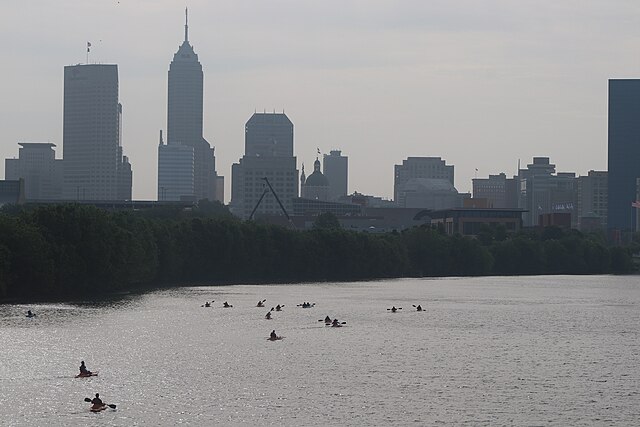
White River
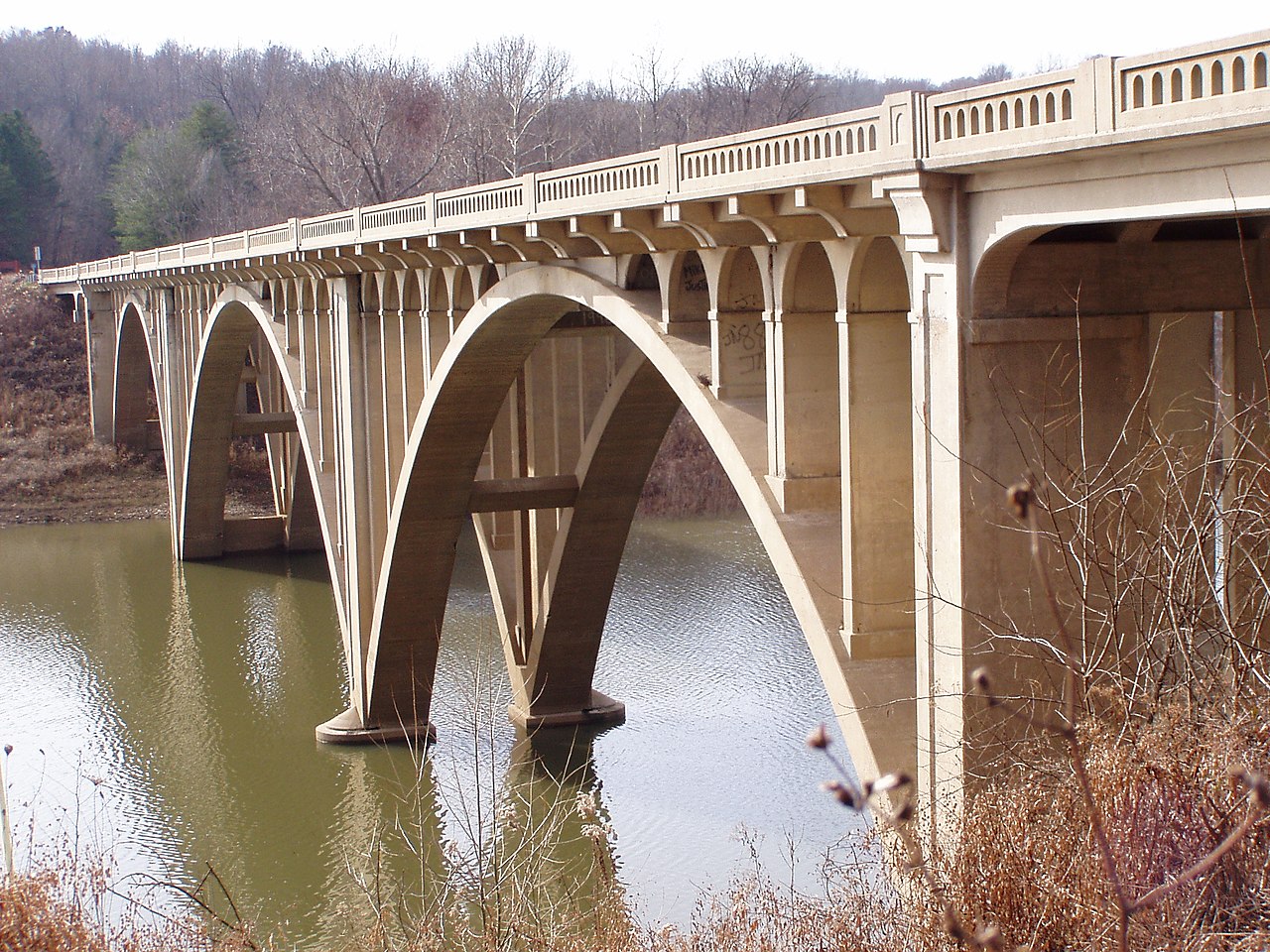
Cagles Mill Lake
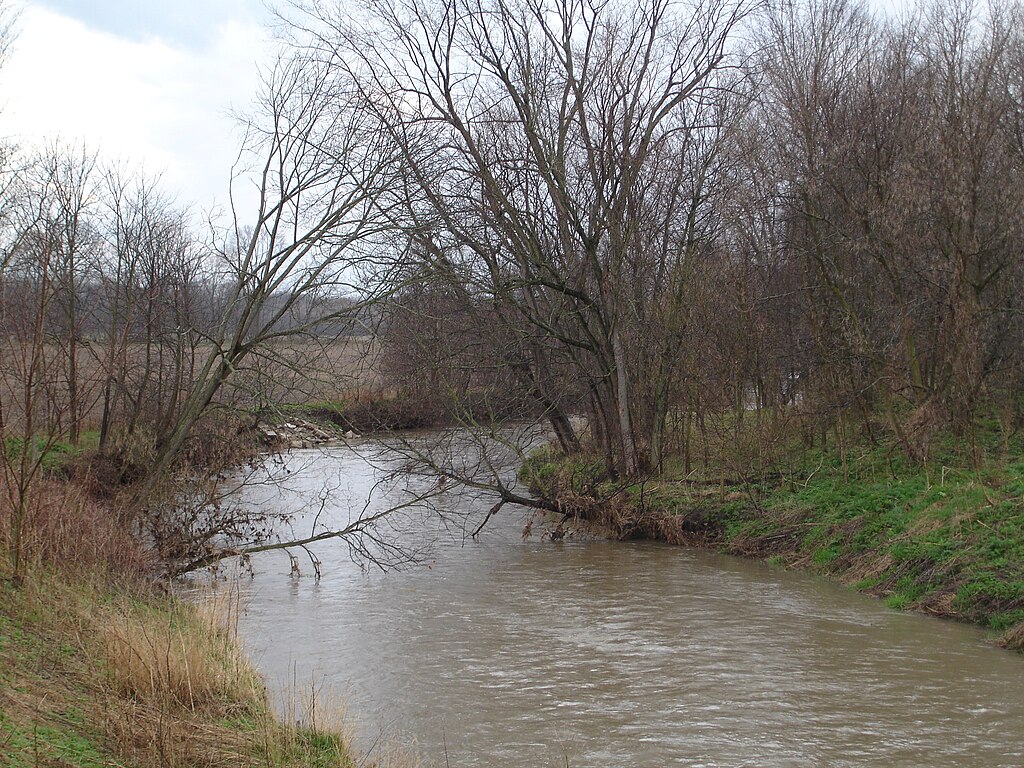
Big Blue River
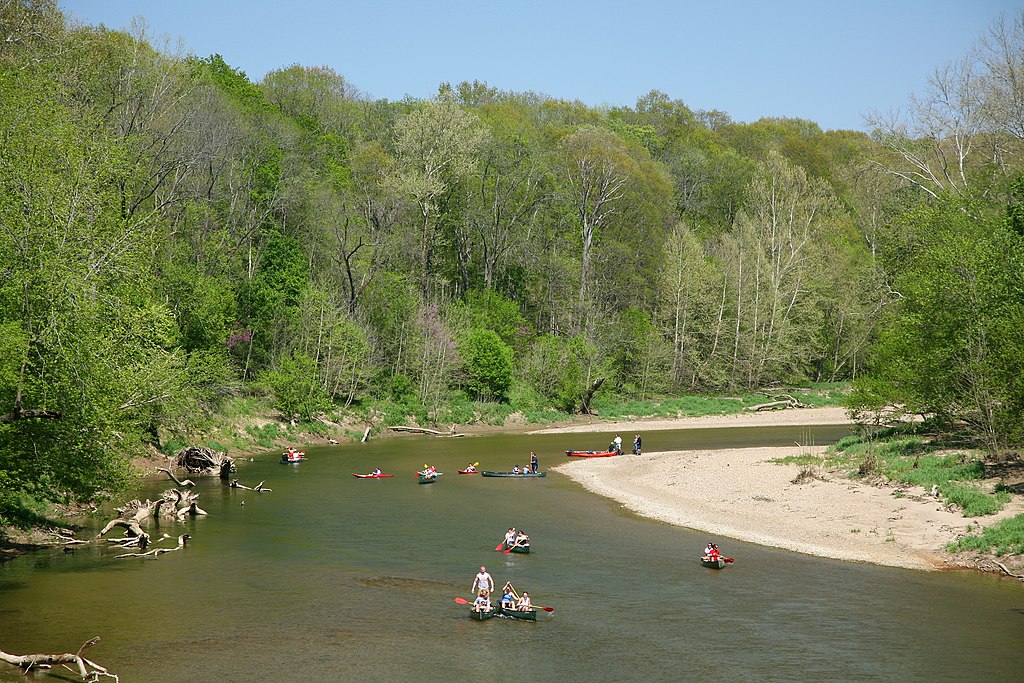
Sugar Creek
Monroe Lake
White Lick Creek
Eagle Creek Reservoir
Big Walnut Creek
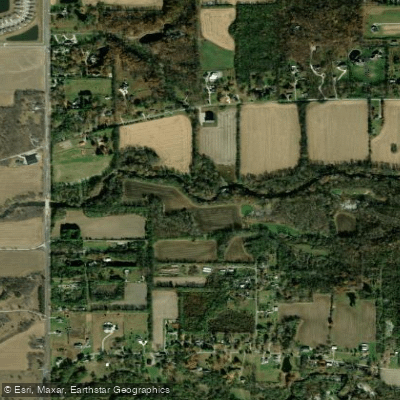
Fall Creek
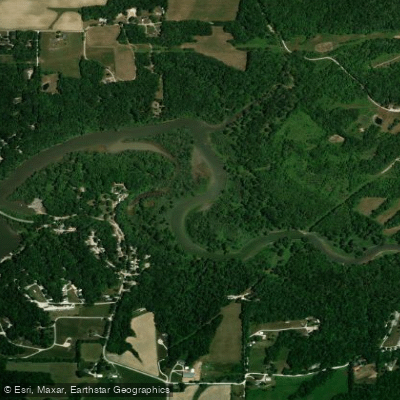
Big Raccoon Creek
What to know
Habitat Distribution
- Found throughout Indiana's rivers, lakes, reservoirs, and ponds.
- Common in shallow ponds, slow-moving rivers, and swamps.
Key Locations
- Wolf Lake, Cedar Lake, various Fish & Wildlife Areas like Willow Slough and Kankakee River backwaters, Little Calumet River, and numerous Indiana ponds and reservoirs.
Specific Spots
- Target shallow, weedy waters with soft bottoms, backwaters, sluggish current areas, rocky shorelines, and areas around submerged cover like logs, stumps, and vegetation.
Yellow Bullhead FAQ
Answers from onWater's species guide.
What are the best lures and bait for Yellow Bullhead in Indiana?
Nightcrawlers, worms, chicken liver, cut bait, bread or dough balls, corn, shrimp, and beef jerky.
When is the best time to fish for Yellow Bullhead in Indiana?
Active from spring through fall, with peak activity when water temperatures are between 60-80°F. Spring fishing improves dramatically once water reaches 60°F. Fall offers some of the fastest fishing as they actively feed before winter dormancy.
How do you catch Yellow Bullhead in Indiana?
Fish on or near the bottom using weights to reach their feeding zone. For fly fishing, suspend 1/80-1/64 oz microjigs under strike indicators and retrieve very slowly with long pauses parallel to shorelines. Multiple rod setups increase success as they often travel and feed in schools.
What do Yellow Bullhead eat?
Nocturnal bottom feeders with an omnivorous diet that includes worms, insects, crayfish, small fish, snails, clams, aquatic vegetation, and decaying organic matter - consuming more aquatic vegetation than black or brown bullheads.
Where do Yellow Bullhead live in Indiana?
Found throughout Indiana's rivers, lakes, reservoirs, and ponds. Common in shallow ponds, slow-moving rivers, and swamps.
Fish smarter with real-time insights
Whether you're en route and conditions shift or you're looking for the best spot based on current flows, we enable you to make informed decisions on the fly.




See it in the app
Most maps show you water.
onWater shows you Yellow Bullhead.



- 01 · Species map filter
Map every Yellow Bullhead water
Pick Yellow Bullhead and the map zeroes in on the waters they call home. No more guessing which lake holds them.
- 02 · Waterbody species
Tap any water. See what lives there.
Species, behavior and seasonal patterns for every lake, river and pond, before you leave the driveway.
- 03 · Angler Intelligence
Ask how to catch Yellow Bullhead
Tactics, gear and timing from onWater's AI fishing guide, tuned to the species and the water you're on.
Stop guessing where Yellow Bullhead are.
Open the map, filter by Yellow Bullhead, and head to water that holds them. Download onWater and plan your next trip in minutes.
- Species map filter
- Angler Intelligence
- Fishing journal
Explore other species
Trout, bass, salmon, panfish and everything in between. Each guide unpacks the behavior, seasons, and tactics that put fish in the net.
No species information available.
Indiana licenses and regulations
Explore nearby waters
Explore Indiana waters
Top fishing waters
Popular Cities
Loading popular cities...
Smarter Fishing Starts in the App.
onWater Fish gives you everything you need to plan smarter, fish better, and own every trip from first cast to last.