White Catfish
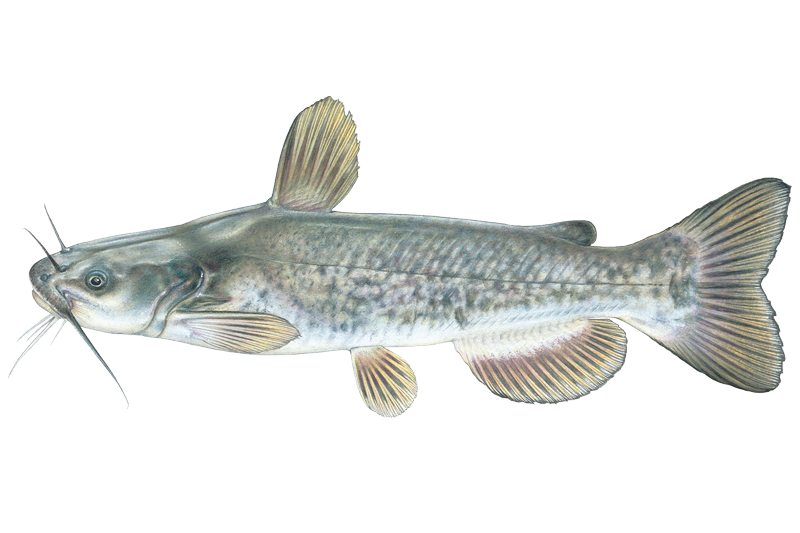
White Catfish are a limited but present species in Indiana, found primarily in a few reservoirs, private ponds, and a limited portion of the Ohio River.
Scientific Name: Ameiurus catus
- They are distinguished by their moderately forked tail, short anal fin with 22-25 rays, and distinctive white chin barbels that give them their name.
- The body is often conspicuously two-colored with a well-defined line between the darker back and upper sides and white lower sides and belly, lacking the black spots found on channel catfish.
- White catfish are the smallest of the large North American catfish species, rarely exceeding 6 pounds and 24 inches in length, with an average size around 13 inches.
Fishing in Indiana

White River
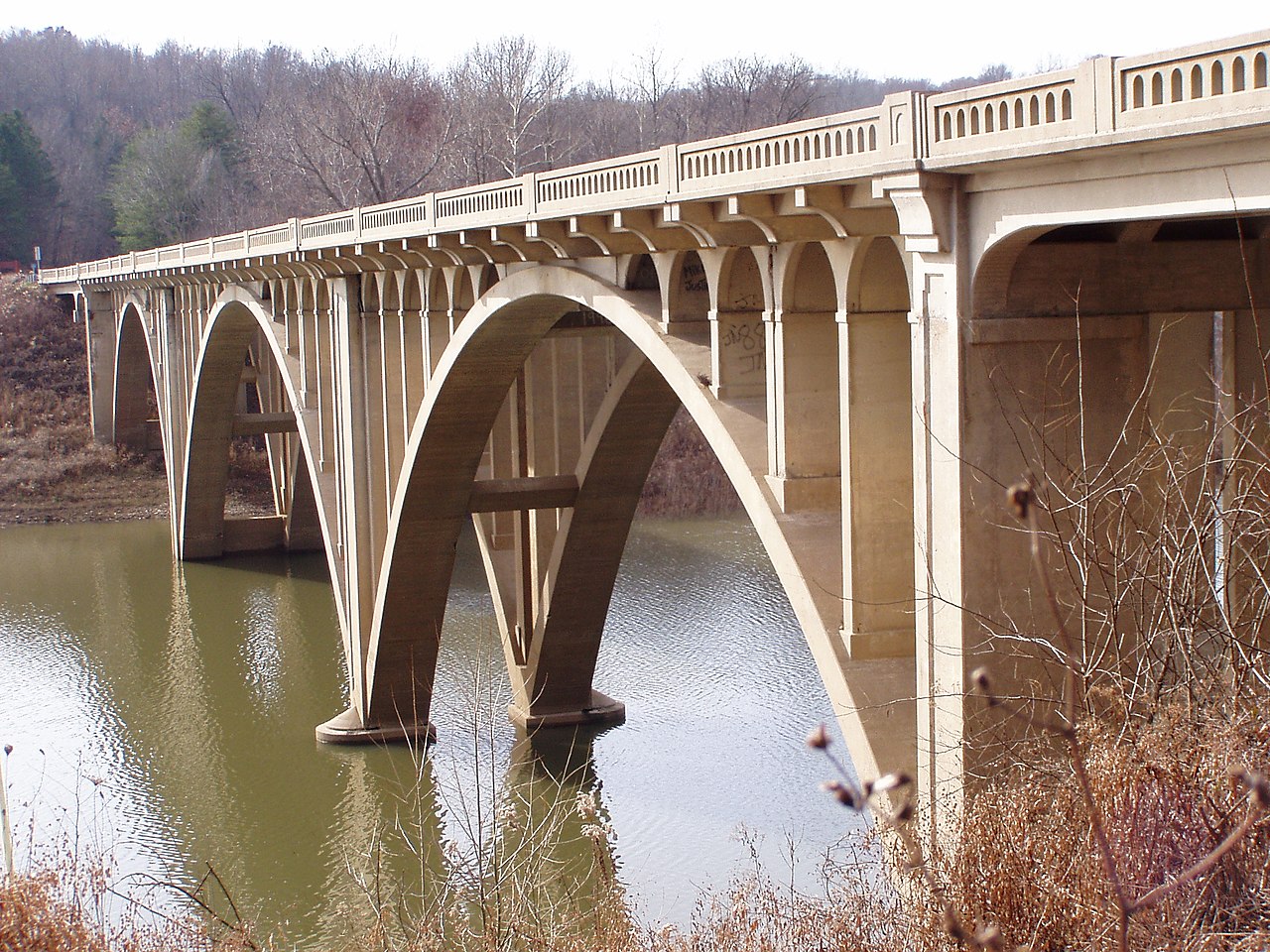
Cagles Mill Lake
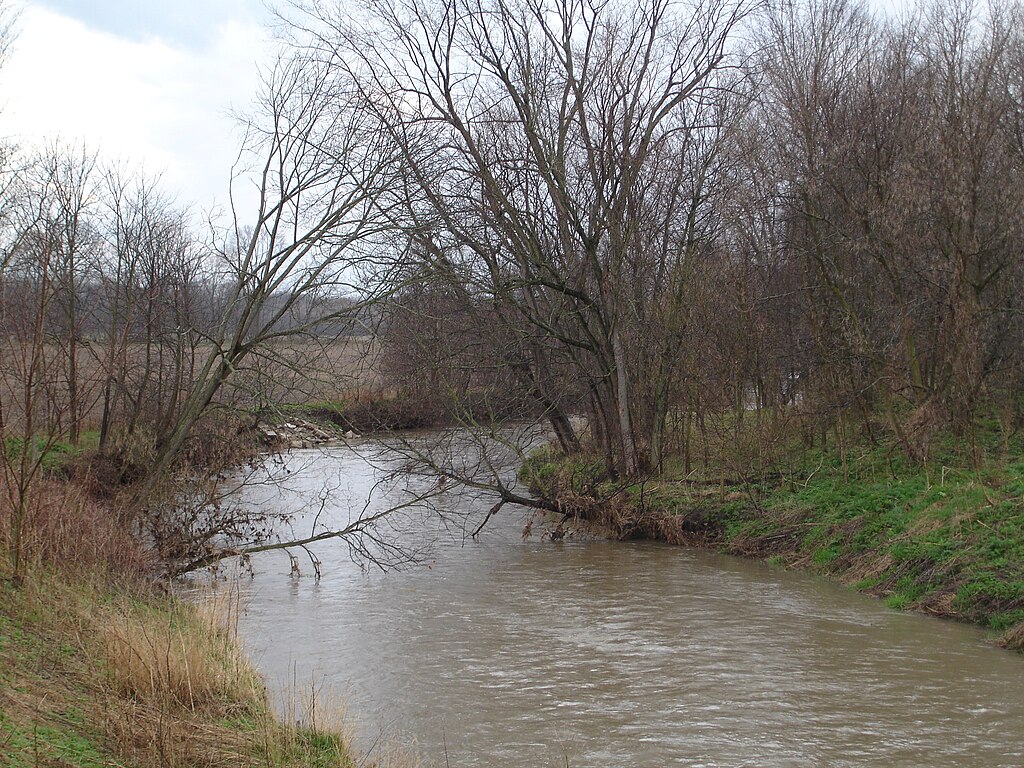
Big Blue River
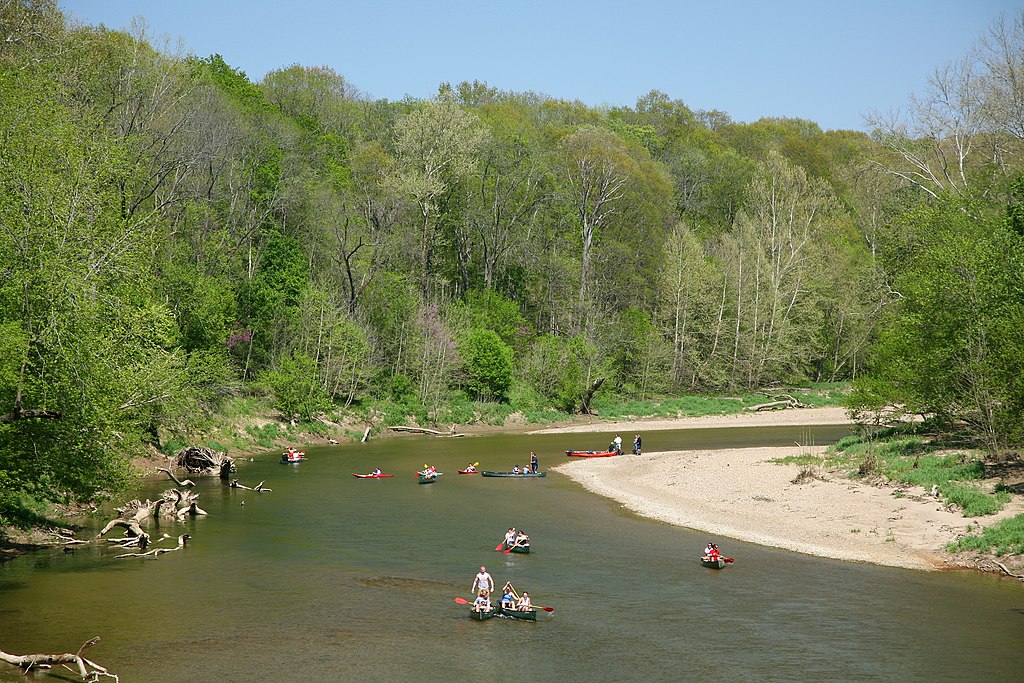
Sugar Creek
Monroe Lake
White Lick Creek
Eagle Creek Reservoir
Big Walnut Creek
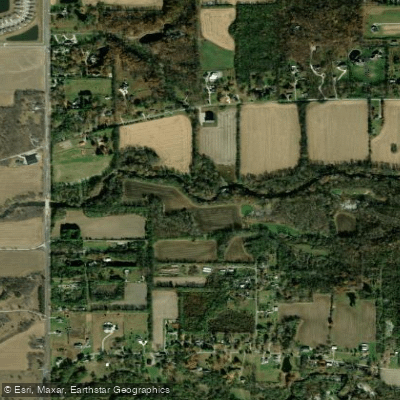
Fall Creek
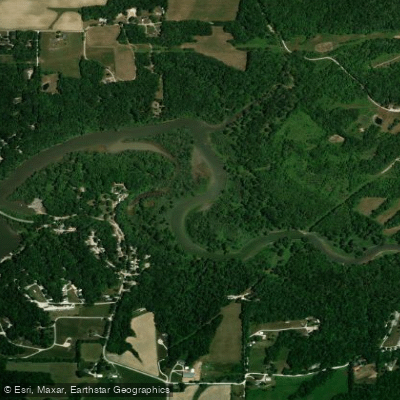
Big Raccoon Creek
What to know
Habitat Distribution
- They are frequently stocked in fee-fishing lakes and private waters.
Key Locations
- Found primarily in a few reservoirs, private ponds, and a limited portion of the Ohio River.
- Since white catfish have limited distribution in Indiana, focus efforts on known locations including specific reservoirs and the Ohio River where populations exist.
Specific Spots
- Target areas with muddy bottoms, sluggish waters, and cover such as docks, fallen trees, or riprap.
White Catfish FAQ
Answers from onWater's species guide.
What are the best lures and bait for White Catfish in Indiana?
Fresh baits work exceptionally well, including nightcrawlers, chicken liver, cut fish, and processed baits. Since white catfish feed primarily by smell and taste through their barbels, smelly baits like cheese or hotdogs can be effective attractants.
When is the best time to fish for White Catfish in Indiana?
Spring through early summer offers excellent fishing opportunities, but avoid fishing during their spawning period in early summer when water temperatures reach the mid-70s, as spawning fish are less likely to feed aggressively.
How do you catch White Catfish in Indiana?
White catfish in Indiana are best targeted using traditional catfish tactics with bottom fishing being most productive. White catfish are primarily nocturnal but can be caught during daylight hours.
What do White Catfish eat?
They are omnivorous bottom feeders that consume aquatic plants, benthic invertebrates, small fishes, insects, crustaceans, and detritus.
Fish smarter with real-time insights
Whether you're en route and conditions shift or you're looking for the best spot based on current flows, we enable you to make informed decisions on the fly.




See it in the app
Most maps show you water.
onWater shows you White Catfish.



- 01 · Species map filter
Map every White Catfish water
Pick White Catfish and the map zeroes in on the waters they call home. No more guessing which lake holds them.
- 02 · Waterbody species
Tap any water. See what lives there.
Species, behavior and seasonal patterns for every lake, river and pond, before you leave the driveway.
- 03 · Angler Intelligence
Ask how to catch White Catfish
Tactics, gear and timing from onWater's AI fishing guide, tuned to the species and the water you're on.
Stop guessing where White Catfish are.
Open the map, filter by White Catfish, and head to water that holds them. Download onWater and plan your next trip in minutes.
- Species map filter
- Angler Intelligence
- Fishing journal
Explore other species
Trout, bass, salmon, panfish and everything in between. Each guide unpacks the behavior, seasons, and tactics that put fish in the net.
No species information available.
Indiana licenses and regulations
Explore nearby waters
Explore Indiana waters
Top fishing waters
Popular Cities
Loading popular cities...

Smarter Fishing Starts in the App.
onWater Fish gives you everything you need to plan smarter, fish better, and own every trip from first cast to last.