Walleye

Walleye in Indiana are members of the perch family that have been successfully introduced and are now found in several lakes, reservoirs, and rivers throughout the state.
Scientific Name: Sander vitreus
Also known as hybrid walleye (saugeye)
- Typically olive or gold in color with large, opaque eyes that efficiently gather light for low-light vision.
- In Indiana, walleye typically live 5-10 years and range from 12-30 inches in length, though they can grow larger.
Fishing in Indiana
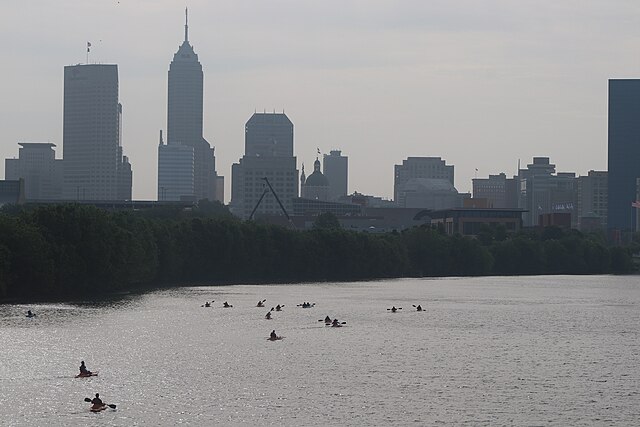
White River
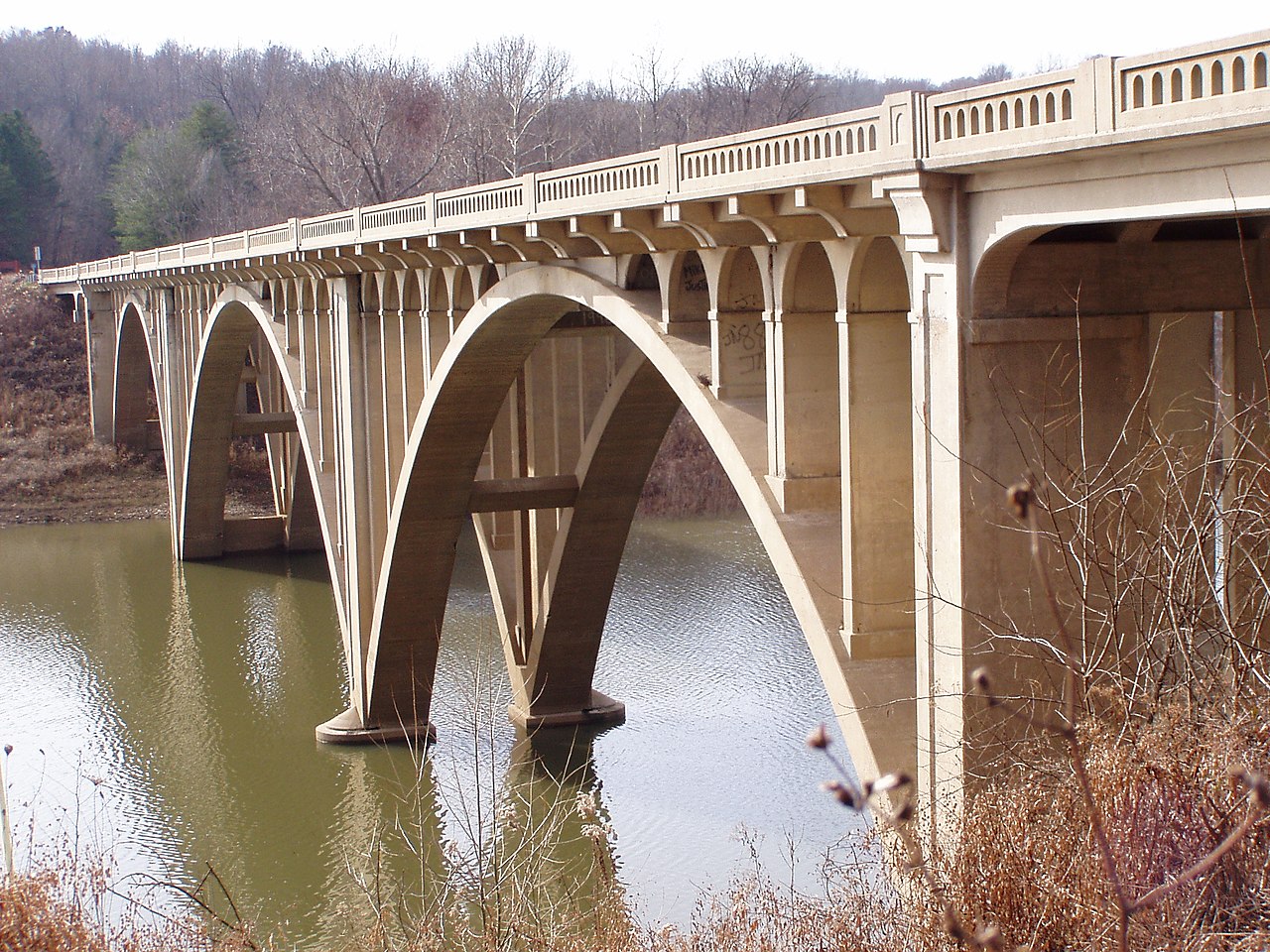
Cagles Mill Lake
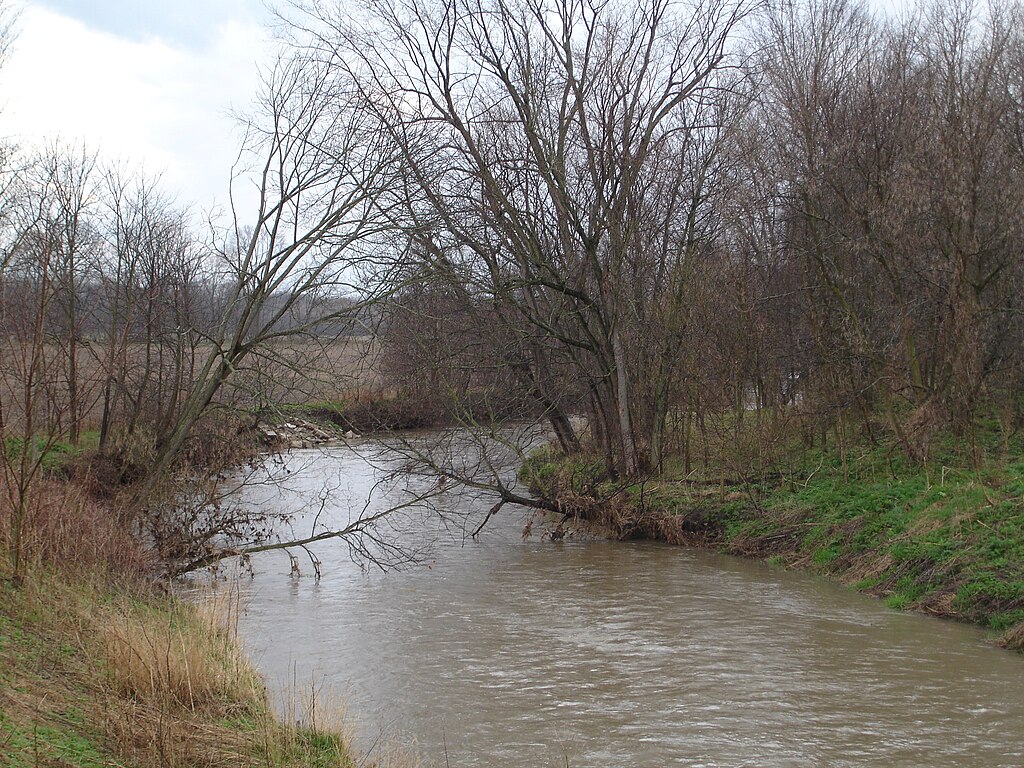
Big Blue River
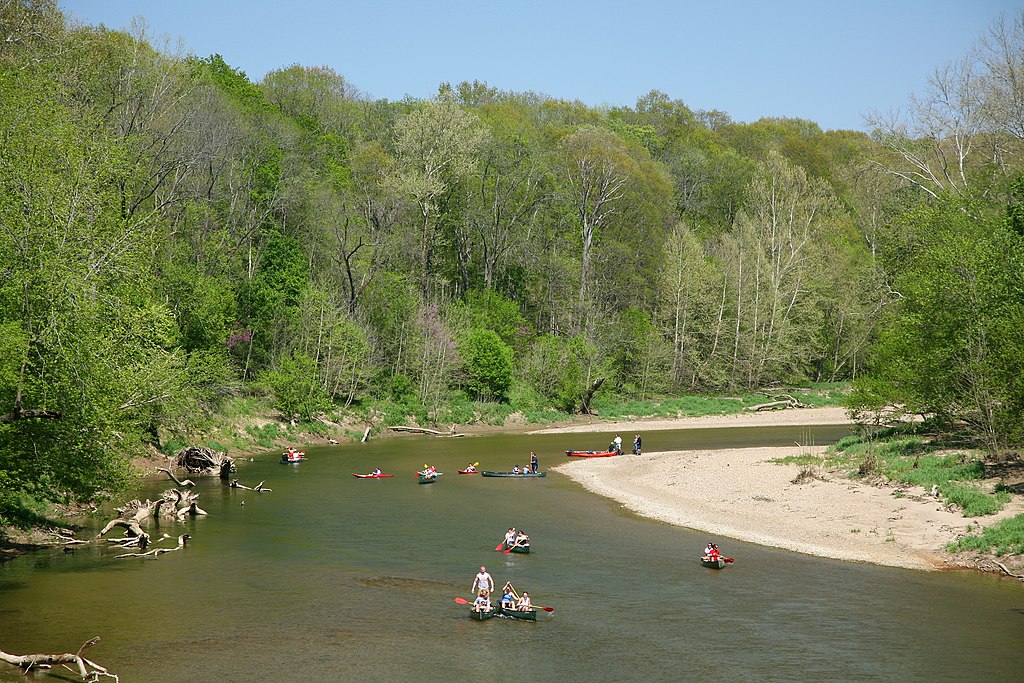
Sugar Creek
Monroe Lake
White Lick Creek
Eagle Creek Reservoir
Big Walnut Creek
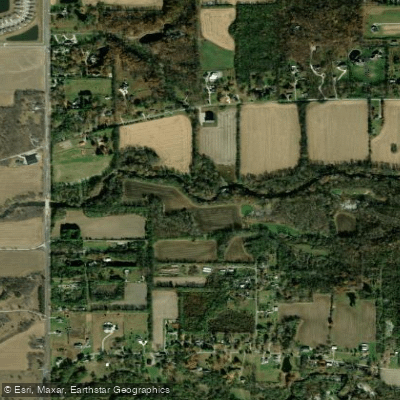
Fall Creek
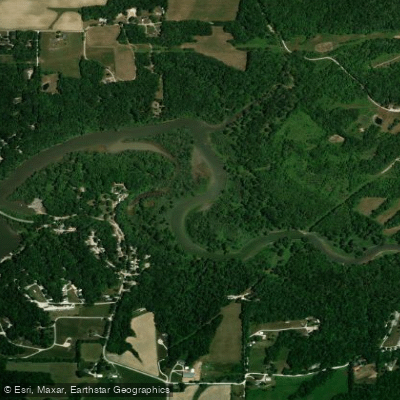
Big Raccoon Creek
What to know
Habitat Distribution
- They're not native to Indiana waters but have been successfully introduced and are now found in several lakes, reservoirs, and rivers throughout the state.
Key Locations
- Productive Indiana waters include Bass Lake, Brookville Lake, Monroe Lake, Mississinewa Reservoir, Lake Freeman, Lake Shafer, Patoka Lake, and the St.
- Joseph River, plus tailwaters below major dams.
Specific Spots
- They prefer rock or gravel bottoms, drop-off areas, points, and standing timber in reservoirs.
- During daylight, they retreat to deeper, darker waters and move to shallower areas (5-10 feet) to feed at night.
- Look for structure like rock piles, weed edges, and drop-offs where walleye concentrate during feeding periods.
Walleye FAQ
Answers from onWater's species guide.
What are the best lures and bait for Walleye in Indiana?
Shad imitation or chartreuse colored crankbaits, lead-head jigs (1/8 to 3/16-ounce) tipped with 3-4 inch soft plastic minnows, crankbaits and jigs with twister tails, nightcrawlers or minnows suspended below floats.
What flies work for Walleye in Indiana?
Clouser minnows, woolly buggers, leech patterns, sculpin flies, and insect imitations during mayfly hatches.
When is the best time to fish for Walleye in Indiana?
Spring (March through May) offers excellent fishing in tailwaters. They spawn in early spring when water temperatures reach around 45°F (typically late March through early April) - during this spawning period, anglers should avoid targeting them.
How do you catch Walleye in Indiana?
For lake and reservoir fishing, use crankbaits along shorelines and points during low-light hours. Trolling crankbaits is highly effective for covering water and locating schools. Cast lead-head jigs to drop-offs and vegetation edges in 6-14 feet of water.
What do Walleye eat?
Walleye are primarily fish-eaters, feeding on yellow perch, minnows, crayfish, leeches, frogs, and various insects including mayflies.
Fish smarter with real-time insights
Whether you're en route and conditions shift or you're looking for the best spot based on current flows, we enable you to make informed decisions on the fly.




See it in the app
Most maps show you water.
onWater shows you Walleye.



- 01 · Species map filter
Map every Walleye water
Pick Walleye and the map zeroes in on the waters they call home. No more guessing which lake holds them.
- 02 · Waterbody species
Tap any water. See what lives there.
Species, behavior and seasonal patterns for every lake, river and pond, before you leave the driveway.
- 03 · Angler Intelligence
Ask how to catch Walleye
Tactics, gear and timing from onWater's AI fishing guide, tuned to the species and the water you're on.
Stop guessing where Walleye are.
Open the map, filter by Walleye, and head to water that holds them. Download onWater and plan your next trip in minutes.
- Species map filter
- Angler Intelligence
- Fishing journal
Explore other species
Trout, bass, salmon, panfish and everything in between. Each guide unpacks the behavior, seasons, and tactics that put fish in the net.
No species information available.
Indiana licenses and regulations
Explore nearby waters
Explore Indiana waters
Top fishing waters
Popular Cities
Loading popular cities...

Smarter Fishing Starts in the App.
onWater Fish gives you everything you need to plan smarter, fish better, and own every trip from first cast to last.