Silver Carp

Silver Carp are an invasive species that have established populations throughout Indiana's major river systems, particularly the Ohio, Wabash, and White Rivers.
They are filter feeders that consume massive quantities of phytoplankton and zooplankton - up to 40% of their body weight daily - using specialized sponge-like gill rakers.
This feeding behavior directly competes with native species and can drastically alter aquatic food webs.
Scientific Name: Hypophthalmichthys molitrix
- Large, laterally compressed fish can reach over 3 feet in length and commonly weigh 20 pounds, with trophy specimens exceeding 80 pounds.
- They have distinctive silvery scales covering their bodies (except the scaleless head), large toothless mouths with upturned lower jaws, and eyes positioned far forward below the mouth.
Fishing in Indiana

White River
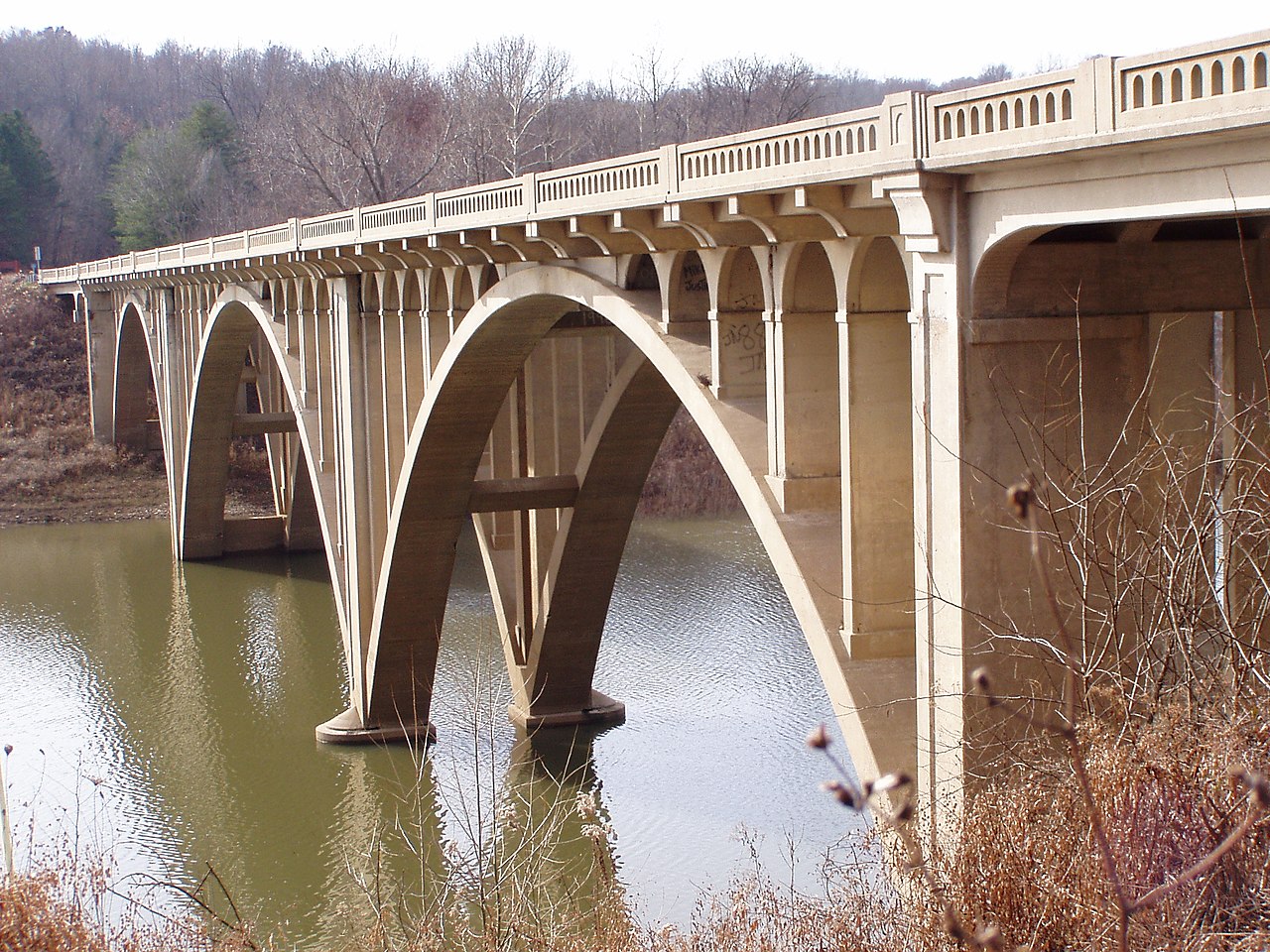
Cagles Mill Lake
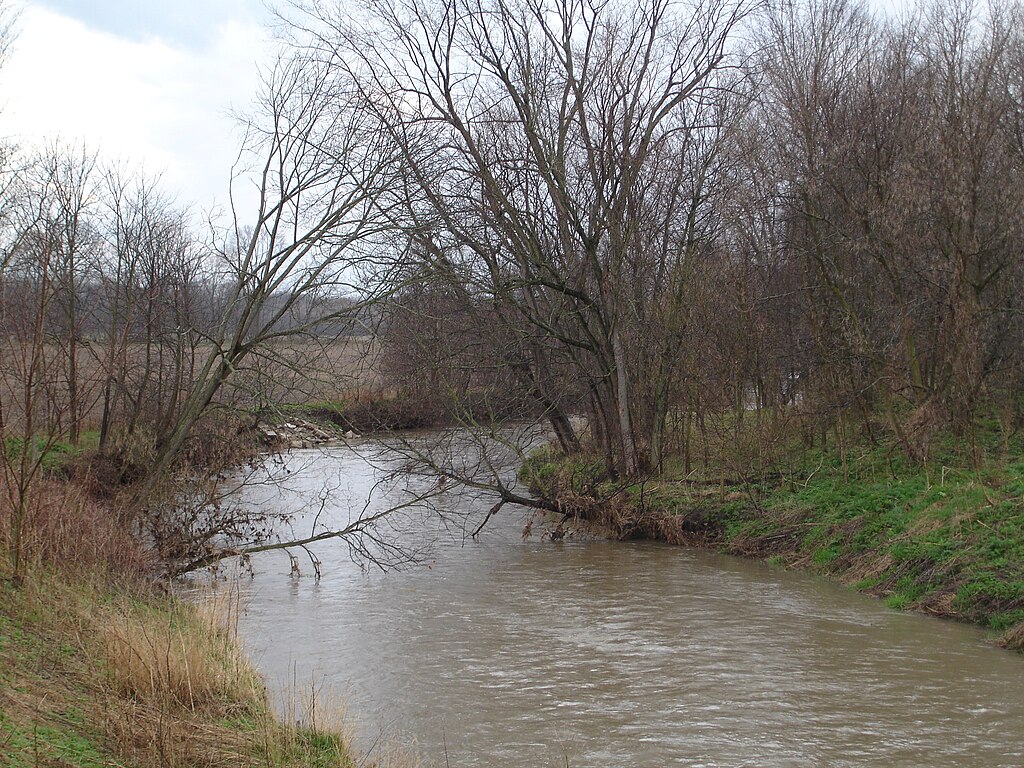
Big Blue River
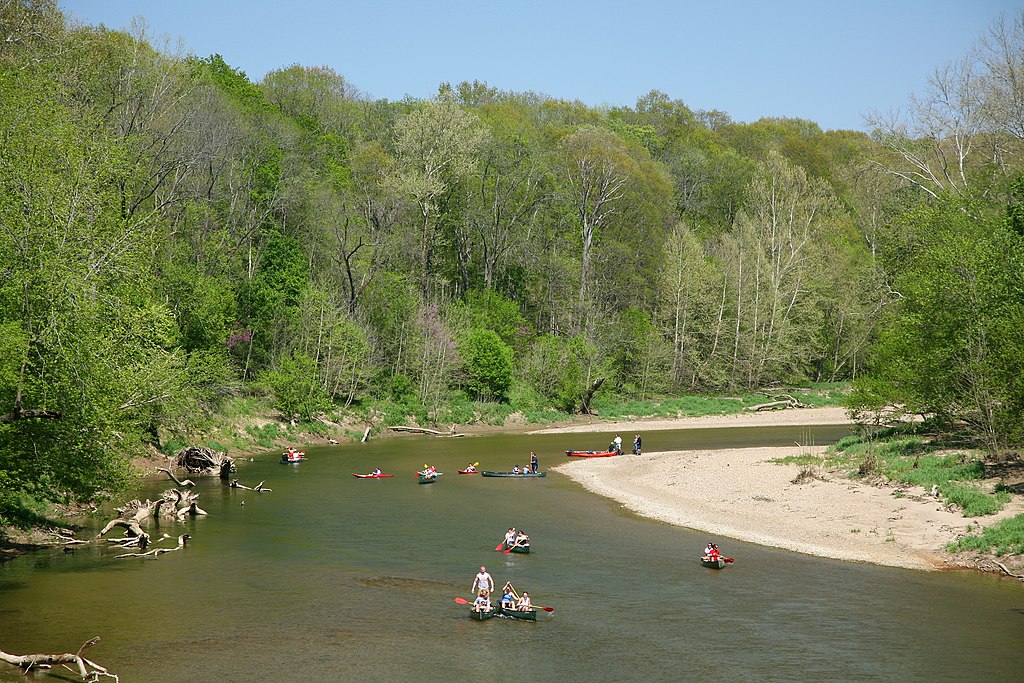
Sugar Creek
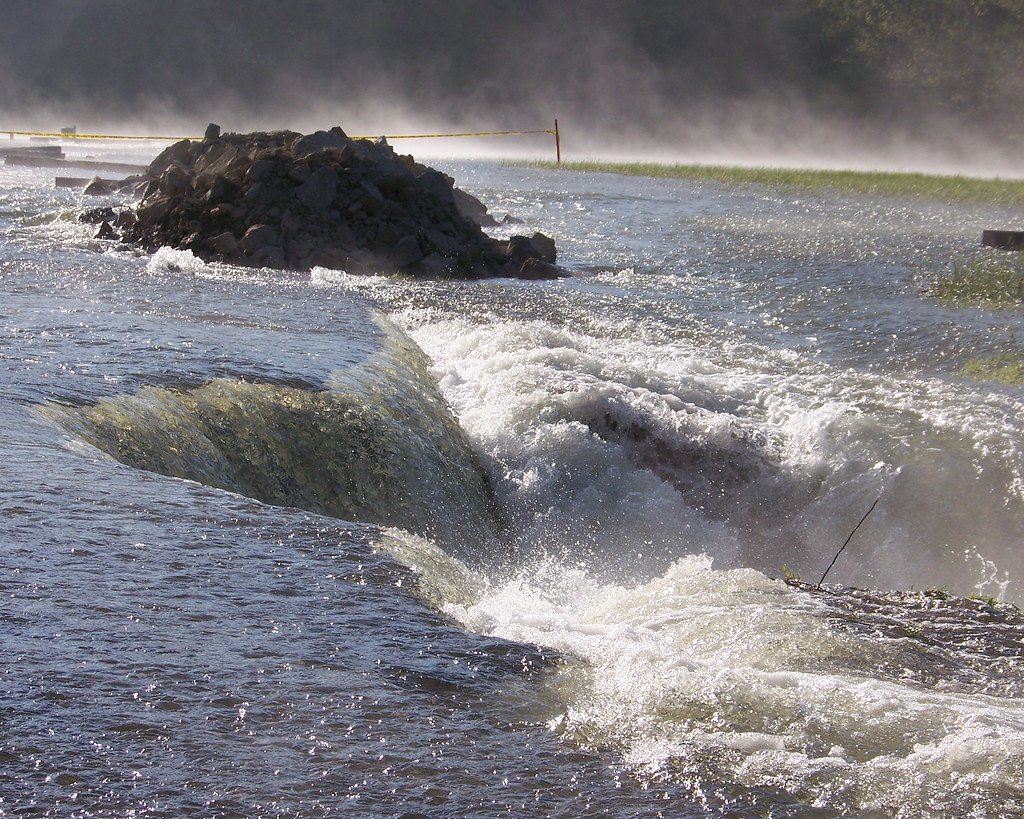
Monroe Lake
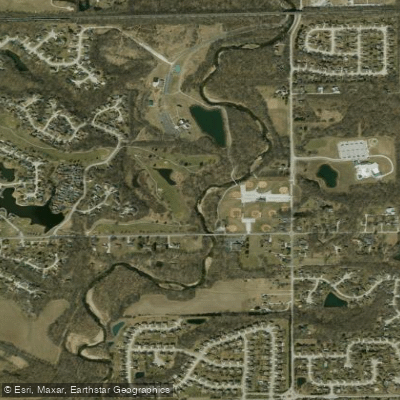
White Lick Creek
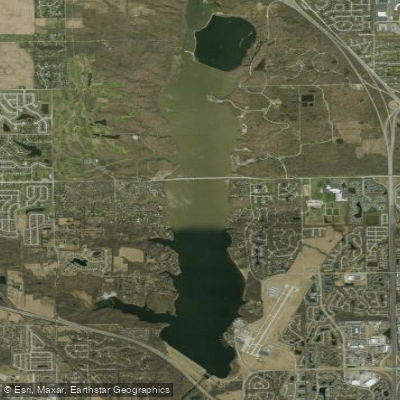
Eagle Creek Reservoir
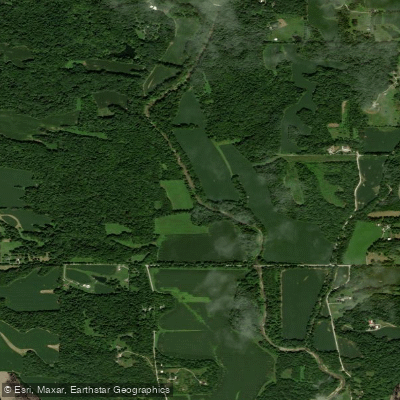
Big Walnut Creek
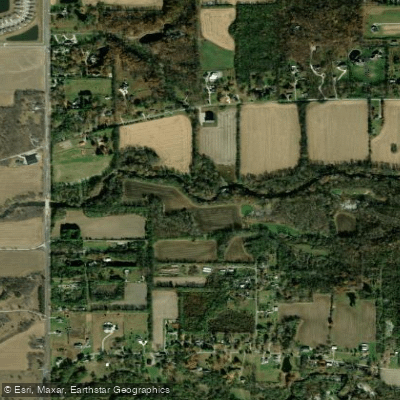
Fall Creek
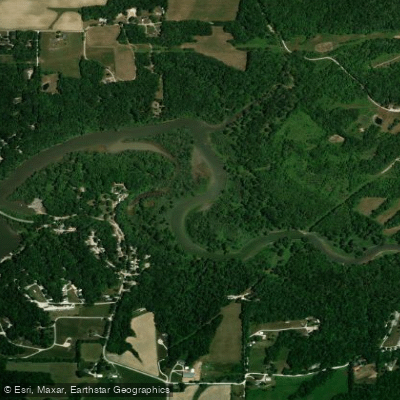
Big Raccoon Creek
What to know
Habitat Distribution
- Throughout Indiana's major river systems, particularly the Ohio, Wabash, and White Rivers.
- In Indiana waters, they prefer slow-flowing backwaters, tributary streams, main-channel borders, side-channel borders, and areas behind wing dikes where water pools, while avoiding main-channel habitats.
Key Locations
- Ohio River from the Mississippi confluence upstream to Markland Pool near Cincinnati, with larvae documented as far upstream as Leavenworth and juveniles found near Rising Sun.
- Markland Pool, Cannelton Pool, and areas around Hovey Lake near Mount Vernon being particularly productive.
- The Wabash River near Peru and tributary streams also hold populations.
Specific Spots
- Focus on backwater areas, tributary mouths, and slow-flowing sections rather than main channels.
- Areas behind wing dikes where water pools.
Silver Carp FAQ
Answers from onWater's species guide.
What flies work for Silver Carp in Indiana?
Key fly patterns include weighted bottom-bouncing designs like the Hybrid Carp Fly, Potato Chip Goby, Strymph, and Backstabber patterns in sizes #12 down to large 2-3 inch patterns.
When is the best time to fish for Silver Carp in Indiana?
Most productive during cooler months from fall through early spring. Most active feeding between 50-66°F. Avoid fishing during spring spawning periods (when water exceeds 65°F after rain events) to prevent harassment of reproductive fish.
How do you catch Silver Carp in Indiana?
Sight-casting to visible fish. Presentation techniques focus on 'drag, drop, and lay' methods where you cast beyond the fish, drag the fly into position, then let it settle on the bottom. 'The drop' technique can trigger strikes by presenting the fly directly in the fish's feeding zone as it sinks.
What do Silver Carp eat?
Filter feeders that consume massive quantities of phytoplankton and zooplankton - up to 40% of their body weight daily - using specialized sponge-like gill rakers.
Where do Silver Carp live in Indiana?
Throughout Indiana's major river systems, particularly the Ohio, Wabash, and White Rivers. In Indiana waters, they prefer slow-flowing backwaters, tributary streams, main-channel borders, side-channel borders, and areas behind wing dikes where water pools, while avoiding main-channel habitats.
Fish smarter with real-time insights
Whether you're en route and conditions shift or you're looking for the best spot based on current flows, we enable you to make informed decisions on the fly.




See it in the app
Most maps show you water.
onWater shows you Silver Carp.



- 01 · Species map filter
Map every Silver Carp water
Pick Silver Carp and the map zeroes in on the waters they call home. No more guessing which lake holds them.
- 02 · Waterbody species
Tap any water. See what lives there.
Species, behavior and seasonal patterns for every lake, river and pond, before you leave the driveway.
- 03 · Angler Intelligence
Ask how to catch Silver Carp
Tactics, gear and timing from onWater's AI fishing guide, tuned to the species and the water you're on.
Stop guessing where Silver Carp are.
Open the map, filter by Silver Carp, and head to water that holds them. Download onWater and plan your next trip in minutes.
- Species map filter
- Angler Intelligence
- Fishing journal
Explore other species
Trout, bass, salmon, panfish and everything in between. Each guide unpacks the behavior, seasons, and tactics that put fish in the net.
No species information available.
Indiana licenses and regulations
Explore nearby waters
Explore Indiana waters
Top fishing waters
Popular Cities
Loading popular cities...

Smarter Fishing Starts in the App.
onWater Fish gives you everything you need to plan smarter, fish better, and own every trip from first cast to last.