Shortnose Gar

Shortnose Gar in Indiana are prehistoric-looking freshwater fish that can survive in low-oxygen environments due to their primitive swim bladder that functions like a lung, allowing them to gulp air from the surface.
Scientific Name: Lepisosteus platostomus
- Characterized by their short, broad snout that distinguishes them from the longer-snouted longnose gar and spotted gar.
- They have hard, diamond-shaped ganoid scales, olive or brown coloration on top and sides with white underneath, and spots only on their tail and back fins.
- Shortnose gar in Indiana can grow to a maximum length of 2.5 feet, reaching over 7 inches in their first year and around 15 inches or more by age 3.
Fishing in Indiana
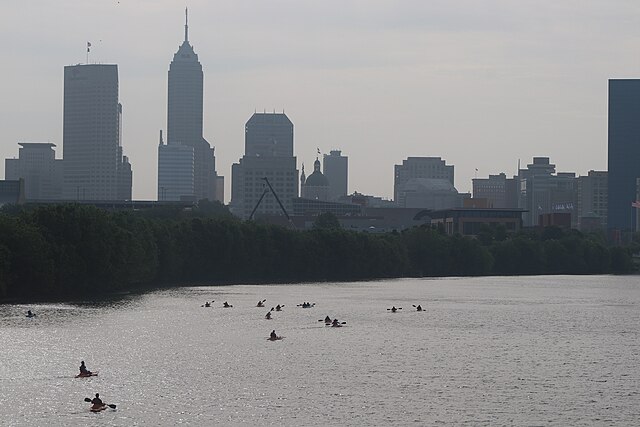
White River
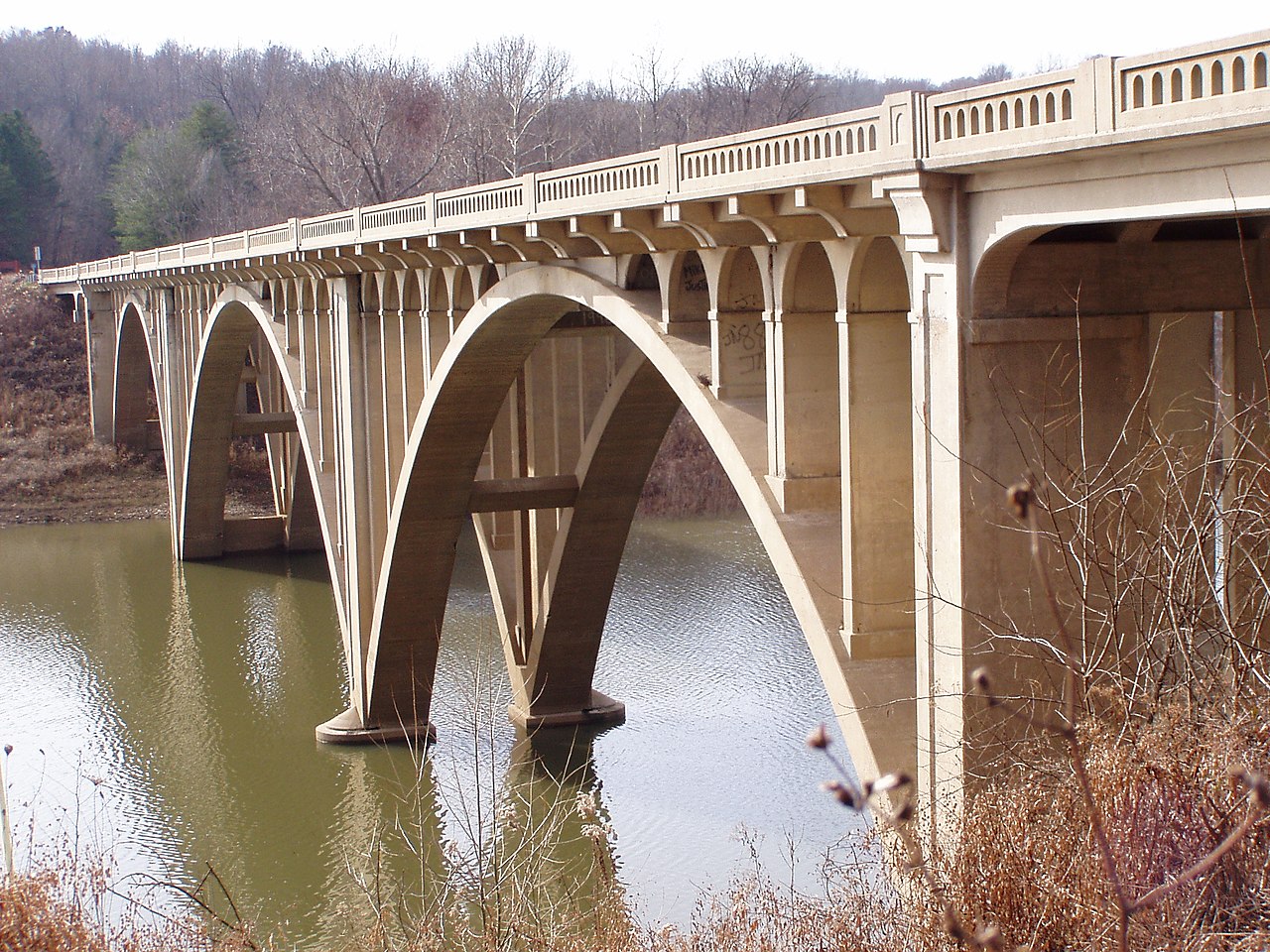
Cagles Mill Lake
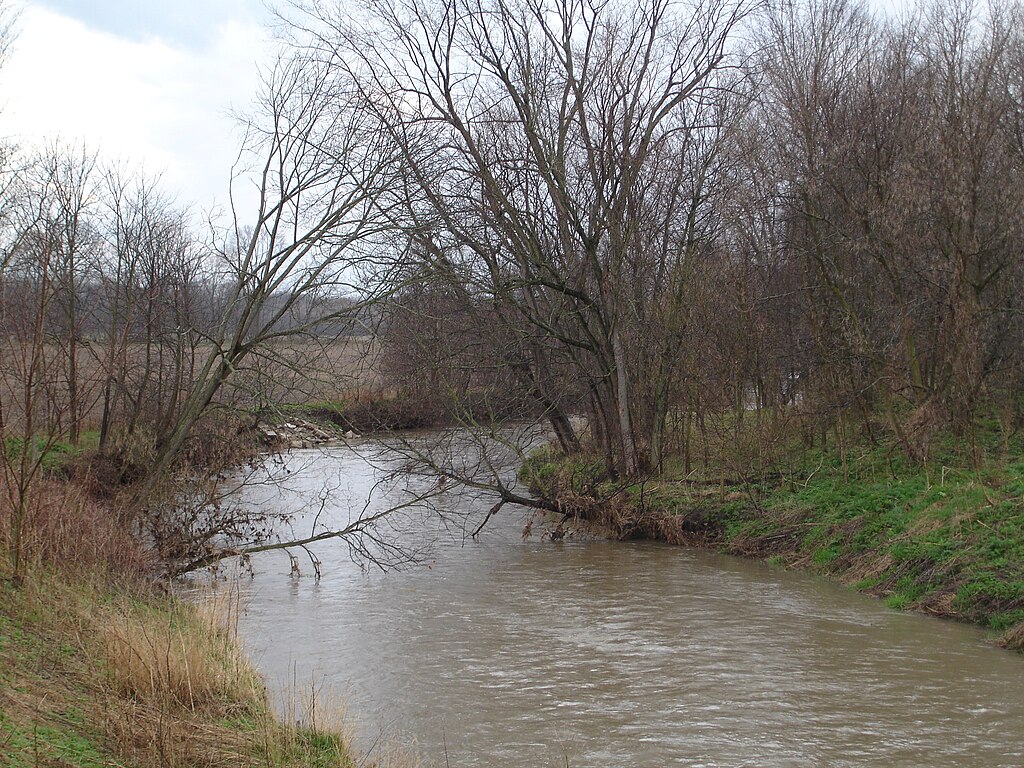
Big Blue River
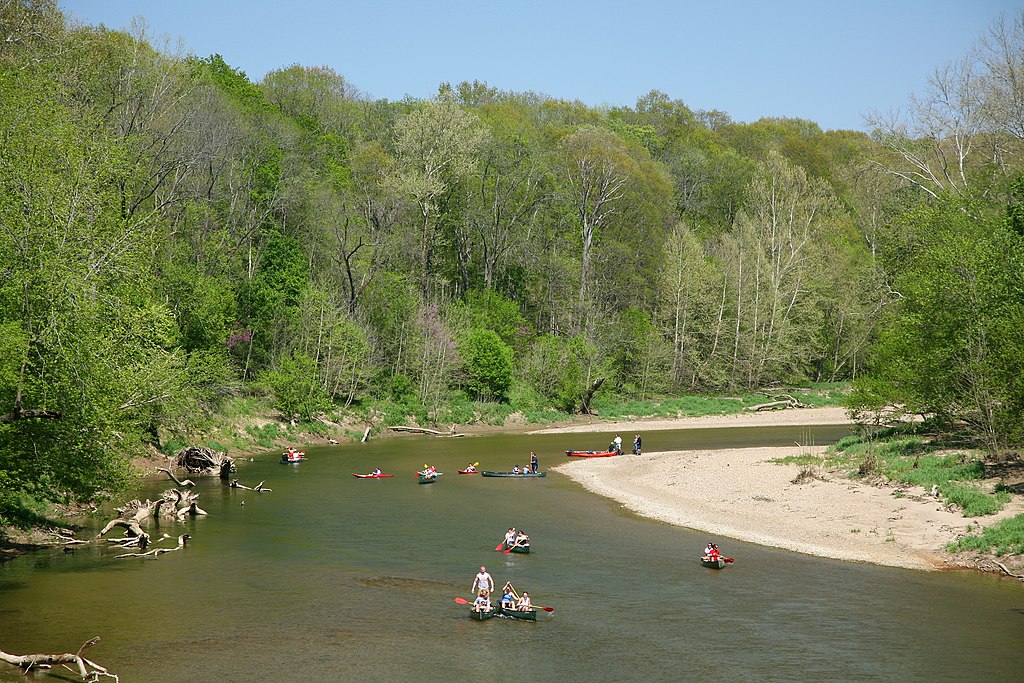
Sugar Creek
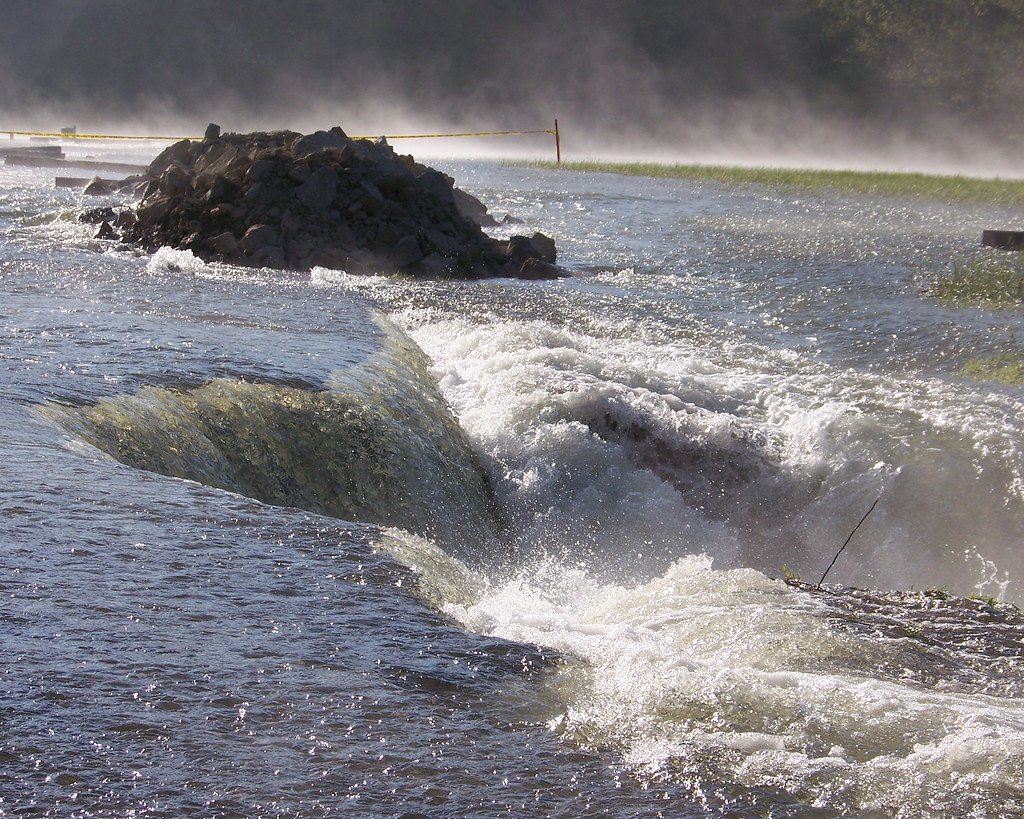
Monroe Lake
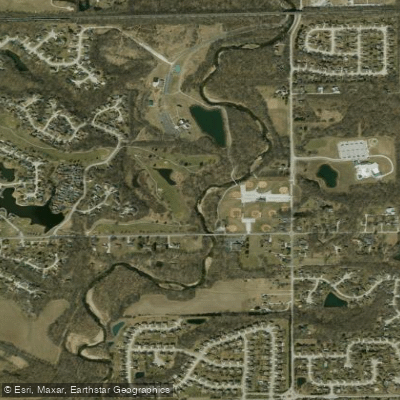
White Lick Creek
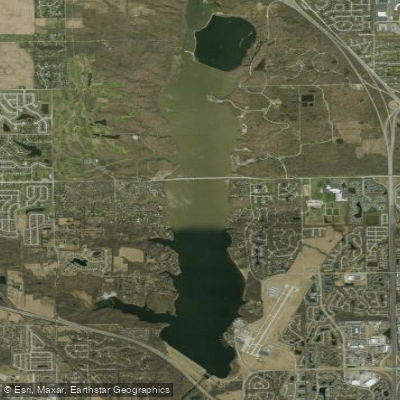
Eagle Creek Reservoir
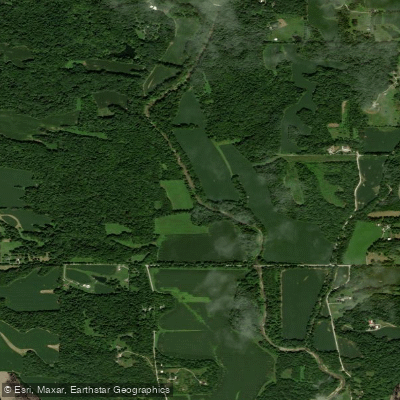
Big Walnut Creek
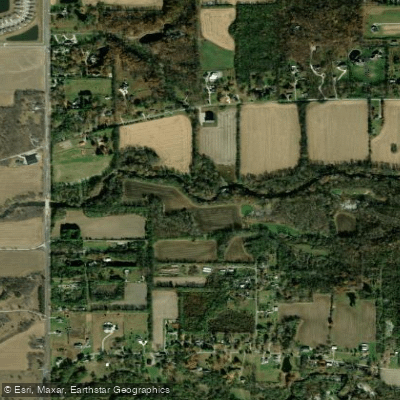
Fall Creek
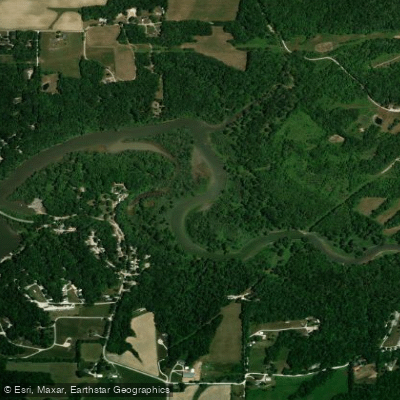
Big Raccoon Creek
What to know
Habitat Distribution
- In Indiana, shortnose gar are common in the southern part of the state and occasional in the north, inhabiting rivers, streams, creeks, inland lakes, reservoirs, sloughs, and marshes.
Specific Spots
- Fish slow, calm pools and backwaters of rivers and streams, areas with vegetation and submerged logs, and quiet creek pools.
- They prefer slow, calm pools in rivers and streams over fast-moving waters, often using vegetation and branches as cover for ambush hunting.
- Look for them near the surface in areas with little to no aquatic vegetation.
Shortnose Gar FAQ
Answers from onWater's species guide.
What are the best lures and bait for Shortnose Gar in Indiana?
Frayed nylon lures that tangle in their teeth, small inline spinners, minnowbaits, or live minnows under a float.
What flies work for Shortnose Gar in Indiana?
Effective fly patterns include Clouser's Swimming Nymph (tied in olive or orange with extra flash), damsel nymph patterns for weedy areas, weightless woolly buggers, and surprisingly, terrestrial patterns like grasshoppers and deer hair bumblebees.
When is the best time to fish for Shortnose Gar in Indiana?
Summer months (July-August) when they're most active. Avoid fishing during their spawning period (April-May) when water temperatures reach 68°F.
How do you catch Shortnose Gar in Indiana?
When sight-fishing, cast parallel to stationary gar with the fly landing behind their line of sight, then strip slowly so the fly passes just in front of their eye - this targets the soft corner of their mouth rather than the bony snout.
What do Shortnose Gar eat?
Shortnose gar are efficient ambush predators that feed primarily on fish as adults, though they also consume crayfish and insects - notably eating more invertebrates than any other gar species.
Fish smarter with real-time insights
Whether you're en route and conditions shift or you're looking for the best spot based on current flows, we enable you to make informed decisions on the fly.




See it in the app
Most maps show you water.
onWater shows you Shortnose Gar.



- 01 · Species map filter
Map every Shortnose Gar water
Pick Shortnose Gar and the map zeroes in on the waters they call home. No more guessing which lake holds them.
- 02 · Waterbody species
Tap any water. See what lives there.
Species, behavior and seasonal patterns for every lake, river and pond, before you leave the driveway.
- 03 · Angler Intelligence
Ask how to catch Shortnose Gar
Tactics, gear and timing from onWater's AI fishing guide, tuned to the species and the water you're on.
Stop guessing where Shortnose Gar are.
Open the map, filter by Shortnose Gar, and head to water that holds them. Download onWater and plan your next trip in minutes.
- Species map filter
- Angler Intelligence
- Fishing journal
Explore other species
Trout, bass, salmon, panfish and everything in between. Each guide unpacks the behavior, seasons, and tactics that put fish in the net.
No species information available.
Indiana licenses and regulations
Explore nearby waters
Explore Indiana waters
Top fishing waters
Popular Cities
Loading popular cities...

Smarter Fishing Starts in the App.
onWater Fish gives you everything you need to plan smarter, fish better, and own every trip from first cast to last.