Sauger

Sauger are native freshwater percid fish found in Indiana's river systems and reservoirs. They're smaller relatives of walleye and are highly migratory fish that prefer deeper, turbid river waters with moderate currents.
Scientific Name: Sander canadensis
- Distinguished by their brassy to dark brown coloration with distinctive dark blotches or saddles on their sides, black spots on their dorsal fins, and rough scales over their gills.
Fishing in Indiana

White River
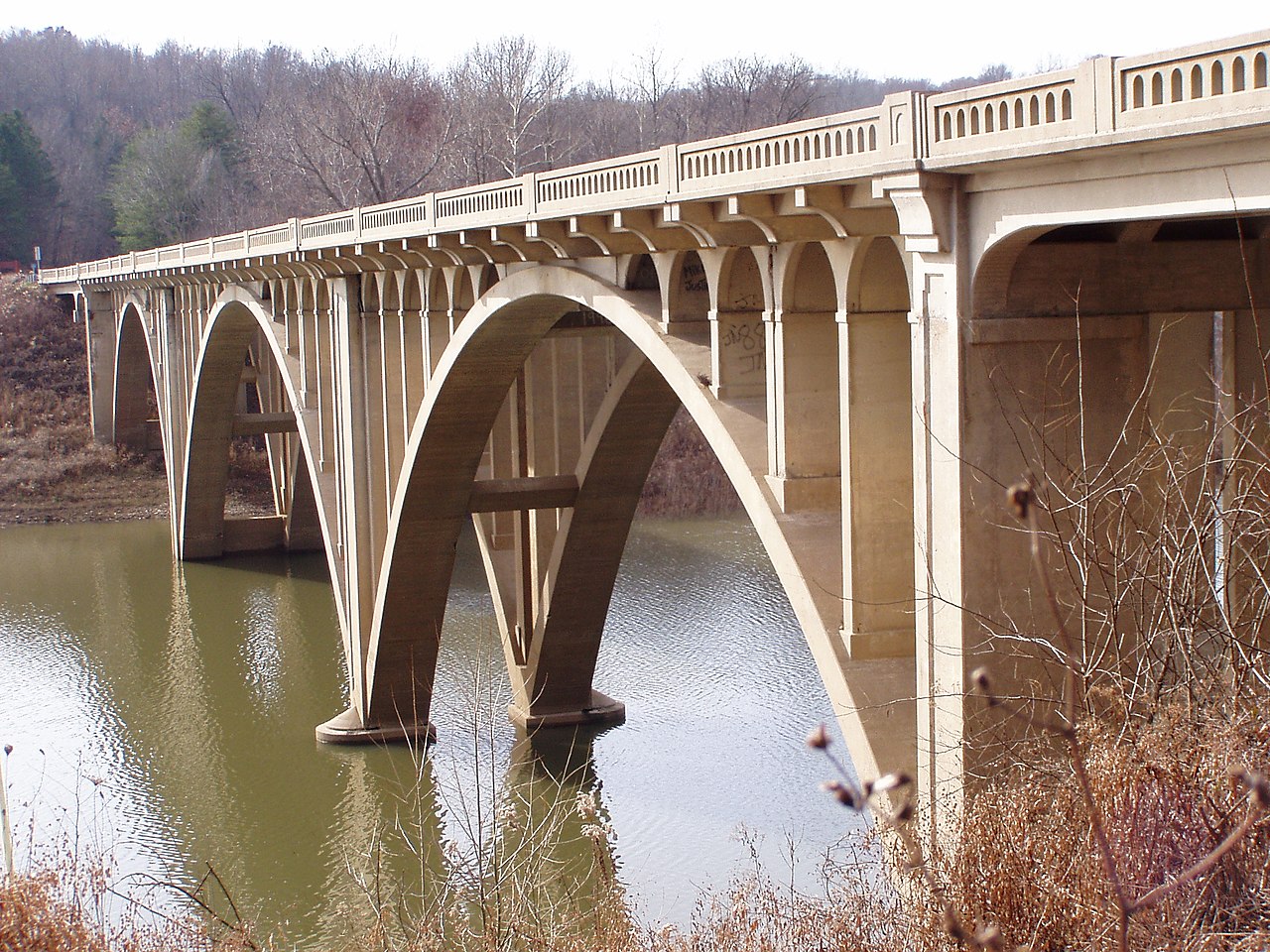
Cagles Mill Lake
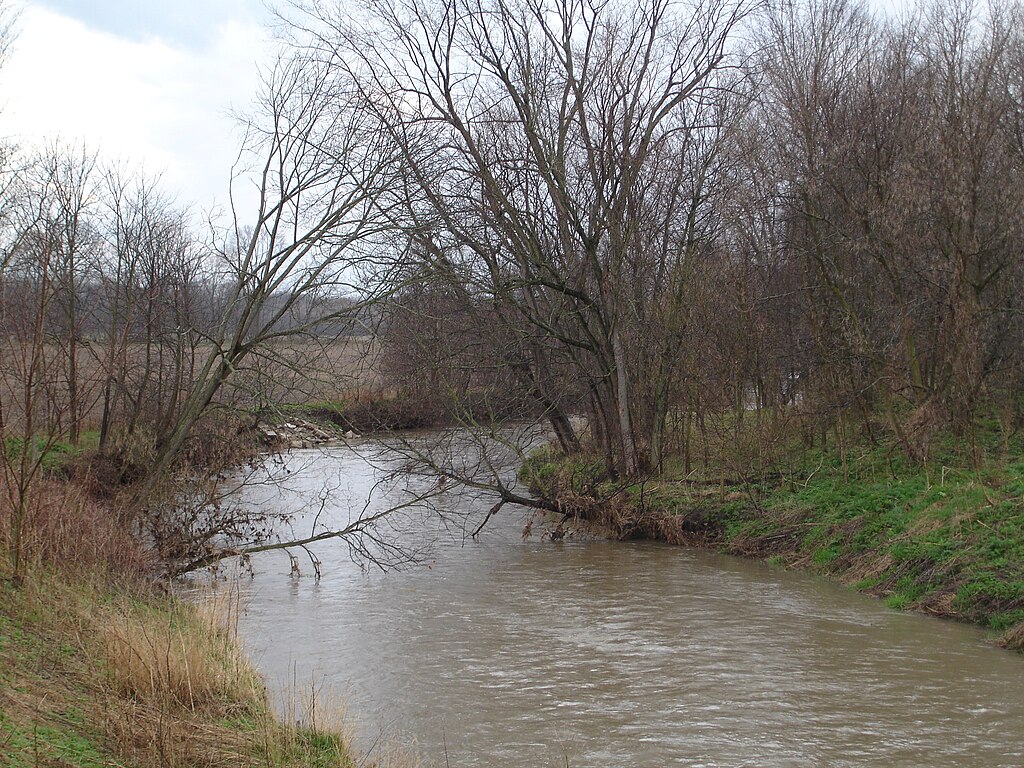
Big Blue River
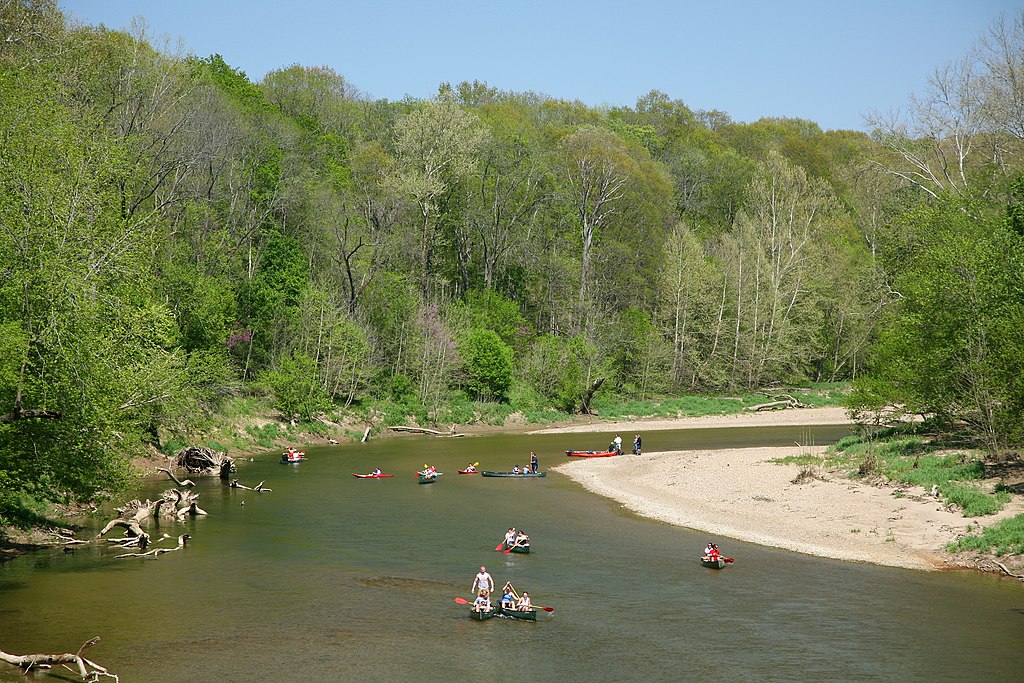
Sugar Creek
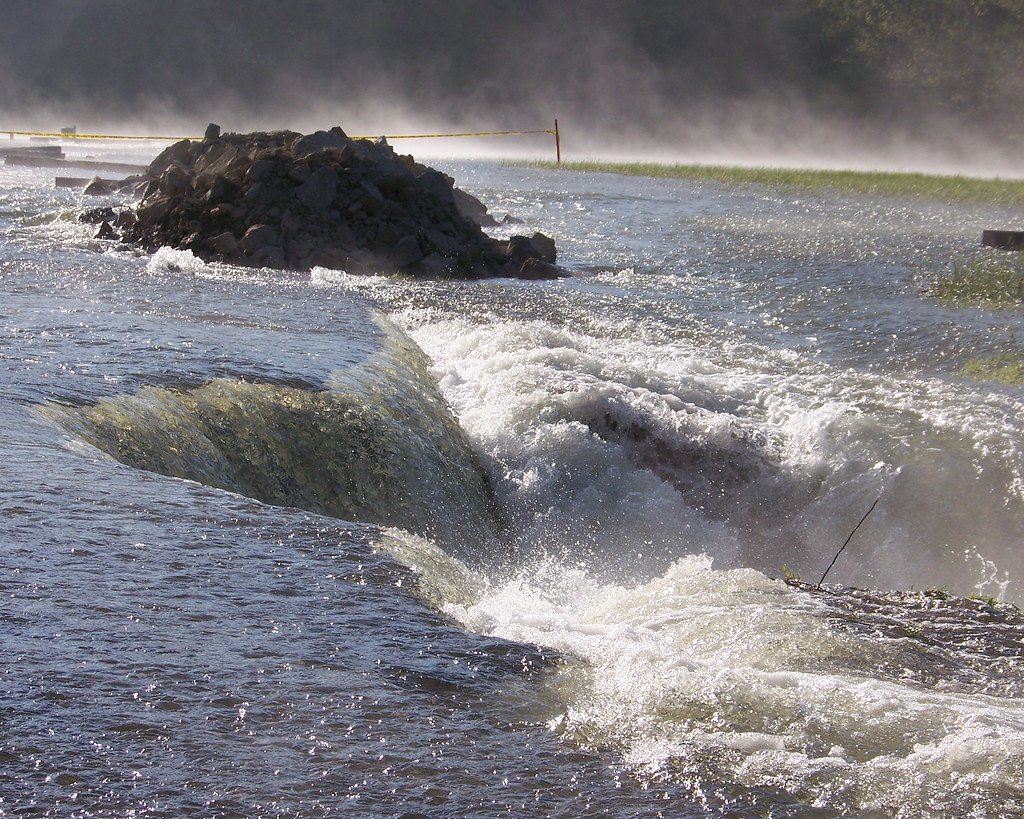
Monroe Lake
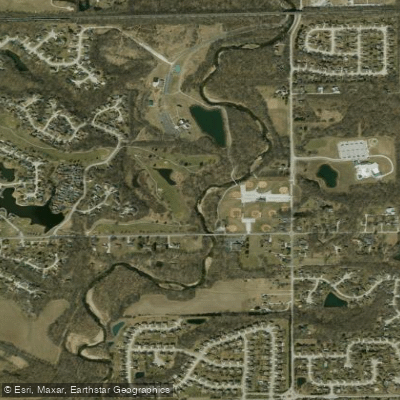
White Lick Creek
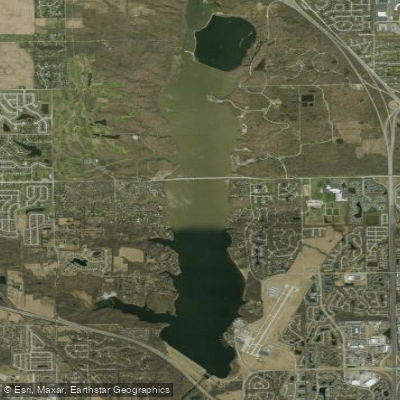
Eagle Creek Reservoir
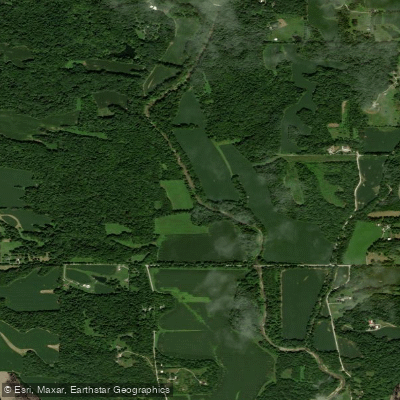
Big Walnut Creek
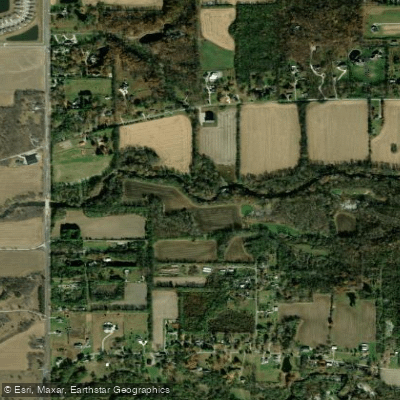
Fall Creek
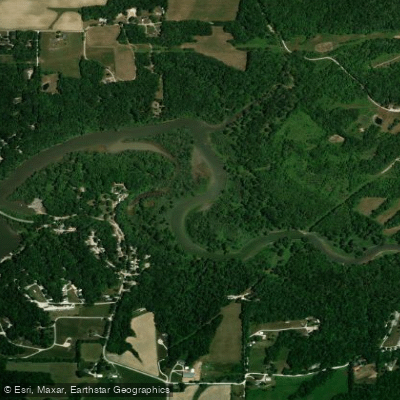
Big Raccoon Creek
What to know
Habitat Distribution
- Typically inhabiting large rivers with deep pools greater than 0.6 meters deep.
- They're commonly found in areas with high turbidity, low channel slope, sand and silt substrates, and habitat features that provide cover from current.
Key Locations
- Primarily found in the Ohio River system in Indiana, particularly the state's portion of the Ohio River which provides abundant angling opportunities.
Specific Spots
- Target areas with structure like ledges, shelves, drop-offs, humps, and current breaks caused by rocks or opposing currents.
Sauger FAQ
Answers from onWater's species guide.
What are the best lures and bait for Sauger in Indiana?
Heavy hair jigs (¾ to 1 ounce, or up to 2 ounces) tipped with minnows for scent in the murky waters they prefer. Leadhead jigs with white or chartreuse soft plastics are particularly popular. Consider adding rattles to jigs for attention.
When is the best time to fish for Sauger in Indiana?
The prime season for Indiana sauger fishing is during their spring spawning migration in March and April. Anglers should avoid targeting them during spawning from March to May when water temperatures reach appropriate levels.
How do you catch Sauger in Indiana?
Vertical jigging is the most effective technique since sauger almost always stick to the bottom. Vary jigging speeds and motions as sauger preferences can change daily.
What do Sauger eat?
They feed on a variety of prey depending on size and season: smaller sauger (200-299mm) consume benthic invertebrates, mayfly larvae, and small catfish during spring and summer, while larger specimens (300-379mm and above) primarily feed on channel catfish and freshwater drum during spring.
Where do Sauger live in Indiana?
Typically inhabiting large rivers with deep pools greater than 0.6 meters deep. They're commonly found in areas with high turbidity, low channel slope, sand and silt substrates, and habitat features that provide cover from current.
Fish smarter with real-time insights
Whether you're en route and conditions shift or you're looking for the best spot based on current flows, we enable you to make informed decisions on the fly.




See it in the app
Most maps show you water.
onWater shows you Sauger.



- 01 · Species map filter
Map every Sauger water
Pick Sauger and the map zeroes in on the waters they call home. No more guessing which lake holds them.
- 02 · Waterbody species
Tap any water. See what lives there.
Species, behavior and seasonal patterns for every lake, river and pond, before you leave the driveway.
- 03 · Angler Intelligence
Ask how to catch Sauger
Tactics, gear and timing from onWater's AI fishing guide, tuned to the species and the water you're on.
Stop guessing where Sauger are.
Open the map, filter by Sauger, and head to water that holds them. Download onWater and plan your next trip in minutes.
- Species map filter
- Angler Intelligence
- Fishing journal
Explore other species
Trout, bass, salmon, panfish and everything in between. Each guide unpacks the behavior, seasons, and tactics that put fish in the net.
No species information available.
Indiana licenses and regulations
Explore nearby waters
Explore Indiana waters
Top fishing waters
Popular Cities
Loading popular cities...

Smarter Fishing Starts in the App.
onWater Fish gives you everything you need to plan smarter, fish better, and own every trip from first cast to last.