Rock Bass

Rock Bass are a native Indiana sunfish species that are considered excellent table fare and are great for introducing beginners to fishing due to their willingness to bite and strong fighting ability for their size.
Scientific Name: Ambloplites rupestris
Also known as redeyes, goggle-eyes
- They typically grow 6-10 inches in length, averaging 20-25 cm, with laterally compressed, oblong bodies featuring dark green to brownish coloration that fades to lighter green or yellowish on the ventral side.
- Rock Bass have distinctive bright red or orange eyes, 5-7 anal spines (most commonly 6), distinctive black spots on scales that form rows below the lateral line, and 4-7 dark saddle bands across the head and back.
Fishing in Indiana
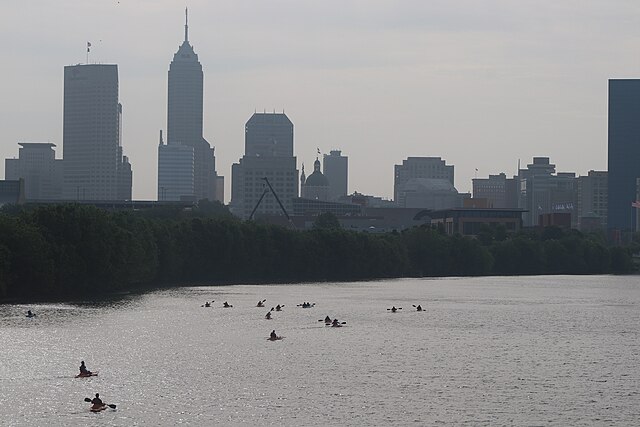
White River
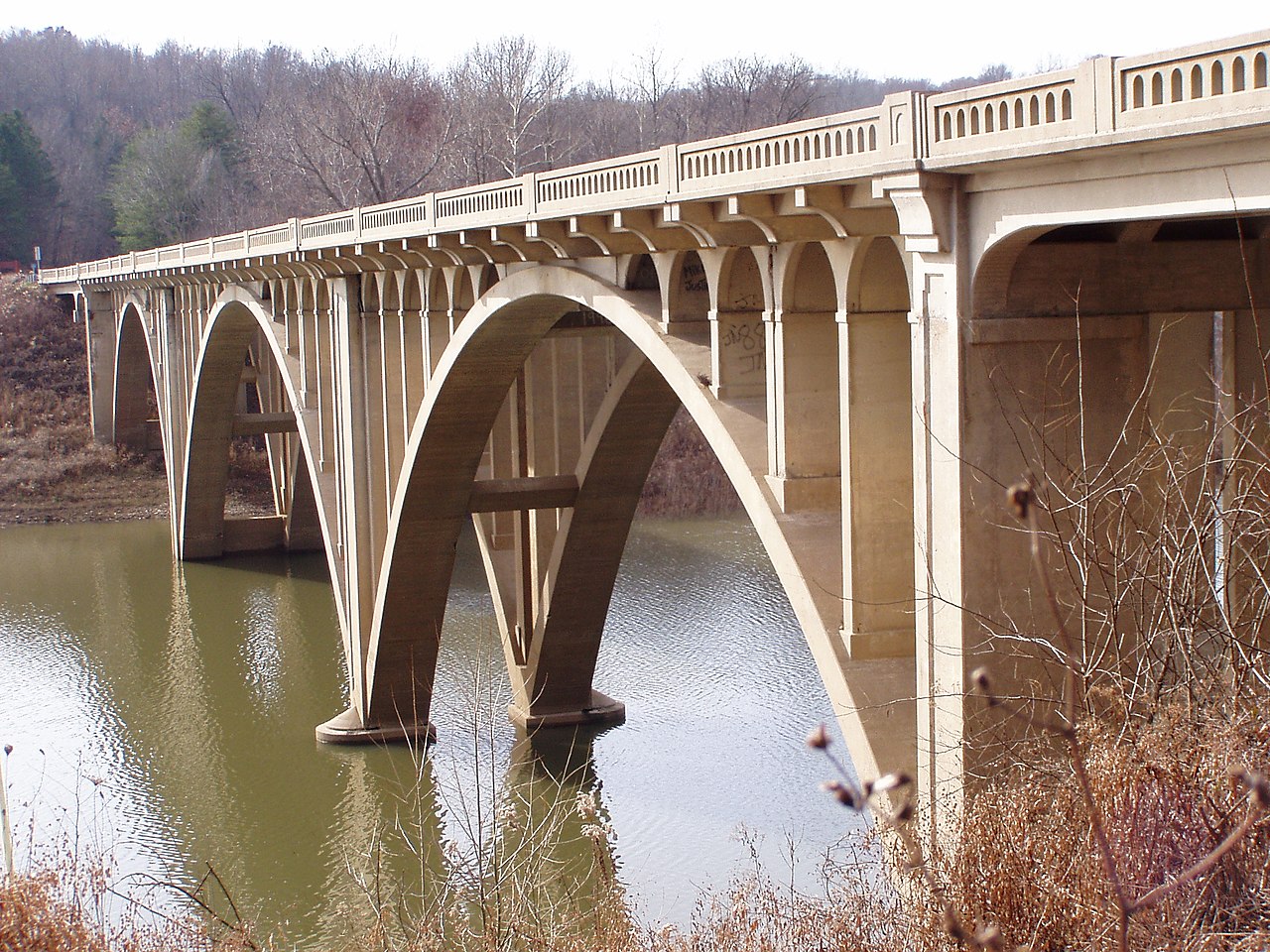
Cagles Mill Lake
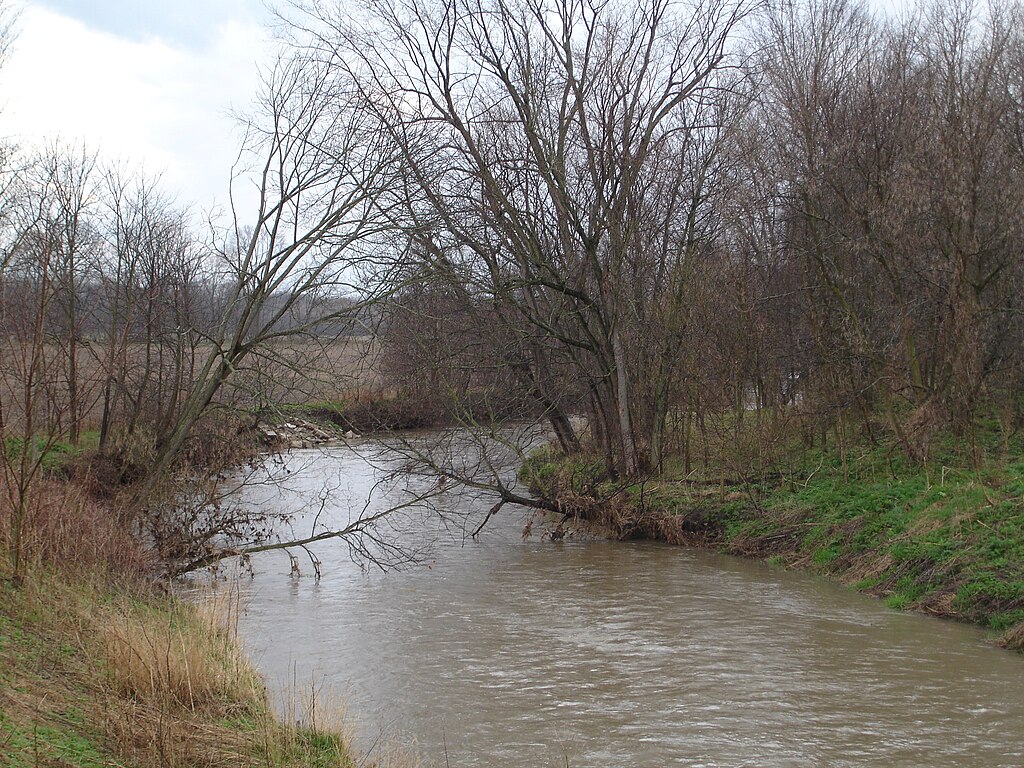
Big Blue River
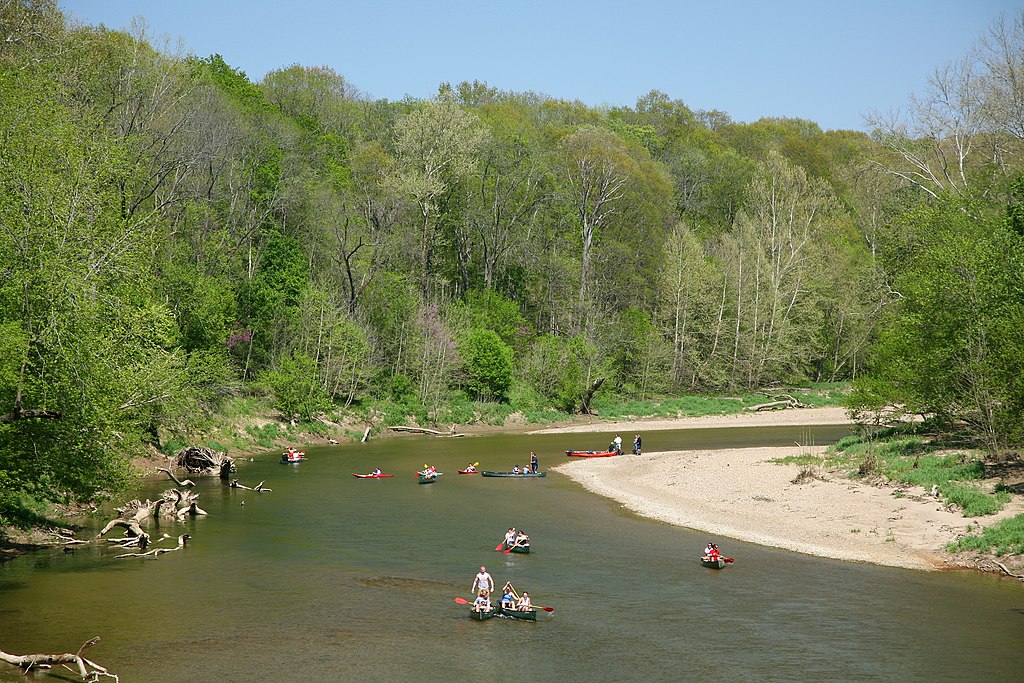
Sugar Creek
Monroe Lake
White Lick Creek
Eagle Creek Reservoir
Big Walnut Creek
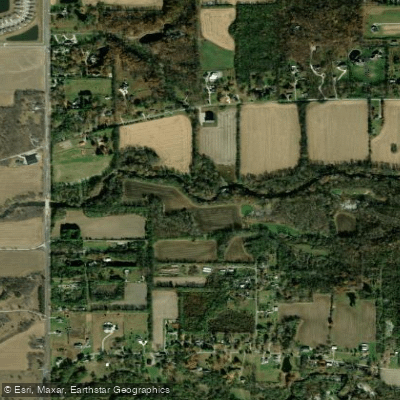
Fall Creek
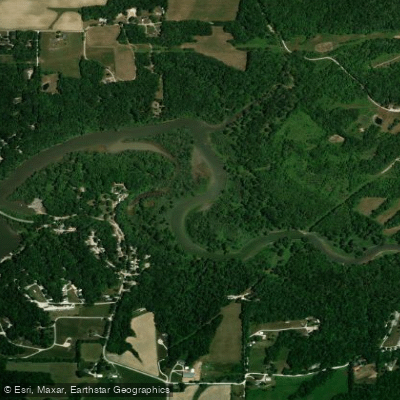
Big Raccoon Creek
What to know
Habitat Distribution
- In Indiana, Rock Bass are widely distributed throughout rivers, streams, lakes, and reservoirs, thriving in clear waters with rocky substrates.
Key Locations
- White River system, Blue River, Eel River, Sugar Creek, Big Raccoon Creek, and numerous other waterways across the state.
Specific Spots
- Around large boulders, root wads, undercut banks, and beds of water willow.
- In spring, target them around rocky areas, drop-offs near shallow flats, and areas with emerging vegetation.
- Fish around rocky structure, fallen trees, brush piles, docks, and areas with current breaks.
Rock Bass FAQ
Answers from onWater's species guide.
What are the best lures and bait for Rock Bass in Indiana?
Small jigs, inline spinners (particularly with metallic blades and bodies), 3-inch jerkbaits, small crankbaits, soft plastic worms, crankbaits, soft plastics, and live bait including earthworms (the most recommended), crayfish, and small minnows.
What flies work for Rock Bass in Indiana?
Woolly Buggers with Crystal Flash (especially flashy, gaudy patterns), Clouser Minnows in white or chartreuse/white combinations, sculpin patterns, small streamers, nymphs, and even dry flies during surface activity.
When is the best time to fish for Rock Bass in Indiana?
Rock Bass fishing is productive year-round in Indiana, with spring through fall offering the best action. During summer heat, fish deeper areas or focus on morning and evening periods.
How do you catch Rock Bass in Indiana?
In streams like Sugar Creek and Big Raccoon Creek, wade carefully and work pools, eddies, and undercuts.
What do Rock Bass eat?
As ambush predators, Rock Bass feed on smaller fish (minnows, shiners, sculpins, darters), crayfish, aquatic insects (particularly odonates), and occasionally consume their own young.
Fish smarter with real-time insights
Whether you're en route and conditions shift or you're looking for the best spot based on current flows, we enable you to make informed decisions on the fly.




See it in the app
Most maps show you water.
onWater shows you Rock Bass.



- 01 · Species map filter
Map every Rock Bass water
Pick Rock Bass and the map zeroes in on the waters they call home. No more guessing which lake holds them.
- 02 · Waterbody species
Tap any water. See what lives there.
Species, behavior and seasonal patterns for every lake, river and pond, before you leave the driveway.
- 03 · Angler Intelligence
Ask how to catch Rock Bass
Tactics, gear and timing from onWater's AI fishing guide, tuned to the species and the water you're on.
Stop guessing where Rock Bass are.
Open the map, filter by Rock Bass, and head to water that holds them. Download onWater and plan your next trip in minutes.
- Species map filter
- Angler Intelligence
- Fishing journal
Explore other species
Trout, bass, salmon, panfish and everything in between. Each guide unpacks the behavior, seasons, and tactics that put fish in the net.
No species information available.
Indiana licenses and regulations
Explore nearby waters
Explore Indiana waters
Top fishing waters
Popular Cities
Loading popular cities...

Smarter Fishing Starts in the App.
onWater Fish gives you everything you need to plan smarter, fish better, and own every trip from first cast to last.