Longnose Gar
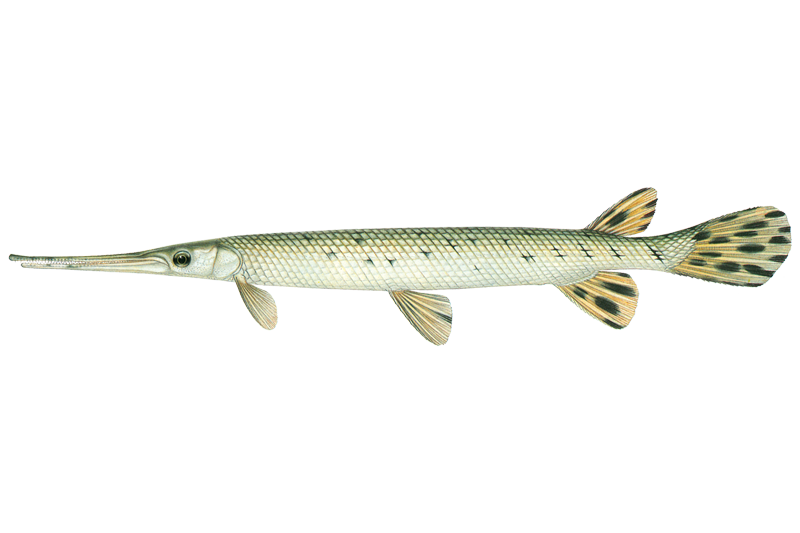
Longnose Gar are among Indiana's most ancient native fish species, dating back 65-100 million years to the Cretaceous period.
They're the most common gar species throughout Indiana, found in rivers, streams, creeks, inland lakes, reservoirs, sloughs, and marshes statewide.
Scientific Name: Lepisosteus osseus
- These distinctive prehistoric fish have olive-brown coloration on top and sides with white underneath, featuring dark spots on the tail and fins.
- Their most identifying characteristic is an extremely long, narrow snout that's more than twice as long as the rest of their head, filled with sharp needle-like teeth.
- Longnose gar possess hard, diamond-shaped ganoid scales that form natural armor and can reach maximum sizes around 6.5 feet in Indiana waters.
Fishing in Indiana

White River
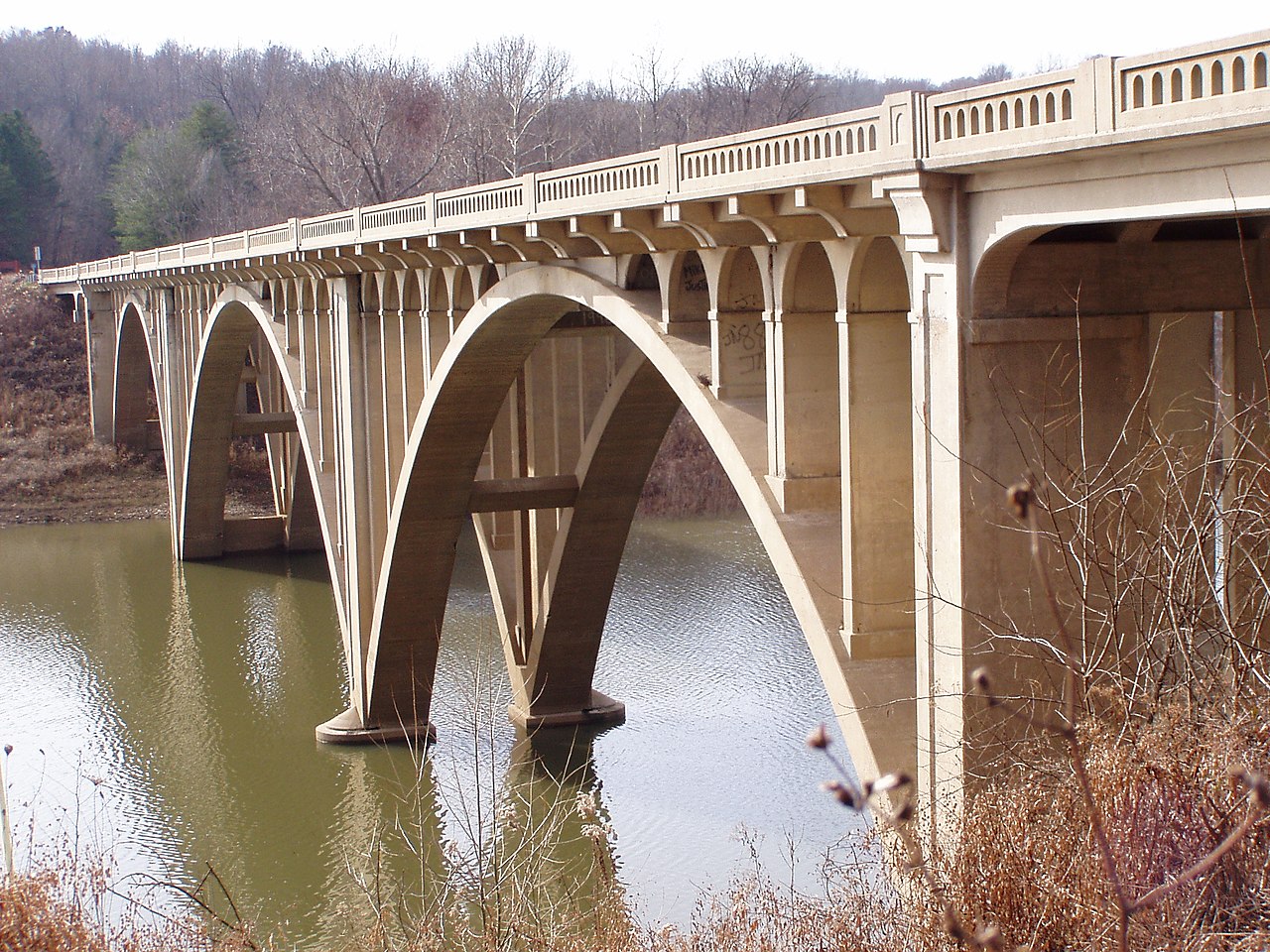
Cagles Mill Lake
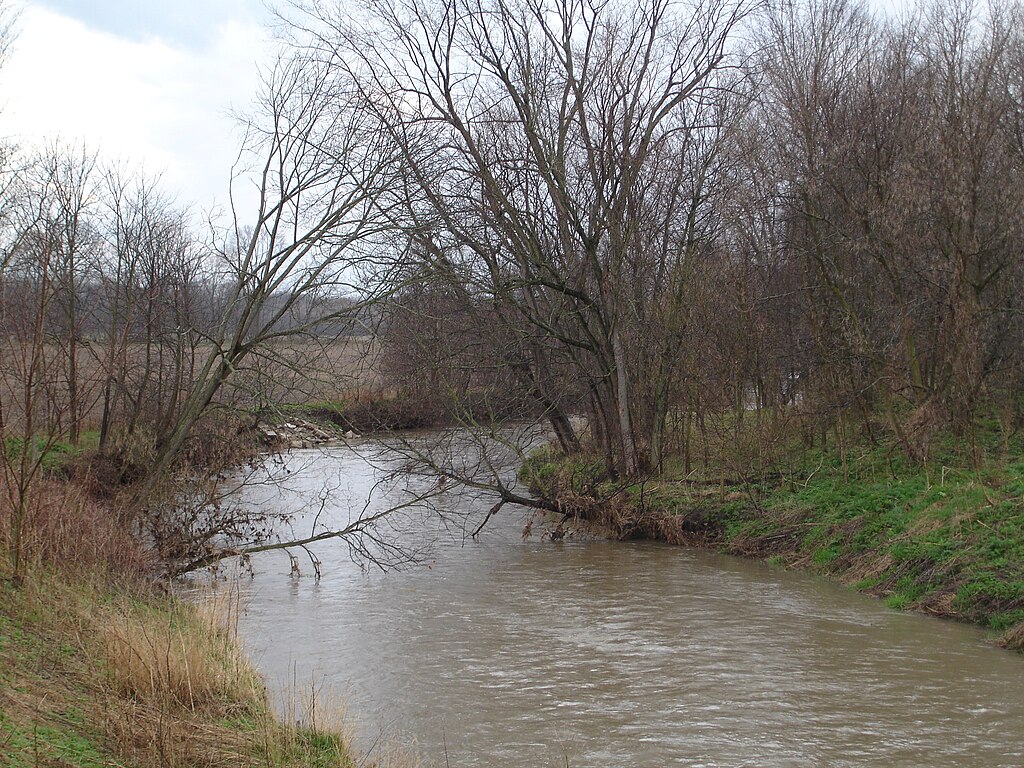
Big Blue River
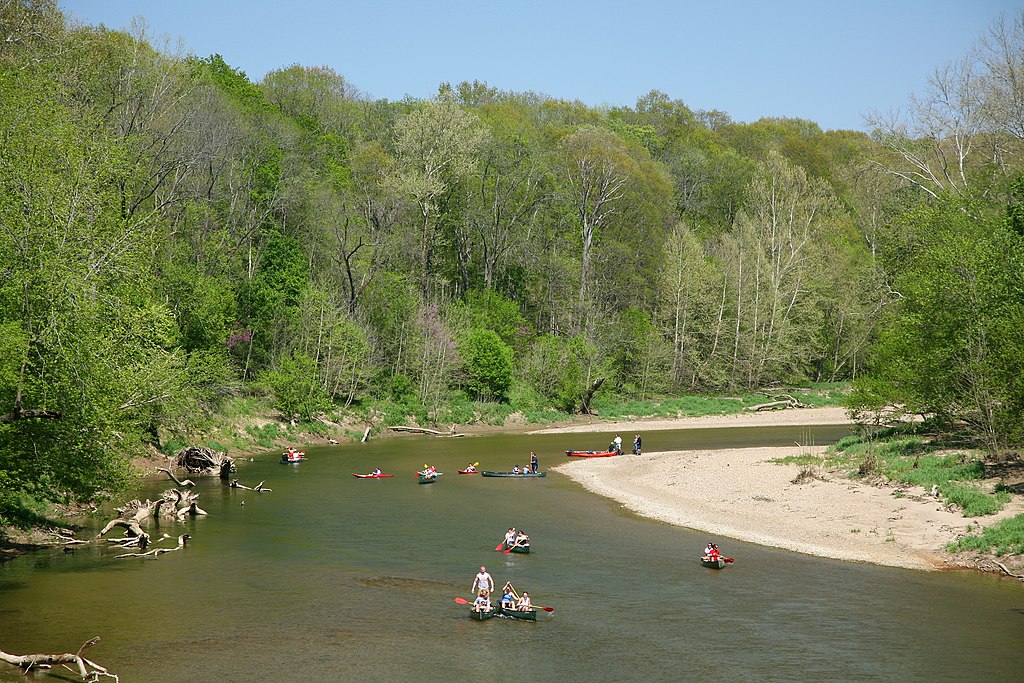
Sugar Creek
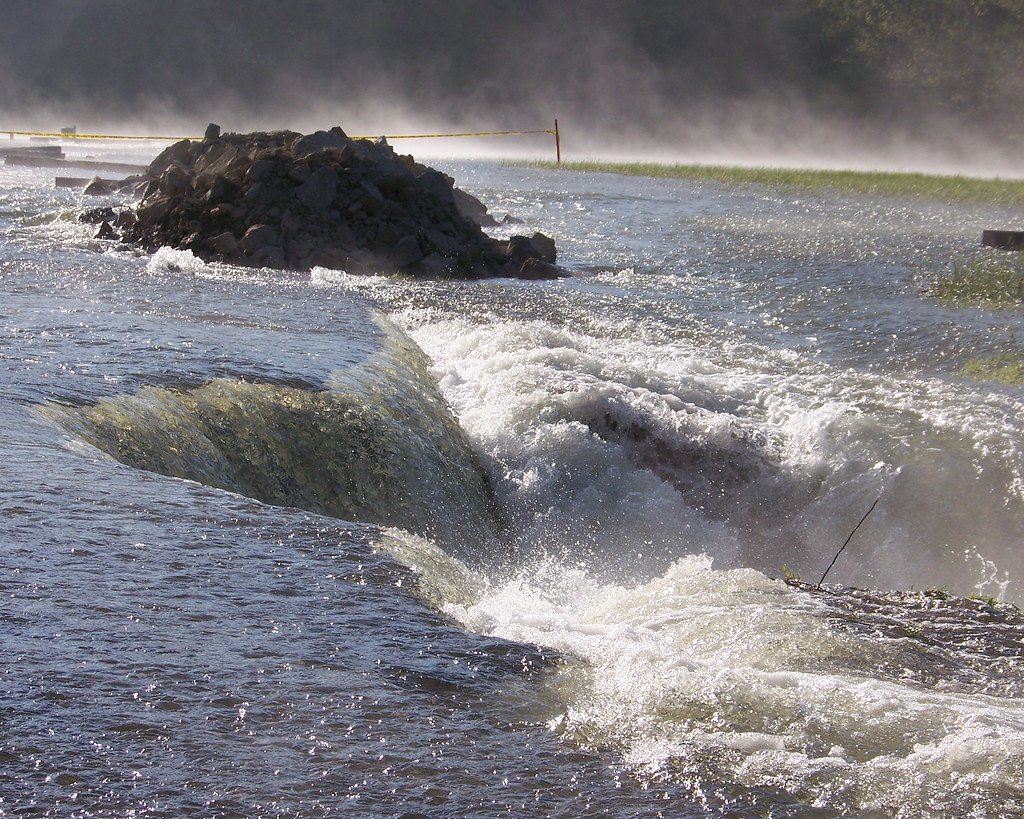
Monroe Lake
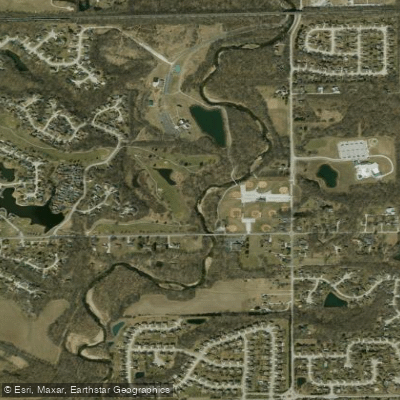
White Lick Creek
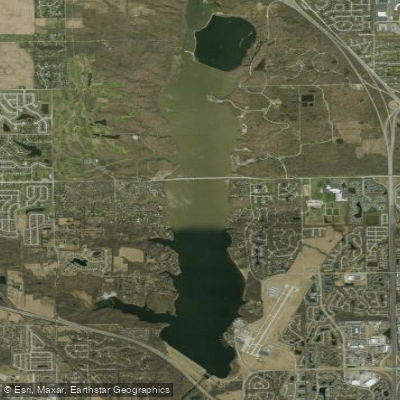
Eagle Creek Reservoir
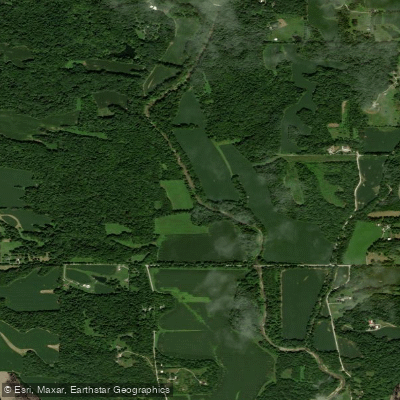
Big Walnut Creek
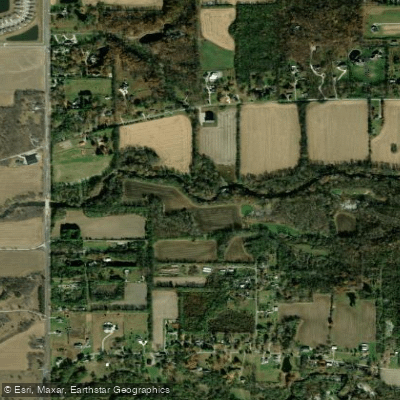
Fall Creek
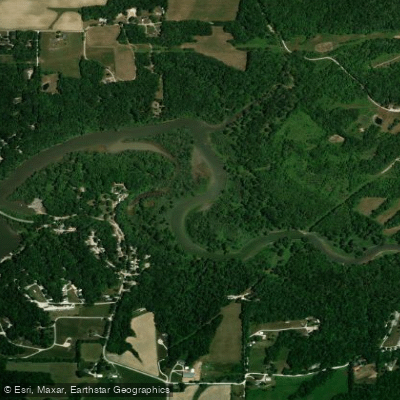
Big Raccoon Creek
What to know
Habitat Distribution
- Found in rivers, streams, creeks, inland lakes, reservoirs, sloughs, and marshes statewide.
- They prefer slow, calm pools in rivers and streams over fast-moving water.
Key Locations
- Indiana waters statewide.
Specific Spots
- Look for them in slow-moving backwaters, large weedy flats bordering deep water, areas below dams, weedy bends in rivers, isolated bays, and around structure like downed trees, stone outcrops, and vegetation.
- Using vegetation and structure as cover for ambush hunting.
Longnose Gar FAQ
Answers from onWater's species guide.
What are the best lures and bait for Longnose Gar in Indiana?
Small live minnows or cut bait. Effective lures include small in-line spinners, minnowbaits, jigs, and spinnerbaits.
What flies work for Longnose Gar in Indiana?
Rope flies made from unbraided nylon rope, typically 6-9 inches long with trailer treble hooks.
When is the best time to fish for Longnose Gar in Indiana?
The prime fishing season begins after their spawning period ends in late May and continues through the hot summer months into September, with July and August being peak months.
How do you catch Longnose Gar in Indiana?
A critical technique is using a frayed nylon rope lure that tangles in their teeth, or employing a snare system with a hook centered in a thin wire loop. Cast beyond and in front of visible fish, retrieving slowly perpendicular to their position.
What do Longnose Gar eat?
They feed primarily on minnows and small forage fish. Young gar also consume insects, insect larvae, and crustaceans.
Fish smarter with real-time insights
Whether you're en route and conditions shift or you're looking for the best spot based on current flows, we enable you to make informed decisions on the fly.




See it in the app
Most maps show you water.
onWater shows you Longnose Gar.



- 01 · Species map filter
Map every Longnose Gar water
Pick Longnose Gar and the map zeroes in on the waters they call home. No more guessing which lake holds them.
- 02 · Waterbody species
Tap any water. See what lives there.
Species, behavior and seasonal patterns for every lake, river and pond, before you leave the driveway.
- 03 · Angler Intelligence
Ask how to catch Longnose Gar
Tactics, gear and timing from onWater's AI fishing guide, tuned to the species and the water you're on.
Stop guessing where Longnose Gar are.
Open the map, filter by Longnose Gar, and head to water that holds them. Download onWater and plan your next trip in minutes.
- Species map filter
- Angler Intelligence
- Fishing journal
Explore other species
Trout, bass, salmon, panfish and everything in between. Each guide unpacks the behavior, seasons, and tactics that put fish in the net.
No species information available.
Indiana licenses and regulations
Explore nearby waters
Explore Indiana waters
Top fishing waters
Popular Cities
Loading popular cities...

Smarter Fishing Starts in the App.
onWater Fish gives you everything you need to plan smarter, fish better, and own every trip from first cast to last.