Largemouth Bass

Largemouth Bass are found in virtually every glacial lake, reservoir, pond, and river statewide, with a 99% detection rate in northern Indiana glacial lakes.
These adaptable predators are apex predators that use sound, vibration, and sight to hunt, preferring to ambush prey from cover.
Scientific Name: Micropterus salmoides
- Largemouth Bass are olive-green to greenish gray fish with dark horizontal stripes along their flanks and a distinctive large mouth that extends beyond the rear of the eye.
- Indiana's largemouth typically grow 3-4 inches per year for the first three years, reaching quality size (12 inches) by age 4 in natural lakes and age 3 in southern reservoirs.
Fishing in Indiana
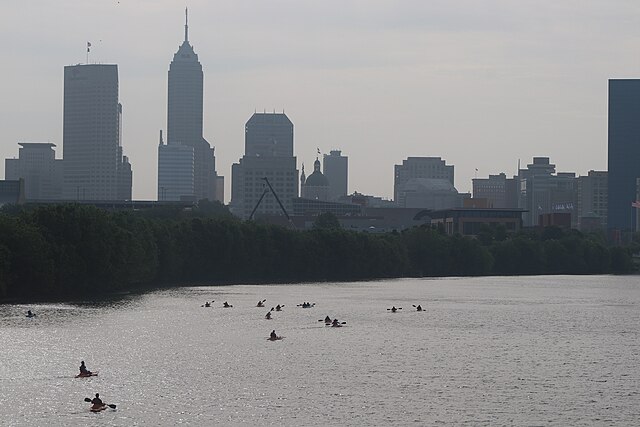
White River
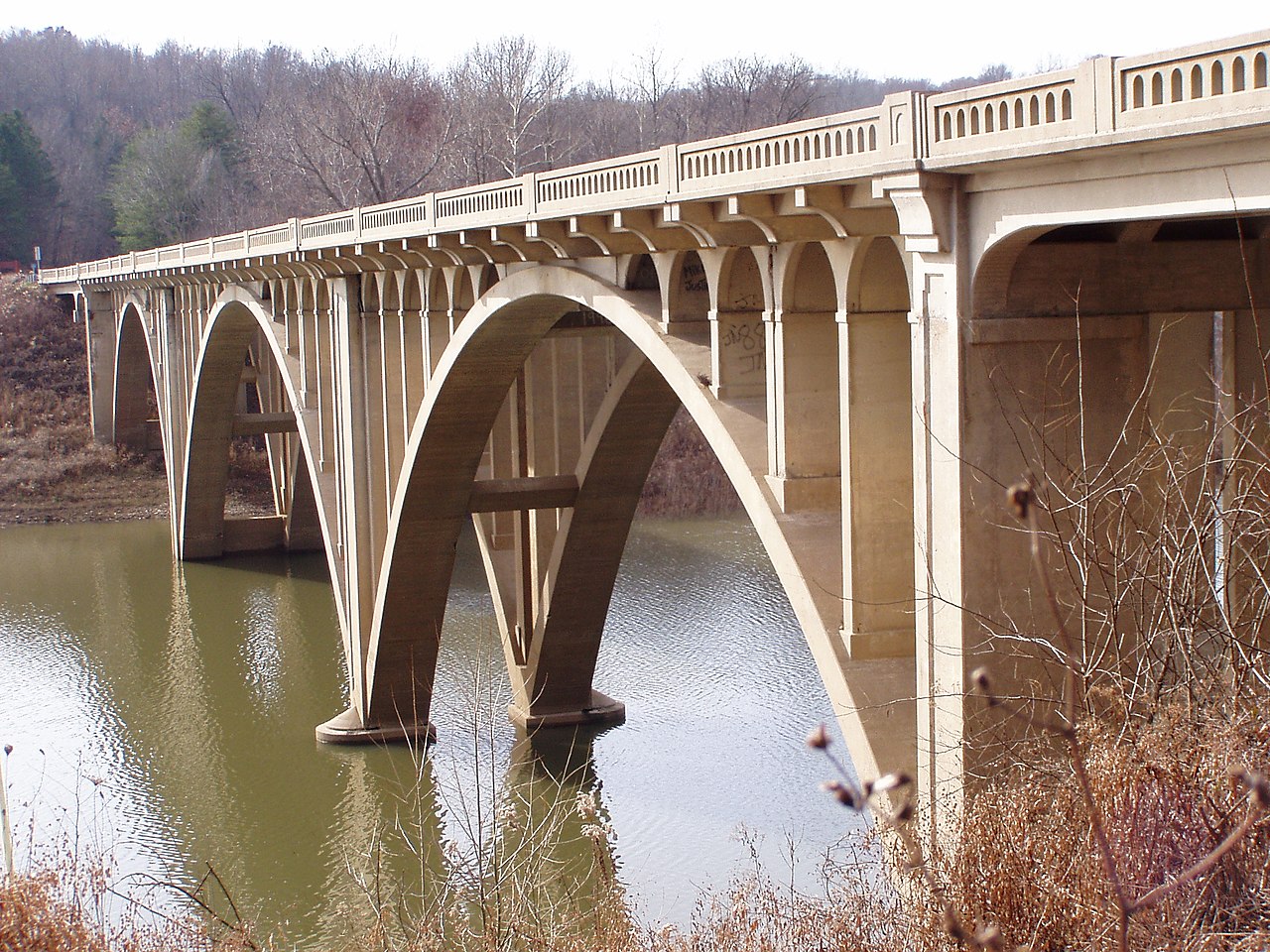
Cagles Mill Lake
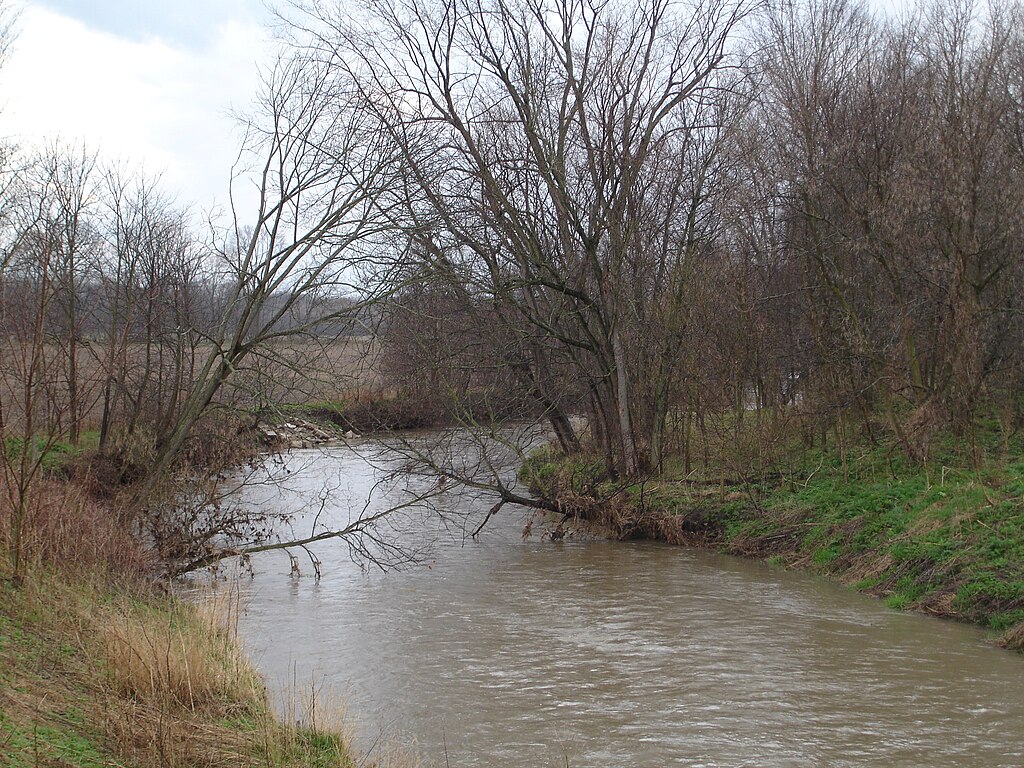
Big Blue River
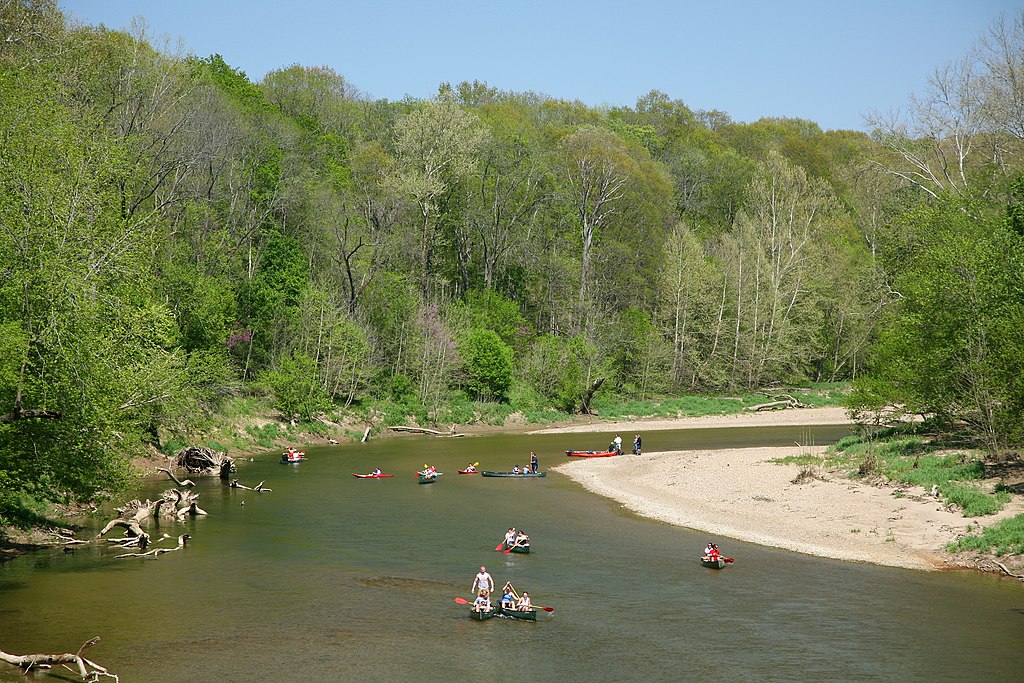
Sugar Creek
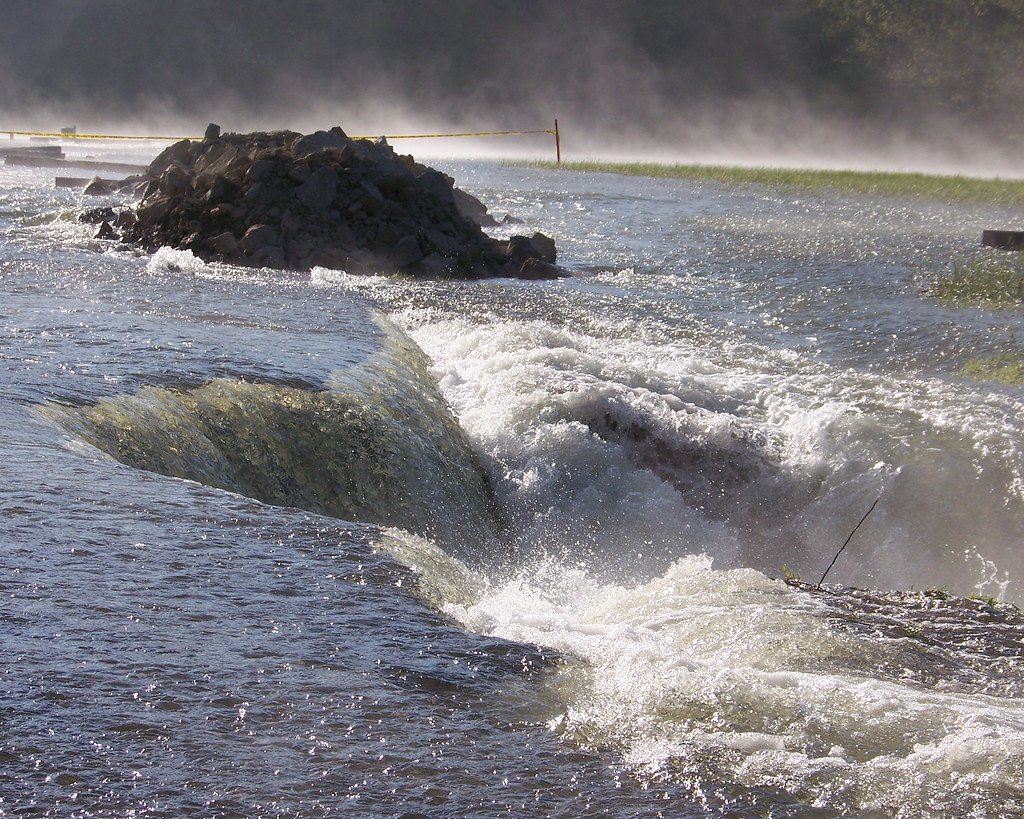
Monroe Lake
White Lick Creek
Eagle Creek Reservoir
Big Walnut Creek
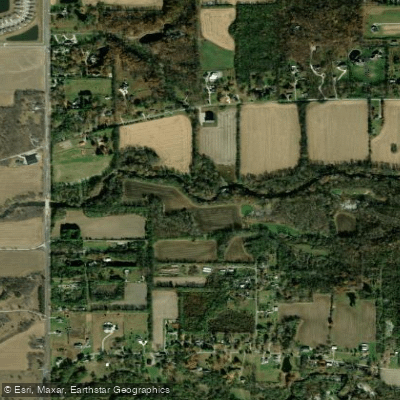
Fall Creek
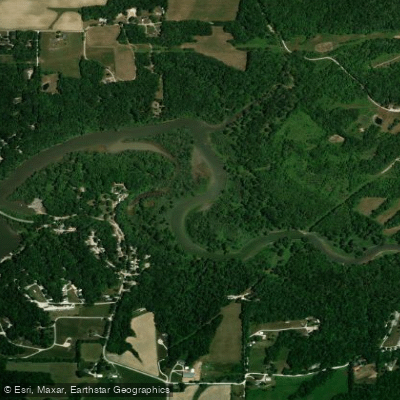
Big Raccoon Creek
What to know
Habitat Distribution
- In Indiana, they're found in virtually every glacial lake, reservoir, pond, and river statewide, with a 99% detection rate in northern Indiana glacial lakes.
- They prefer warm, moderately clear waters with abundant littoral vegetation and woody debris, thriving in the shallow nearshore areas of Indiana's glacial lakes and reservoirs.
Key Locations
- Prime locations include Lake Wawasee, Lake Maxinkuckee, Monroe Lake, Patoka Lake, Brookville Reservoir, Geist Reservoir, and Summit Lake.
- In northern Indiana, fish Clear Lake, Hamilton Lake, and Chain O'Lakes.
- Central Indiana hotspots include Eagle Creek, White River, and Prairie Creek Reservoir.
- Southern Indiana offers West Boggs Lake, Cagles Mill Lake, and the East Fork White River.
Specific Spots
- Focus on weed edges, fallen timber, docks, and drop-offs adjacent to shallow spawning areas.
Largemouth Bass FAQ
Answers from onWater's species guide.
What are the best lures and bait for Largemouth Bass in Indiana?
Traditional tackle options include soft plastic worms (Texas-rigged), spinnerbaits, crankbaits (square-bill for shallow cover), jigs with plastic trailers, and lipless crankbaits.
What flies work for Largemouth Bass in Indiana?
Effective flies include popping bugs in bumblebee, frog, and chartreuse patterns for topwater action, plus baitfish patterns like Clouser Minnows and Deceivers. Hair poppers and foam poppers work well during spring and fall, while subsurface patterns like Woolly Buggers with rubber legs imitate crayfish.
When is the best time to fish for Largemouth Bass in Indiana?
The best times to fish for largemouth bass in Indiana are early spring through fall, with prime action during pre-spawn (55-62°F water) and post-spawn periods when bass feed heavily. Avoid fishing during spawning season (62-67°F, typically late April-June) when bass are protecting beds.
How do you catch Largemouth Bass in Indiana?
Fish shallow flats and cover during spring pre-spawn, then target deeper structure as water warms.
What do Largemouth Bass eat?
These adaptable predators primarily feed on crustaceans and fish as adults, with juvenile bass eating insects, crustaceans, and insect larvae. Adult bass will consume anything that fits in their mouth, including other fish, crayfish, frogs, snakes, mice, and even small mammals.
Fish smarter with real-time insights
Whether you're en route and conditions shift or you're looking for the best spot based on current flows, we enable you to make informed decisions on the fly.




See it in the app
Most maps show you water.
onWater shows you Largemouth Bass.



- 01 · Species map filter
Map every Largemouth Bass water
Pick Largemouth Bass and the map zeroes in on the waters they call home. No more guessing which lake holds them.
- 02 · Waterbody species
Tap any water. See what lives there.
Species, behavior and seasonal patterns for every lake, river and pond, before you leave the driveway.
- 03 · Angler Intelligence
Ask how to catch Largemouth Bass
Tactics, gear and timing from onWater's AI fishing guide, tuned to the species and the water you're on.
Stop guessing where Largemouth Bass are.
Open the map, filter by Largemouth Bass, and head to water that holds them. Download onWater and plan your next trip in minutes.
- Species map filter
- Angler Intelligence
- Fishing journal
Explore other species
Trout, bass, salmon, panfish and everything in between. Each guide unpacks the behavior, seasons, and tactics that put fish in the net.
No species information available.
Indiana licenses and regulations
Explore nearby waters
Explore Indiana waters
Top fishing waters
Popular Cities
Loading popular cities...

Smarter Fishing Starts in the App.
onWater Fish gives you everything you need to plan smarter, fish better, and own every trip from first cast to last.