Brook Trout

Brook trout in Indiana are considered rare compared to other trout species in the state. They are native to the Great Lakes region and are most commonly found in the northern areas near Lake Michigan, where they are known as 'coasters.'
Scientific Name: Salvelinus fontinalis
Also known as coasters
- Brook trout are actually members of the char family rather than true trout, characterized by light spots on dark backgrounds with distinctive olive to black coloring, orange-red bellies (especially in males), and pink or red spots with blue halos along their sides.
- In Indiana, stream brook trout typically average 7-9 inches and 2-3 pounds, while coaster brook trout in the Great Lakes can reach impressive sizes of 25 inches and 10 pounds.
Fishing in Indiana
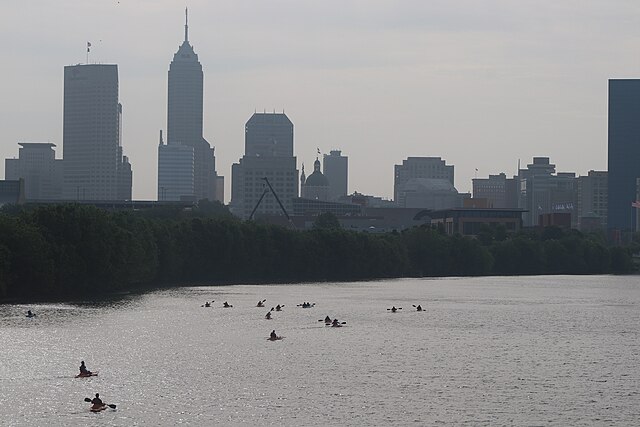
White River
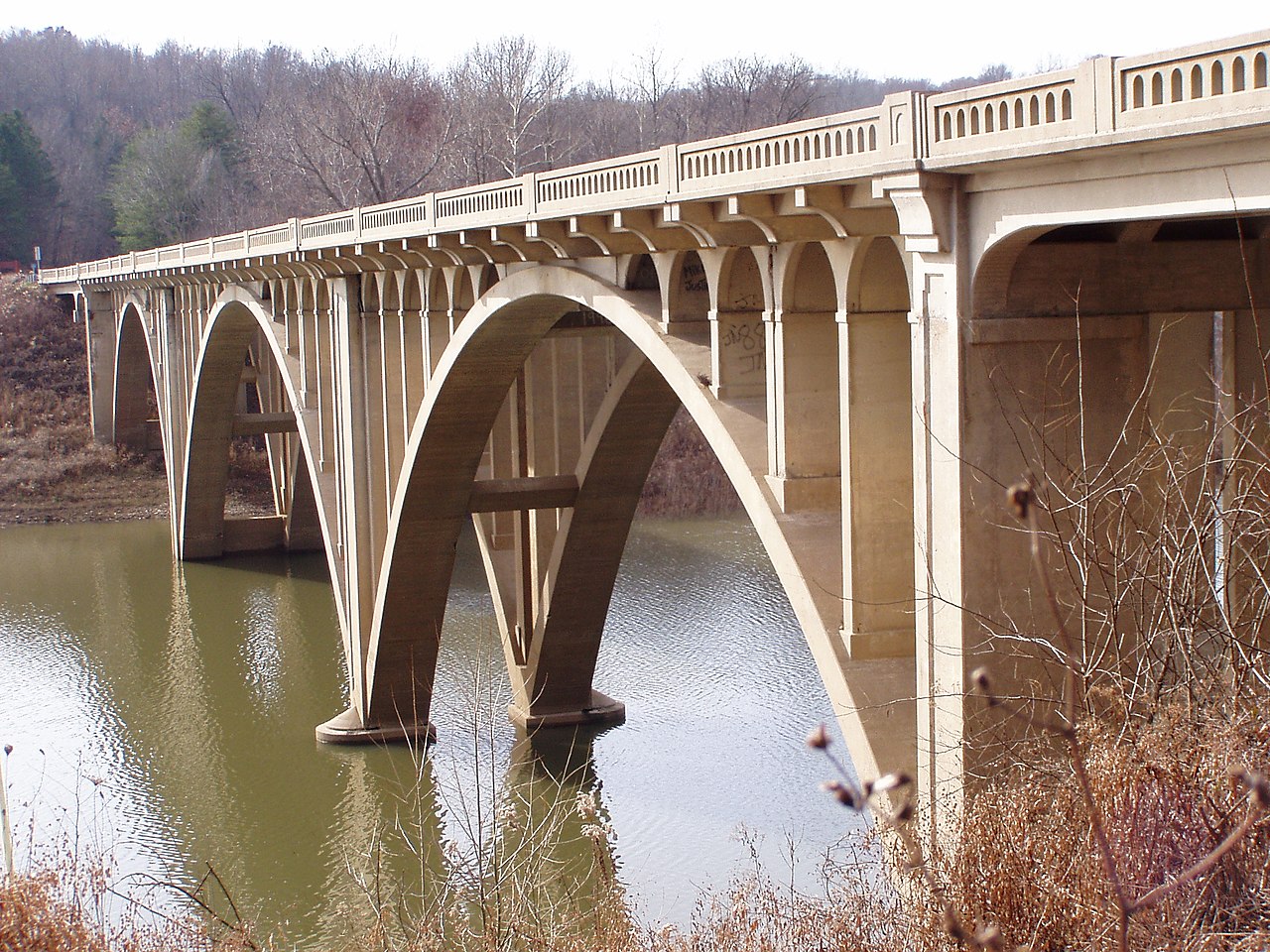
Cagles Mill Lake
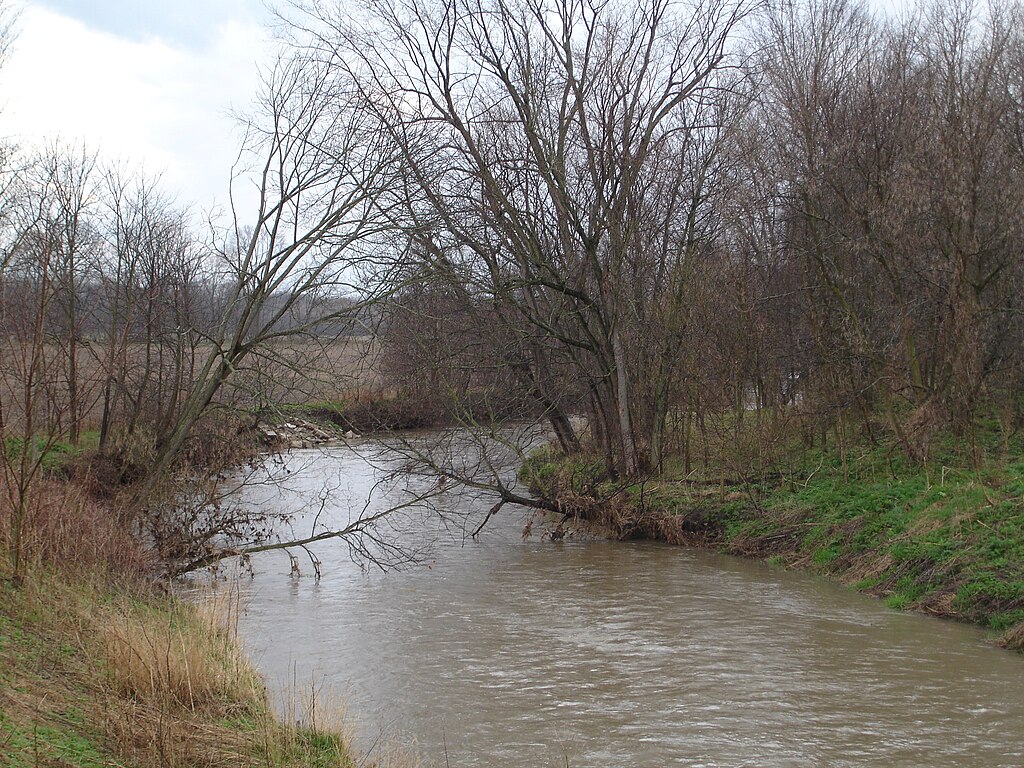
Big Blue River
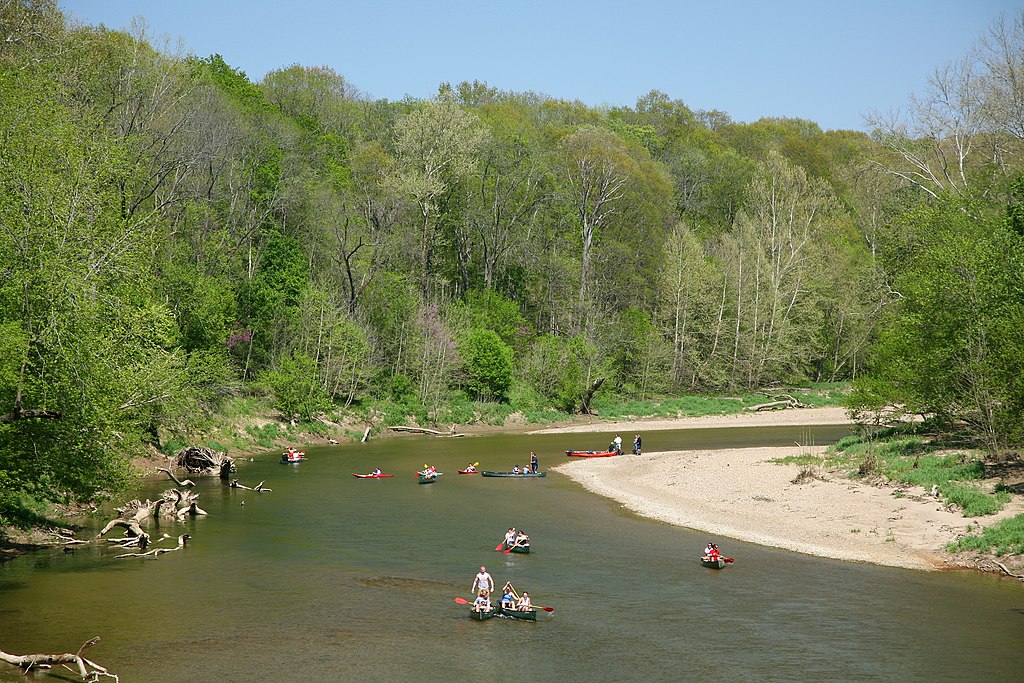
Sugar Creek
Monroe Lake
White Lick Creek
Eagle Creek Reservoir
Big Walnut Creek
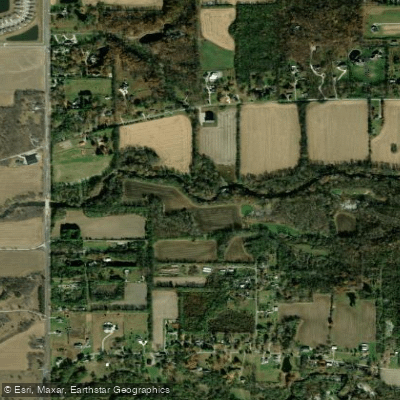
Fall Creek
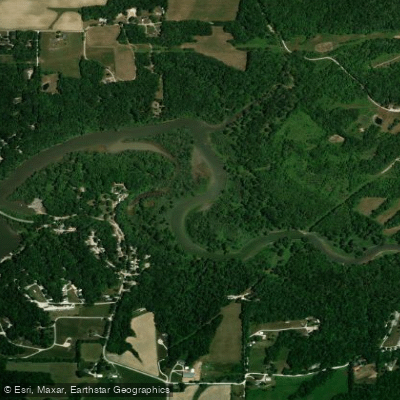
Big Raccoon Creek
What to know
Habitat Distribution
- They're found primarily in spring-fed streams, cold headwater areas, and the Great Lakes region where water temperatures remain suitable year-round.
Key Locations
- Most commonly found in the northern areas near Lake Michigan.
Specific Spots
- In streams, focus on deep pools, areas with submerged wood structures, beaver dams, and eddies along banks where they find relief from current and cooler water.
Brook Trout FAQ
Answers from onWater's species guide.
What are the best lures and bait for Brook Trout in Indiana?
Effective lures include size #0-1 Mepps spinners, Blue Fox Vibrax spinners, Panther Martin spinners, small spoons (Little Cleo 1/8-1/4 oz, Williams Wobblers, Mooselook Wobblers), and small minnow-style lures like Jackson Meteora 45 and Rapala CD-01.
What flies work for Brook Trout in Indiana?
Productive patterns include Stimulators (yellow/olive, sizes 10-14), Royal PMX (sizes 10-14), Elk Hair Caddis, and for nymphs, Purple Tunghead Hot Spot Pheasant Tail Jigs (sizes 14-16), Beadhead Prince Nymphs (sizes 14-16), and Hard Body Ant patterns (black/red-black, sizes 12-16).
When is the best time to fish for Brook Trout in Indiana?
Brook trout fishing in Indiana is most productive in spring (late March through May) and fall when water temperatures are in their preferred 50-65°F range.
How do you catch Brook Trout in Indiana?
A dropper rig with a dry fly and nymph 8-16 inches below works well in early season. Always wet hands before handling these delicate fish and consider using barbless hooks to minimize harm during catch and release.
What do Brook Trout eat?
Brook trout are opportunistic feeders consuming aquatic insects, terrestrial insects (grasshoppers, ants, crickets), snails, crayfish, and small fish.
Fish smarter with real-time insights
Whether you're en route and conditions shift or you're looking for the best spot based on current flows, we enable you to make informed decisions on the fly.




See it in the app
Most maps show you water.
onWater shows you Brook Trout.



- 01 · Species map filter
Map every Brook Trout water
Pick Brook Trout and the map zeroes in on the waters they call home. No more guessing which lake holds them.
- 02 · Waterbody species
Tap any water. See what lives there.
Species, behavior and seasonal patterns for every lake, river and pond, before you leave the driveway.
- 03 · Angler Intelligence
Ask how to catch Brook Trout
Tactics, gear and timing from onWater's AI fishing guide, tuned to the species and the water you're on.
Stop guessing where Brook Trout are.
Open the map, filter by Brook Trout, and head to water that holds them. Download onWater and plan your next trip in minutes.
- Species map filter
- Angler Intelligence
- Fishing journal
Explore other species
Trout, bass, salmon, panfish and everything in between. Each guide unpacks the behavior, seasons, and tactics that put fish in the net.
No species information available.
Indiana licenses and regulations
Explore nearby waters
Explore Indiana waters
Top fishing waters
Popular Cities
Loading popular cities...

Smarter Fishing Starts in the App.
onWater Fish gives you everything you need to plan smarter, fish better, and own every trip from first cast to last.