Blue Sucker

The Blue Sucker (Cycleptus elongatus) is a long-lived freshwater species in Indiana's sucker family. These powerful fish are sensitive to pollution and require well-oxygenated, clean water systems.
Scientific Name: Cycleptus elongatus
Also known as locally nicknamed 'muskellunge' in the lower sections of the Wabash River
- Averaging 24 inches in length and weighing 2-3 kilograms.
- These streamlined fish have distinctive blue to blue-black coloration that intensifies during spawning season, with pointed snouts, papillae on lips, deeply forked tails, and long falcate dorsal fins.
- During spawning, males develop small mating horns and both sexes undergo dramatic color changes.
Fishing in Indiana
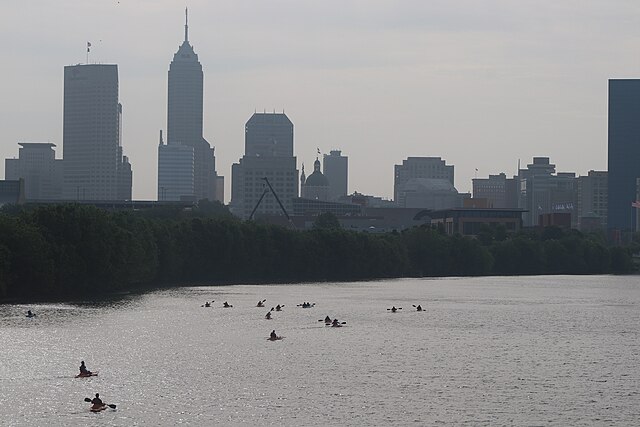
White River
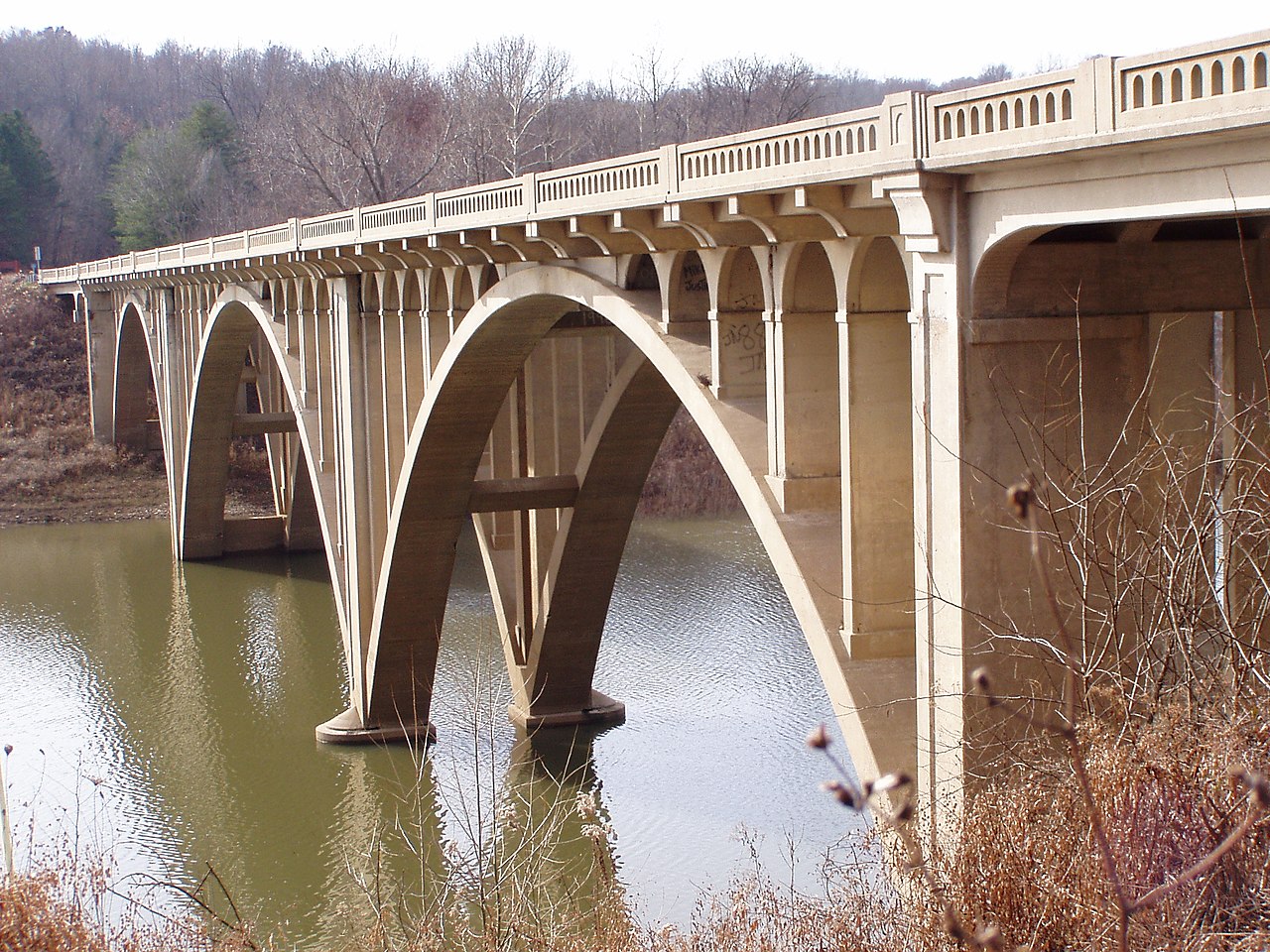
Cagles Mill Lake
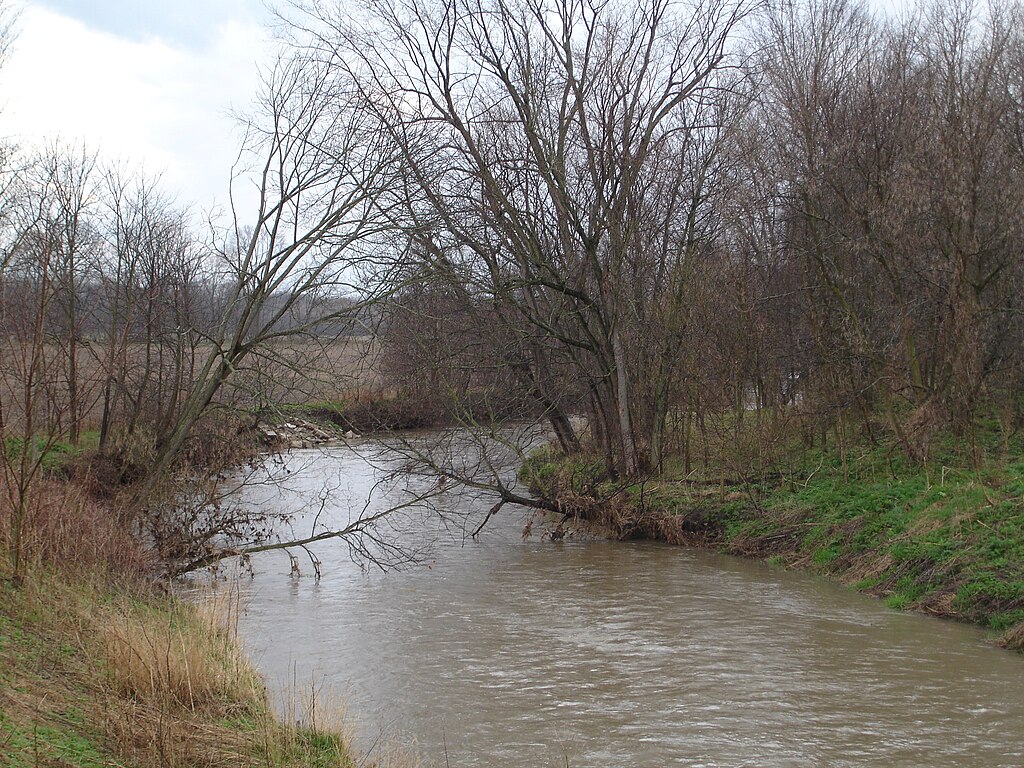
Big Blue River
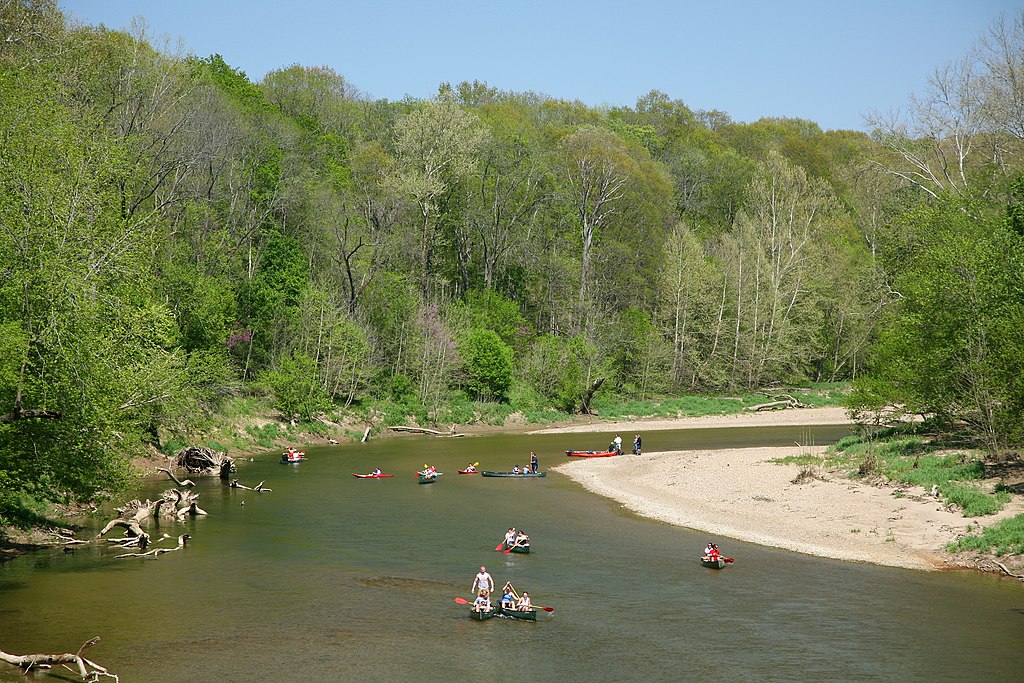
Sugar Creek
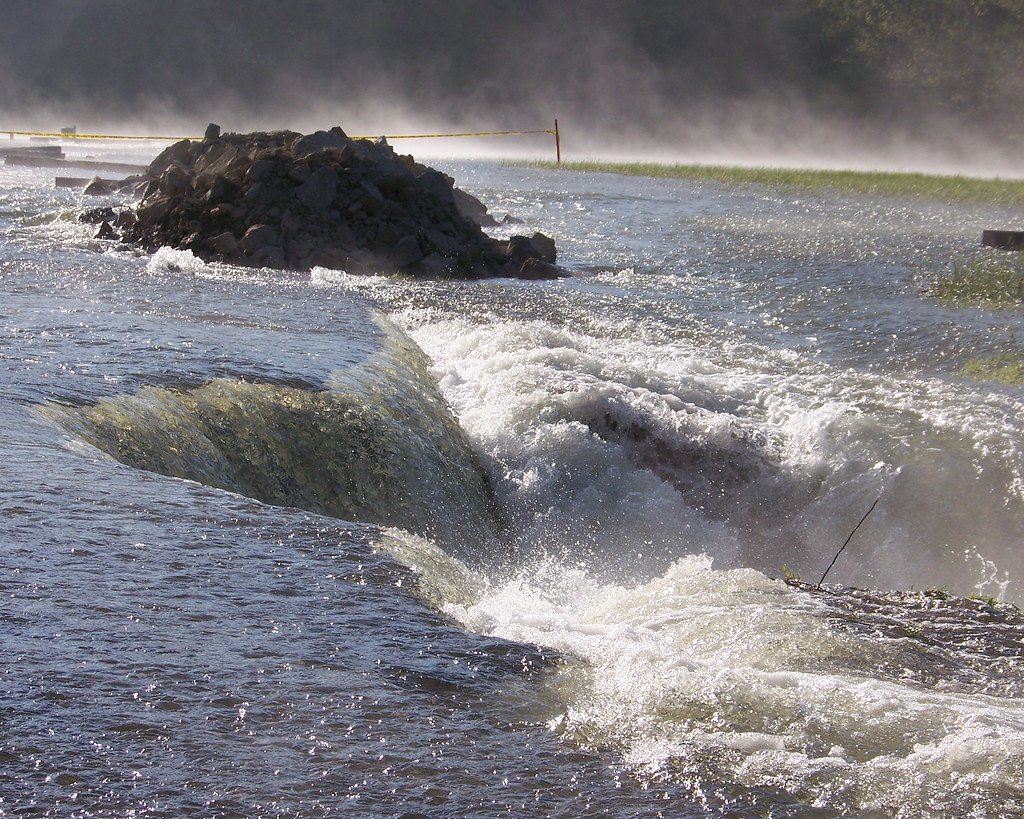
Monroe Lake
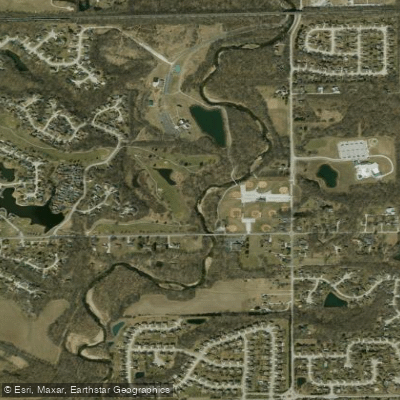
White Lick Creek
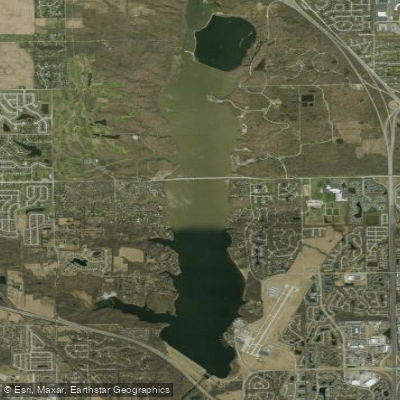
Eagle Creek Reservoir
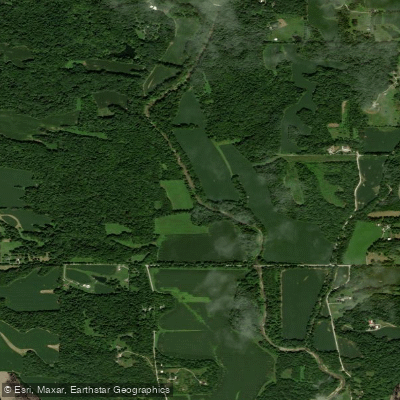
Big Walnut Creek
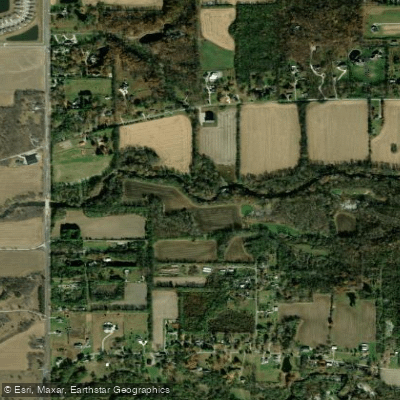
Fall Creek
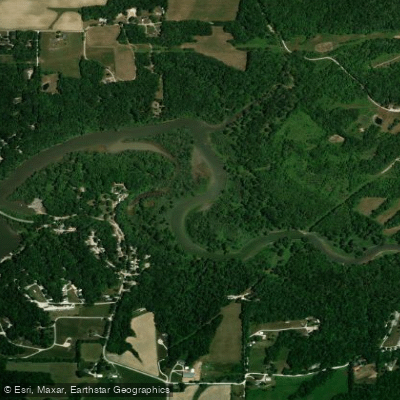
Big Raccoon Creek
What to know
Habitat Distribution
- Found in major river systems including the Wabash River in Indiana.
- Inhabit the main stems of large rivers and lower tributaries.
Key Locations
- Wabash River system and its tributaries.
- Focus efforts on the lower Wabash River where populations are most stable.
Specific Spots
- Target areas below dams, spillways, and tributary mouths where fish stack up in heavy current and deeper pools.
- Prefer gravel or rock bottoms with heavy current areas.
- Target zones behind rock piles, in eddies, and below fast water.
- Spawn in fast-moving water about 2 feet deep over rocks larger than gravel.
Blue Sucker FAQ
Answers from onWater's species guide.
What are the best lures and bait for Blue Sucker in Indiana?
Live worms are the most effective bait - thread them onto Aberdeen or bait holder hooks. Other productive baits include small jigs, e.g.g patterns, clams, and dough balls.
When is the best time to fish for Blue Sucker in Indiana?
Spring spawning runs in April when water temperatures reach the mid-40s to low 50s. Spawning occurs from March through June when water temperatures reach 53-62°F, with peak activity around 62°F. The spring run typically lasts only 2-3 weeks, making timing crucial for success.
How do you catch Blue Sucker in Indiana?
Employ slip rigs and drift them through likely holding areas. Cast upstream and let your rig bounce bottom naturally with the current into target zones behind rock piles, in eddies, and below fast water. The bite is often subtle - watch for line ticks and set the hook on any pause in the drift.
What do Blue Sucker eat?
Bottom feeders with an omnivorous diet including aquatic insect larvae, crustaceans, plant materials, algae, midges, caddisfly larvae and pupae.
Where do Blue Sucker live in Indiana?
Found in major river systems including the Wabash River in Indiana. Inhabit the main stems of large rivers and lower tributaries.
Fish smarter with real-time insights
Whether you're en route and conditions shift or you're looking for the best spot based on current flows, we enable you to make informed decisions on the fly.




See it in the app
Most maps show you water.
onWater shows you Blue Sucker.



- 01 · Species map filter
Map every Blue Sucker water
Pick Blue Sucker and the map zeroes in on the waters they call home. No more guessing which lake holds them.
- 02 · Waterbody species
Tap any water. See what lives there.
Species, behavior and seasonal patterns for every lake, river and pond, before you leave the driveway.
- 03 · Angler Intelligence
Ask how to catch Blue Sucker
Tactics, gear and timing from onWater's AI fishing guide, tuned to the species and the water you're on.
Stop guessing where Blue Sucker are.
Open the map, filter by Blue Sucker, and head to water that holds them. Download onWater and plan your next trip in minutes.
- Species map filter
- Angler Intelligence
- Fishing journal
Explore other species
Trout, bass, salmon, panfish and everything in between. Each guide unpacks the behavior, seasons, and tactics that put fish in the net.
No species information available.
Indiana licenses and regulations
Explore nearby waters
Explore Indiana waters
Top fishing waters
Popular Cities
Loading popular cities...

Smarter Fishing Starts in the App.
onWater Fish gives you everything you need to plan smarter, fish better, and own every trip from first cast to last.