White Crappie
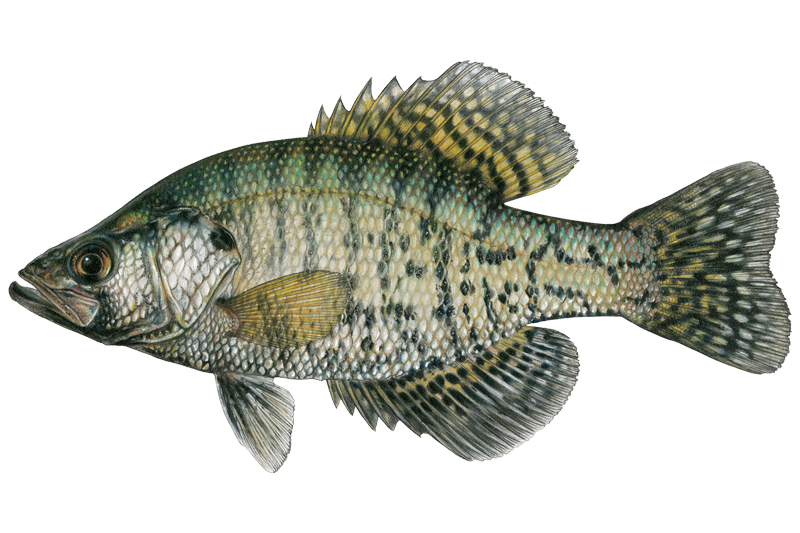
White crappie are found statewide throughout Illinois waters, making them one of the most accessible gamefish in the Prairie State. They're more tolerant of turbid waters than black crappie and often outnumber them in murky conditions.
Scientific Name: Pomoxis annularis
Also known as papermouths
- They average 9 inches in Illinois with the state record weighing 4 pounds 7 ounces (1973).
- White crappie can be distinguished from black crappie by their 5-10 dark vertical bars along their sides and 5-6 dorsal fin spines (versus 7-8 in black crappie).
Fishing in Illinois
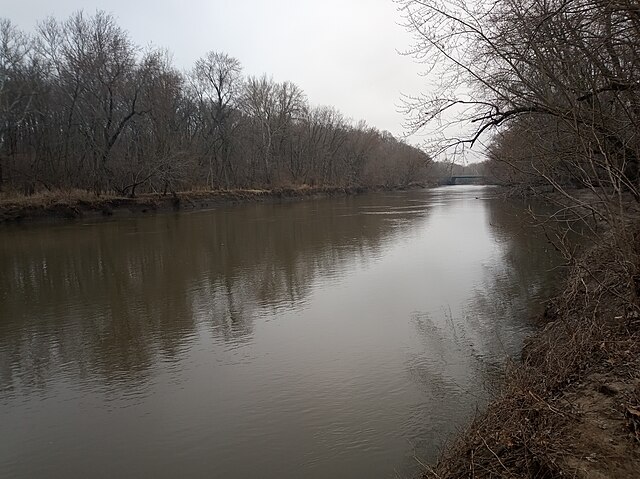
Sangamon River
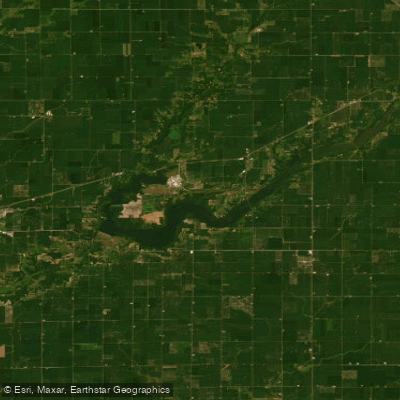
Lake Clinton
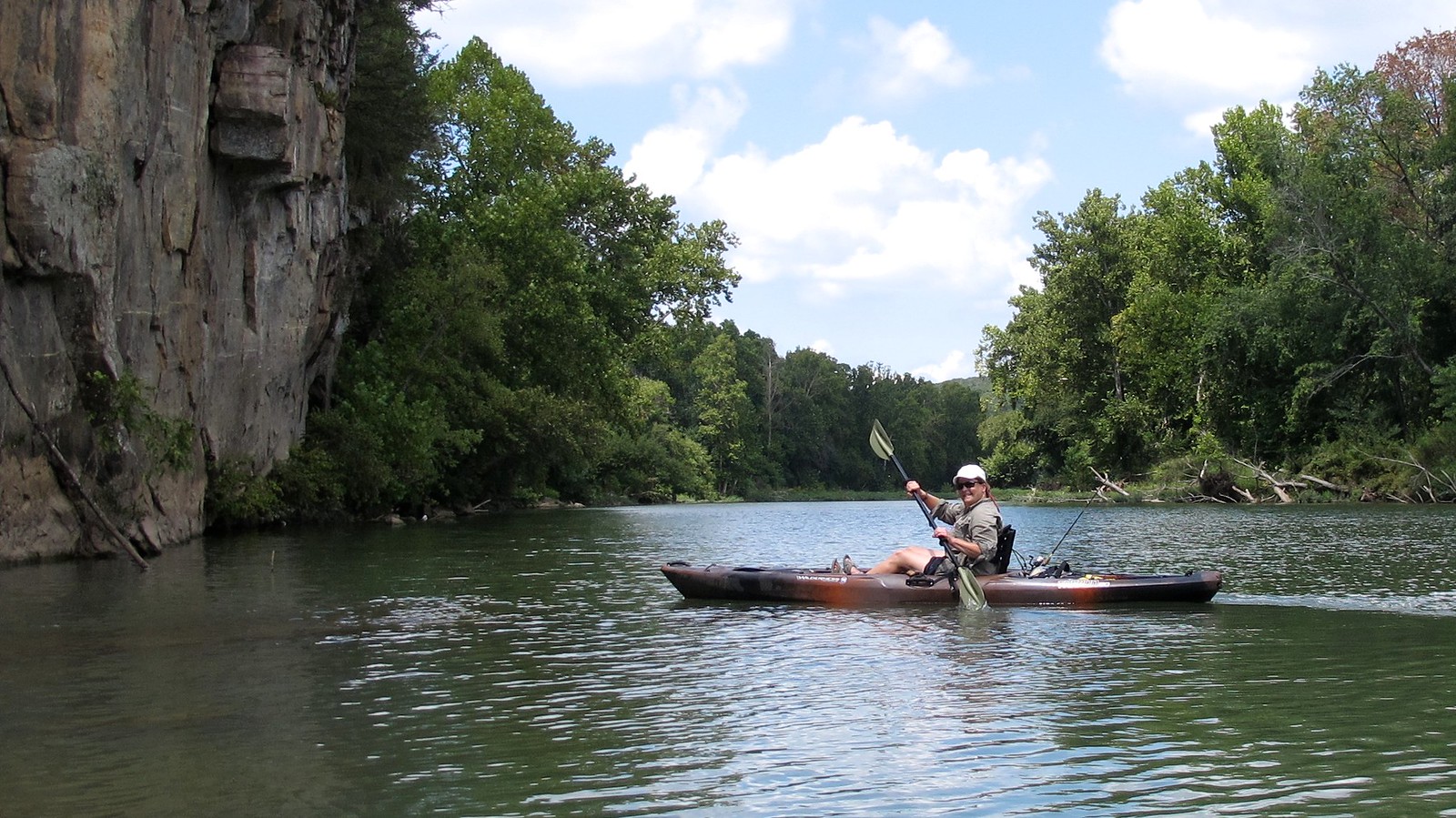
Illinois River
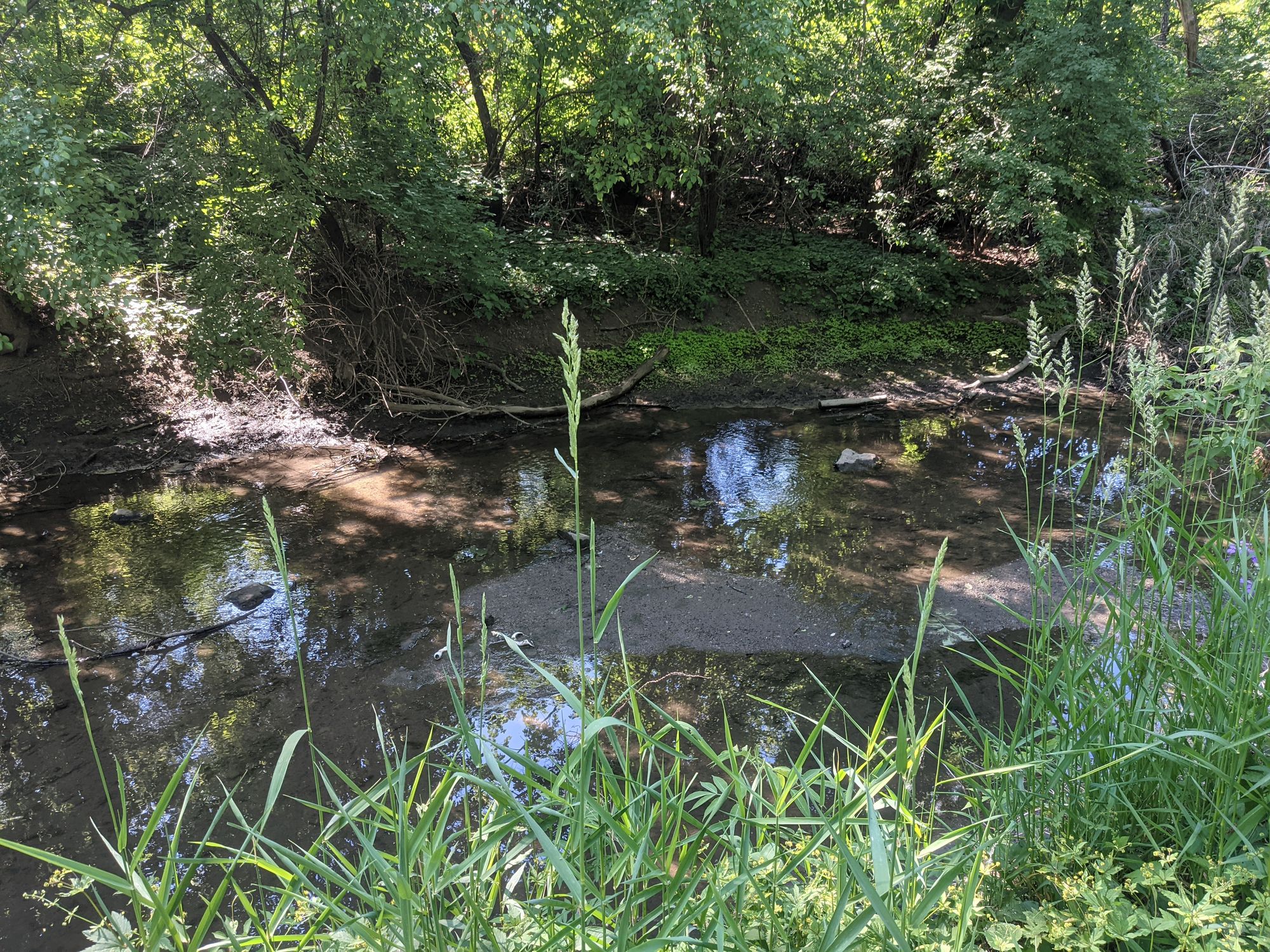
Salt Creek
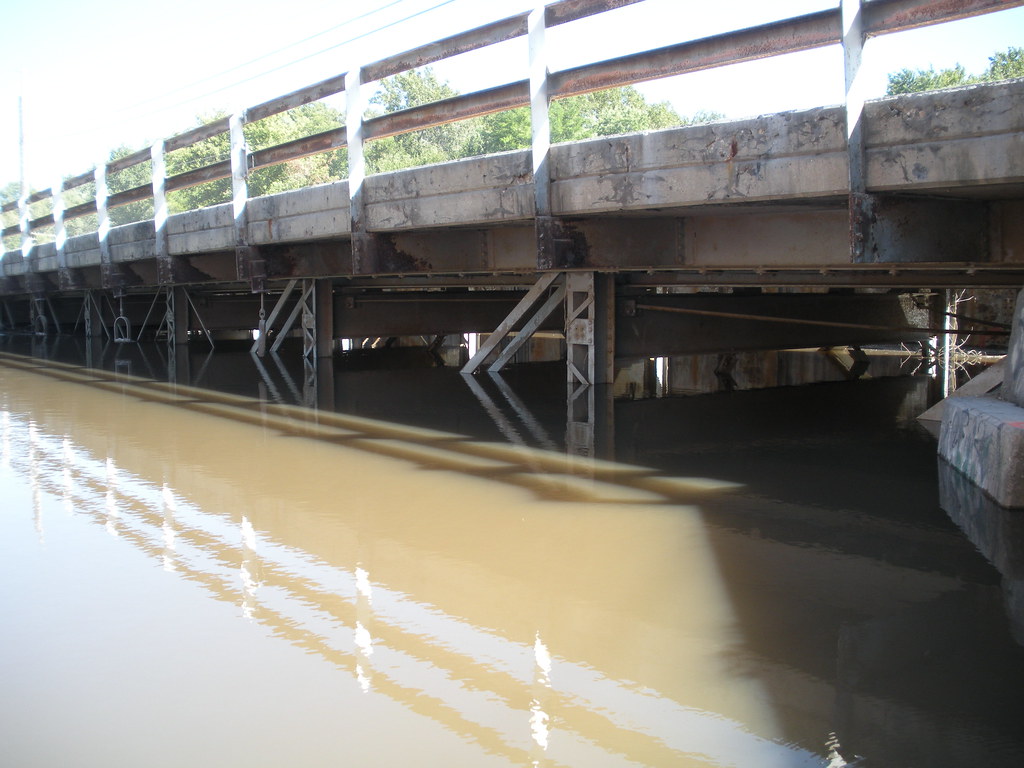
Vermilion River
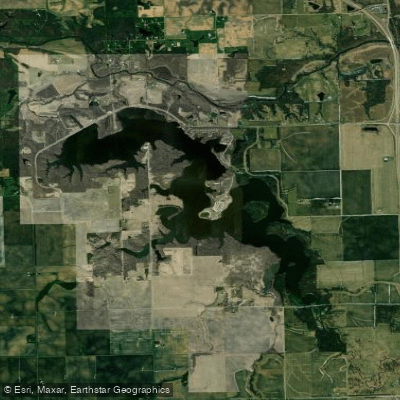
Evergreen Lake
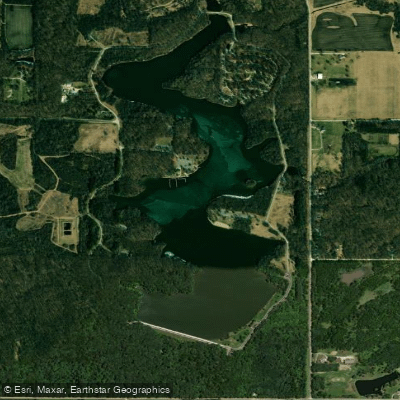
Dawson Lake
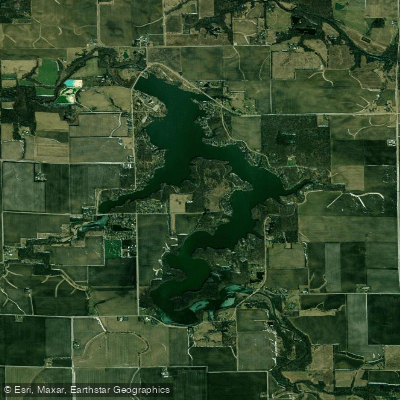
Lake Bloomington
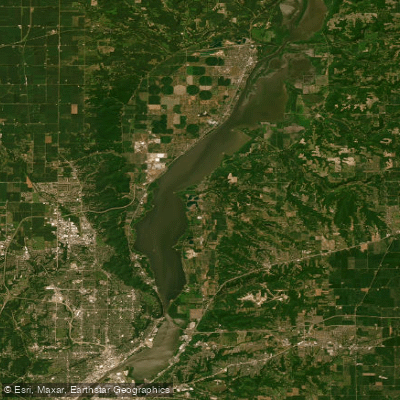
Upper Peoria Lake
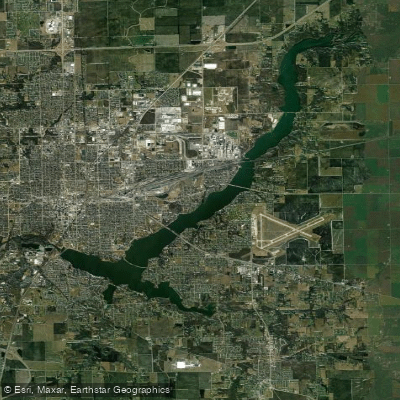
Lake Decatur
What to know
Habitat Distribution
- White crappie inhabit ponds, lakes, bayous, and sand- or mud-bottomed pools and backwaters of creeks throughout Illinois.
Key Locations
- Prime Illinois waters include Clinton Lake, Rend Lake, Lake Shelbyville, Crab Orchard Lake, Shabbona Lake, Mississippi River backwaters (Pool 13), and Clinton Lake.
Specific Spots
- Target structure including submerged brush, standing timber, fallen trees, rocky areas, transition zones where terrain changes from muddy to rocky, and areas around docks with brush piles underneath.
White Crappie FAQ
Answers from onWater's species guide.
What are the best lures and bait for White Crappie in Illinois?
Live minnows are the most effective bait, fished on size 2-6 straight shank crappie hooks with slip or clip bobbers. For artificials, use 1/32 to 1/8 ounce jig heads with minnow-imitating plastics in natural white with silver flake for clear water, or chartreuse/purple for murky water.
When is the best time to fish for White Crappie in Illinois?
Best time is during spring (March-May) when they're schooled up and aggressive. They feed heavily in preparation for winter during fall months. In spring, focus on shallow spawning areas with hard bottoms, then move to deeper brush piles (15-25 feet) during summer heat.
How do you catch White Crappie in Illinois?
Productive techniques include vertical jigging near brush piles, bobber fishing with slip floats for suspended fish, and casting small lures around cover. For fly fishing, use small streamers, nymphs, and poppers during spring near shoreline structure.
What do White Crappie eat?
Their diet consists primarily of smaller fish like minnows, but also includes aquatic insect larvae, worms, and crustaceans. In Illinois specifically, they feast on American gizzard shad.
Where do White Crappie live in Illinois?
White crappie inhabit ponds, lakes, bayous, and sand- or mud-bottomed pools and backwaters of creeks throughout Illinois.
Fish smarter with real-time insights
Whether you're en route and conditions shift or you're looking for the best spot based on current flows, we enable you to make informed decisions on the fly.




See it in the app
Most maps show you water.
onWater shows you White Crappie.



- 01 · Species map filter
Map every White Crappie water
Pick White Crappie and the map zeroes in on the waters they call home. No more guessing which lake holds them.
- 02 · Waterbody species
Tap any water. See what lives there.
Species, behavior and seasonal patterns for every lake, river and pond, before you leave the driveway.
- 03 · Angler Intelligence
Ask how to catch White Crappie
Tactics, gear and timing from onWater's AI fishing guide, tuned to the species and the water you're on.
Stop guessing where White Crappie are.
Open the map, filter by White Crappie, and head to water that holds them. Download onWater and plan your next trip in minutes.
- Species map filter
- Angler Intelligence
- Fishing journal
Explore other species
Trout, bass, salmon, panfish and everything in between. Each guide unpacks the behavior, seasons, and tactics that put fish in the net.
No species information available.
Illinois licenses and regulations
Explore nearby waters
Explore Illinois waters
Top fishing waters
Popular Cities
Loading popular cities...

Smarter Fishing Starts in the App.
onWater Fish gives you everything you need to plan smarter, fish better, and own every trip from first cast to last.