Redfin Pickerel

The Redfin Pickerel (Esox americanus americanus) is a common native species throughout Illinois, inhabiting lakes, streams, marshes, and swamps where it prefers clear water with abundant aquatic vegetation.
This small member of the pike family is a visual hunter that uses ram-style ambush tactics, hiding in vegetation until prey approaches within striking range.
Scientific Name: Esox americanus americanus
Averages 9 inches in length but can reach up to 15 inches and weigh up to three-quarters of a pound. Distinguished by its distinctive bright red fins, duck-bill shaped snout, yellow eyes, and dark vertical bars along a green to brown body.
Lacks the chain-like markings of its larger cousin, the Chain Pickerel.
Fishing in Illinois
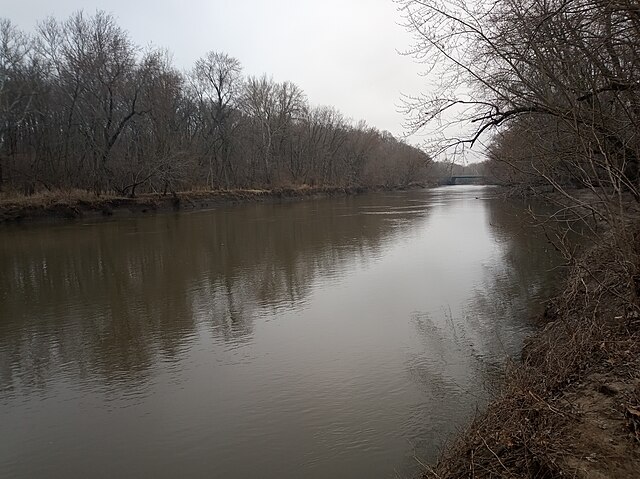
Sangamon River
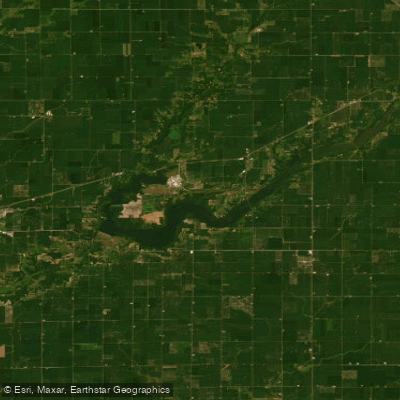
Lake Clinton
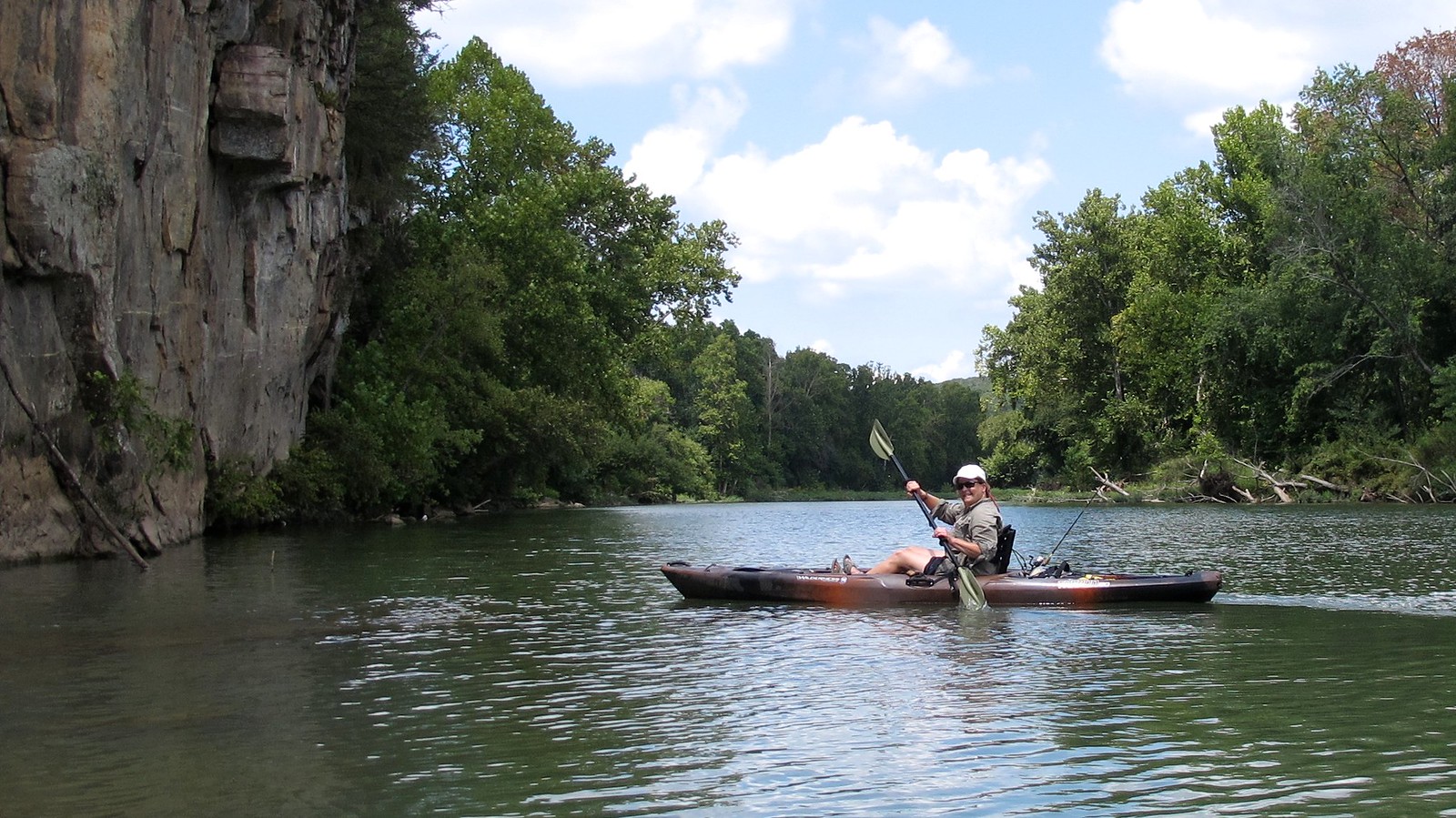
Illinois River
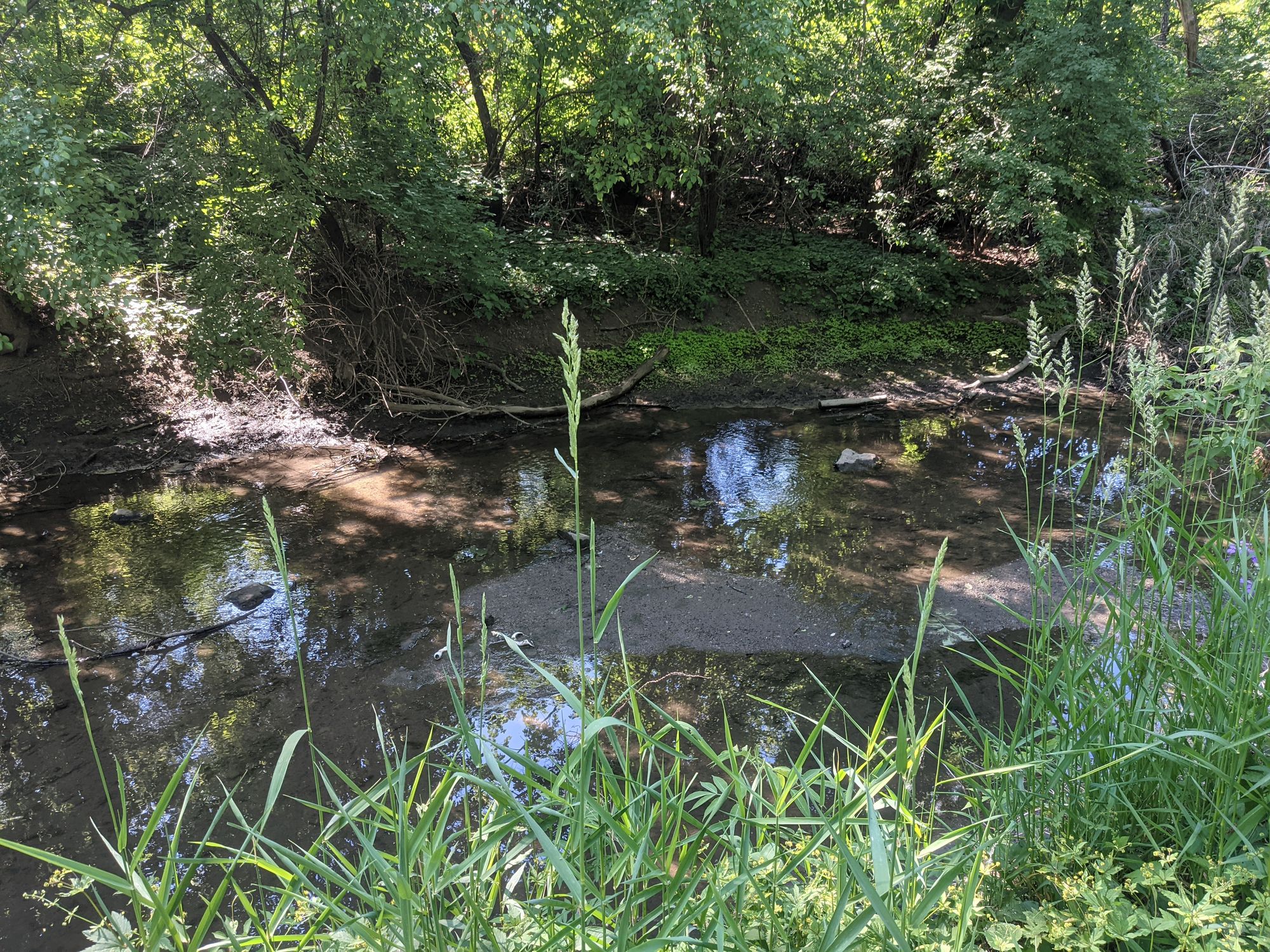
Salt Creek
Vermilion River
Evergreen Lake
Dawson Lake
Lake Bloomington
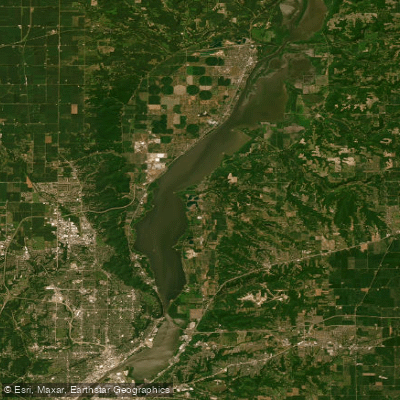
Upper Peoria Lake
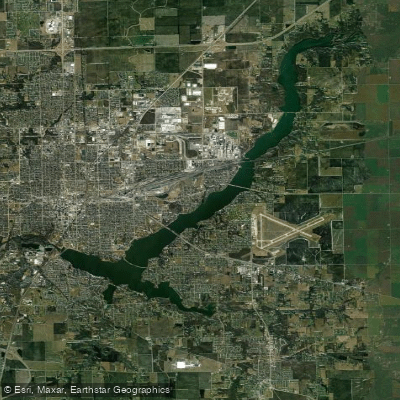
Lake Decatur
What to know
Habitat Distribution
Lakes, streams, marshes, and swamps where it prefers clear water with abundant aquatic vegetationKey Locations
Throughout IllinoisSpecific Spots
Prime locations include vegetated areas of lakes, swamps, backwaters, and slow-moving stream pools. Fish depths of 2-6 feet around weed beds, fallen timber, and areas with dense decaying organic matter. Fish can be caught in extremely shallow water - sometimes just inches deep.Redfin Pickerel FAQ
Answers from onWater's species guide.
What are the best lures and bait for Redfin Pickerel in Illinois?
Small inline spinners (particularly Rooster Tail spinners), casting spoons, small soft plastic baits, poppers, walkers, and frog patterns. Small minnows, live ghost shrimp, small crayfish, crickets, and earthworms.
When is the best time to fish for Redfin Pickerel in Illinois?
Summer months when they're most active. They spawn from March through April when water temperatures reach 39-65°F. During spawning season, avoid targeting these fish to protect reproductive populations.
How do you catch Redfin Pickerel in Illinois?
Work lures with erratic retrieves that mimic struggling baitfish or injured prey. Small minnows fished under a bobber or float work exceptionally well, suspended just above weed growth. Alternative methods include using long-handled dip nets dragged through heavy cover or placing minnow traps in narrow stream passages.
What do Redfin Pickerel eat?
Feeds primarily on smaller fish including mottled sculpin, johnny darter, and various minnows, supplemented by crayfish, aquatic insects (particularly dragonfly larvae), and tadpoles. Juveniles under 50mm rely heavily on small crustaceans and insect larvae.
Where do Redfin Pickerel live in Illinois?
Lakes, streams, marshes, and swamps where it prefers clear water with abundant aquatic vegetation
Fish smarter with real-time insights
Whether you're en route and conditions shift or you're looking for the best spot based on current flows, we enable you to make informed decisions on the fly.




See it in the app
Most maps show you water.
onWater shows you Redfin Pickerel.



- 01 · Species map filter
Map every Redfin Pickerel water
Pick Redfin Pickerel and the map zeroes in on the waters they call home. No more guessing which lake holds them.
- 02 · Waterbody species
Tap any water. See what lives there.
Species, behavior and seasonal patterns for every lake, river and pond, before you leave the driveway.
- 03 · Angler Intelligence
Ask how to catch Redfin Pickerel
Tactics, gear and timing from onWater's AI fishing guide, tuned to the species and the water you're on.
Stop guessing where Redfin Pickerel are.
Open the map, filter by Redfin Pickerel, and head to water that holds them. Download onWater and plan your next trip in minutes.
- Species map filter
- Angler Intelligence
- Fishing journal
Explore other species
Trout, bass, salmon, panfish and everything in between. Each guide unpacks the behavior, seasons, and tactics that put fish in the net.
No species information available.
Illinois licenses and regulations
Explore nearby waters
Explore Illinois waters
Top fishing waters
Popular Cities
Loading popular cities...

Smarter Fishing Starts in the App.
onWater Fish gives you everything you need to plan smarter, fish better, and own every trip from first cast to last.