White Crappie
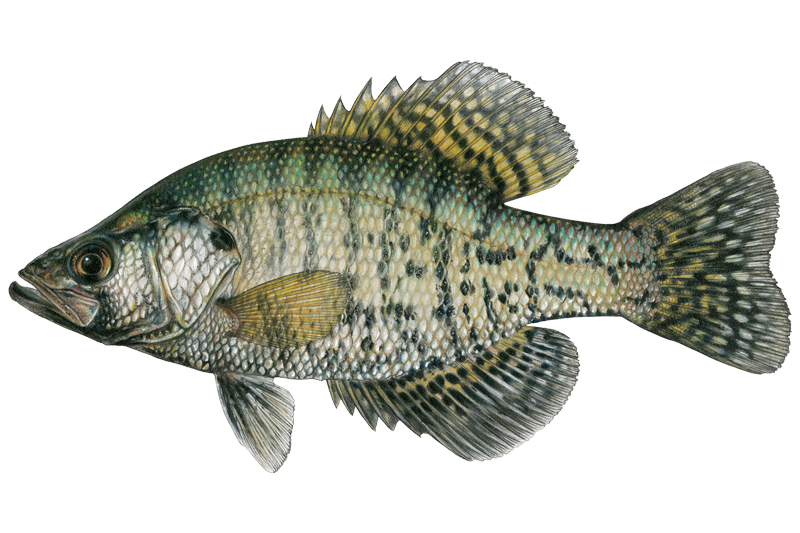
White Crappie in Georgia are silvery fish with 5-10 dark vertical bars along their bodies, distinguishable from Black Crappie by having 5-6 dorsal fin spines versus 7-8.
Georgia's White Crappie populations are currently stable and doing well statewide, with the species being more tolerant of turbid waters than Black Crappie and generally outnumbering them in muddy conditions and areas with little rooted vegetation.
Scientific Name: Pomoxis annularis
- Silvery fish with 5-10 dark vertical bars along their bodies, distinguishable from Black Crappie by having 5-6 dorsal fin spines versus 7-8.
- They typically reach 9-10 inches in length, weigh 1/2 to 3/4 pound on average, with some specimens reaching 1.5-2 pounds.
Fishing in Georgia
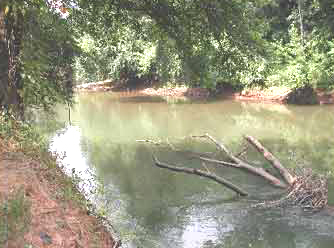
Ocmulgee River
Lake Sinclair
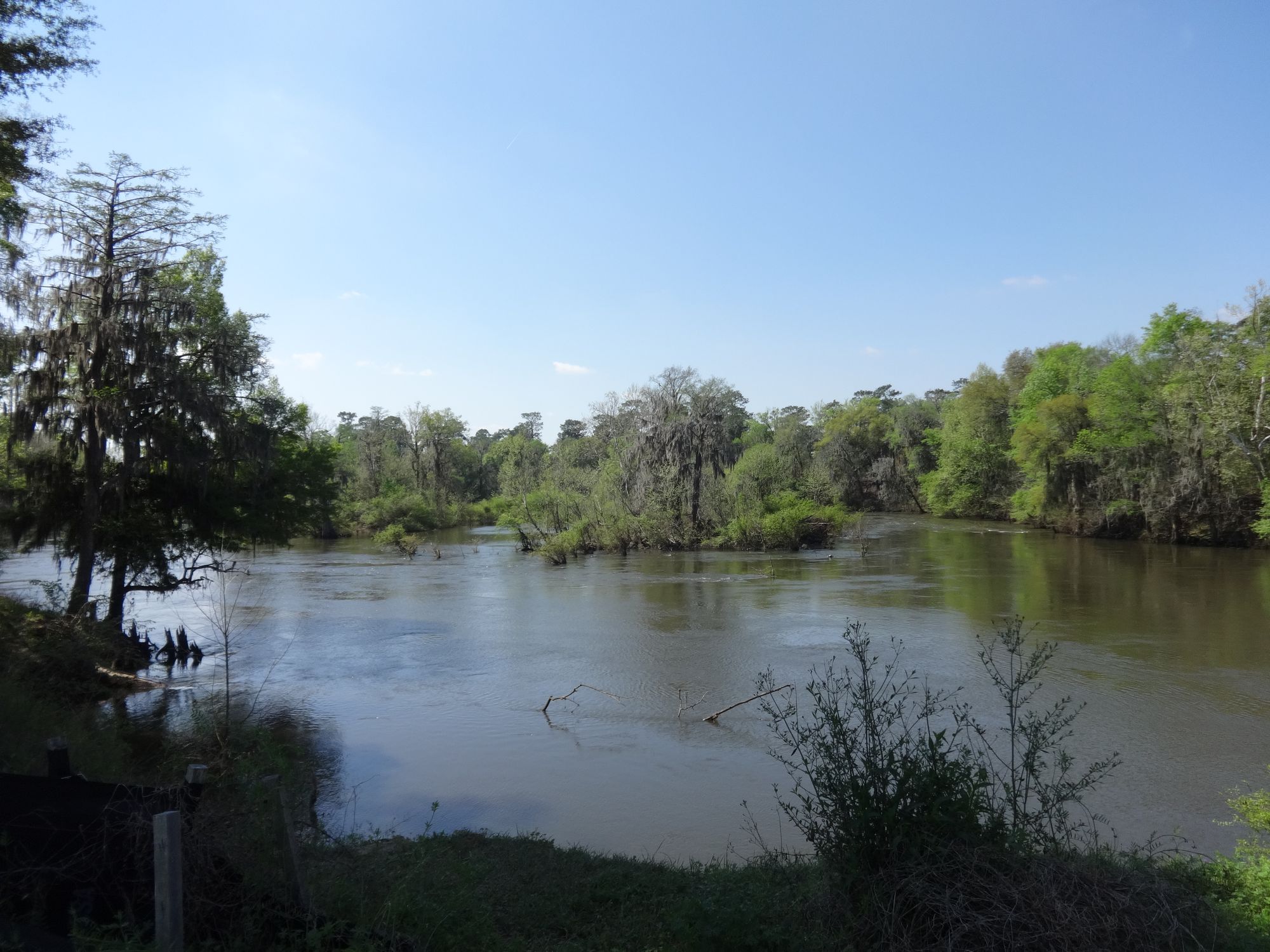
Flint River
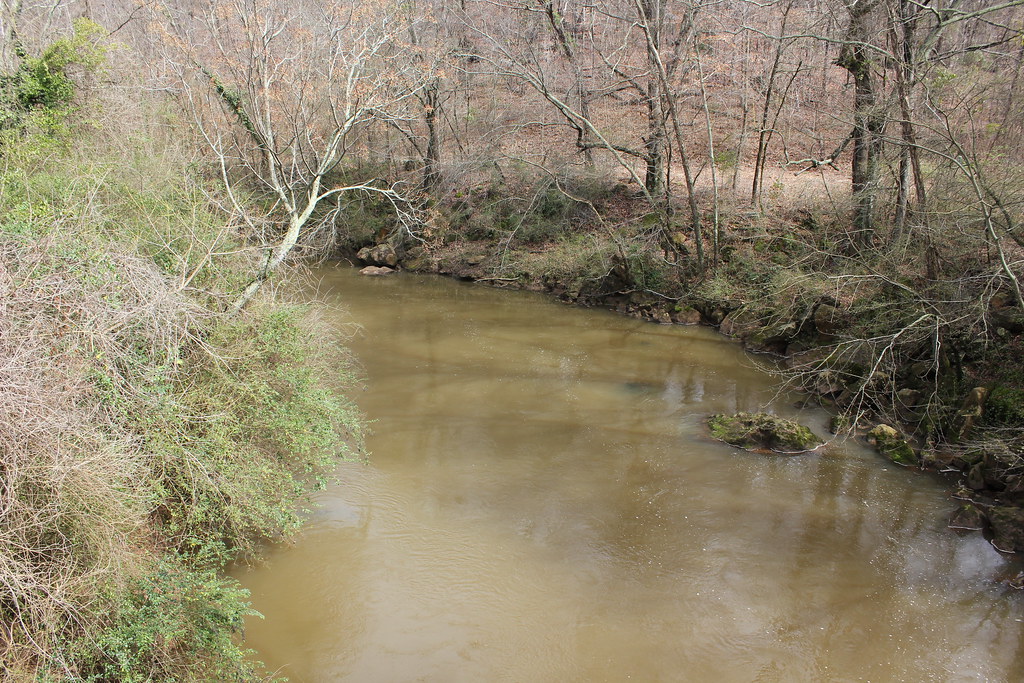
Oconee River
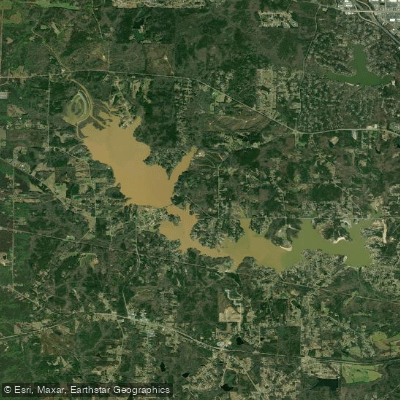
Lake Tobesofkee
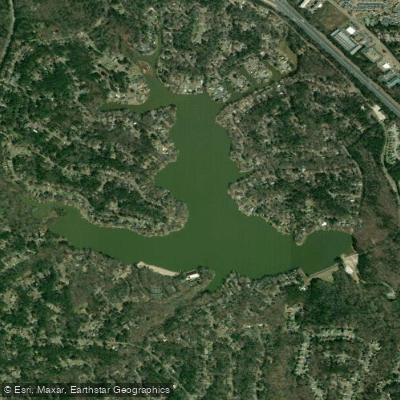
Lake Wildwood
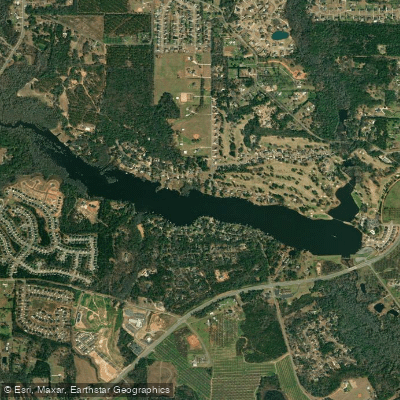
Houston Lake
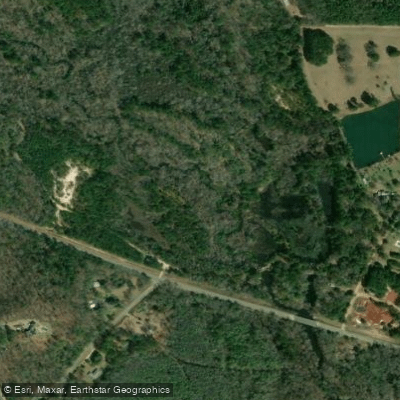
Housers Millpond
Rocky Creek
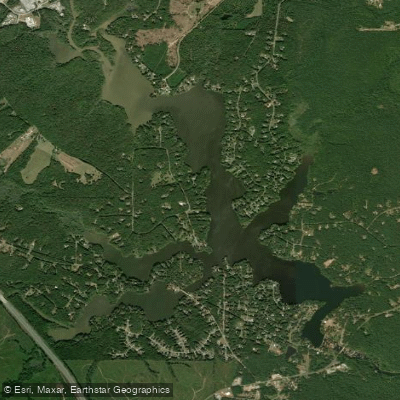
High Falls Lake
What to know
Habitat Distribution
- Inhabit large rivers, reservoirs, and lakes throughout Georgia, preferring areas with submerged structures like brush piles, stumps, standing timber, and docks.
Key Locations
- Major reservoirs like Lake Lanier, Lake Allatoona, Lake Hartwell, Lake Oconee, Lake Blackshear, and West Point Lake.
- Key locations include the Etowah River arm on Allatoona (Kellogg, Illinois, Sixes, and Sweetwater creeks), upper ends of Lick and Sugar creeks on Lake Oconee, and various creek arms and standing timber areas on Hartwell and other major impoundments.
Specific Spots
- Areas with submerged structures including brush piles, standing timber, stumps, and docks in 6-12 feet of water during daylight hours, moving to open water during mornings and evenings.
- In 6-20 feet of water for fishing.
- Shallow backwaters, creek arms, and protected bays during spring.
White Crappie FAQ
Answers from onWater's species guide.
What flies work for White Crappie in Georgia?
Clouser Minnows (especially with chartreuse), Woolly Buggers, small streamers, Slumpbusters, and EP fiber baitfish patterns. Poppers work well for surface action during summer.
When is the best time to fish for White Crappie in Georgia?
Prime fishing occurs during spring (April-May) when water temperatures reach 68-72°F, providing peak activity during and after the spawn. Water temperatures in the 60s indicate optimal pre-spawn feeding, while post-spawn periods in late spring offer aggressive feeding before fish disperse to deeper summer haunts.
How do you catch White Crappie in Georgia?
Casting small 1/16-ounce jigs with soft plastic bodies, fishing minnows under bobbers, vertical jigging in deeper water, and spider rigging with multiple rods. Target shallow backwaters, creek arms, and protected bays during spring, then move to deeper structures during summer.
What do White Crappie eat?
Diet consists primarily of zooplankton and small invertebrates during their first year, transitioning to small fish like minnows and young American shad, plus larger invertebrates like crayfish as adults.
Where do White Crappie live in Georgia?
Inhabit large rivers, reservoirs, and lakes throughout Georgia, preferring areas with submerged structures like brush piles, stumps, standing timber, and docks.
Fish smarter with real-time insights
Whether you're en route and conditions shift or you're looking for the best spot based on current flows, we enable you to make informed decisions on the fly.




See it in the app
Most maps show you water.
onWater shows you White Crappie.



- 01 · Species map filter
Map every White Crappie water
Pick White Crappie and the map zeroes in on the waters they call home. No more guessing which lake holds them.
- 02 · Waterbody species
Tap any water. See what lives there.
Species, behavior and seasonal patterns for every lake, river and pond, before you leave the driveway.
- 03 · Angler Intelligence
Ask how to catch White Crappie
Tactics, gear and timing from onWater's AI fishing guide, tuned to the species and the water you're on.
Stop guessing where White Crappie are.
Open the map, filter by White Crappie, and head to water that holds them. Download onWater and plan your next trip in minutes.
- Species map filter
- Angler Intelligence
- Fishing journal
Explore other species
Trout, bass, salmon, panfish and everything in between. Each guide unpacks the behavior, seasons, and tactics that put fish in the net.
No species information available.
Georgia licenses and regulations
Explore nearby waters
Explore Georgia waters
Top fishing waters
Popular Cities
Loading popular cities...

Smarter Fishing Starts in the App.
onWater Fish gives you everything you need to plan smarter, fish better, and own every trip from first cast to last.