Smallmouth Buffalo

The Smallmouth Buffalo (Ictiobus bubalus) is a large, robust freshwater fish in the sucker family (Catostomidae) that's native to North America but not native to Georgia waters.
This species has been introduced to various Georgia water bodies and appears on the Georgia Department of Natural Resources fish identification guide.
Scientific Name: Ictiobus bubalus
- Smallmouth Buffalo are characterized by their deep, laterally compressed body with bronze or grayish-brown coloration, small subterminal mouth that's horizontally oriented, and stocky build with a pronounced hump rising from the operculum.
- Adults typically reach 40-60 cm (16-24 inches) in length, though specimens can grow much larger, reaching over 30 inches and 30+ pounds.
Fishing in Georgia
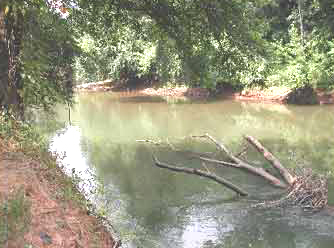
Ocmulgee River
Lake Sinclair
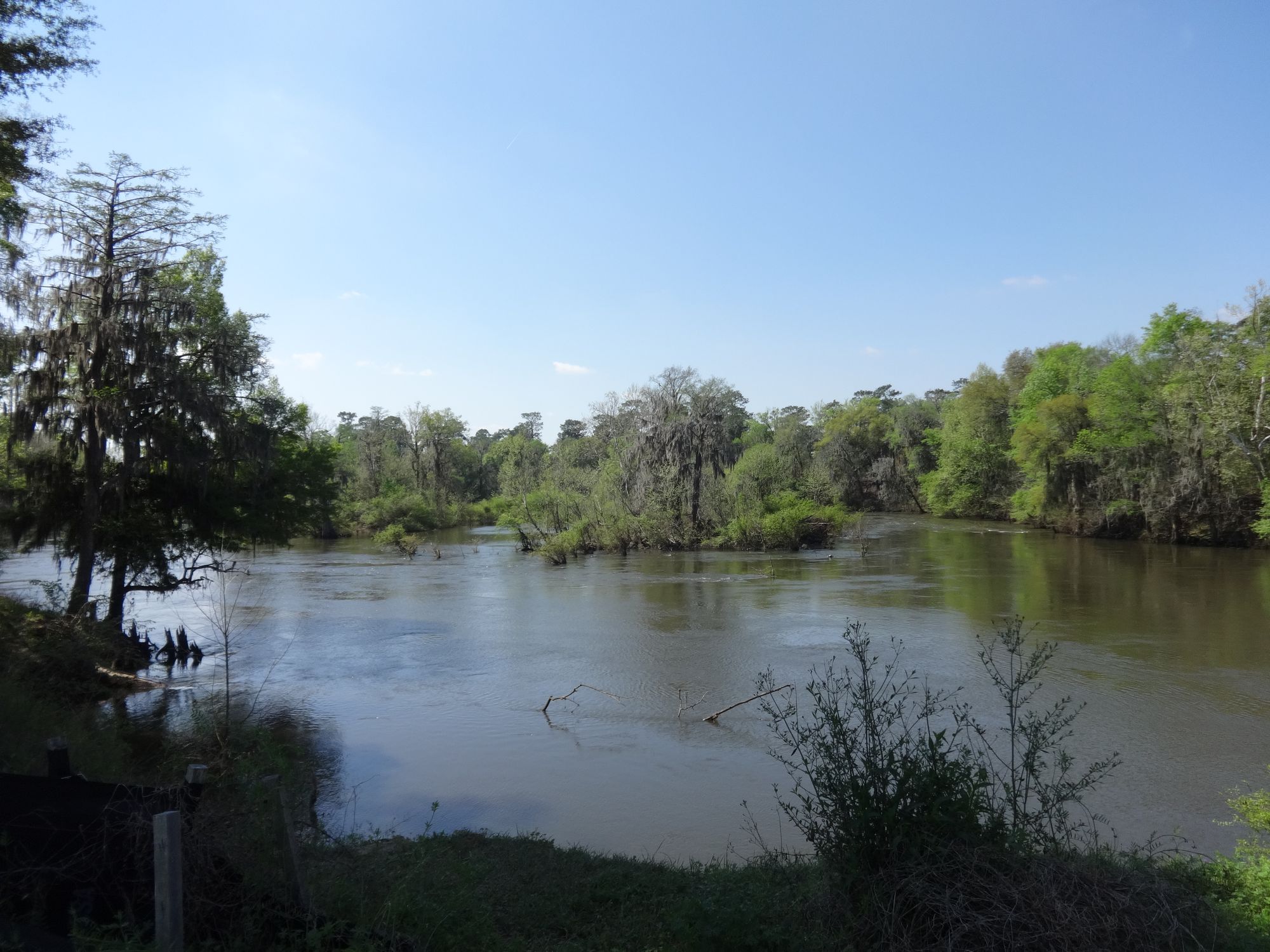
Flint River
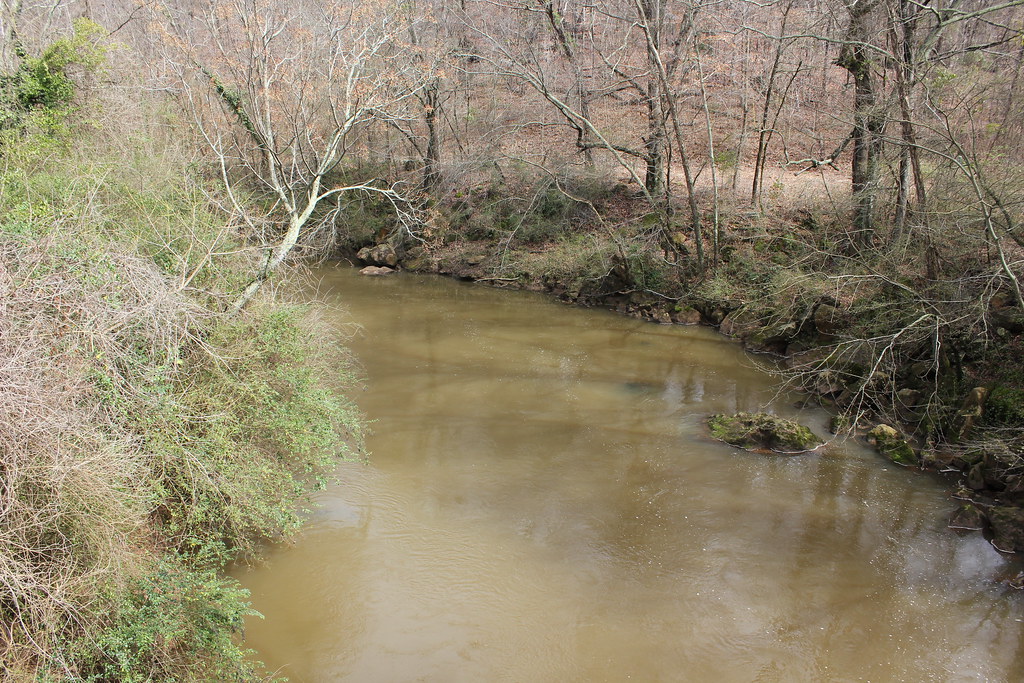
Oconee River
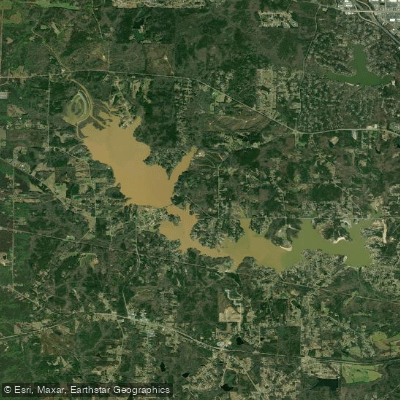
Lake Tobesofkee
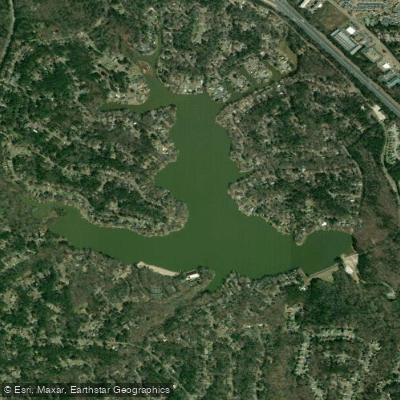
Lake Wildwood
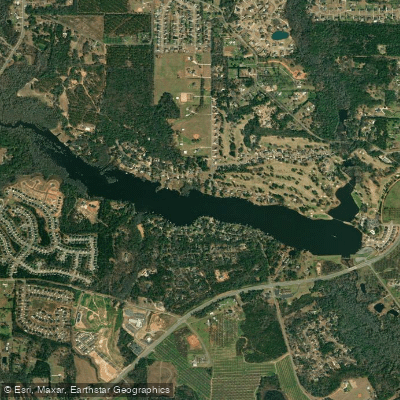
Houston Lake
Housers Millpond
Rocky Creek
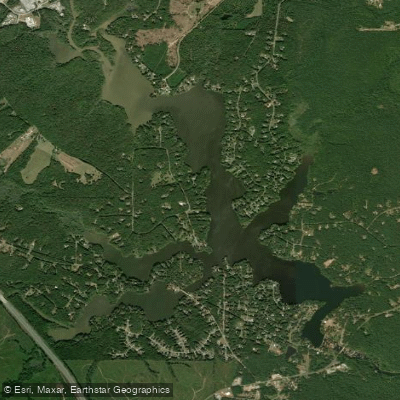
High Falls Lake
What to know
Habitat Distribution
- Smallmouth Buffalo prefer slow-moving waters with dense aquatic vegetation and silty bottoms, including rivers, lakes, and reservoirs.
Key Locations
- In Georgia waters, concentrate efforts on rivers, lakes, and reservoirs that have suitable habitat conditions.
Specific Spots
- Target areas with slow-moving water, muddy or silty bottoms, and dense aquatic vegetation.
- Look for areas with abundant organic matter where they can forage effectively.
Smallmouth Buffalo FAQ
Answers from onWater's species guide.
What are the best lures and bait for Smallmouth Buffalo in Georgia?
Effective baits include nightcrawlers, dough balls, cut bait, corn, beans, peas, and blood worms.
What flies work for Smallmouth Buffalo in Georgia?
Carp-style patterns - when fishing in clear water, use olive and brown flies to match the bottom, while in stained or off-colored water, use bright colors like pink, orange, or chartreuse to maintain visibility.
When is the best time to fish for Smallmouth Buffalo in Georgia?
Most productive during non-spawning periods, avoiding the April-June spawning season. Spawning occurs in spring (typically April to early June) when water temperatures reach 15.6-18.3°C (60-65°F), with peak spawning often in mid-April when waters range from 59-62°F.
How do you catch Smallmouth Buffalo in Georgia?
Still fishing and drift fishing techniques using baits presented near or on the bottom. Present flies quietly in the fish's feeding path and move them just enough to get attention - sometimes a small wiggle is all needed for them to take interest. Position baits where fish can easily find them while bottom feeding.
What do Smallmouth Buffalo eat?
These fish are primarily detritivores, using their ventral sucker mouth to feed on organic matter from the bottom, consuming zooplankton, insect larvae, mollusk larvae, small crustaceans, algae, and detritus. They're opportunistic feeders that consume whatever organisms are most abundant in their environment.
Fish smarter with real-time insights
Whether you're en route and conditions shift or you're looking for the best spot based on current flows, we enable you to make informed decisions on the fly.




See it in the app
Most maps show you water.
onWater shows you Smallmouth Buffalo.



- 01 · Species map filter
Map every Smallmouth Buffalo water
Pick Smallmouth Buffalo and the map zeroes in on the waters they call home. No more guessing which lake holds them.
- 02 · Waterbody species
Tap any water. See what lives there.
Species, behavior and seasonal patterns for every lake, river and pond, before you leave the driveway.
- 03 · Angler Intelligence
Ask how to catch Smallmouth Buffalo
Tactics, gear and timing from onWater's AI fishing guide, tuned to the species and the water you're on.
Stop guessing where Smallmouth Buffalo are.
Open the map, filter by Smallmouth Buffalo, and head to water that holds them. Download onWater and plan your next trip in minutes.
- Species map filter
- Angler Intelligence
- Fishing journal
Explore other species
Trout, bass, salmon, panfish and everything in between. Each guide unpacks the behavior, seasons, and tactics that put fish in the net.
No species information available.
Georgia licenses and regulations
Explore nearby waters
Explore Georgia waters
Top fishing waters
Popular Cities
Loading popular cities...

Smarter Fishing Starts in the App.
onWater Fish gives you everything you need to plan smarter, fish better, and own every trip from first cast to last.