Bluegill
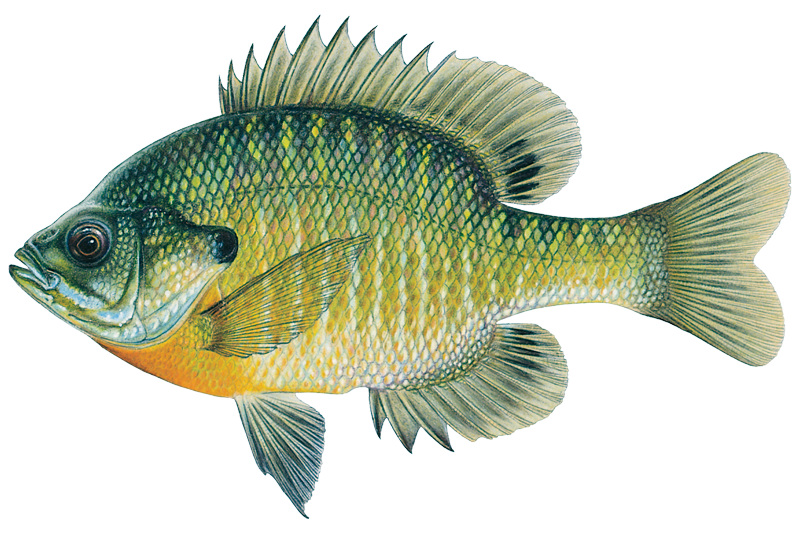
Bluegill are native to Georgia and found throughout the state in freshwater environments including lakes, ponds, reservoirs, and slow-moving streams. They're commonly called bream in Georgia and represent one of the most popular panfish species.
Scientific Name: Lepomis macrochirus
Also known as bream
Fishing in Georgia
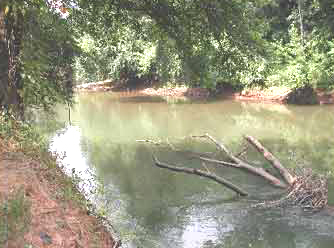
Ocmulgee River
Lake Sinclair
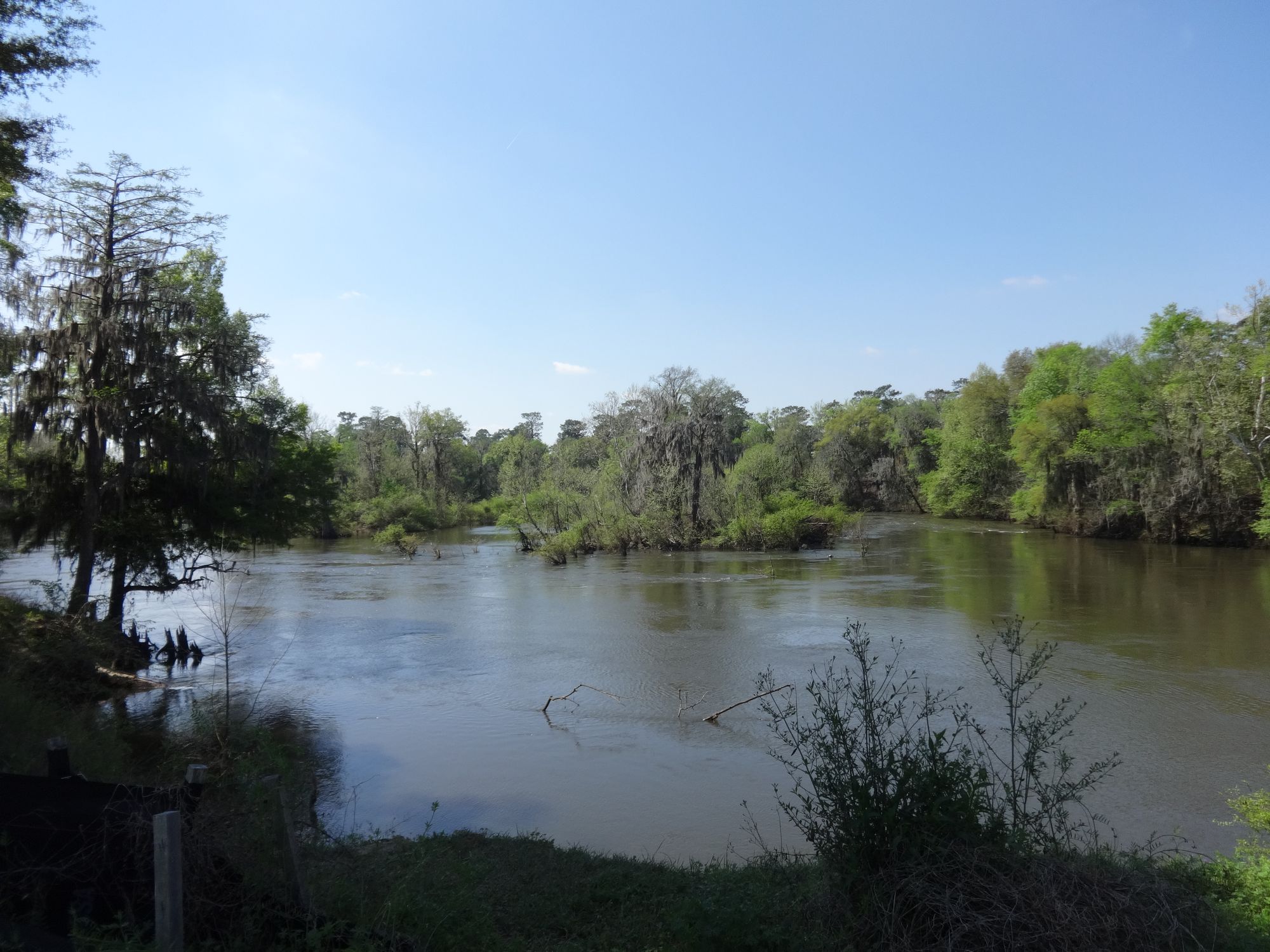
Flint River
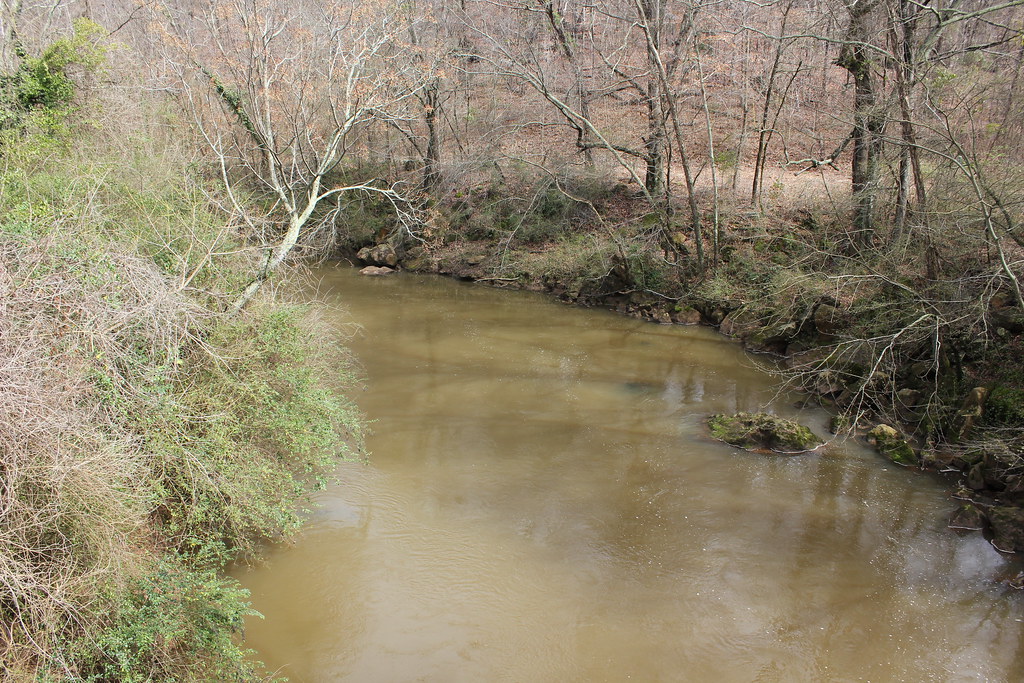
Oconee River
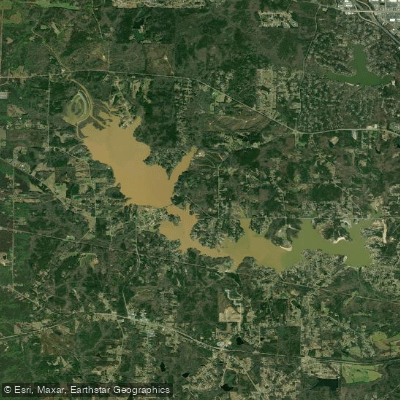
Lake Tobesofkee
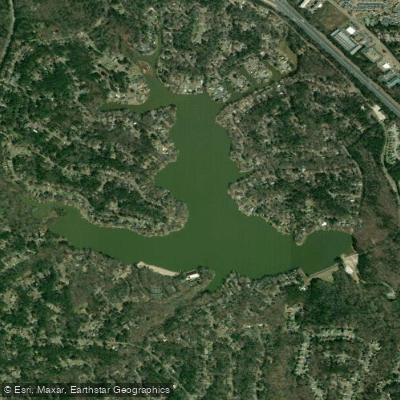
Lake Wildwood
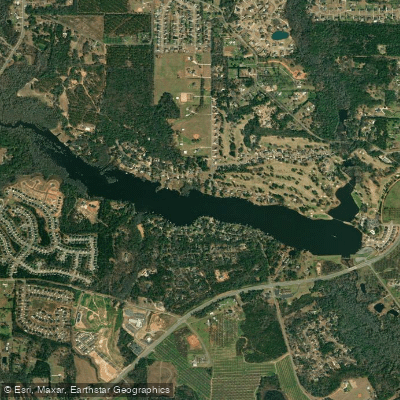
Houston Lake
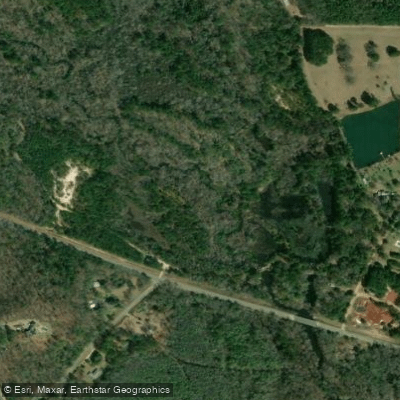
Housers Millpond
Rocky Creek
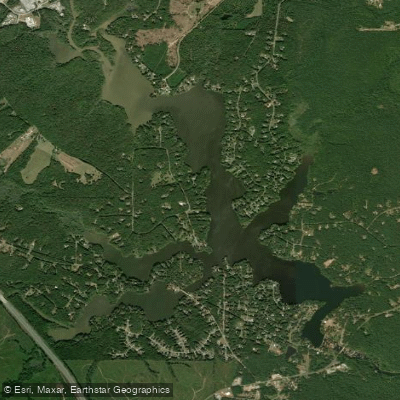
High Falls Lake
What to know
Habitat Distribution
- Georgia waters contain multiple subspecies, including coppernose bluegill (Lepomis macrochirus purpurascens) found in southern Georgia, which grow faster and larger than northern bluegill when managed properly with feeding programs.
- Georgia bluegill prefer calm, weedy waters with cover such as fallen trees, docks, brush piles, and aquatic vegetation.
Key Locations
- They inhabit major reservoirs like Lake Lanier, Lake Allatoona, Clarks Hill Lake, and Lake Seminole, as well as state park lakes throughout Georgia.
- Georgia's state parks offer excellent bluegill fishing opportunities, with many providing tackle loaner programs.
Specific Spots
- Focus on areas around docks, overhanging trees, weed lines, and brush piles.
Bluegill FAQ
Answers from onWater's species guide.
What are the best lures and bait for Bluegill in Georgia?
Essential live baits include red worms, nightcrawlers, crickets, and wax worms. Effective artificial lures include 1/32 to 1/16 ounce jigs with small grubs or spiders, small inline spinners (especially 1/16 ounce Rooster Tail with gold blade), tiny crankbaits, and small spoons like the 1/16 ounce Acme Phoebe in gold.
What flies work for Bluegill in Georgia?
Fly patterns including size 8-10 foam spiders (black, gray, or brown), Woolly Buggers in olive or black, small poppers in chartreuse, blue, and yellow, and Royal Coachman patterns.
When is the best time to fish for Bluegill in Georgia?
Spring is the prime time for bluegill fishing in Georgia, particularly after spawning concludes (typically after June). In summer, fish deeper water near structure as bluegill move to cooler depths.
How do you catch Bluegill in Georgia?
Use bobber rigs for shallow presentations or drop shot rigs for deeper water. Scale down all presentations to match the small mouth size of bluegill, and add small pieces of live bait to artificial lures for increased effectiveness.
What do Bluegill eat?
Bluegill are opportunistic feeders with a diet consisting primarily of aquatic and terrestrial insects, zooplankton, small crustaceans, snails, mollusks, and aquatic vegetation (up to 20% of their diet when insects are scarce).
Fish smarter with real-time insights
Whether you're en route and conditions shift or you're looking for the best spot based on current flows, we enable you to make informed decisions on the fly.




See it in the app
Most maps show you water.
onWater shows you Bluegill.



- 01 · Species map filter
Map every Bluegill water
Pick Bluegill and the map zeroes in on the waters they call home. No more guessing which lake holds them.
- 02 · Waterbody species
Tap any water. See what lives there.
Species, behavior and seasonal patterns for every lake, river and pond, before you leave the driveway.
- 03 · Angler Intelligence
Ask how to catch Bluegill
Tactics, gear and timing from onWater's AI fishing guide, tuned to the species and the water you're on.
Stop guessing where Bluegill are.
Open the map, filter by Bluegill, and head to water that holds them. Download onWater and plan your next trip in minutes.
- Species map filter
- Angler Intelligence
- Fishing journal
Explore other species
Trout, bass, salmon, panfish and everything in between. Each guide unpacks the behavior, seasons, and tactics that put fish in the net.
No species information available.
Georgia licenses and regulations
Explore nearby waters
Explore Georgia waters
Top fishing waters
Popular Cities
Loading popular cities...

Smarter Fishing Starts in the App.
onWater Fish gives you everything you need to plan smarter, fish better, and own every trip from first cast to last.