Spotted Sucker
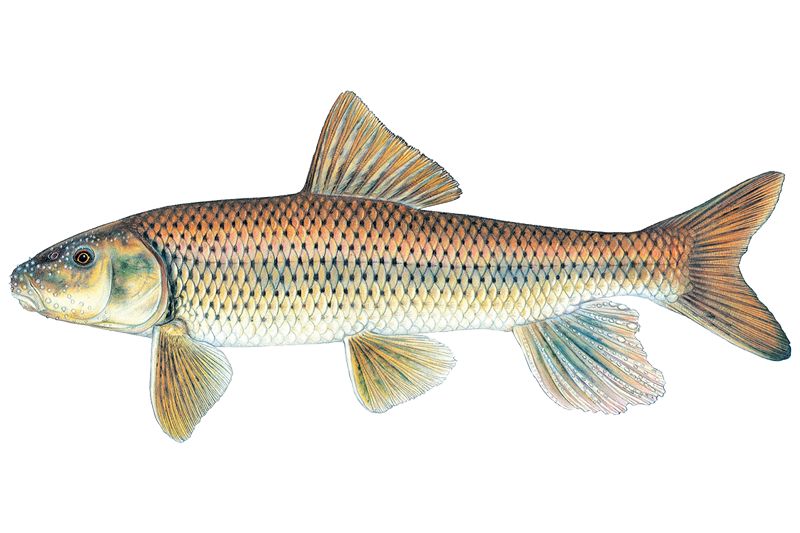
The Spotted Sucker is a medium-sized native freshwater fish found in northern Florida streams from the Perdido River to the Suwannee River.
They are extremely sensitive to water pollution and high turbidity, making their presence an excellent indicator of clean water quality. These fish have been eliminated from some Florida streams due to their intolerance of poor water quality.
Scientific Name: Minytrema melanops
- Distinguished by 8-12 parallel rows of dark spots on the base of each scale creating distinctive lengthwise stripes, they average 12-18 inches and can reach up to 19 inches and 2.6 pounds.
- Their bodies are bronze to olive-green with silver sides and white bellies, featuring protrusible sucker mouths adapted for bottom feeding.
Fishing in Florida
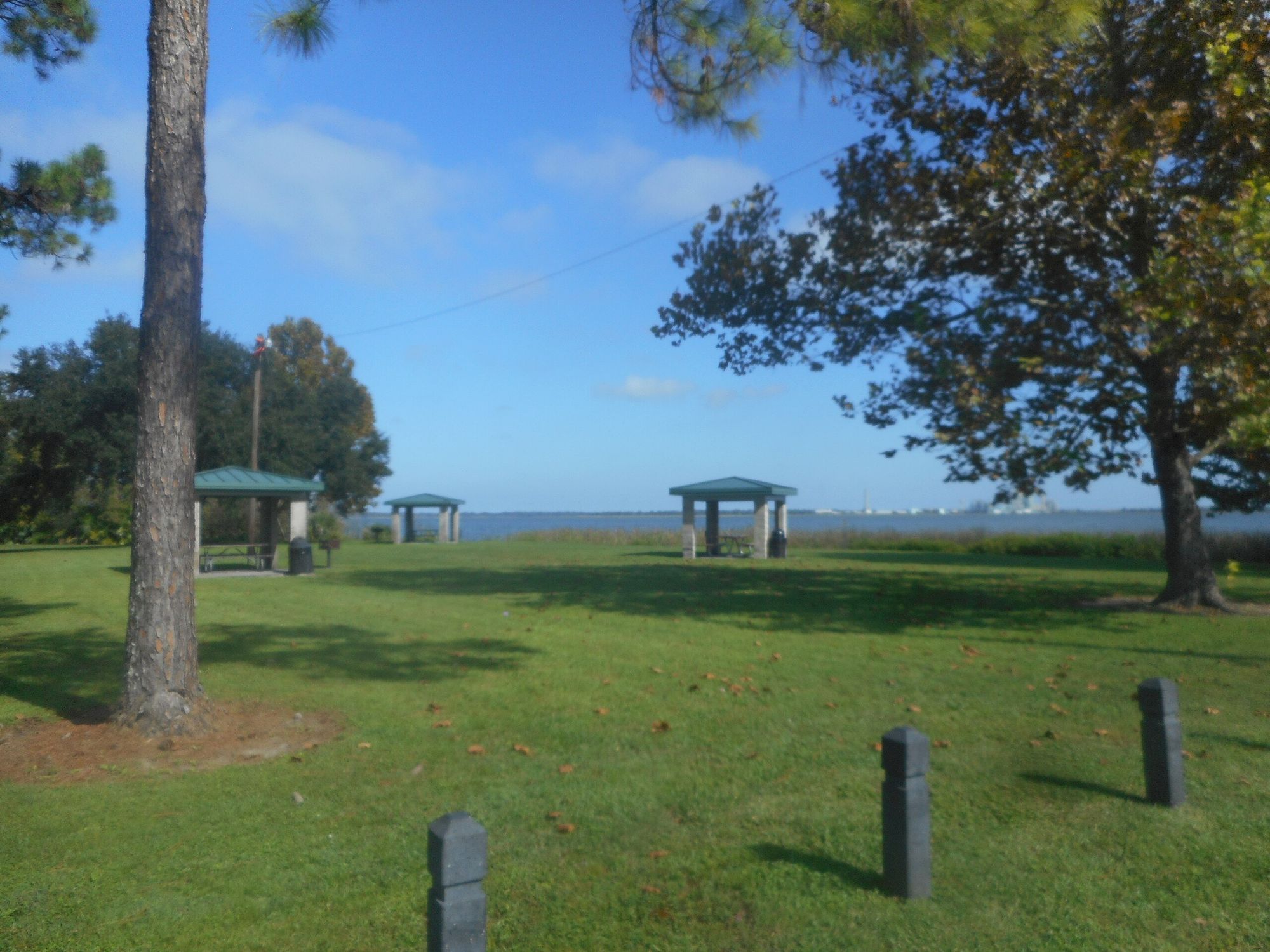
Lake Parker
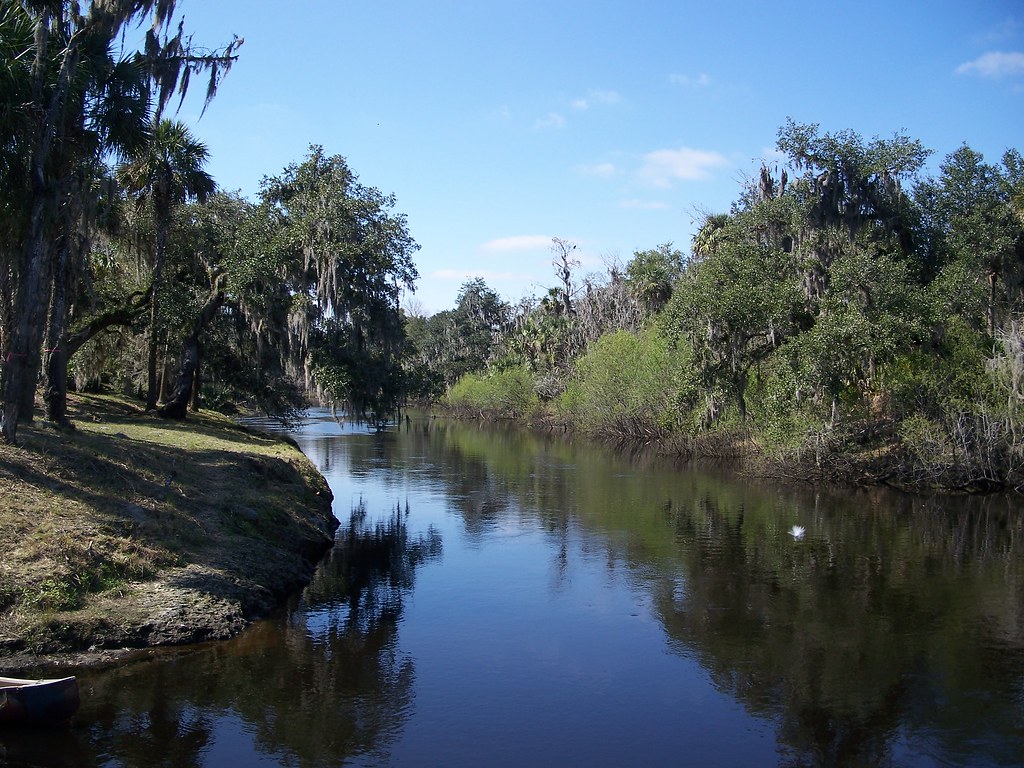
Peace River
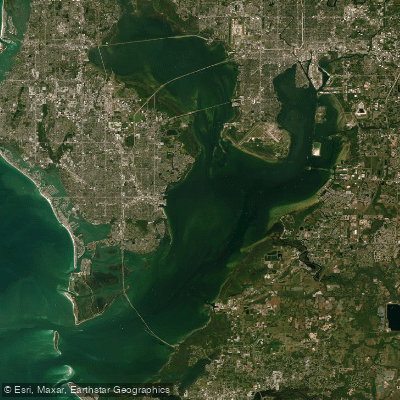
Tampa Bay
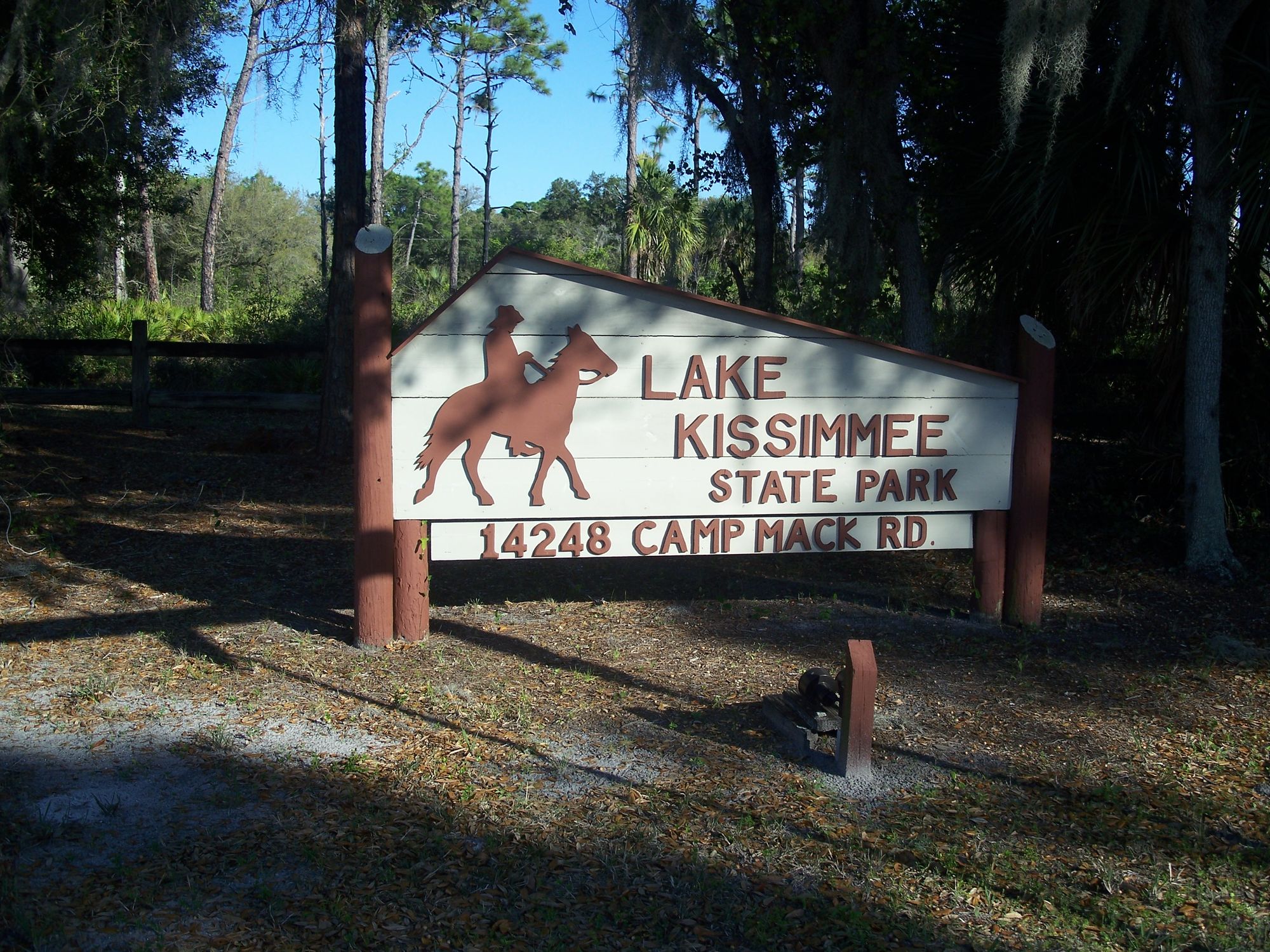
Lake Kissimmee
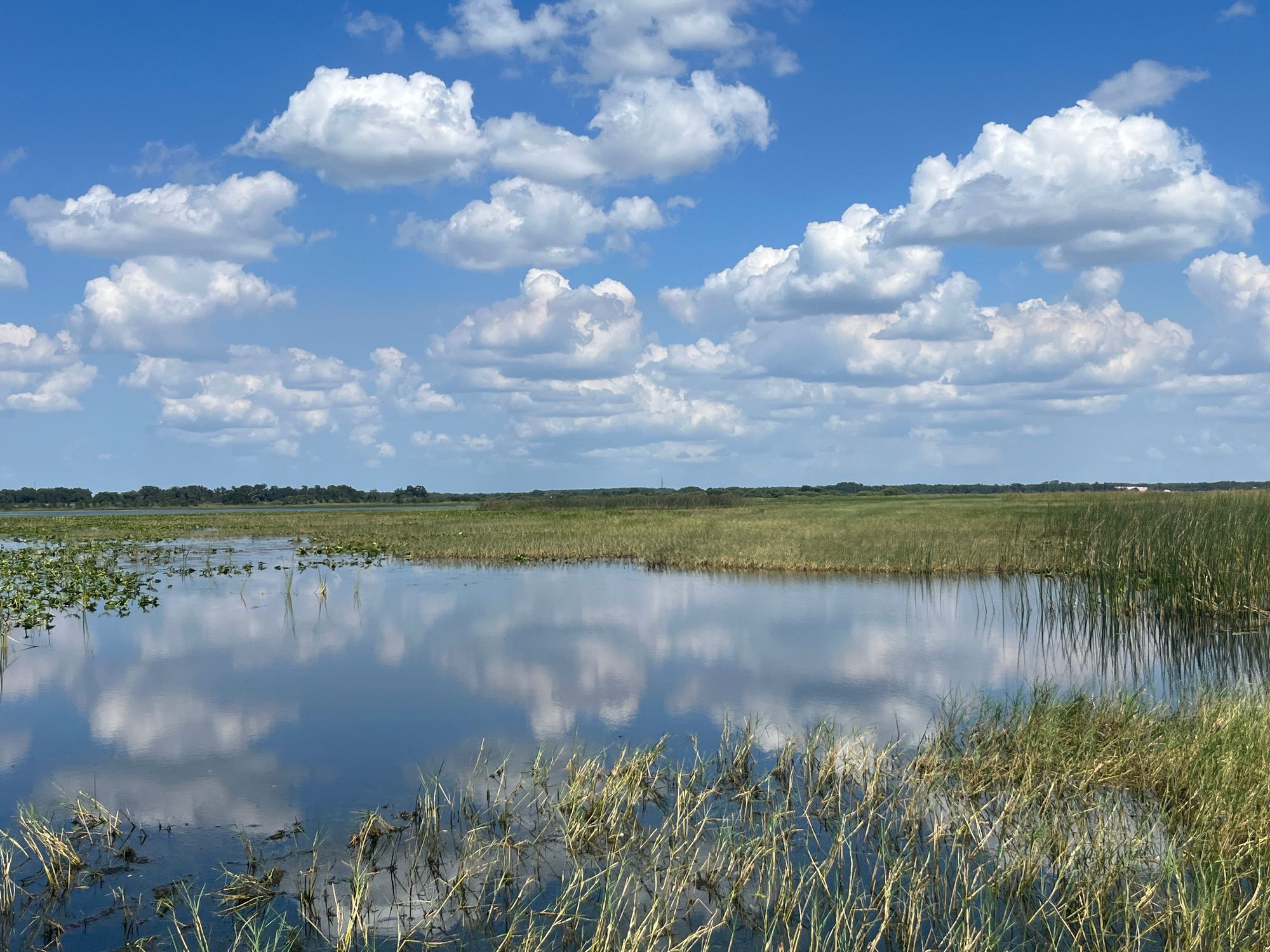
Lake Tohopekaliga
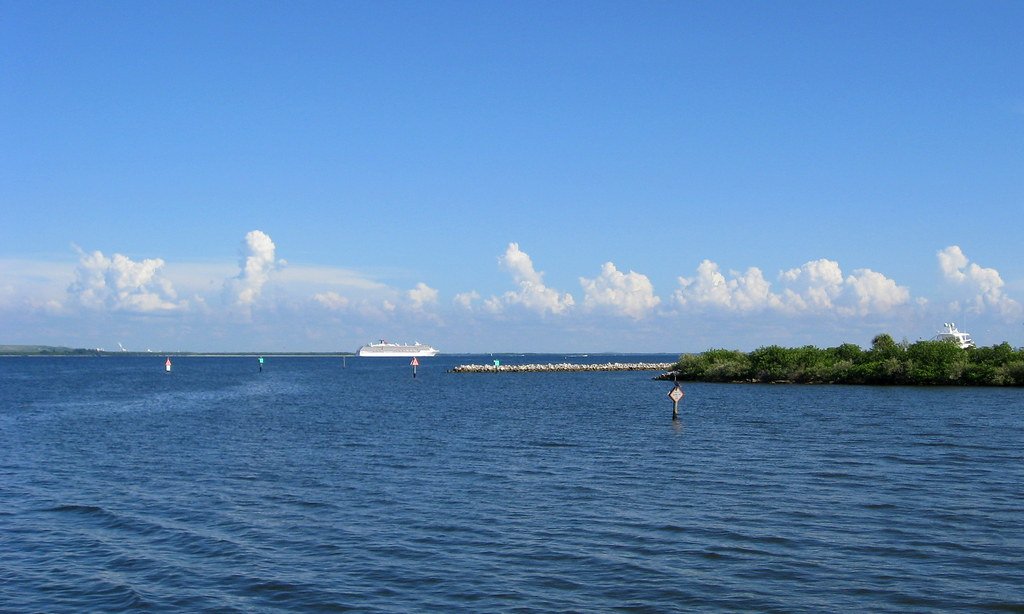
Hillsborough Bay
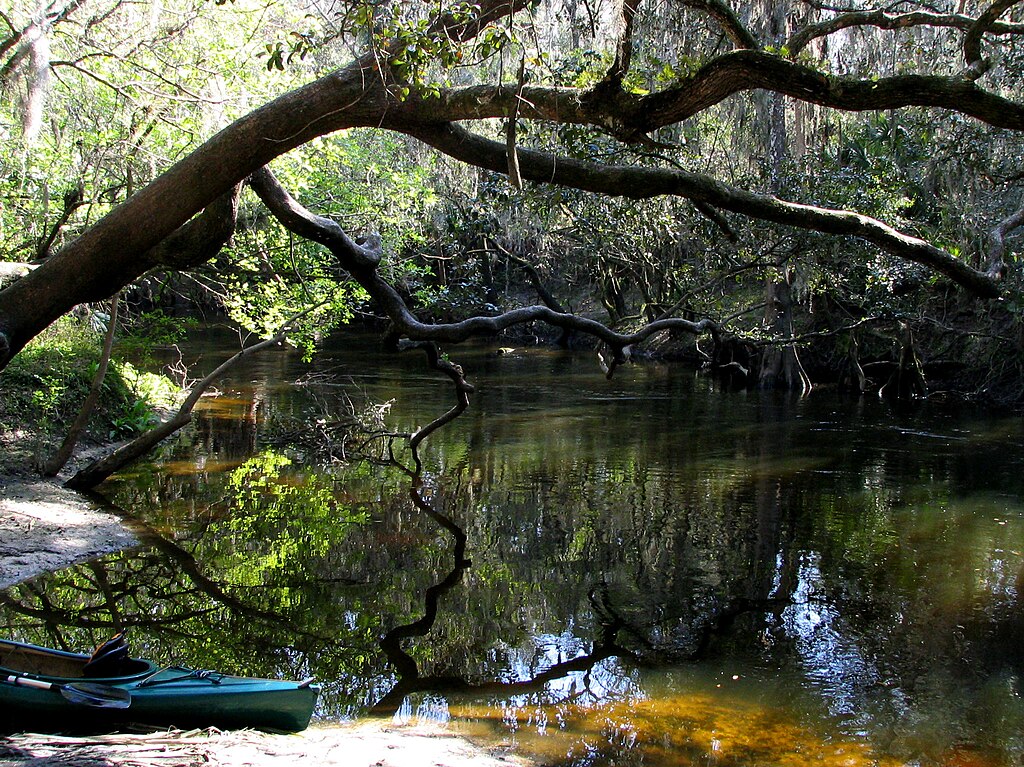
Alafia River
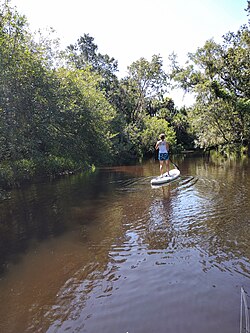
Little Manatee River
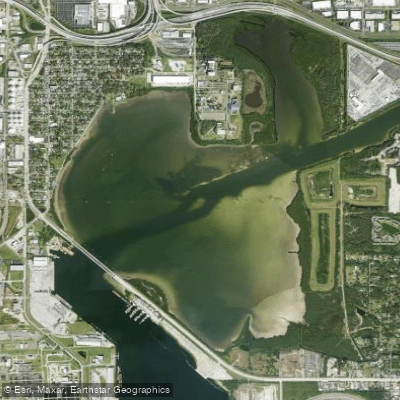
McKay Bay
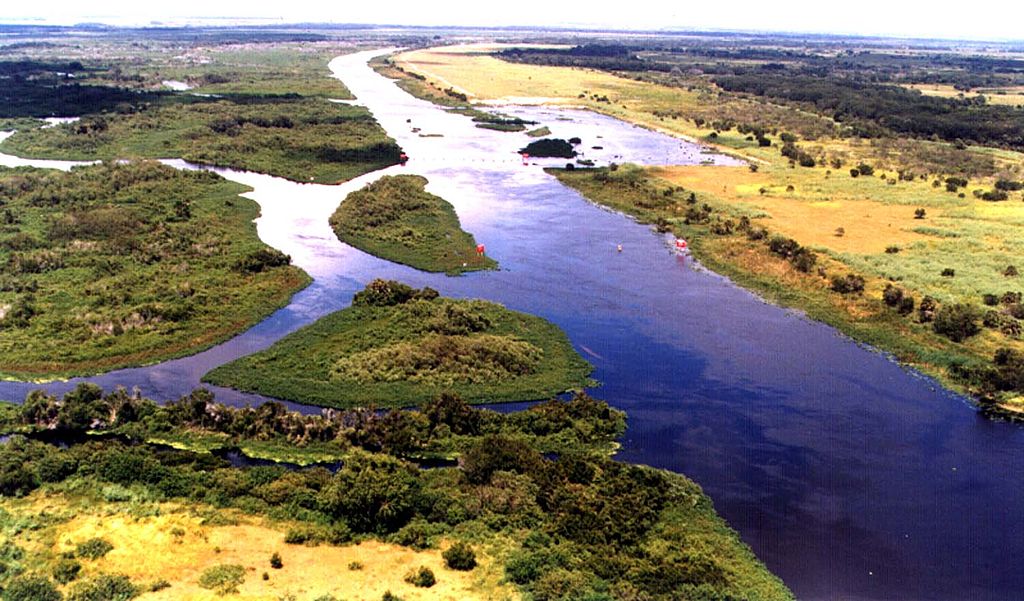
Kissimmee River
What to know
Habitat Distribution
- They inhabit long deep pools of small to medium rivers, springs, reservoirs, swamps, and spring-fed waters with firm substrates of clay, sand, or gravel.
Key Locations
- Northern Florida streams from the Perdido River to the Suwannee River.
- Spring-fed rivers and springs.
- Target northern Florida streams, particularly those in the Perdido to Suwannee River drainages where populations remain stable.
Specific Spots
- Focus on areas with sandy or gravelly bottoms, long deep pools, backwater areas, and locations with moderate to no current over sand and mud substrates.
Spotted Sucker FAQ
Answers from onWater's species guide.
What are the best lures and bait for Spotted Sucker in Florida?
Nightcrawlers are the most effective bait - break them into halves or thirds for longer lasting presentations. Other productive baits include red worms, leeches, small crayfish, and minnows.
What flies work for Spotted Sucker in Florida?
Use wet fly patterns including nymphs, scuds, and flies imitating worms and fish e.g.gs, with natural chartreuse patterns being particularly effective.
When is the best time to fish for Spotted Sucker in Florida?
Spring when they're most active and feeding heavily during spawning migrations. Avoid fishing during spawning periods from late March to early May.
How do you catch Spotted Sucker in Florida?
Keep rigs near the bottom where they feed. Use slip float or bobber positioned a few feet above to keep bait moving attractively in shallow waters.
What do Spotted Sucker eat?
They feed primarily on organic fragments, small crustaceans, benthic invertebrates, aquatic insects, mollusks, copepods, chironomids, and diatoms using their specialized sucker mouths to vacuum food from lake and stream bottoms.
Fish smarter with real-time insights
Whether you're en route and conditions shift or you're looking for the best spot based on current flows, we enable you to make informed decisions on the fly.




See it in the app
Most maps show you water.
onWater shows you Spotted Sucker.



- 01 · Species map filter
Map every Spotted Sucker water
Pick Spotted Sucker and the map zeroes in on the waters they call home. No more guessing which lake holds them.
- 02 · Waterbody species
Tap any water. See what lives there.
Species, behavior and seasonal patterns for every lake, river and pond, before you leave the driveway.
- 03 · Angler Intelligence
Ask how to catch Spotted Sucker
Tactics, gear and timing from onWater's AI fishing guide, tuned to the species and the water you're on.
Stop guessing where Spotted Sucker are.
Open the map, filter by Spotted Sucker, and head to water that holds them. Download onWater and plan your next trip in minutes.
- Species map filter
- Angler Intelligence
- Fishing journal
Explore other species
Trout, bass, salmon, panfish and everything in between. Each guide unpacks the behavior, seasons, and tactics that put fish in the net.
No species information available.
Florida licenses and regulations
Explore nearby waters
Explore Florida waters
Top fishing waters
Popular Cities
Loading popular cities...

Smarter Fishing Starts in the App.
onWater Fish gives you everything you need to plan smarter, fish better, and own every trip from first cast to last.