Bluegill
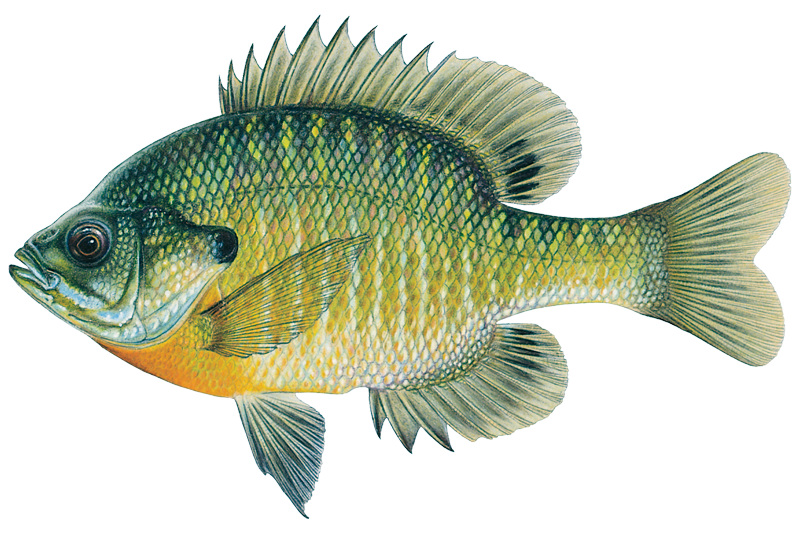
Bluegill are found throughout the District's freshwater bodies and are considered one of 29 recordable species in DC's Recreational Angling Records Program.
They are opportunistic feeders that feed primarily from dawn to dusk, often following daily migration patterns from open water during the day to nearshore areas at night.
Scientific Name: Lepomis macrochirus
- Small, deep-bodied panfish with distinctive blue or black gill covers and 5-9 vertical bars along their sides.
- They typically average 4-8 inches in DC waters, though quality populations can reach 6-11 inches.
Fishing in District Of Columbia
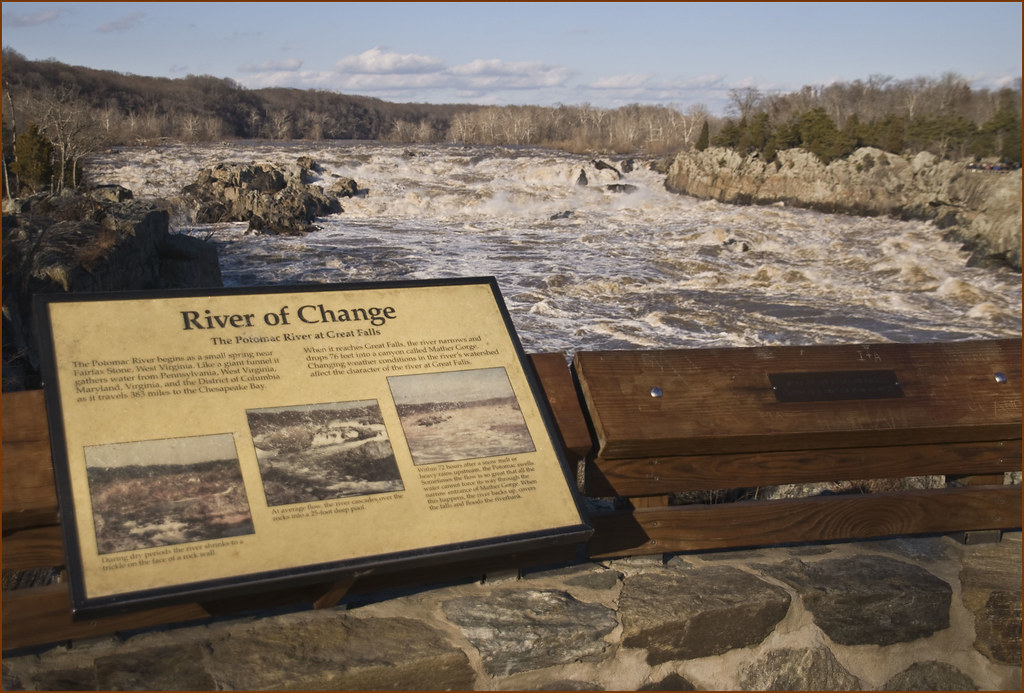
Potomac River
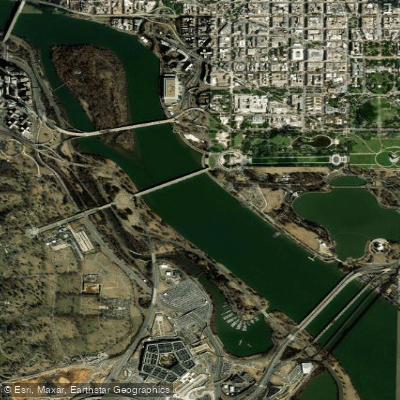
Georgetown Channel
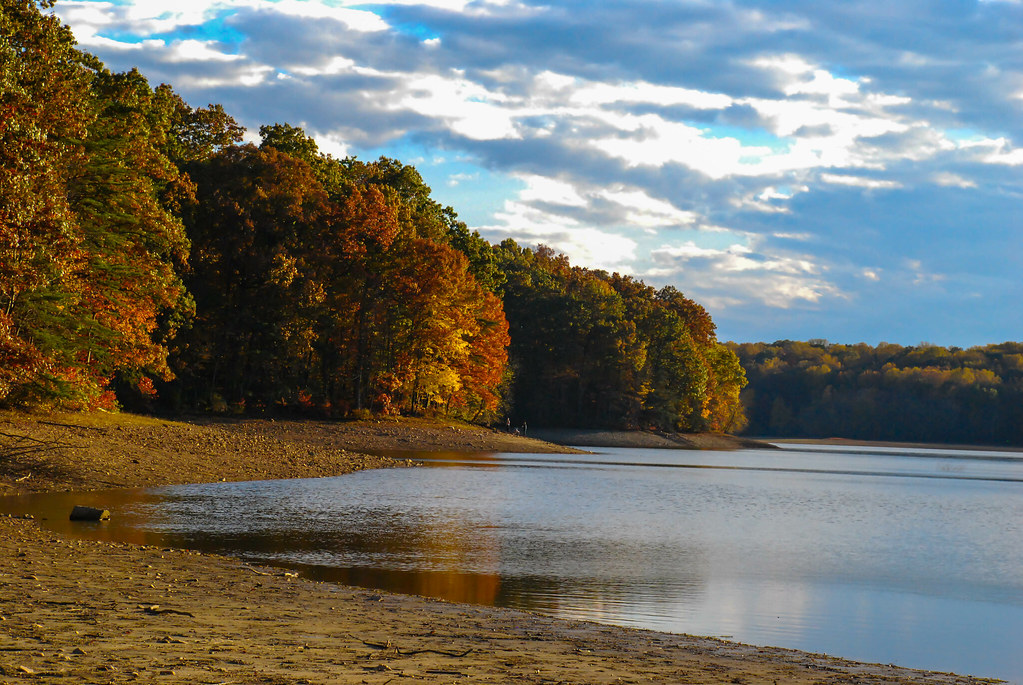
Triadelphia Reservoir
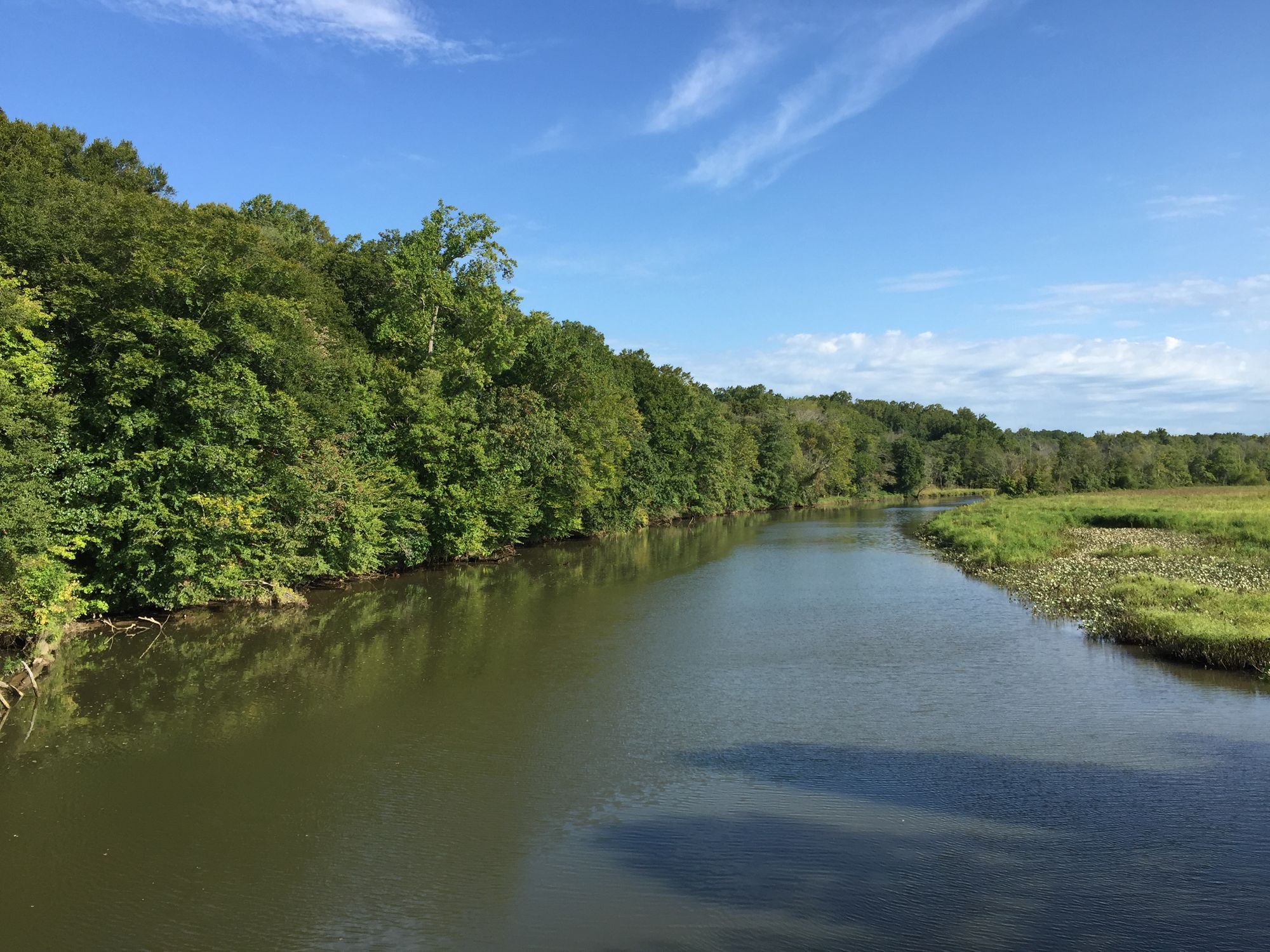
Patuxent River
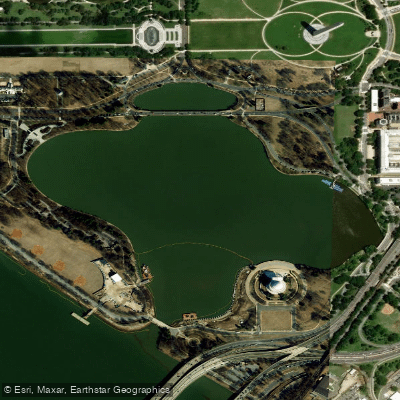
Tidal Basin
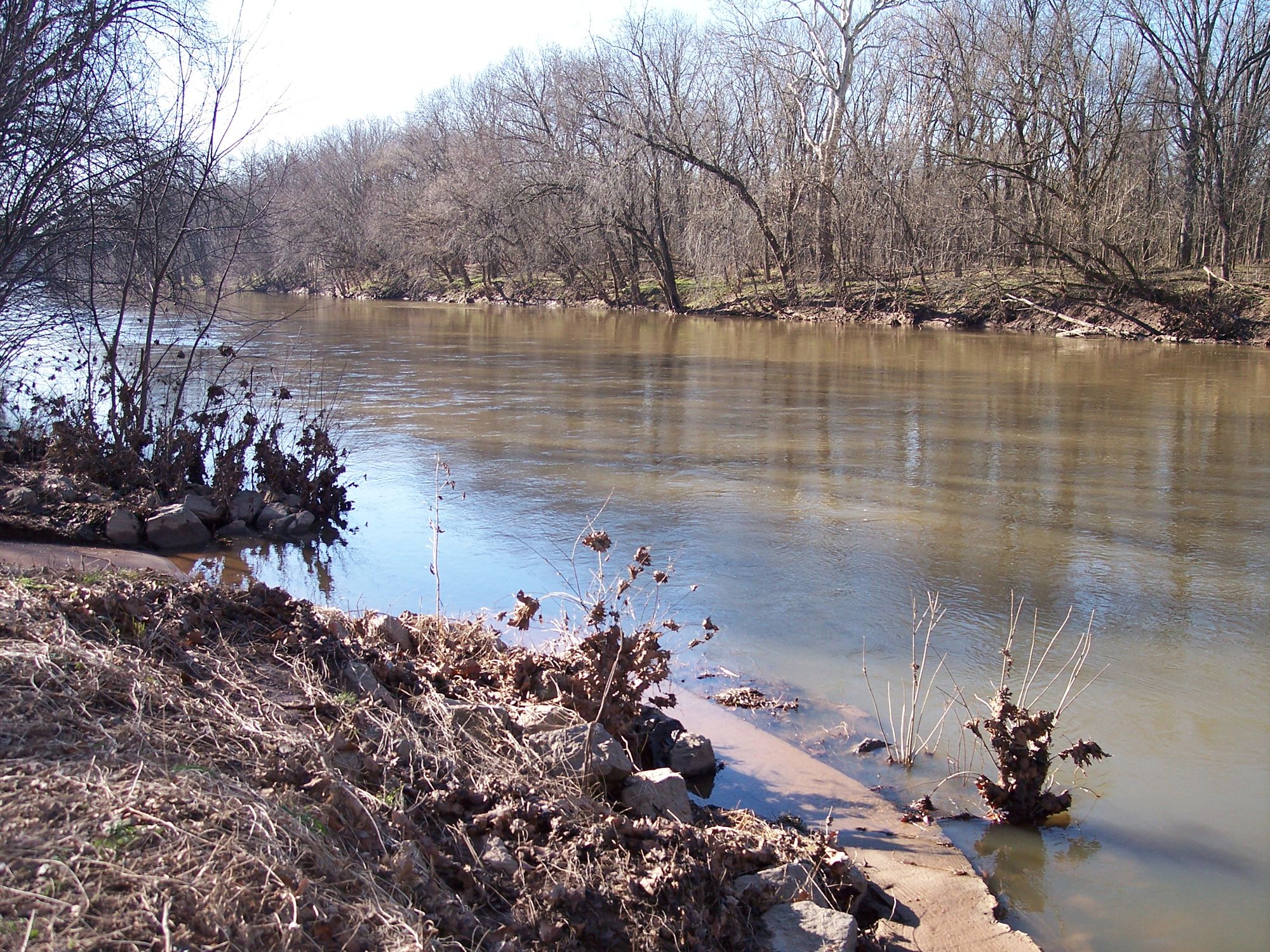
Monocacy River
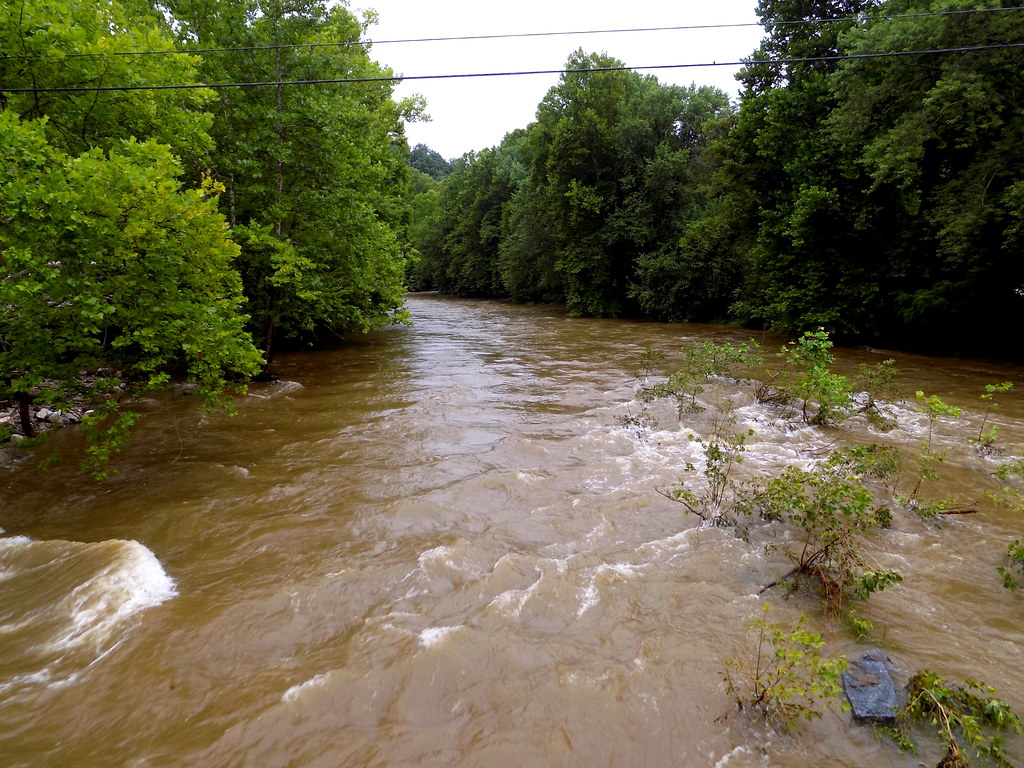
Patapsco River
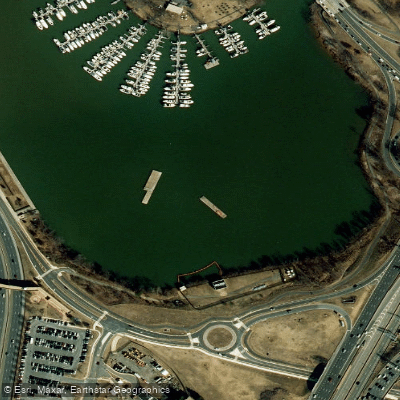
Pentagon Lagoon
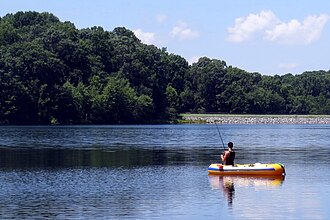
Seneca Creek
What to know
Habitat Distribution
- Found throughout the District's freshwater bodies.
Key Locations
- Potomac River, Anacostia River, Tidal Basin, Washington Channel, Kingman Lake, Rock Creek, and various smaller reservoirs.
- Fish the Potomac River tributaries, Tidal Basin, and Kingman Lake.
Specific Spots
- Fish around structure like docks, fallen trees, weed lines, and vegetated shorelines.
- They prefer quiet, warm waters with sand, mud, or gravel bottoms and abundant aquatic vegetation for cover, often found around docks, fallen trees, and vegetated areas.
Bluegill FAQ
Answers from onWater's species guide.
What are the best lures and bait for Bluegill in District Of Columbia?
Top live baits include red worms, nightcrawlers, crickets, grasshoppers, and maggots. For artificial lures, use 1/32 and 1/16 ounce jig heads with 1-2 inch grubs in chartreuse, small inline spinners like Rooster Tail in gold with colorful bodies, tiny crankbaits, and panfish poppers.
What flies work for Bluegill in District Of Columbia?
Terrestrial patterns like foam spiders, ants, beetles, grasshoppers, Woolly Buggers in size 12 or smaller, and small poppers.
When is the best time to fish for Bluegill in District Of Columbia?
Spring and summer when fish congregate in shallow water. In winter, target deeper water where schools congregate around submerged cover.
How do you catch Bluegill in District Of Columbia?
Present baits slowly since bluegill rarely chase fast-moving offerings. Vertical presentations work well during colder months using small jigs tipped with bait. Focus on quiet, protected waters with minimal current.
What do Bluegill eat?
Opportunistic feeders with small mouths and fine needle-like teeth, consuming algae, aquatic insects, insect larvae, zooplankton, small crustaceans, fish e.g.gs, and smaller fish. During summer when food is abundant, they may consume up to 35% of their body weight weekly.
Fish smarter with real-time insights
Whether you're en route and conditions shift or you're looking for the best spot based on current flows, we enable you to make informed decisions on the fly.







See it in the app
Most maps show you water.
onWater shows you Bluegill.



- 01 · Species map filter
Map every Bluegill water
Pick Bluegill and the map zeroes in on the waters they call home. No more guessing which lake holds them.
- 02 · Waterbody species
Tap any water. See what lives there.
Species, behavior and seasonal patterns for every lake, river and pond, before you leave the driveway.
- 03 · Angler Intelligence
Ask how to catch Bluegill
Tactics, gear and timing from onWater's AI fishing guide, tuned to the species and the water you're on.
Stop guessing where Bluegill are.
Open the map, filter by Bluegill, and head to water that holds them. Download onWater and plan your next trip in minutes.
- Species map filter
- Angler Intelligence
- Fishing journal
Explore other species
Trout, bass, salmon, panfish and everything in between. Each guide unpacks the behavior, seasons, and tactics that put fish in the net.

Find which waters have the species you want to catch

Largemouth Bass
Micropterus salmoides

Smallmouth Bass

Walleye
Sander vitreus

Black Crappie
Pomoxis nigromaculatus

Alewife
Alosa pseudoharengus

American Eel
Anguilla rostrata

American Shad
Alosa sapidissima

Atlantic Sturgeon

Blue Catfish
Ictalurus furcatus

Chain Pickerel
Esox niger

Channel Catfish
Ictalurus punctatus

Common Carp
Cyprinus carpio

Green Sunfish
Lepomis cyanellus

Hickory Shad
Alosa mediocris
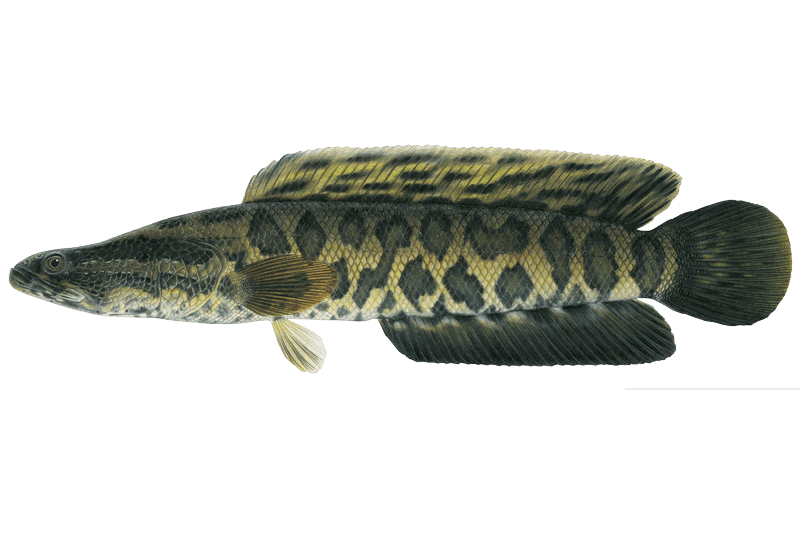
Northern Snakehead
Channa argus

Pumpkinseed
Lepomis gibbosus
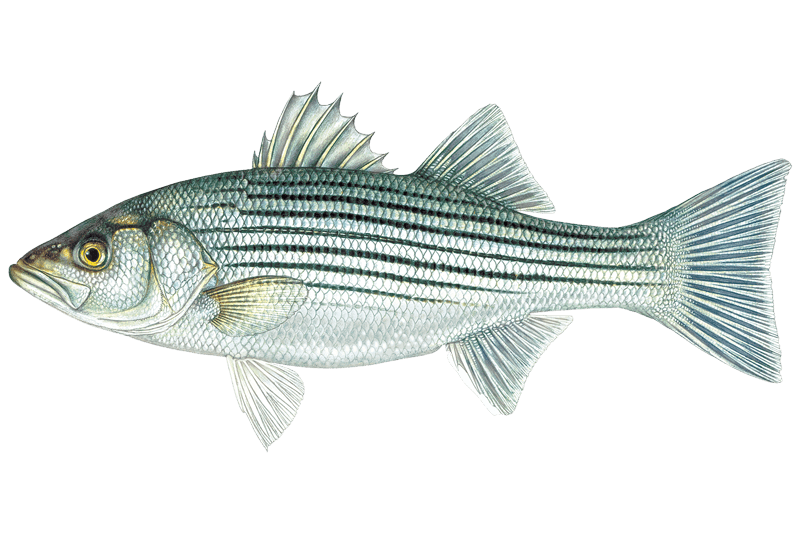
Striped Bass
Morone saxatilis
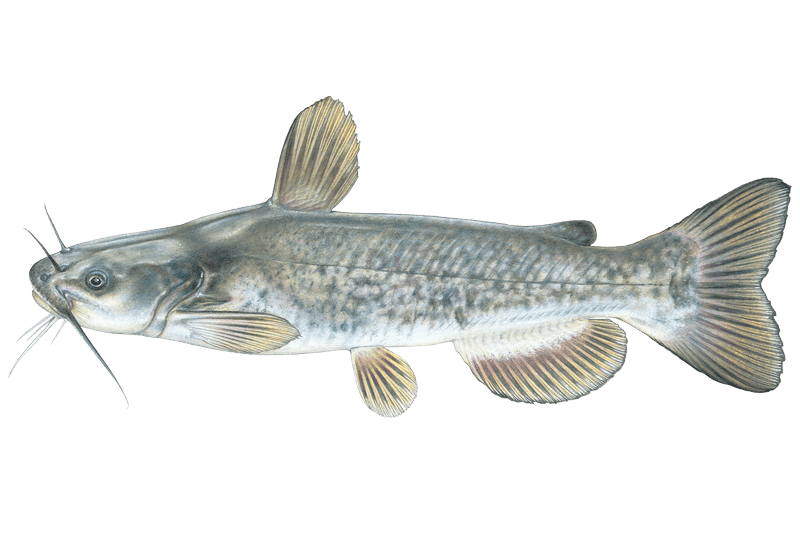
White Catfish
Ameiurus catus
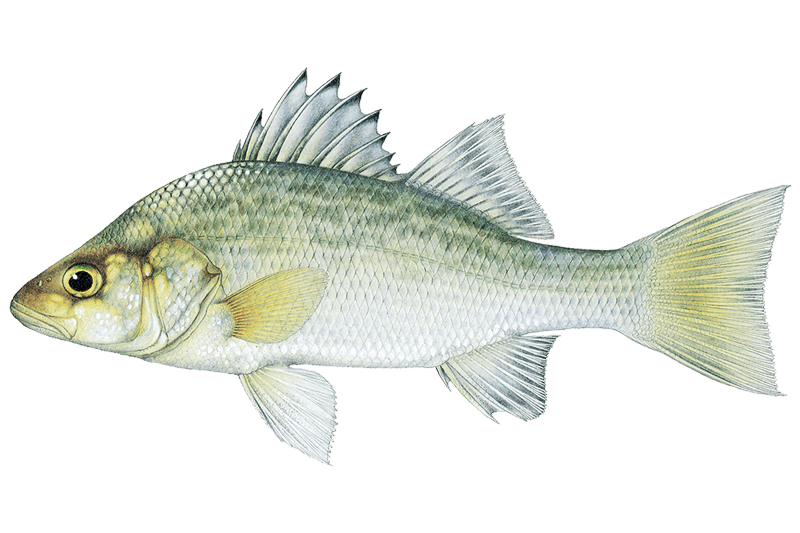
White Perch
Morone americana
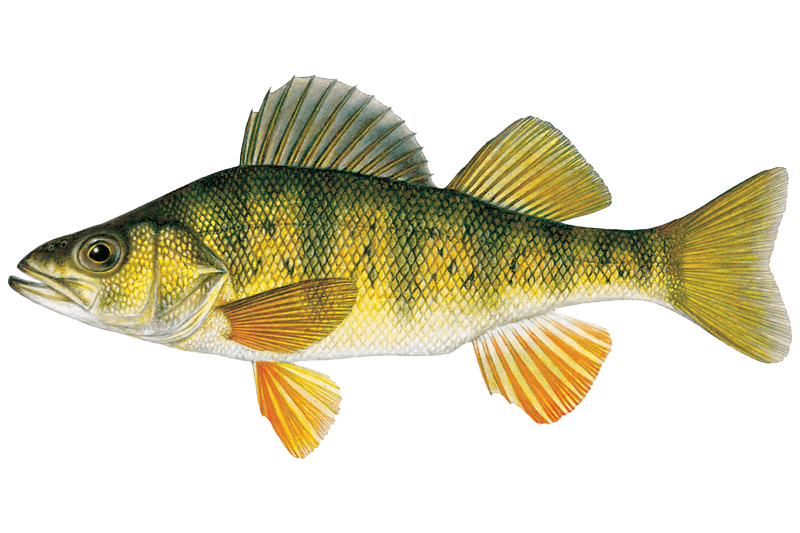
Yellow Perch
Perca flavescens
District Of Columbia licenses and regulations
No licenses or regulations available for District Of Columbia.
Explore nearby waters
Explore District Of Columbia waters
Top fishing waters
No waters available right now.
Popular Cities
Loading popular cities...

Smarter Fishing Starts in the App.
onWater Fish gives you everything you need to plan smarter, fish better, and own every trip from first cast to last.