Rock Bass

Rock bass are native to Arkansas waters and are distinctive freshwater sunfish that are surprisingly tolerant of human activity, commonly found under docks and near swimming areas. They often school with other sunfish.
Scientific Name: Ambloplites rupestris
Also known as goggle-eye, red eye, black perch
- Easily identified by their bright red eyes, six anal fin spines (unlike other sunfish with three), and ability to rapidly change color to match their surroundings.
- Arkansas rock bass typically measure 6-10 inches and rarely exceed one pound, though the species can reach up to 17 inches and 3.1 pounds.
Fishing in Arkansas

Lake Conway
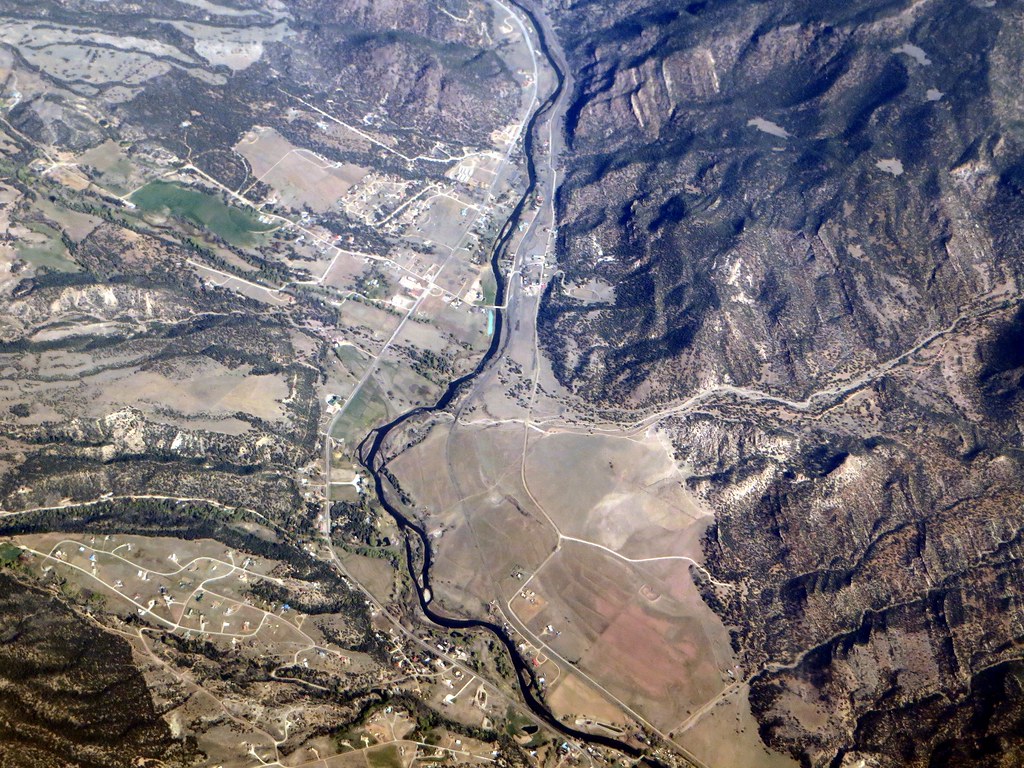
Arkansas River

Fourche LaFave River
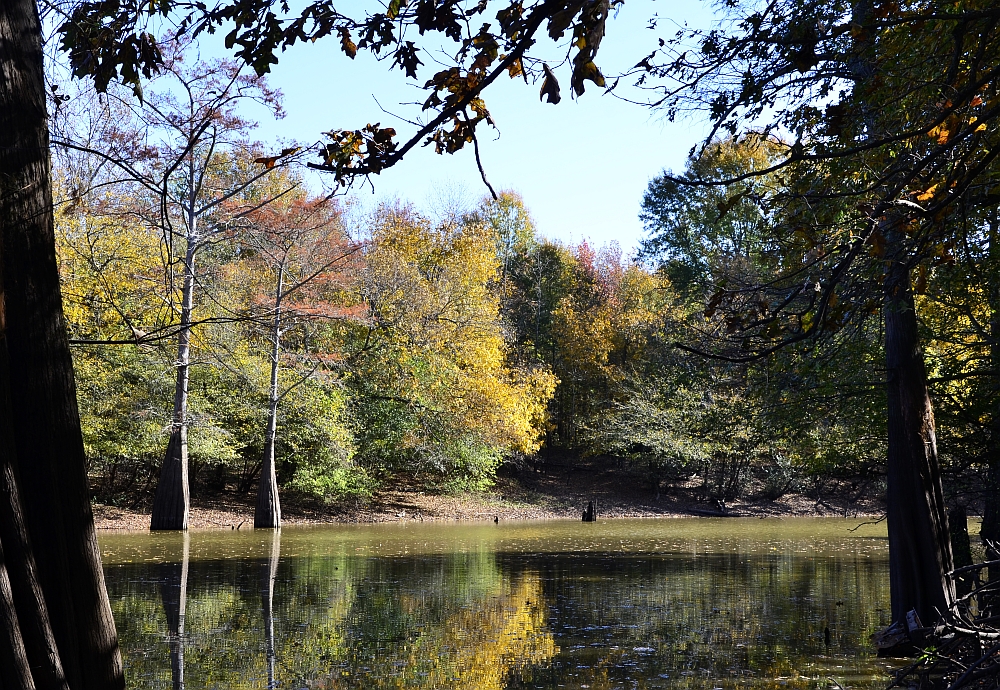
Bayou Meto

Greers Ferry Lake
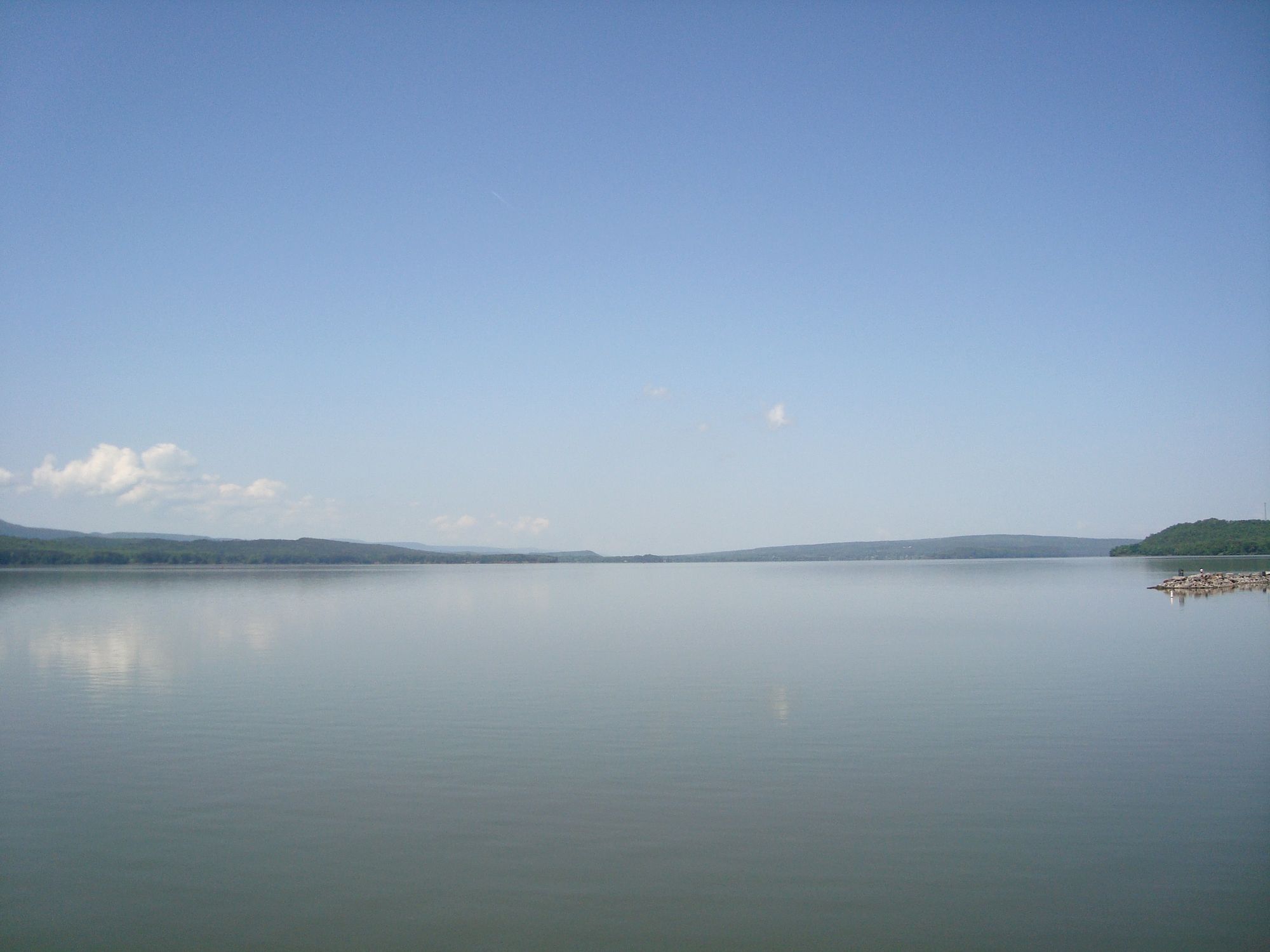
Lake Dardanelle
Petit Jean River
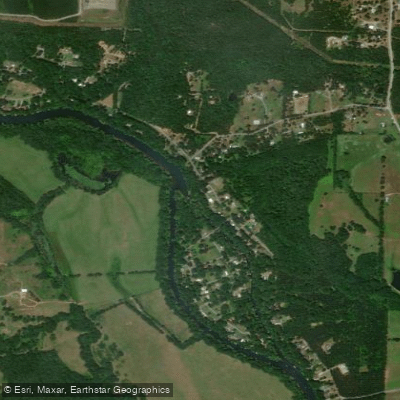
Little Red River
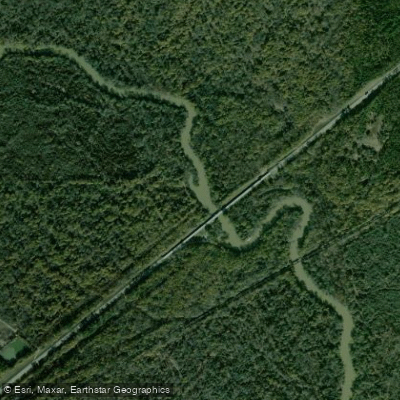
Saline River
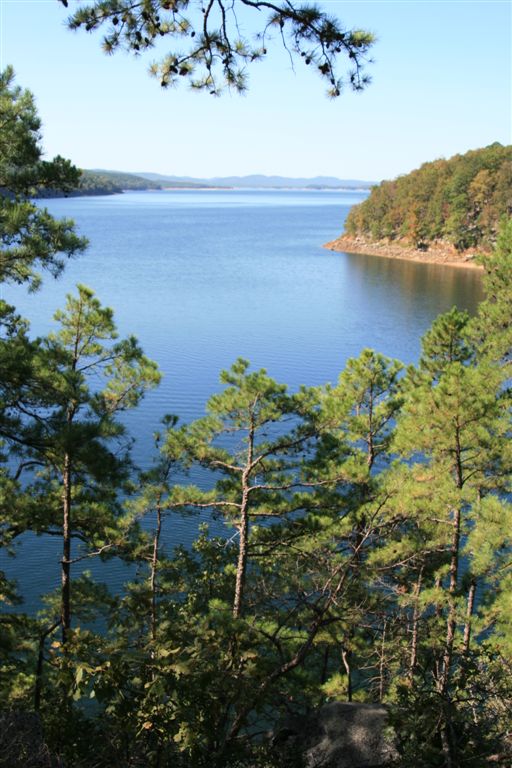
Lake Ouachita
What to know
Habitat Distribution
- Native to Arkansas waters extending from Quebec to Saskatchewan south to Missouri and Arkansas.
- Found in various lakes and reservoirs throughout the state.
Key Locations
- Saline River system including Salt Creek, Depot Creek, and Holly Creek, White River system, Kings River (known for surprisingly large rock bass), various Ozark streams, and lakes like Beaver Lake.
Specific Spots
- Target rocky shorelines, areas with submerged structure, brush piles, and drop-offs near vegetation.
- Found around rocky banks and steep shoreline cover.
Rock Bass FAQ
Answers from onWater's species guide.
What are the best lures and bait for Rock Bass in Arkansas?
Minnows (their preferred bait), tubes (jigging and twitching), small spinners, spinnerbaits, small crankbaits, and various grubs.
What flies work for Rock Bass in Arkansas?
Small nymphs like Pheasant Tail nymphs, Copper Johns, Zebra midges, scuds, Wooly Buggers, and Clouser Minnows. Small poppers and terrestrial patterns work well during surface feeding periods.
When is the best time to fish for Rock Bass in Arkansas?
Productive year-round, with spring (April-July) being prime season. During summer months, target deeper water structures while spring and fall offer excellent shallow water opportunities.
How do you catch Rock Bass in Arkansas?
They respond well to various techniques including fly fishing, spinning, and bank fishing. Use natural presentations that mimic their primary food sources of crayfish, small fish, and insects. Techniques include jigging and twitching tubes.
What do Rock Bass eat?
Carnivorous opportunistic feeders with diets consisting of smaller fish (including their own young), yellow perch, minnows, insects, and crustaceans. They're known to take food from the surface and feed heavily in evening and early morning hours.
Fish smarter with real-time insights
Whether you're en route and conditions shift or you're looking for the best spot based on current flows, we enable you to make informed decisions on the fly.




See it in the app
Most maps show you water.
onWater shows you Rock Bass.



- 01 · Species map filter
Map every Rock Bass water
Pick Rock Bass and the map zeroes in on the waters they call home. No more guessing which lake holds them.
- 02 · Waterbody species
Tap any water. See what lives there.
Species, behavior and seasonal patterns for every lake, river and pond, before you leave the driveway.
- 03 · Angler Intelligence
Ask how to catch Rock Bass
Tactics, gear and timing from onWater's AI fishing guide, tuned to the species and the water you're on.
Stop guessing where Rock Bass are.
Open the map, filter by Rock Bass, and head to water that holds them. Download onWater and plan your next trip in minutes.
- Species map filter
- Angler Intelligence
- Fishing journal
Explore other species
Trout, bass, salmon, panfish and everything in between. Each guide unpacks the behavior, seasons, and tactics that put fish in the net.
No species information available.
Arkansas licenses and regulations
Explore nearby waters
Explore Arkansas waters
Top fishing waters
Popular Cities
Loading popular cities...

Smarter Fishing Starts in the App.
onWater Fish gives you everything you need to plan smarter, fish better, and own every trip from first cast to last.